
Scar Treatment Laser: Benefits, Risks & Expectations
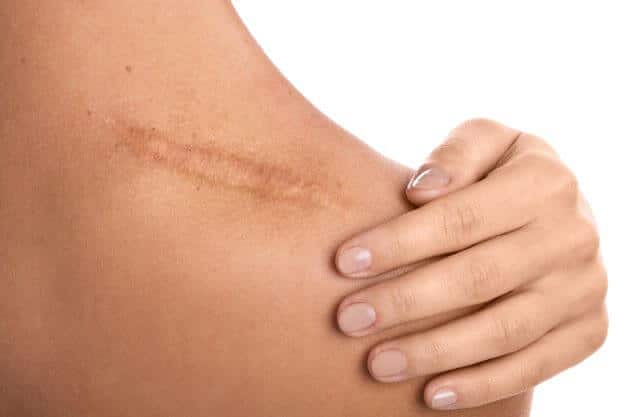
Key Takeaways
- Laser treatment can effectively reduce the appearance of scars: Understanding how laser therapy works, including ablative resurfacing and its impact on wound healing and skin conditions, can help set realistic expectations and prepare you for the process to achieve optimal results.
- Know the origin of your scars: Different types of scars, such as acne, keloids, or surgical scars, may respond differently to laser treatments at a skin surgery center specializing in ablative resurfacing and other skin conditions.
- Preparation is crucial: Follow pre-procedure guidelines from your healthcare provider to ensure the best results and minimize risks for treatment sessions and laser surgery consultation.
- Aftercare is essential: Proper post-treatment care at a skin surgery center can enhance healing, improve the effectiveness of the laser therapy, and aid in the improvement of surgical scars and facial acne scars.
- Benefits outweigh the risks: While there are potential risks, the benefits of reduced scarring, including surgical scars, acne scars, and hypertrophic scars, and improved skin texture through ablative laser resurfacing often outweigh them.
- Consult with a specialist: Always seek advice from a qualified dermatologist at a skin surgery center to tailor the treatment to your specific needs, such as acne scars or surgical scars, and minimize complications, possibly including laser surgery.
Understanding Laser Treatment
Laser treatment role
Laser treatment is a popular method in cosmetic dermatology. It helps reduce scars and stretch marks. Lasers use focused light to target specific skin areas. This process can improve skin texture and color.
How laser therapy works
Laser therapy works by sending concentrated beams of light into the skin during a treatment session. The light breaks down scar tissue. The body then repairs the damaged area with new, healthy skin cells, potentially leading to hypertrophic scars, keloids, or erythema, which might require laser surgery.
There are two main types of laser treatments:
- Ablative lasers remove the top layer of skin.
- Non-ablative lasers work deeper in the skin without removing layers, treating hypertrophic scars and keloids.
Both methods stimulate collagen production, which helps heal scars.
Types of lasers
Different types of lasers treat various kinds of scars:
- CO2 Lasers: These are ablative lasers. They work well for deep scars and wrinkles. CO2 lasers remove thin layers of skin with minimal heat damage, often used for scar revision, hypertrophic scars, and keloids in surgery.
- Erbium Lasers: Another type of ablative laser, they are used for surface-level scars, fine lines, and keloids. Erbium lasers cause less damage to surrounding tissues.
- Fractional Lasers: Fractional lasers can be both ablative and non-ablative, used for hypertrophic scars, scar revision, and keloids. They treat parts of the skin with ablative laser resurfacing while leaving other areas untouched for hypertrophic scars and scar revision. This speeds up healing time.
- Pulsed-Dye Lasers (PDL): These non-ablative lasers target blood vessels in scars, reducing redness and discoloration.
- Nd:YAG Lasers: Used for deeper penetration, these non-ablative lasers help with hypertrophic and keloid scars.
By using different types of lasers, doctors can customize treatments based on hypertrophic scars, scar type, and patient needs.
Benefits and considerations
Laser treatment offers several benefits:
- Reduces scar visibility
- Improves skin texture
- Stimulates collagen growth
However, there are some considerations:
- Multiple sessions may be needed.
- Side effects like redness or swelling can occur.
- Results vary based on scar type, such as hypertrophic scars, and patient’s skin type.
Origins of Scarring
Causes of Scarring
Scars form due to various reasons. Injuries are a common cause. These can be from accidents or cuts. Surgeries also lead to scars, known as surgical scars. Acne is another significant cause, especially facial acne scars.
When the skin gets damaged, it tries to heal itself. This healing process results in scar tissue formation. The type and extent of scarring depend on the injury’s depth and location.
Types of Scars
Different types of scars exist. Keloid scars extend beyond the original wound area. They are thick and raised. Hypertrophic scars are similar but do not grow beyond the wound’s boundaries.
Atrophic scars are sunken into the skin. Acne often causes these types, like boxcar scars and ice-pick scars.
Factors Influencing Severity
Several factors affect scar severity. Skin type plays a crucial role. Darker skin tones might develop more noticeable keloids or hypertrophic scars.
The wound healing process also matters. Quick and proper treatment reduces severe scarring risk. Poor care can worsen scar appearance.
Process of Laser Therapy
Steps Involved
A laser therapy session for scar treatment involves several steps. First, the doctor examines the scar and discusses the patient’s medical history. This helps in planning the treatment. Next, a topical anesthetic is applied to numb the area.
After numbing, the doctor uses a laser device to target the scar. The laser emits light that penetrates the skin. Each session can last from 30 minutes to an hour, depending on the size and type of scar.
Mechanism of Action
Laser light works by breaking down scar tissue and stimulating skin regeneration. It targets water molecules in the skin, causing controlled damage to scarred areas. This triggers collagen production, which is essential for new skin formation.
The healing process begins as soon as the laser treatment ends. The body starts repairing itself by removing damaged cells and replacing them with new ones. This reduces the appearance of scars over time.
Customization of Settings
Laser settings are customized based on the type of scar and individual patient needs. For example, a fractional CO2 laser might be used for deeper scars. This type of laser creates tiny wounds in the skin, promoting faster healing.
Doctors adjust parameters like wavelength and intensity to suit each case. Lighter scars may require less intense settings, while deeper scars need more powerful treatments.
Post-Treatment Care
After a treatment session, patients receive specific care instructions. These usually include keeping the treated area clean and moisturized. Avoiding sun exposure is also crucial to prevent complications.
Patients may experience redness or swelling immediately after treatment. These side effects typically subside within a few days.
Preparing for Laser Procedure
Avoid Sun Exposure
Patients must avoid sun exposure before laser surgery. Sunburned skin can increase complications during the procedure. Doctors recommend staying out of direct sunlight for at least two weeks prior. Use sunscreen with a high SPF if going outside is necessary.
Medication Restrictions
Certain medications should be avoided before laser resurfacing treatments. Blood-thinning drugs like aspirin and ibuprofen can lead to excessive bleeding. Patients should inform their dermatologist about all medications they are taking. The doctor may advise stopping certain prescriptions temporarily.
Consultation with Dermatologist
Consulting a dermatologist is crucial before undergoing any laser treatment plan. The dermatologist assesses the patient’s skin condition and scar type. This helps determine the most suitable type of laser for effective results. A thorough examination ensures that the patient receives personalized care.
Realistic Expectations
Setting realistic expectations is important for patients considering laser therapy. Laser treatments can improve scars but may not completely remove them. Understanding potential outcomes helps in avoiding disappointment. Discussing goals with the doctor aids in achieving a satisfactory result.
Understand Potential Outcomes
Knowing what to expect after ablative resurfacing is essential for patients. Some redness and swelling are common post-procedure effects. Healing time varies based on the type of laser used and individual skin response. Ablative laser resurfacing might require longer recovery periods compared to non-ablative methods.
Follow Pre-Treatment Instructions
Following pre-treatment instructions given by the skin surgery center is vital for successful outcomes. These may include:
- Stopping smoking several weeks before the procedure
- Using prescribed skincare products
- Staying hydrated Adhering to these guidelines prepares the skin for treatment and promotes better healing.
Benefits of Laser Therapy
Effectiveness
Laser treatments are highly effective for scar reduction. They improve skin texture and appearance by targeting the scar tissue. The laser light penetrates the skin, stimulating collagen production. This process helps in smoothing out the scarred area.
Many patients see significant improvements after a few sessions. Studies show that laser therapy can reduce scar visibility by up to 70%. This makes it a popular choice for those seeking noticeable results without surgery.
Minimal Downtime
One major benefit of laser technology is minimal downtime. Unlike surgical options, laser treatments are non-invasive. Patients can return to their daily activities almost immediately.
Most procedures take less than an hour. There is no need for stitches or bandages, reducing recovery time significantly. Some redness or swelling may occur but usually subsides within a few days.
Non-Invasive Nature
Laser therapy does not require incisions or anesthesia. This reduces the risks associated with traditional surgeries. The procedure uses focused light energy to treat scars.
Patients often experience less pain compared to surgical methods. Over-the-counter pain relief is usually sufficient for any discomfort post-treatment.
Psychological Benefits
Reducing the visibility of scars has psychological benefits too. Many people feel self-conscious about their scars, affecting their self-esteem.
Improving skin appearance can boost confidence levels. People often feel more comfortable in social settings after treatment. Enhanced self-esteem can lead to better mental health and overall well-being.
Healing Process
The healing process with laser treatments is generally quicker than other methods. Collagen production continues for months after each session, improving results over time.
Patients should follow post-treatment care instructions carefully for optimal healing:
- Avoid direct sunlight
- Use prescribed ointments
- Keep treated areas clean
Anticipating Results
Realistic Expectations
Patients should set realistic expectations for laser scar treatment. Optimal results often require multiple sessions. The number of sessions depends on the scar’s type and size. Some scars may need three to six appointments.
Results can vary from person to person. Factors like skin type, age, and overall health play a role. Patients should discuss their goals with their doctor.
Gradual Improvement
Scars improve gradually over time. After each session, the skin heals and regenerates. This process can take several weeks to months.
Visible changes might not be immediate. Most patients notice improvements in scar appearance after a few treatments. Patience is key during this period.
Variability of Outcomes
The outcomes of laser scar treatment are not the same for everyone. Different types of scars respond differently to laser therapy.
- Hypertrophic scars: These thick, raised scars may flatten out.
- Atrophic scars: Depressed or sunken scars can become smoother.
- Keloid scars: Large, raised scars might reduce in size but may not disappear completely.
Individual skin characteristics also affect results. Darker skin tones may have a higher risk of pigmentation changes.
Post-Treatment Care
Proper care following each session is crucial for optimal healing. Patients should follow their doctor’s post-treatment instructions carefully.
- Keep the treated area clean and moisturized.
- Avoid direct sunlight to prevent pigmentation issues.
- Use sunscreen with high SPF when going outside.
Adhering to these guidelines helps achieve better results and minimizes side effects.
Monitoring Progress
Regular follow-up appointments help monitor progress and adjust treatment plans if necessary. Doctors assess how well the skin responds and make any needed changes.
Aftercare Tips
Gentle Skincare
Caring for the treated area is crucial. Use mild, fragrance-free cleansers. Avoid harsh scrubs or exfoliants. Pat the skin dry instead of rubbing.
Moisturize daily with a gentle, non-comedogenic lotion. This helps keep the skin hydrated and aids in recovery.
Sun Protection
Sun protection is essential after laser therapy. The skin becomes more sensitive to UV rays post-treatment.
Apply broad-spectrum sunscreen with SPF 30 or higher. Reapply every two hours when outdoors.
Wear protective clothing, such as hats and long sleeves, to shield the treated area from direct sunlight.
Follow Dermatologist’s Instructions
Follow your dermatologist’s instructions closely for optimal healing. They provide personalized guidance based on your skin type and treatment specifics.
Take prescribed medications if any are given. These might include antibiotics or anti-inflammatory drugs to prevent infection and reduce swelling.
Avoid activities that may irritate the skin, such as swimming in chlorinated pools or using saunas, until cleared by your dermatologist.
Recognizing Proper Healing
Proper healing includes several signs:
- Reduced redness over time
- Gradual fading of the treated scar
- Minimal discomfort after a few days
If these signs are present, it indicates that recovery is progressing well.
Identifying Complications
Be aware of complications that require follow-up consultation:
- Persistent redness or swelling beyond a week
- Increased pain or tenderness
- Signs of infection like pus or severe itching
Contact your dermatologist immediately if you notice any of these symptoms. Early intervention can prevent further issues.
Recognizing Risks
Common Side Effects
Laser scar treatment can cause some common side effects. Temporary redness is one of the most frequent issues. The treated area often appears red for a few hours or even days after the procedure. Swelling is another typical response. This usually subsides within a week.
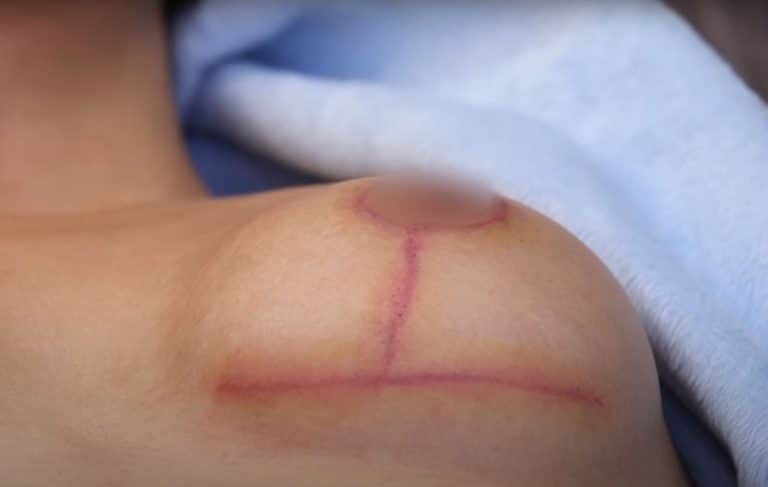
Discomfort is also expected. Many people feel a burning sensation similar to sunburn. Pain relief options include over-the-counter painkillers like ibuprofen.
Rare Risks
Though uncommon, there are more serious risks associated with laser therapy. Hyperpigmentation is one such risk. The skin may develop dark spots in the treated area. This condition can last for several months.
Infection is another rare but serious concern. A person may notice increased redness, warmth, or pus in the treated area. It’s crucial to follow aftercare instructions to prevent this.
Qualified Dermatologist
Choosing a qualified dermatologist minimizes these risks significantly. An experienced professional knows how to handle different skin types and conditions. They can adjust the laser settings to suit individual needs.
Before undergoing treatment, review the dermatologist’s credentials and past work. Look for board certification and positive patient reviews.
Minimizing Complications
Choosing Dermatologist
Selecting the right dermatologist is crucial. Check their credentials and board certification. Read reviews from previous patients to gauge their experiences. A reputable facility should have a proven track record in laser scar treatments.
Pre-Treatment Evaluation
A thorough pre-treatment evaluation helps identify contraindications. Discuss your medical history with the dermatologist. This includes any allergies, medications, or past skin reactions. A customized treatment plan can then be developed to suit your specific needs.
Adhering to Aftercare
Follow aftercare instructions carefully. Use prescribed creams and avoid sun exposure. Attend all follow-up appointments to monitor healing progress and address any concerns promptly.
Monitoring Side Effects
Watch for potential side effects like redness or swelling. Report severe side effects such as pain or infection immediately. Early intervention can prevent complications and ensure better outcomes.
Considering Costs
Laser treatments can be costly. Discuss all treatment options and associated costs during the initial consultation. Some facilities offer payment plans or accept insurance for certain procedures.
Final Remarks
Laser treatment for scars offers a promising path to smoother, clearer skin. By understanding the process and preparing adequately, you can maximize the benefits and minimize risks. It’s all about taking the right steps and following expert advice.
Ready to transform your skin? Consult with a qualified dermatologist today. Your journey to confidence starts now. Don’t wait—embrace the change and enjoy the results!
Frequently Asked Questions
What is laser treatment for scars?
Laser treatment uses focused light therapy to reduce scar appearance. It targets scar tissue, promoting new skin growth.
How does laser therapy work on scars?
Laser therapy removes damaged skin layers and stimulates collagen production. This helps in reducing scar visibility and improving skin texture.
Is laser treatment effective for all types of scars?
Laser treatment can be effective for many types of scars, including acne, surgical, and injury scars. Results vary based on scar type and individual skin response.
How should I prepare for a laser procedure?
Avoid sun exposure and stop using certain skincare products before the procedure. Follow your dermatologist’s specific instructions for best results.
What are the benefits of laser therapy for scars?
Laser therapy can significantly reduce scar appearance, improve skin texture, and boost confidence. It’s a non-invasive option with minimal downtime.
What should I expect after a laser treatment session?
Expect some redness and swelling post-treatment. These effects usually subside within a few days. Follow aftercare guidelines to ensure proper healing.
Are there any risks associated with laser scar treatment?
Possible risks include temporary redness, swelling, or pigmentation changes. Serious complications are rare when performed by an experienced professional.
 Directions
 Call Us
 Email Us