
The Vital Role of Compression Garments in Healing After Liposuction
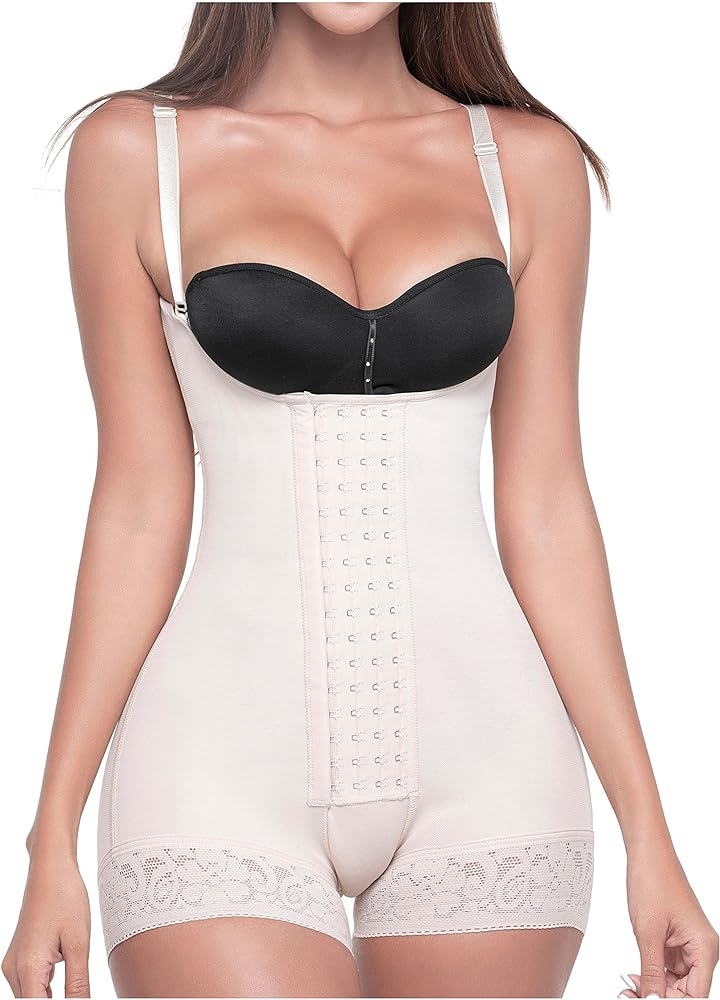
Liposuction can transform your body, but recovery is just as crucial. The importance of compression garments in liposuction recovery cannot be overstated. These garments support healing and help reduce swelling. Without them, you might face longer recovery times, uneven results, and wrinkles from liposuction incisions.
While some may overlook their significance, wearing compression garments ensures that your skin adheres properly to the new contours of your body. They promote circulation and minimize discomfort. Choosing to wear these garments can make a significant difference in your overall recovery experience. Don’t underestimate their role in achieving the best possible outcome after your procedure, including managing excess skin and selecting the right garment.
Key Takeaways
- Compression garments play a crucial role in healing after liposuction by reducing swelling and promoting blood circulation, which can speed up recovery.
- Wearing these garments can help manage excess skin, making it less likely to sag as your body heals and reshapes.
- It’s important to ensure a proper fit for your compression garment; this maximizes effectiveness and comfort during recovery.
- Follow the recommended duration for wearing compression garments to achieve the best results; typically, this is advised for several weeks post-surgery.
- Regular care and maintenance of your compression garments are essential to keep them effective and hygienic throughout your recovery period.
- Skipping the use of compression garments can lead to complications such as increased swelling and poor healing, which may affect your overall results.
Role in Healing
Reducing Swelling
Compression garments play a crucial role in the recovery process after liposuction. They help reduce post-operative swelling and bruising significantly. When patients wear these garments, they apply consistent pressure to the treated areas of excess skin. This pressure encourages fluid drainage, which minimizes swelling.
Swelling often occurs after surgery due to inflammation, fluid accumulation, and the garment. By wearing compression garments, patients can expect a more comfortable recovery experience. Studies show that those who use these garments report less discomfort and quicker resolution of swelling.
Supporting Contours
These garments also support tissue adherence to the new body contours. After liposuction, the garment and skin need time to adjust to its new shape. Compression helps keep the skin close to the underlying tissues. This support promotes uniform healing across the surgical area.
Patients often notice that their results appear smoother and more natural when they use compression garments consistently. The garments provide a gentle hold that assists in reshaping the skin. This effect is especially important for achieving optimal aesthetic outcomes in the garment.
Enhancing Circulation
Blood circulation is vital for healing after any surgical procedure. Compression garments enhance blood flow to the treated areas. Improved circulation from the garment aids in delivering essential nutrients and oxygen to healing tissues.
When blood flows freely in the garment, it helps remove waste products from the surgical site. This process reduces inflammation and speeds up recovery time. Patients who prioritize wearing compression garments often find that their overall recovery is faster and more efficient.
Hyaluronic Effect
Hyaluronic acid plays a role in maintaining moisture within the skin and tissues. While compression garments do not contain hyaluronic acid, they can complement its effects by keeping the skin hydrated through improved circulation. Adequate hydration supports the healing process.
Incorporating a garment with hyaluronic acid into post-operative care can further enhance recovery outcomes. This combination can lead to better skin elasticity and texture over time, promoting a healthier appearance after surgery.
Summary of Benefits
The importance of compression garments during liposuction recovery cannot be overstated. Their benefits include:
- Reduced swelling and bruising
- Support for tissue adherence
- Enhanced blood circulation
- Complementary effects with hyaluronic acid
Benefits for Recovery
Alleviate Discomfort
Compression garments play a crucial role in alleviating discomfort after liposuction. They provide consistent pressure to the treated areas. This garment pressure can help reduce swelling and bruising, which are common after surgery. Patients often report feeling more comfortable when wearing these garments.
The support from compression clothing promotes better blood circulation. Improved blood flow helps speed up the healing process. Many people find that wearing these garments makes daily activities easier during recovery.
Minimize Fluid Retention
Fluid retention is another concern after liposuction. Compression garments can significantly minimize this issue. They help prevent seromas, which are pockets of fluid that can form after surgery by wearing a garment. By applying pressure, these garments encourage the body to absorb excess fluids.
Reducing fluid retention lowers the risk of complications. It also helps maintain a more contoured appearance. Studies show that patients who wear compression garments have fewer complications than those who do not. This fact highlights their importance in post-operative care.
Achieve Smoother Skin Texture
Achieving smoother skin texture is another benefit of wearing compression garments after liposuction. The consistent pressure from the garment helps the skin adjust to its new contours. This adjustment can lead to improved surgical outcomes and a more aesthetically pleasing result.
Patients may notice less irregularity in their skin’s surface when using these garments. The support they provide helps keep the skin tight against the underlying tissues. Over time, this can enhance overall satisfaction with the results of the procedure.
Psychological Impact
Wearing compression garments can also have a psychological impact on patients. Many individuals feel more secure and confident when they know they are taking steps for proper recovery. The physical support translates into emotional well-being during a vulnerable time.
Feeling good about one’s appearance boosts self-esteem as healing progresses. Patients often share that they appreciate how compression garments aid both physical comfort and mental health during recovery.
Managing Excess Skin
Skin Tightening
Compression garments play a crucial role in tightening loose skin after liposuction. Following the removal of excess fat, many patients experience some degree of surplus skin. The use of these garments helps to shrink and tighten this skin effectively.
These garments apply consistent pressure to the treated areas. This pressure encourages skin retraction, which is essential for achieving optimal skin outcomes. The fabric of the garments supports the skin as it heals and adapts to its new shape.
Elasticity Support
Maintaining skin elasticity is vital during recovery from liposuction. Compression garments can enhance this process by encouraging the skin to adjust to its new contours. They help prevent unsightly skin ripples that may occur if the skin does not adapt properly.
The gentle compression aids in blood circulation. Improved circulation promotes healing and can decrease the risk of skin irritation. Patients find that wearing these garments assists their skin in maintaining its elasticity, leading to a smoother appearance post-surgery.
Prevention of Sagging
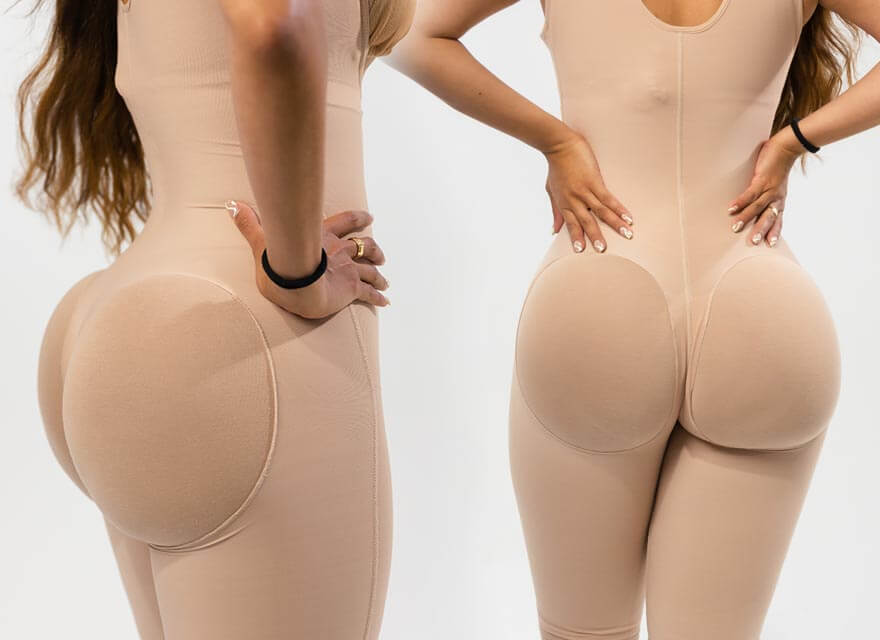
Preventing sagging is another significant benefit of compression garments. After liposuction, the absence of excess fat can lead to sagging if the skin does not retract adequately. These garments maintain firm pressure on the treated areas, which helps combat this issue.
Patients who wear compression garments are less likely to experience visible skin after surgery. This proactive approach reduces the chances of needing further procedures, such as skin removal surgery or skin reconstruction.
Maintaining consistent pressure also minimizes swelling, which can contribute to loose skin issues. By controlling swelling, these garments assist in creating a more defined body shape sooner.
Emotional Well-being
Experiencing changes in body shape can be emotional for many individuals. Compression garments provide psychological comfort as well. Knowing that they are taking steps to improve their appearance helps boost confidence.
Feeling supported by these garments can lessen anxiety about post-surgical outcomes. Many patients report feeling more secure and satisfied with their bodies while wearing them.
Ensuring Proper Fit
Accurate Measurements
Proper fit is crucial for compression garments. Precise measurements are necessary to achieve optimal compression levels. Patients must measure their body carefully before selecting a garment. This includes measuring the waist, hips, and thighs. Each measurement should be taken at the widest point.
Using these measurements helps in choosing the right size. A correct fit ensures that the garment provides adequate support during recovery. It also aids in shaping the new body shape effectively. If the garment is too loose, it won’t provide enough compression. Conversely, if it’s too tight, it can cause discomfort.
Balanced Compression
Excessive tightness in compression garments can impede circulation. This can lead to complications during recovery. Discomfort may arise from garments that are overly constrictive. Patients should feel snugness but not pain when wearing their garments.
Even pressure distribution is vital across all treated areas. Uneven pressure can lead to swelling or fluid retention. This may affect the overall results of the liposuction procedure. Therefore, patients should adjust their garments as needed to ensure balanced compression.
Stretchiness Matters
The stretchiness of a garment plays a significant role in its effectiveness. Compression garments made of high-quality materials offer better elasticity. This allows them to conform to the body’s new shape after liposuction.
Patients should look for garments that maintain their shape over time. High-stretch fabrics help accommodate changes in body contours during recovery. They provide comfort while ensuring effective compression.
Monitoring Fit Over Time
As healing progresses, the fit of compression garments may change. Body swelling often decreases, altering how the garment fits. Patients should regularly check for any signs of looseness or tightness.
If a garment feels too loose, it might need replacing with a smaller size. If it feels too tight, adjustments might be necessary to avoid complications. Regular monitoring ensures that patients receive consistent support throughout their recovery journey.
Importance of Guidance
Consulting with healthcare professionals is essential when selecting compression garments. Surgeons often provide recommendations based on individual needs and body types. Following these guidelines helps ensure proper fit and function.
Patients should also ask questions about the best materials and styles for their recovery process. Gaining insights from professionals can lead to better outcomes and a smoother recovery experience.
Recommended Duration
Follow Guidelines
Surgeons provide specific guidelines for wearing compression garments. Following these instructions is crucial for a smooth recovery. The recommended duration often varies based on individual needs. Typically, patients should wear the garment continuously for at least three to six weeks after surgery. This timeframe helps reduce swelling and supports healing.
Initial Weeks
In the first few weeks post-surgery, wearing compression garments is essential. They help maintain pressure on the treated areas. This pressure can prevent fluid buildup and promote better blood circulation. Patients must keep the garment on day and night during this period.
Gradual Reduction
As healing progresses, patients can gradually reduce their wear time. By the fourth to sixth week, many people start to take breaks from wearing the garment. Swelling usually decreases significantly by this point. However, it’s important to listen to your body and follow your surgeon’s advice.
Monitoring Progress
Monitoring recovery is vital during this period. Patients should pay attention to how their body responds to the compression garment. If any discomfort or unusual symptoms occur, consulting with a healthcare provider is necessary. Adjustments may be needed based on individual recovery rates.
Long-Term Benefits
Wearing compression garments has long-term benefits as well. They help shape the body as it heals. Proper use can lead to smoother skin texture and improved contouring of the treated areas. Following the recommended duration ensures that patients maximize these benefits.
Emotional Impact
The emotional aspect of recovery also matters. Many patients feel more confident when they see positive results from their surgery. Compression garments can aid in achieving those results faster. Feeling good about one’s appearance boosts self-esteem.
Care and Maintenance
Washing Garments
Regular washing of compression garments is crucial. It helps maintain hygiene and elasticity. After cosmetic procedures like liposuction, these garments can collect sweat and bacteria. Washing them keeps the skin healthy and prevents infections.
Use mild detergent and cold water for washing. Avoid bleach or fabric softeners as they can damage the fabric. Hand washing is often recommended to ensure gentle care. If using a washing machine, select a delicate cycle.
Drying should also be handled carefully. Air drying is best to keep the garment’s shape. Do not use a dryer, as heat can weaken the material.
Inspecting for Wear
Inspecting compression garments regularly is important. Look for signs of wear such as tears or stretched areas. If the garment loses its compression, it may not provide the necessary support during recovery.
Replace any worn-out garments immediately. Compression that is too loose will not aid in recovery after cosmetic operations. Proper fit is essential for effective healing.
Following Care Instructions
Follow specific care instructions provided by your surgeon or manufacturer. These guidelines help prolong the lifespan of your garments. Each brand may have different recommendations based on materials used.
e garments may require special cleaning methods or specific washing temperatures. Adhering to these instructions ensures you get the most benefit from your investment.
Compression garments play a significant role in recovery after procedures like liposuction. They help reduce swelling and support the body’s healing process. Proper care can enhance their effectiveness and longevity.
People recovering from cosmetic procedures should prioritize maintenance tasks. This includes regular cleaning, inspections, and adherence to care instructions.
Risks of Skipping Use
Prolonged Swelling
Not wearing compression garments after liposuction can lead to prolonged swelling. These garments help reduce fluid buildup in the treated areas. Without them, the body may struggle to manage this fluid. This can cause swelling to last much longer than necessary.
Patients often experience discomfort due to this lingering swelling. It may take weeks or even months for the body to heal properly without the support of compression wear.
The risk of uneven healing also increases when compression is skipped. Inconsistent pressure can affect how tissues settle after surgery. This unevenness can lead to irregular contours, which most patients wish to avoid.
Suboptimal Surgical Results
Skipping compression garments can result in suboptimal surgical results. These garments are designed to provide support during recovery. They help keep the skin close to the underlying tissue. This closeness promotes better healing and a smoother appearance.
Without this support, patients may notice lumps or bumps where fat was removed. This can be disappointing for those who expected a more contoured look.
Research shows that proper use of compression garments leads to better outcomes. A study published in the “Aesthetic Surgery Journal” found that patients who wore compression garments reported higher satisfaction levels with their results.
Increased Discomfort
Discomfort is another significant risk when patients skip wearing compression garments. After surgery, the body undergoes trauma from the procedure. Compression helps minimize pain by reducing swelling and providing stability.
Without these benefits, patients might experience increased pain levels. This discomfort can make it challenging to perform daily activities or follow post-operative care instructions.
Moreover, delayed recovery timelines often occur when compression is not used. Patients may find themselves taking longer off work or postponing activities they enjoy. This added time can lead to frustration and disappointment.
Closing Thoughts
Compression garments are crucial for your liposuction recovery. They support healing, reduce swelling, and help manage excess skin. Wearing them properly ensures you get the full benefits and minimizes risks. Following care guidelines keeps your garments effective throughout the recovery process.
Don’t underestimate their role in your journey to a smoother recovery. Prioritize finding the right fit and sticking to recommended wear times. Your body deserves the best support possible! Take action today by investing in quality compression garments and committing to your recovery plan. Your future self will thank you!
Frequently Asked Questions
What are compression garments?
Compression garments are specialized clothing designed to apply pressure to specific areas of the body. They help support healing after liposuction by reducing swelling and promoting circulation.
How do compression garments aid in recovery?
These garments enhance blood flow, minimize swelling, and speed up the healing process. They also provide comfort and stability to the treated areas during recovery.
Can compression garments help with excess skin?
Yes, wearing compression garments can help manage excess skin by providing support and encouraging skin contraction as your body heals post-liposuction.
How should I ensure a proper fit for my garment?
Choose a garment that fits snugly but is not overly tight. Consult your surgeon for sizing recommendations based on your body shape and the areas treated.
How long should I wear compression garments after surgery?
Typically, it’s recommended to wear them for 4 to 6 weeks post-surgery. Your surgeon may adjust this duration based on your individual recovery progress.
What care and maintenance do compression garments require?
Wash them regularly according to the manufacturer’s instructions. Avoid fabric softeners and dryer heat to maintain elasticity and effectiveness.
What are the risks of not wearing compression garments?
Skipping compression can lead to increased swelling, prolonged recovery time, and potential complications such as fluid accumulation or uneven results from liposuction.
 Directions
 Call Us
 Email Us