
Ethnic Considerations in Fat Transfer Techniques for Diverse Populations
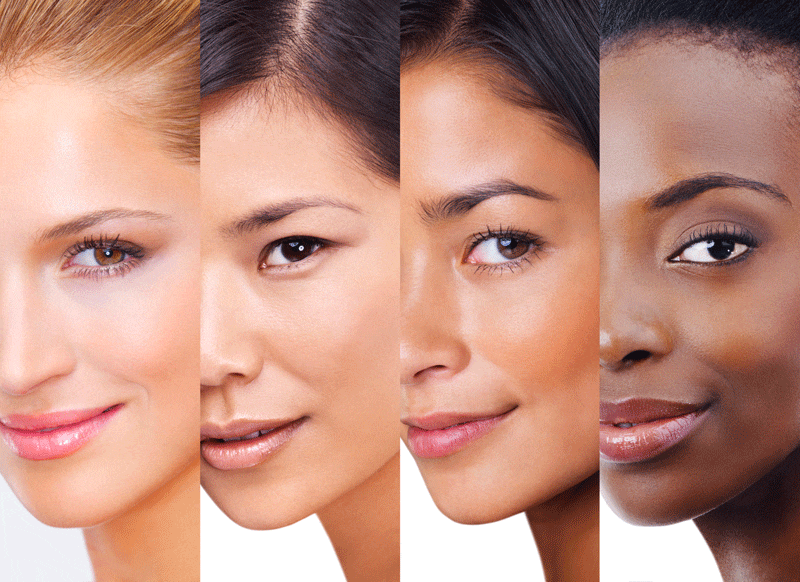
Did you know that ethnic background can significantly influence the outcomes of fat transfer procedures? Understanding ethnic considerations in fat transfer is crucial for achieving natural-looking results. Different skin types and body compositions can affect how fat is absorbed and retained.
Tailoring techniques to individual needs ensures better satisfaction and fewer complications. Factors like skin elasticity, fat distribution, and healing responses vary across ethnic groups. This knowledge helps practitioners make informed choices during consultations and procedures. By focusing on these unique aspects, patients can enjoy a smoother experience and optimal results. Embracing ethnic considerations leads to personalized care that respects diversity in beauty.
Key Takeaways
- Understand that fat transfer techniques must be tailored to fit the unique anatomical differences across ethnicities, ensuring better results for each individual.
- Recognize the cultural influences on aesthetic goals, as these can significantly impact patient expectations and satisfaction with fat transfer procedures.
- Be aware of specific considerations when performing fat transfer in different ethnic groups, including African Americans, Asians, Caucasians, and Hispanics, to address their unique needs effectively.
- Stay informed about potential complications that may arise in diverse populations and develop strategies to manage them proactively.
- Utilize case studies or examples from the article to guide your practice and improve communication with patients regarding their desired outcomes.
- Engage in continuous education and training to enhance your skills in ethnic considerations for fat transfer, ultimately leading to more successful procedures and satisfied patients.
Understanding Fat Transfer
Definition
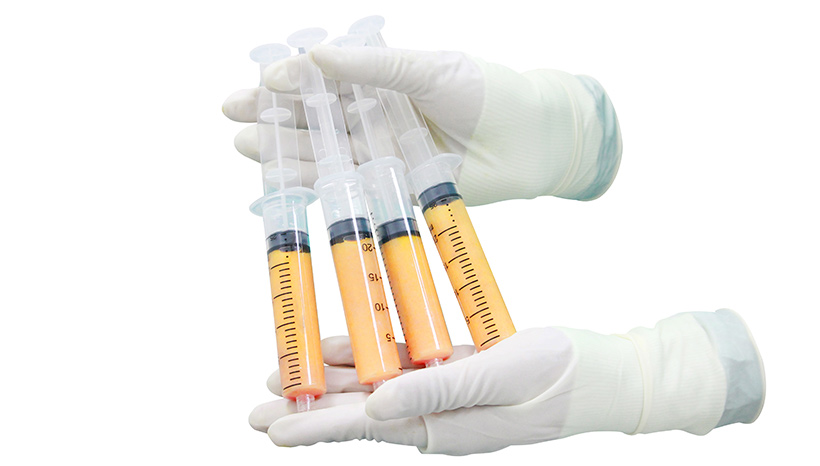
Fat transfer is a cosmetic procedure. It involves removing fat from one area of the body and injecting it into another. Common areas for fat removal include the abdomen, thighs, and flanks. Surgeons use liposuction to extract this fat. Once harvested, they purify it before injection. This technique allows for natural enhancement of body contours.
Popularity
Fat transfer has gained significant popularity in recent years. Many people seek procedures like buttock augmentation. This method offers a more natural alternative to implants. Patients appreciate that it uses their own body fat. This reduces the risk of rejection or complications. The results can provide a fuller appearance without synthetic materials.
Patient-Specific Goals
Understanding patient-specific goals is crucial. Each person has unique expectations for their results. Some may desire a subtle enhancement, while others want dramatic changes. Discussing these goals during consultations helps align expectations with outcomes. Surgeons must consider factors such as body type and skin elasticity.
Cultural Considerations
Cultural background influences perceptions of beauty. Different ethnic groups have varying ideals regarding body shape and size. For instance, some cultures may favor fuller hips and buttocks. Others might prefer a slimmer silhouette. Surgeons should consider these preferences when discussing fat transfer options.
Risks and Complications
Like any surgical procedure, fat transfer carries risks. Possible complications include infection, scarring, and uneven results. Understanding these risks is essential for patients. They must weigh the benefits against potential downsides before proceeding.
Recovery Process
The recovery process varies among individuals. Most patients experience swelling and bruising at the injection site. These symptoms usually subside within weeks. Following post-operative instructions is vital for optimal healing. Patients should avoid strenuous activities during recovery.
Long-Term Results
Long-term results depend on various factors. The amount of fat transferred plays a role in how long the effects last. Some fat may be absorbed by the body over time, leading to changes in appearance. Regular follow-ups with the surgeon can help monitor progress.
Cultural Influence on Aesthetic Goals
Beauty Standards
Cultural backgrounds heavily influence how people perceive beauty. Different cultures have unique standards regarding body shapes and sizes. For example, in some Western cultures, a slim figure is often idealized. In contrast, other cultures may celebrate curvier bodies as signs of health and fertility. This variation affects individuals’ aesthetic goals when considering fat transfer procedures.
Societal Norms
ietal norms play a significant role in shaping these beauty ideals. Many societies reinforce specific body shapes through media and advertising. Television shows, movies, and social media platforms often portray certain looks as desirable. This can lead to pressure on individuals to conform to these standards. For instance, the rise of social media influencers has created new trends in body image. People often seek to emulate their favorite stars, which can drive them toward cosmetic procedures like fat transfer.
Culturally Sensitive Practices
Surgeons must be aware of these cultural influences when discussing aesthetic procedures with patients. Understanding a patient’s background helps create a more personalized experience. Surgeons should ask questions about their patients’ cultural beliefs and values related to beauty. This approach ensures that the treatment aligns with the patient’s expectations and desires.
For instance, a patient from a culture valuing fuller figures might have different goals than someone from a culture that prizes thinness. By recognizing these differences, surgeons can tailor their recommendations accordingly.
Media Influence
Media also plays a crucial role in defining desirable body shapes across various cultures. Advertisements often showcase idealized images that reflect societal preferences. These images can create unrealistic expectations for body appearance. As a result, many individuals feel pressured to undergo cosmetic procedures.
The impact of media on body image is profound. Studies show that exposure to idealized body types can lead to dissatisfaction with one’s own body. This dissatisfaction often drives individuals to seek solutions like fat transfer.
Importance of Communication
Effective communication is vital in addressing these cultural considerations. Surgeons should foster open discussions about beauty perceptions with their patients. This dialogue can help clarify what each patient hopes to achieve with fat transfer.
Anatomical Differences Across Ethnicities
Fat Distribution
Fat distribution varies significantly across different ethnic groups. For example, individuals of African descent often have a higher percentage of body fat in the lower body. This contrasts with Caucasian individuals, who may store more fat in the abdominal area.
These differences affect how fat transfer procedures are planned. Surgeons must consider where the fat is harvested and injected based on these patterns. Understanding this can lead to better aesthetic outcomes.
Skin Characteristics
Skin characteristics also differ among ethnicities. People of Asian descent usually have thicker dermal layers compared to those of European descent. This thickness can impact how skin responds to surgical procedures.
Thicker skin may require different techniques during fat transfer. Surgeons need to adapt their methods to ensure optimal results. Not addressing these variations can lead to complications or unsatisfactory results.
Surgical Planning
Surgical planning must take into account these anatomical differences. Each ethnic group has unique features that influence the approach taken during fat transfer.
For instance, a patient with thinner skin may need smaller incisions to minimize scarring. In contrast, someone with thicker skin might tolerate larger incisions without significant issues.
Surgeons should evaluate each patient’s anatomy carefully before proceeding. This personalized approach enhances safety and effectiveness.
Personalized Approaches
Personalized approaches are essential for successful fat transfer procedures. Recognizing anatomical diversity leads to better patient satisfaction.
Surgeons should conduct thorough consultations before surgery. These discussions should include the patient’s aesthetic goals and their specific anatomical traits.
By combining this information, surgeons can create tailored treatment plans. This ensures that the procedure aligns with the patient’s expectations while accommodating their unique features.
Outcomes and Considerations
The outcomes of fat transfer procedures can vary based on anatomical considerations. Patients from different ethnic backgrounds may experience different healing processes and results.
Surgeons must remain aware of these factors throughout the procedure and recovery. They should provide clear guidance on what patients can expect based on their individual circumstances.
Understanding these anatomical differences allows for improved surgical outcomes and patient experiences. It helps build trust between the surgeon and patient, fostering a collaborative atmosphere.
Tailored Techniques for Diverse Groups
Customized Approaches
Surgeons must adopt customized surgical techniques that reflect ethnic variations in body structure. Each ethnic group has unique features. These differences can affect fat distribution, skin texture, and overall body shape. For example, individuals of African descent often have different subcutaneous fat distribution compared to those of Asian descent. Recognizing these variations is crucial for achieving optimal results.
Using ethnically appropriate methods helps create natural-looking outcomes. This approach ensures that the results enhance the patient’s features rather than alter them. A technique that works well for one ethnic group may not yield the same results for another. Surgeons should consider these factors when planning a fat transfer procedure.
Importance of Ethnic Considerations
Ethnic considerations play a significant role in aesthetic procedures like fat transfer. Understanding cultural perceptions of beauty is vital. Different cultures may value certain body shapes and proportions over others. For instance, some cultures may prefer a fuller appearance in specific areas, while others lean toward a slimmer physique.
Surgeons need to communicate with patients about their expectations and desires. This dialogue helps ensure that the final results align with the patient’s vision. By respecting these cultural nuances, surgeons can foster trust and satisfaction among their clients.
Continuous Education
Ongoing education and training are essential for surgeons working with diverse populations. Medical professionals should keep up with the latest research on ethnic differences in anatomy and aesthetics. Workshops and seminars focused on these topics can help refine their skills.
Surgeons can benefit from learning about various techniques tailored to different ethnicities. This knowledge allows them to apply the most effective methods during fat transfer procedures. They should also engage with peers who specialize in diverse populations to share insights and experiences.
Incorporating this education into practice leads to better patient care. It empowers surgeons to make informed decisions based on individual needs rather than a one-size-fits-all approach.
Fat Transfer in African Americans
Common Desires
Many African Americans seek buttock augmentation for enhanced volume and projection. This desire is often influenced by cultural standards of beauty. A fuller silhouette has become a popular trend. Patients generally want to achieve a natural look while enhancing their curves.
Surveys show that a significant number of individuals express interest in procedures that offer these enhancements. They often prefer fat transfer methods over implants. Fat transfer provides a more organic feel and integrates better with the body.
Unique Considerations
Addressing unique skin elasticity is crucial in fat transfer procedures for African American patients. Skin elasticity varies among different ethnic groups. For many African Americans, skin tends to be thicker and more elastic. This can affect how the body responds to fat grafting.
Fat distribution patterns also differ significantly. Many African American patients have a higher percentage of subcutaneous fat in certain areas. Surgeons must consider these factors when planning the procedure. Proper assessment helps ensure optimal results.
Techniques may include strategic placement of fat to enhance specific areas. Surgeons often use various liposuction methods to harvest fat effectively. They might combine this with techniques tailored to the patient’s individual needs.
Successful Case Studies
Several successful case studies highlight techniques specifically designed for African American patients. One notable example involved a patient who desired fuller hips and buttocks. The surgeon used a combination of liposuction and fat grafting to achieve her desired look.
The procedure took into account her unique skin texture and body shape. The results were impressive, with significant enhancement without compromising natural appearance. Follow-up assessments showed sustained results after several months.
Another case involved a patient focused on achieving balance between her upper and lower body proportions. The surgeon utilized advanced techniques to ensure even distribution of the transferred fat. This approach led to a harmonious overall appearance.
Techniques Tailored for Patients
Surgeons are increasingly adopting specialized techniques for African American patients. These include careful pre-operative assessments and customized surgical plans. Utilizing advanced imaging technology helps visualize fat distribution accurately.
Patients benefit from surgeons who understand ethnic considerations in aesthetic procedures. This understanding leads to better outcomes and increased satisfaction rates.
Education plays an essential role in this process as well. Surgeons should inform patients about what to expect during recovery and the importance of follow-up visits.
Fat Transfer in Asians
Subtle Enhancements
Asians often prefer subtle enhancements when it comes to fat transfer. Many seek a natural look that maintains their unique features. This preference leads to an emphasis on enhancing contours rather than making drastic changes.
The goal is to achieve balance and proportion. Patients want results that fit their overall appearance. For instance, adding volume to the cheeks can create a youthful look without altering the face’s structure. This approach allows individuals to feel more confident while preserving their ethnic identity.
Limited Fat Availability
Limited fat availability presents a challenge in fat transfer procedures for some Asians. In many cases, patients have less body fat compared to other ethnic groups. This can make it difficult to harvest enough fat for effective transfer.
Surgeons must assess each patient’s body composition carefully. They often recommend techniques that require minimal fat removal. This ensures that the donor site remains aesthetically pleasing while providing enough volume for transfer.
Skin Thickness Considerations
Skin thickness also plays a role in the effectiveness of fat transfer in Asians. Generally, Asian skin tends to be thicker and has different structural properties than other skin types. This can affect how the transferred fat integrates into the surrounding tissue.
Surgeons need to consider these factors during the procedure. They may opt for specific injection techniques that promote better integration of the fat. Using smaller cannulas can help minimize trauma to the skin and improve healing.
Techniques for Harmony
Surgeons prioritize harmony with existing body contours during fat transfer procedures for Asians. Techniques such as micro-fat grafting are frequently used. This method involves injecting small amounts of fat into targeted areas, allowing for precise sculpting.
Another technique is using ultrasound-assisted liposuction. This method helps break down fat cells before extraction, making it easier to harvest from areas with limited fat. It also minimizes damage to surrounding tissues.
These approaches ensure a more natural appearance post-procedure. Patients enjoy results that enhance their features without looking overdone or artificial.
Fat Transfer in Caucasians
Individualized Plans
Caucasians represent a diverse group. This diversity includes variations in body shape and fat distribution. Each person has unique needs for fat transfer procedures. Therefore, individualized treatment plans are essential. Surgeons must assess factors like body type and desired outcomes. This tailored approach helps achieve the best results.
Common Goals
Many Caucasian patients seek fat transfer to enhance their appearance. Common goals include creating a more balanced silhouette and enhancing curves. Individuals often desire fuller breasts or rounded buttocks. These changes can boost confidence and improve self-image.
Fat transfer techniques allow for natural-looking enhancements. By using the patient’s own fat, the risk of rejection decreases. Patients appreciate this method because it provides subtle yet effective results.
Skin Tone and Texture
Skin tone and texture play critical roles in procedural planning. Surgeons must consider these aspects when performing fat transfer. Different skin types respond differently to surgical techniques. For example, fair skin may show bruising more than darker skin tones.
Surgeons should also evaluate skin elasticity. Tighter skin may hold fat better than looser skin. Understanding these differences helps ensure successful outcomes.
Cultural Sensitivity
Cultural backgrounds influence beauty standards among Caucasian individuals. Some may prefer a more natural look, while others lean towards dramatic changes. Surgeons must navigate these preferences carefully. They should communicate openly with patients to understand their desires.
This cultural sensitivity fosters trust between the patient and surgeon. It also leads to more satisfying results, as patients feel heard and valued.
Recovery Considerations
Recovery from fat transfer varies among individuals. Caucasian patients might experience different healing patterns compared to other ethnic groups. Factors such as skin type and overall health impact recovery time.
Surgeons should provide clear post-operative instructions tailored to each patient’s needs. This guidance helps minimize complications and ensures a smoother recovery process.
Fat Transfer in Hispanics
Cultural Appreciation
Hispanic culture often values pronounced curves and fuller figures. This appreciation influences beauty standards across various communities. Many individuals seek to enhance their natural shape through fat transfer procedures. The goal is to achieve a silhouette that aligns with cultural ideals.
Desired Aesthetics
Lateral buttock and thigh fullness play significant roles in the desired aesthetic for many Hispanic women. These features contribute to a more balanced and appealing body proportion. Procedures that focus on these areas help create a harmonious look. This desire reflects a broader trend within the community, where fuller figures are celebrated as symbols of femininity.
Recommended Techniques
Techniques that enhance natural body lines are crucial in fat transfer procedures. Surgeons should focus on methods that respect ethnic ideals while achieving desired results. For instance, using liposuction to harvest fat from areas like the abdomen or thighs can create a more contoured appearance.
Injecting this fat into the buttocks or hips can enhance curves without appearing artificial. The use of autologous fat ensures that the results look natural. This method allows for a more personalized approach, tailored to each individual’s body type.
Surgeons must also consider the unique anatomical structures present in Hispanic patients. Understanding these differences helps in planning effective procedures. It ensures that enhancements align with cultural preferences.
Post-Procedure Considerations
Post-operative care is essential for optimal results. Patients should follow their surgeon’s instructions closely. Proper recovery techniques will aid in maintaining the newly enhanced figure.
Patients may need to avoid sitting directly on the buttocks for a few weeks after the procedure. This precaution prevents pressure on the injected fat, ensuring it integrates well into the body. Keeping hydrated and following a healthy diet also supports healing.
Emotional Impact
The emotional impact of fat transfer is significant for many Hispanic patients. Achieving an ideal body shape can boost self-esteem and confidence. Many report feeling empowered after their procedures.
Cultural expectations can weigh heavily on individuals regarding their appearance. Thus, cosmetic enhancements can provide relief from societal pressures. They allow individuals to embrace their identity while feeling comfortable in their skin.
Managing Complications in Diverse Populations
Potential Complications
Fat transfer procedures can lead to several complications. Asymmetry is one common issue. It occurs when the fat is not distributed evenly, leading to an unbalanced appearance. Patients may notice this after the swelling subsides.
Fat necrosis is another potential complication. This happens when the transferred fat cells die due to insufficient blood supply. It can result in hard lumps under the skin. These lumps may be painful or cause discomfort.
Infection is a critical concern as well. Any surgical procedure carries the risk of infection. Signs include redness, warmth, and discharge at the site of the injection. Prompt treatment is essential to prevent further complications.
Importance of Preoperative Assessment
Preoperative assessment plays a vital role in minimizing risks across different ethnicities. Each ethnic group may have unique anatomical features and skin types. Surgeons must evaluate these factors before proceeding.
A thorough medical history review helps identify any pre-existing conditions that could complicate surgery. For example, patients with darker skin tones may be more prone to hyperpigmentation after surgery. Surgeons should discuss these risks with their patients.
Understanding cultural perspectives on beauty can also guide surgeons in their approach. Different ethnic groups may have varying expectations for results. Setting realistic goals can lead to higher satisfaction rates post-surgery.
Tailored Post-Operative Care
Post-operative care must be tailored to meet the specific needs of diverse patient groups. Each ethnicity may respond differently to fat transfer treatments. Therefore, care plans should reflect these differences.
For instance, patients from certain backgrounds might be more susceptible to scarring or skin discoloration. Providing detailed aftercare instructions can help manage these issues effectively.
Surgeons should also encourage open communication during recovery. Patients should feel comfortable discussing any concerns they experience post-surgery. This feedback can help address complications early on.
Cultural sensitivity in post-operative care enhances patient trust and comfort levels. Educating patients about what to expect during recovery is crucial. This includes managing pain, recognizing signs of complications, and understanding follow-up appointments.
Final Remarks
Understanding ethnic considerations in fat transfer is crucial for achieving optimal results. Each ethnic group has unique anatomical features and aesthetic goals that require tailored approaches. By recognizing these differences, you can enhance patient satisfaction and minimize complications.
Embrace the diversity of your clientele. Use this knowledge to refine your techniques and provide personalized care. Stay informed about evolving practices to ensure you meet the needs of all patients effectively. The journey towards inclusivity in aesthetic treatments is ongoing. Make it a priority in your practice. Start today by integrating these insights into your consultations and procedures. Your commitment to understanding and respecting cultural nuances will set you apart in the industry.
Frequently Asked Questions
What is fat transfer?
Fat transfer, also known as lipofilling, involves removing fat from one area of the body and injecting it into another. This procedure enhances volume and contour, commonly used in cosmetic surgery.
Why are ethnic considerations important in fat transfer?
Ethnic considerations are crucial because cultural preferences and anatomical differences influence aesthetic goals. Understanding these factors ensures personalized treatment plans that achieve desired outcomes.
How do anatomical differences affect fat transfer techniques?
Anatomical differences across ethnicities can impact the distribution of fat, skin elasticity, and facial structure. Tailoring techniques to these variations helps achieve natural-looking results.
What are common aesthetic goals for African Americans regarding fat transfer?
African American patients often seek enhanced curves and volume in areas like the hips and buttocks. Techniques may be adjusted to align with these specific preferences.
How does fat transfer differ for Asian patients?
Asian patients may prioritize subtlety and natural appearance. Techniques often focus on enhancing facial features without over-projection, ensuring harmony with existing structures.
What should Caucasian patients consider before a fat transfer?
Caucasian patients may desire fuller lips or cheeks. It’s essential to discuss individual goals and anatomical considerations to ensure satisfactory outcomes tailored to their unique features.
Are there specific complications associated with fat transfer in diverse populations?
Yes, complications can vary based on skin type and anatomy. It’s vital to choose an experienced surgeon familiar with ethnic variations to minimize risks and manage any potential issues effectively.
 Directions
 Call Us
 Email Us