
Ethnic and Gender Considerations in the Use of Filler Treatments for Diverse Skin Types
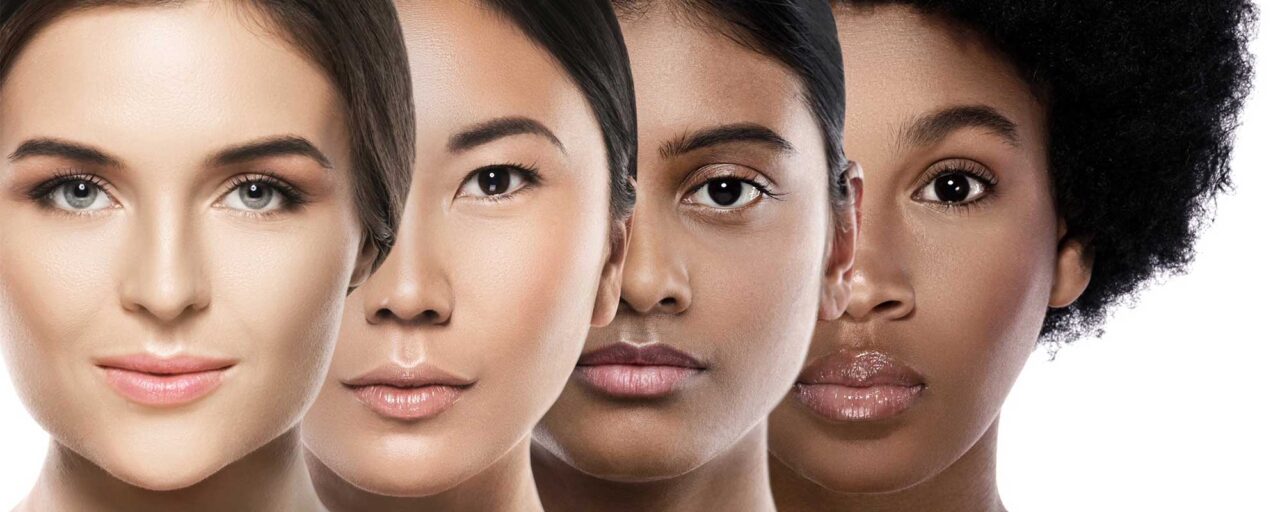
Understanding ethnic considerations in filler treatments is crucial for achieving the best results. Different skin types and tones react uniquely to fillers. This diversity can affect everything from product choice to injection techniques.
Ignoring these factors can lead to complications or unsatisfactory outcomes. Tailoring treatments to individual needs enhances safety and effectiveness. Practitioners must be aware of cultural preferences and aesthetic ideals. This knowledge builds trust and ensures clients feel valued. By focusing on ethnic considerations, we can improve patient satisfaction and overall success in cosmetic procedures.
Key Takeaways
- Understand the diverse needs of different ethnic groups when considering filler treatments to ensure effective and satisfying results.
- Recognize that both universal and ethnic rejuvenation insights can guide you in choosing the right approach for your skin type.
- Adapt injection techniques based on individual skin characteristics to minimize risks and enhance outcomes.
- Practice cultural sensitivity by being aware of the unique preferences and values of clients from various backgrounds.
- Acknowledge gender differences in filler use to tailor treatments that meet the specific aesthetic goals of male and female clients.
- Develop personalized treatment plans that address unique facial structures, ensuring each client receives the best possible care.
Understanding Ethnic Diversity in Filler Treatments
Facial Structures
Facial fillers should not be a one-size-fits-all solution. Different ethnicities have distinct facial structures. For instance, some cultures may have fuller cheeks, while others might feature more pronounced jawlines. Recognizing these variations is crucial for achieving natural results.
Practitioners must assess the unique characteristics of each patient. This includes examining skin thickness and fat distribution. Personalized treatment plans can enhance the effectiveness of filler treatments. A tailored approach ensures that the results align with what the patient envisions.
Aesthetic Desires
Cultural backgrounds influence aesthetic desires. Patients from various ethnic groups often have specific beauty standards. These standards shape their expectations for filler treatments. For example, some may seek to enhance their cheekbones, while others might want to soften facial features.
Understanding these desires helps practitioners meet patient needs. They can create plans that reflect individual goals. This personalized care fosters trust and satisfaction among clients.
Cultural Standards
Cultural beauty standards play a significant role in treatment outcomes. Each ethnicity has its own ideals of beauty. These ideals can affect how patients perceive themselves and their desired look.
For instance, in some cultures, a fuller lip may be considered attractive, while others may prefer a subtler appearance. Practitioners should be aware of these differences when discussing treatment options.
Market Insights
The facial filler market is evolving rapidly. It is essential to understand how ethnic considerations impact this growth. As diversity increases in populations, so does the demand for specialized treatments.
Companies are beginning to recognize the need for products that cater to different ethnic groups. This shift leads to more inclusive marketing strategies and product development. Practitioners who stay informed about these trends can better serve their patients.
Training and Education
Training is vital for professionals offering filler treatments. Education programs should include modules on ethnic diversity. This training prepares practitioners to address varying anatomical features effectively.
Knowledge about skin types and potential complications is essential. Practitioners must learn how different skin tones react to fillers and other procedures. This understanding leads to safer, more effective treatments.
Universal and Ethnic Rejuvenation Insights
Universal Beauty Ideals
Beauty standards often vary across cultures. However, some ideals remain universal. Smooth skin, symmetrical features, and a youthful appearance are often sought after globally. These traits define universal beauty standards.
Ethnic-specific rejuvenation needs differ from these general ideals. For instance, different ethnic groups have unique facial structures and features. The same filler treatment may not yield the same results for everyone.
Ethnic-Specific Needs
Understanding ethnic face types is crucial in aesthetic practices. Each ethnicity has distinct characteristics that influence treatment outcomes. For example, individuals of African descent may have fuller lips and broader noses. In contrast, those of Asian descent might have flatter profiles.
Practitioners must consider these differences when recommending fillers. Tailoring treatments to meet ethnic-specific needs enhances satisfaction and results. This approach acknowledges diversity and promotes better outcomes.
Neoclassical Influences
Neoclassical beauty canons have shaped modern aesthetic practices. These canons emphasize certain proportions and shapes as ideal. For example, the golden ratio often guides aesthetic procedures.
However, applying these standards without considering ethnicity can lead to unsatisfactory results. Aesthetic practitioners should blend neoclassical ideals with ethnic realities. This balance ensures that enhancements respect individual features while achieving desired outcomes.
Key Facial Features
Certain facial features are commonly enhanced with fillers. Cheeks, lips, and jawlines are popular areas for treatment. Enhancing these areas can improve overall facial harmony.
Facial features vary significantly among ethnic groups. For instance, a fuller lip is often desirable in many cultures but may not suit every face type. Recognizing these variances helps practitioners make informed decisions about filler applications.
- Commonly Enhanced Features:
- Lips
- Cheeks
- Jawlines
Practitioners should assess each client’s unique features before proceeding with treatment. This assessment allows for personalized approaches that cater to individual needs.
Injection Techniques for Different Skin Types
Importance of Selection
Selecting the right injection technique is crucial. Individual skin characteristics play a significant role in how dermal fillers perform. Each person’s skin type and texture can vary widely. This variation influences the choice of filler and technique used. For example, thicker skin may require deeper injections, while thinner skin benefits from more superficial placements.
Facial injection areas also differ based on skin type. Areas such as the cheeks, lips, and brow can react differently to fillers. Understanding these differences ensures better results and patient satisfaction.
Skin Elasticity and Thickness
Skin elasticity impacts the effectiveness of dermal filler procedures. More elastic skin can hold fillers better, leading to longer-lasting results. On the other hand, less elastic skin may not retain fillers as well. This difference can affect where fillers are placed.
Thickness of the skin also matters. Thicker skin allows for deeper injections, such as deep cheek injections. These injections provide volume but must be administered carefully to avoid complications. Conversely, thinner skin requires caution during injection to prevent bruising or overfilling.
Complications and Considerations
Different skin types come with unique challenges during filler treatments. For instance, darker skin tones may have a higher risk of hyperpigmentation after treatment. Practitioners must use specific techniques to minimize this risk.
e individuals may have underlying conditions affecting their skin’s response to fillers. Conditions like rosacea or eczema can complicate treatment plans. Practitioners should assess these conditions before proceeding with any cosmetic procedure.
Potential complications also include lumps or unevenness in filler placement. Practitioners must be skilled in adjusting techniques based on each patient’s skin characteristics. Proper training through cosmetic dermatology courses is essential for achieving optimal results.
Injection Techniques
Commonly used fillers include hyaluronic acid fillers. These are versatile and suitable for various skin types. They can be used in different facial injection areas, such as lips and cheeks.
Direct brow injection is another technique that requires careful consideration of individual skin characteristics. It enhances brow definition without compromising natural appearance.
Practitioners must stay updated on advancements in techniques and products. Continuous education ensures they provide safe and effective treatments tailored to each patient’s needs.
Cultural Sensitivity in Aesthetic Procedures
Understanding Norms
Cultural sensitivity is crucial in aesthetic procedures. Each culture has its own standards of beauty. Practitioners must recognize these differences to provide effective care. For example, certain cultures may favor fuller lips or a more pronounced jawline.
Understanding these norms helps cosmetic surgeons address the cosmetic concerns of diverse patients. It builds trust and improves satisfaction with aesthetic treatments. When practitioners respect cultural values, they create a better patient experience.
Respecting Preferences
Respecting cultural preferences is essential for successful aesthetic enhancement. Patients often have unique ideas about what looks good based on their background. This may include preferences for specific techniques or products used during procedures.
Practitioners should ask open-ended questions during consultations. This encourages patients to express their views on beauty and aesthetics. By doing this, cosmetic surgeons can tailor treatment plans that align with patients’ cultural values.
Open Communication
Open communication between practitioners and patients leads to better outcomes. Cosmetic procedures can be intimidating, especially for those from different backgrounds. Clear dialogue helps alleviate fears and misunderstandings.
Practitioners should discuss the potential results of aesthetic treatments openly. They must ensure that patients understand what to expect before undergoing any procedure. This includes discussing risks and benefits related to specific aesthetic enhancements.
Training and Guidelines
Aesthetic medicine courses increasingly emphasize cultural competence. These guidelines prepare practitioners to handle diverse patient needs effectively. Training programs teach how to approach aesthetic plastic surgery with sensitivity.
Incorporating cultural training into practice enhances the overall quality of care. Practitioners become more adept at recognizing and addressing the unique needs of their patients. This can lead to improved satisfaction rates among various demographics.
Patient-Centered Approach
A patient-centered approach is vital in the aesthetic medicine industry. It prioritizes the patient’s feelings and expectations throughout the process. By focusing on individual experiences, practitioners can foster a supportive environment.
Practitioners should also consider the emotional aspects of cosmetic concerns. Many patients seek aesthetic treatments due to insecurities or societal pressures. Acknowledging these feelings can help build rapport and trust.
Aligning Expectations
Aligning treatment plans with patients’ expectations is key to success in cosmetic procedures. Practitioners should work collaboratively with patients to set realistic goals. This ensures that both parties are on the same page regarding desired outcomes.
Regular follow-ups can help maintain open lines of communication post-treatment. This allows practitioners to adjust plans if necessary, ensuring continued satisfaction.
Gender Differences in Filler Use
Aesthetic Goals
Gender plays a significant role in how individuals approach aesthetic treatments. Men and women often have different aesthetic goals when it comes to fillers. Women typically seek a more youthful, soft appearance. They focus on enhancing features like lips, cheeks, and under-eye areas.
Men, on the other hand, often aim for a more defined look. They may want to enhance their jawline or add volume to their cheeks. This difference in goals influences the choice of fillers used and the techniques applied during treatment.
Common Concerns
Both men and women have common areas of concern regarding filler treatments. For women, wrinkles and volume loss are primary issues. Many seek fillers to combat signs of aging as they reach their 30s and 40s.
Men also worry about aging but may prioritize facial structure over wrinkle reduction. They often express concerns about looking “too soft” or losing masculinity with fillers. Understanding these concerns helps practitioners tailor their approach effectively.
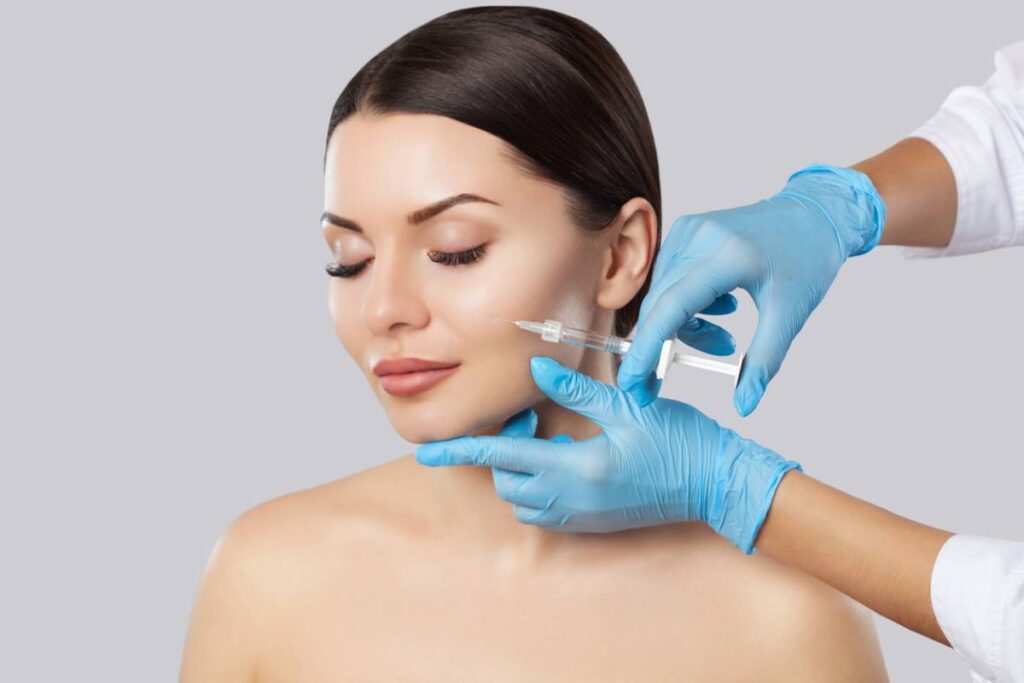
Tailoring Techniques
Tailoring filler techniques is crucial for achieving desired outcomes. Practitioners must consider gender differences when planning treatments. For instance, using different volumes or types of fillers can enhance masculine or feminine features.
For feminine aesthetics, softer fillers may be used around the lips and cheeks to create a plump effect. In contrast, firmer fillers might be better suited for men’s jawlines. This distinction helps maintain natural-looking results that align with individual gender characteristics.
Age Considerations
Age also plays a vital role in filler use. Younger individuals may seek subtle enhancements while older clients often desire more noticeable changes. The approach should adapt based on age-related skin conditions and expectations.
In younger patients, practitioners might focus on prevention by using small amounts of filler to maintain volume. Older patients may require more extensive treatment to address significant volume loss.
Male-specific Filler Considerations
Jawline Enhancement
Jawline enhancement is a popular choice for men seeking a more defined look. Many men prefer a strong jawline as it symbolizes masculinity. Fillers can help achieve this effect without surgery.
A well-defined jawline can improve the overall facial structure. This treatment often involves injecting fillers along the jawbone. The results may last from six months to over a year, depending on the type of filler used.
Chin Augmentation
Chin augmentation also plays a vital role in male aesthetics. A prominent chin can enhance facial balance and proportion. Fillers can add volume to the chin area, creating a more chiseled appearance.
Men may opt for this treatment to correct weak or receding chins. Subtle changes can lead to significant improvements in overall appearance. Many practitioners recommend using hyaluronic acid-based fillers for this purpose.
Natural Results
Men often seek subtle, natural-looking results in filler treatments. They want enhancements that do not appear overly dramatic. A common concern is maintaining a rugged appearance while looking youthful.
Practitioners should focus on achieving balance and harmony in the face. Overfilling can lead to an unnatural look, which many men wish to avoid. Therefore, skilled injectors assess individual facial features carefully before proceeding.
Youthful Yet Rugged Look
Maintaining a rugged yet youthful look is essential for many men. They may worry about looking too polished or feminine after treatment. This concern drives them to seek experienced professionals who understand male aesthetics.
Injectors often suggest starting with conservative amounts of filler. Gradual adjustments allow for more control over the final outcome. Men may find that small tweaks can make a big difference without losing their masculine features.
Common Concerns
Common concerns among men include bruising and downtime after treatment. Many fear that noticeable side effects will hinder their daily activities. Practitioners should provide clear information about post-treatment care.
Men may also express worries about how others perceive changes in their appearance. Open discussions about expectations can help alleviate these concerns. Understanding personal goals allows for better alignment between patient and injector.
Addressing Unique Facial Structures
Facial Anatomy
Facial anatomy varies significantly across different ethnic groups. Each group presents unique facial structures that require careful consideration in filler treatments. For example, individuals with African descent often have fuller cheeks and broader noses. In contrast, those of Asian descent may have flatter midfaces and different eyebrow shapes.
Understanding these differences is crucial for achieving natural results. Practitioners must recognize how facial features can influence the aging process. Some ethnicities may show more pronounced facial wrinkles or facial depressions at an earlier age. This knowledge helps in customizing treatments to meet individual needs.
Midface Reshaping
Reshaping the midface is essential for enhancing overall appearance. Techniques vary depending on the individual’s facial shape and desired outcome. For instance, adding volume to the cheeks can create a youthful look. It also helps smooth out facial lines and improve facial harmony.
Injecting fillers into the midface requires precision. Practitioners should focus on specific areas like the cheekbones and nasolabial folds. These areas often show signs of aging first. By targeting these regions, practitioners can achieve a lifted effect that rejuvenates the face.
Lip Enhancements
Enhancing the lips is another critical aspect of filler treatments. Different ethnic backgrounds influence lip shape and fullness. Some cultures prefer fuller lips, while others favor a more subtle enhancement. Understanding these preferences is vital for successful outcomes.
Practitioners must evaluate the upper lip and its relationship to the lower lip. The ideal ratio varies among individuals but plays a significant role in achieving balance. Customized approaches ensure that enhancements align with the patient’s goals.
The Importance of Knowledge
Anatomical knowledge is key in customizing filler treatments. Practitioners should understand the facial artery locations to avoid complications during injections. Knowing where to inject helps prevent bruising and ensures optimal results.
Understanding how different ethnicities experience facial aging aids in treatment planning. Some may develop sagging skin earlier than others due to genetic factors. Tailoring treatments based on this information leads to better patient satisfaction.
Importance of Tailored Treatment Plans
Individualized Assessments
Creating individualized treatment plans is crucial in filler treatments. Each patient has unique facial structures and aesthetic desires. A thorough assessment helps identify these differences. Specialists must evaluate skin type, age, and ethnic background. This information guides the selection of appropriate fillers.
Patients benefit from personalized approaches. For example, a younger patient may require different techniques than an older one. Ethnic considerations also play a role in how fillers interact with skin. Darker skin tones may have different responses to certain products compared to lighter tones.
Patient Consultation
Effective patient consultation is key to understanding individual needs. During the initial meeting, practitioners should ask about aesthetic goals. Patients often have specific desires for their appearance. Understanding these goals helps shape the treatment plan.
Medical history is equally important. Certain conditions can affect filler outcomes. For instance, patients with allergies or skin sensitivities need special attention. Practitioners should gather this information before proceeding with any treatment.
Open communication builds trust between patients and practitioners. This relationship encourages patients to share concerns or preferences. It also ensures that they feel heard and respected throughout the process.
Ongoing Evaluation
Ongoing evaluation of treatment plans is essential for success. After initial treatments, follow-up appointments allow practitioners to assess results. Adjustments may be necessary based on how well the fillers are working.
For instance, some patients might desire more volume after a few weeks. Others may experience unexpected reactions that require changes in their approach. Regular check-ins help address these issues promptly.
Practitioners should encourage feedback from patients during follow-ups. This dialogue enhances the quality of care provided. It allows for modifications that align with the patient’s evolving aesthetic vision.
Cultural Sensitivity
Cultural sensitivity is another critical element in tailoring treatment plans. Different ethnic backgrounds can influence beauty standards and preferences. Practitioners must recognize these cultural nuances while providing care.
Training in cultural competence can improve patient satisfaction. Understanding what beauty means to diverse groups helps practitioners deliver better results. Patients appreciate when their cultural identity is considered in treatments.
Consideraciones Étnicas en Tratamientos de Rellenos
Understanding ethnic considerations in filler treatments is crucial for achieving optimal results. You need to recognize the diverse needs of different skin types and cultural backgrounds. Tailored treatment plans ensure that each individual receives the care they deserve, enhancing both safety and satisfaction.
Embrace cultural sensitivity and gender differences to elevate your practice. By prioritizing these factors, you can foster trust and establish lasting relationships with your clients. Remember, informed choices lead to better outcomes. Stay ahead of the curve in aesthetic procedures by continually educating yourself on these vital aspects. Take action now—invest in your knowledge and skills to provide exceptional care for every client that walks through your door.
Frequently Asked Questions
What are the key ethnic considerations in filler treatments?
Ethnic considerations include skin type, facial structure, and cultural beauty standards. Tailoring treatments to these factors ensures natural results and enhances patient satisfaction.
How do injection techniques differ among various skin types?
Different skin types require specific techniques for optimal results. For instance, thicker skin may need deeper injections, while thinner skin benefits from more superficial placements to avoid complications.
Why is cultural sensitivity important in aesthetic procedures?
Cultural sensitivity fosters trust and understanding between practitioners and patients. It helps address unique beauty ideals and promotes respectful communication throughout the treatment process.
Are there gender differences in filler use?
Yes, men and women often have different aesthetic goals. Men may prefer a more defined jawline, while women might seek softer contours. Understanding these preferences is crucial for effective treatment.
What unique facial structures should be considered in filler treatments?
Unique facial structures can include bone density, fat distribution, and overall symmetry. Recognizing these features helps practitioners create customized treatment plans that enhance each individual’s natural beauty.
How important are tailored treatment plans in filler procedures?
Tailored treatment plans are essential for achieving the best results. They consider individual anatomy, aesthetic goals, and ethnic background, ensuring a personalized approach that maximizes satisfaction.
What role does experience play in administering fillers across diverse populations?
Experience is vital in understanding the nuances of various ethnicities. Skilled practitioners can better anticipate needs and adjust techniques to ensure safe, effective filler treatments that respect cultural differences.
 Directions
 Call Us
 Email Us