
The Benefits of Minimally Invasive Liposuction: What You Need to Know
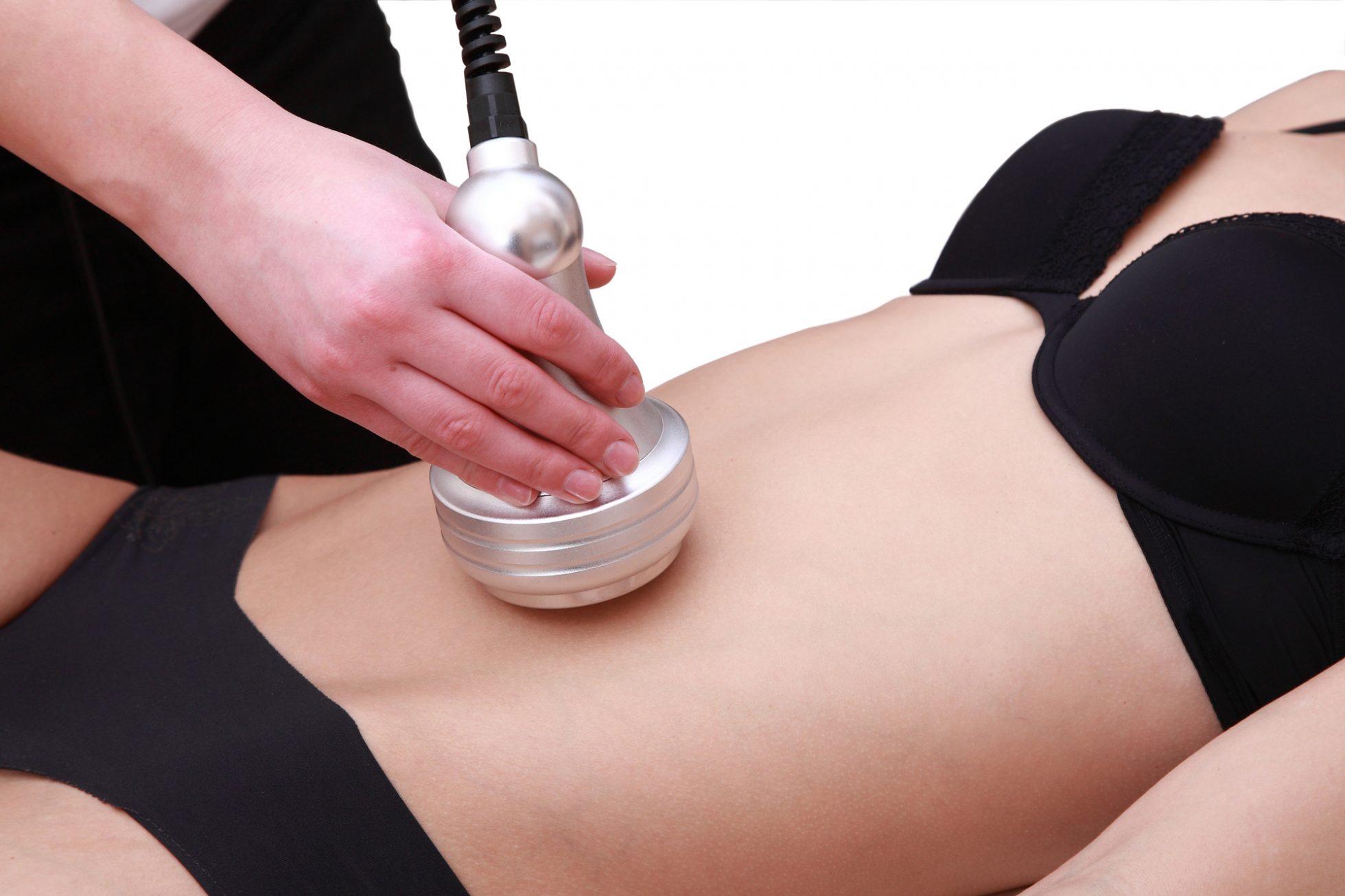
Minimally invasive liposuction techniques offer a game-changing approach to body contouring. Unlike traditional methods, which can involve long recovery times and significant discomfort, these techniques focus on precision and efficiency. Patients experience less trauma to the surrounding tissues during mini liposuction, leading to quicker healing and fewer complications compared to traditional liposuction procedures, which traditional liposuction methods lack.
The advantages of minimally invasive liposuction for men include smaller incisions, reduced scarring, and often, local anesthesia instead of general. This means less downtime and a faster return to daily activities. Many people find they can achieve their desired results with minimal disruption to their lives. Discover how these innovative methods can transform your body safely and effectively.
Key Takeaways
- Minimally invasive liposuction techniques offer less trauma to the body, resulting in reduced recovery time compared to traditional methods.
- Patients can expect fewer risks and complications, making these techniques a safer choice for body contouring.
- Understanding the different types of minimally invasive liposuction can help you choose the best option for your needs and goals.
- The precision of these techniques allows for better contouring results, enhancing your overall appearance more effectively.
- Cost considerations are important; while minimally invasive procedures may be pricier upfront, they can save on long-term recovery costs.
- Maintaining results involves following post-procedure care and a healthy lifestyle to ensure lasting benefits.
Understanding Minimally Invasive Liposuction
Definition
Minimally invasive liposuction refers to techniques that utilize small incisions and advanced technology for men. These methods aim to reduce recovery time and improve results. Unlike traditional surgical liposuction, which requires larger cuts, minimally invasive options focus on precision.
Targeting Fat Deposits
This technique effectively targets localized fat deposits. It removes fat with minimal impact on surrounding tissues. This precision leads to fewer complications and faster healing. Techniques like micro liposuction use specialized tools to suction out fat cells carefully.
Anesthesia
Local anesthesia is commonly used in these procedures. Patients remain conscious during the process. This can ease anxiety for some individuals. They can communicate with the surgeon throughout the mini liposuction surgery, which enhances comfort.
Benefits of Mini Liposuction
- Less Downtime: Recovery time is shorter compared to regular liposuction.
- Reduced Scarring: Smaller incisions lead to minimal scarring.
- Lower Risk: Complications are generally less severe than with invasive liposuction techniques.
- Targeted Results: Precision allows for better contouring of specific areas.
Patients considering mini liposuction often find it appealing due to these advantages. The combination of local anesthesia and smaller incisions in mini liposuction makes the procedure less daunting.
Types of Techniques
Several types of minimally invasive liposuction exist:
- Micro Liposuction: Uses tiny cannulas for precise fat removal.
- Surgical Laser Liposuction: Employs lasers to liquefy fat before removal.
- Nonsurgical Liposuction Methods: These include techniques like CoolSculpting, which do not involve any incisions.
Each method, including mini liposuction, has its unique benefits and may suit different patient needs.
Patient Experience
Many patients report a positive experience with minimally invasive liposuction. They appreciate the lower pain levels and quicker return to daily activities. Some even describe the procedure as surprisingly comfortable due to local anesthesia.
Surgeons often recommend this option for those wanting to improve body contours without extensive recovery times.
Key Benefits of Minimally Invasive Techniques
Reduced Recovery Time
Minimally invasive liposuction techniques significantly lower recovery time compared to traditional methods. Patients often return to their daily activities within a few days. Traditional liposuction can require weeks for full recovery. This rapid healing is due to less trauma to the body. Smaller incisions mean less tissue damage.
Patients appreciate being able to resume normal routines quickly. Less downtime translates into fewer missed workdays and social events. Many individuals find this aspect very appealing. It allows them to enjoy their results sooner.
Minimal Scarring
Another advantage is the minimal scarring associated with these techniques. The smaller incisions used in minimally invasive procedures lead to less noticeable scars. Traditional methods typically involve larger cuts, which can leave more significant marks on the skin.
Patients often worry about scarring after surgery. With minimally invasive liposuction, they can feel more confident about their appearance post-procedure. Many surgeons use advanced tools that further reduce incision sizes. This care helps ensure that any scars left behind are minimal and fade over time.
Enhanced Precision
Enhanced precision is another key benefit of minimally invasive liposuction methods. Surgeons can target specific areas of fat with greater accuracy. This precision results in better contouring and smoother outcomes.
Advanced technology, such as ultrasound or laser-assisted liposuction, aids in this precision. These technologies help break down fat cells while minimizing damage to surrounding tissues. As a result, patients achieve a more sculpted look without excessive trauma.
Surgeons can customize treatment plans based on individual needs. This tailored approach enhances patient satisfaction with the results. Many people notice improved body shapes that align closely with their goals.
Anesthesia Options
Anesthetic options also play a role in the benefits of minimally invasive liposuction. Local anesthesia is often sufficient for these procedures. This choice reduces risks associated with general anesthesia, such as longer recovery times and complications.
Patients typically experience less discomfort during and after the procedure when using local anesthetics. This comfort level contributes to overall satisfaction with the process. The reduced anxiety around anesthesia encourages more individuals to consider these techniques.
Comparing Traditional and Minimally Invasive Methods
Incision Size
Traditional liposuction requires larger incisions. Surgeons make cuts that can be several inches long. This results in more trauma to the skin and tissue. Recovery from these larger incisions often takes longer. Patients may experience significant pain and swelling.
In contrast, minimally invasive techniques use small incisions. These cuts are often less than an inch long. The smaller openings lead to quicker healing times. Patients typically return to their daily activities faster with these methods.
Anesthesia Needs
Traditional liposuction usually requires general anesthesia. This means patients are fully unconscious during the procedure. There are risks associated with this type of anesthesia, including complications in recovery.
Minimally invasive procedures often only need local anesthesia. Patients remain awake and alert but feel little to no pain. This reduces the risk of serious complications related to anesthesia. It also allows for a quicker recovery time since patients can go home sooner.
Complication Risks
Complications are a concern with any surgical procedure. Traditional liposuction has a higher risk of complications due to its invasive nature. Risks include infection, blood clots, and excessive bleeding.
Minimally invasive methods significantly reduce these risks. The small amount of tissue disruption leads to fewer complications overall. Studies show that patients undergoing minimally invasive liposuction report fewer side effects.
The reduced complication rates make these techniques appealing for many individuals seeking body contouring options.
Patient Experience
Patients who undergo traditional liposuction often face longer hospital stays. They may need more pain management after surgery. This can lead to increased anxiety about the procedure and recovery.
On the other hand, those who choose minimally invasive techniques enjoy a smoother experience. Many report feeling comfortable during the process. The ability to return home quickly enhances overall satisfaction.
Cost Considerations
While traditional methods might seem cheaper upfront, additional costs can arise from longer recovery times and potential complications. Minimally invasive techniques may have higher initial costs but save money in the long run through reduced medical expenses.
Overall, comparing traditional and minimally invasive methods highlights clear advantages for the latter. Smaller incisions, less anesthesia needed, and lower complication risks make it an attractive option for many patients.
Types of Minimally Invasive Liposuction
Laser-Assisted
Laser-assisted liposuction uses laser energy to break down fat cells. This method involves inserting a thin cannula that emits laser light. The heat from the laser melts the fat, making it easier to remove.
This technique is effective for small areas like the chin and neck. It can also tighten the skin, improving overall appearance. Patients often experience less bruising and swelling compared to traditional liposuction.
Ultrasound-Assisted
Ultrasound-assisted liposuction employs sound waves to liquefy fat cells. This method is suitable for larger areas, such as the abdomen and thighs. The ultrasound energy penetrates deep into the tissue, breaking up fat deposits.
This technique allows for precise targeting of stubborn fat areas. It minimizes damage to surrounding tissues, resulting in quicker recovery times. Many patients appreciate the effectiveness of this advanced liposuction technique for larger volumes of fat removal.
Tumescent Liposuction
Tumescent liposuction involves injecting a solution into the treatment area before fat removal. This solution contains saline, lidocaine, and epinephrine. The saline helps expand the fat layer, while lidocaine numbs the area, and epinephrine reduces bleeding.
This method is versatile and can be used on various body parts. It’s particularly effective for areas with dense fat, like the abdomen and hips. Recovery tends to be smoother compared to standard liposuction procedures.
Nonsurgical Techniques
Nonsurgical liposuction techniques offer alternatives for those seeking fat reduction without surgery. These methods include cryolipolysis and radiofrequency treatments.
Cryolipolysis freezes fat cells, causing them to die naturally over time. It’s suitable for areas like love handles and inner thighs. Radiofrequency treatments use heat to target fat cells while tightening skin.
These nonsurgical options appeal to those wanting less downtime. They provide gradual results rather than immediate changes seen in surgical methods.
Dry Liposuction Methods
Dry liposuction methods involve removing fat without fluid injection. This technique is less common but can be effective for certain individuals. It relies on suction alone to extract fat cells.
This approach may lead to more discomfort during the procedure. However, some patients prefer it due to its simplicity.
Reduced Risks and Faster Recovery
Lower Infection Rates
Minimally invasive liposuction techniques lead to lower infection rates. Traditional liposuction often involves larger incisions. This increases the chances of complications like infections. In contrast, smaller incisions in minimally invasive methods reduce these risks significantly. Studies show that patients experience fewer infections due to less tissue damage.
Bruising also decreases with these techniques. The smaller instruments used cause less trauma to the skin and surrounding tissues. Patients report less visible bruising, which leads to a better cosmetic outcome. A study published in the Journal of Plastic and Reconstructive Surgery noted this reduced incidence of bruising, enhancing patient satisfaction.
Quicker Recovery Time
Patients benefit from a quicker return to daily activities after minimally invasive procedures. Many individuals resume normal routines within just a few days. Traditional liposuction may require weeks for recovery. The faster healing time is a significant advantage for busy individuals.
Minimally invasive liposuction techniques minimize downtime. For example, patients can often go back to work within a week. This is particularly appealing for those balancing jobs and family responsibilities. The ability to quickly engage in regular activities improves overall life quality.
Reduced Pain Management Needs
Postoperative pain management becomes easier with these advanced techniques. Patients typically report less pain after minimally invasive procedures compared to traditional methods. Smaller incisions mean less trauma, resulting in decreased discomfort.
Many patients do not need strong pain medications post-surgery. Over-the-counter pain relievers often suffice for managing any mild discomfort. This reduction in medication use lowers the risk of side effects associated with stronger drugs.
Surveys indicate that patient satisfaction rates increase when pain levels are lower. Patients feel more comfortable knowing they will not experience significant pain or extensive recovery times.
Focus on Problem Areas
Minimally invasive liposuction targets specific areas effectively. Common treatment zones include the abdomen, thighs, and buttocks for both men and women. This focused approach allows for precise fat removal without significant disruption to surrounding tissues.
Techniques like tumescent liposuction use local anesthesia, minimizing risks associated with general anesthesia. This method enhances safety while allowing surgeons to remove stubborn fat deposits effectively.
Precision and Contouring Advantages
Targeted Fat Removal
Minimally invasive liposuction techniques focus on targeted fat removal. Surgeons use small incisions to insert thin cannulas. These cannulas can precisely remove fat from specific areas. This method reduces damage to surrounding tissues. As a result, patients experience less swelling and bruising compared to traditional methods.
The precision of these techniques allows for better results. For instance, patients can see noticeable changes in their body shape after the procedure. Areas like the abdomen, thighs, and arms can be sculpted effectively. This targeted approach leads to a more satisfying outcome for many individuals.
Sculpting Body Areas
Minimally invasive liposuction excels at sculpting and defining body areas. Surgeons can contour the body with greater accuracy. They can enhance curves in the hips or smooth out bulges on the stomach. The ability to shape these areas helps achieve a more balanced appearance.
This technique also allows for customization based on individual goals. Each patient has unique preferences for their body shape. Surgeons work closely with them to ensure their vision is realized. This collaboration often leads to higher satisfaction rates after the procedure.
Improved Skin Tightening
Advanced technologies play a significant role in improving skin tightening effects. Many minimally invasive liposuction methods incorporate laser or ultrasound technology. These technologies not only remove fat but also stimulate collagen production in the skin.
Collagen is vital for maintaining skin elasticity. As fat is removed, the skin tightens naturally over time. Patients often notice firmer skin in treated areas post-procedure. This effect enhances the overall appearance and complements the fat removal process.
Furthermore, improved skin tightening can reduce the need for additional surgeries. Some patients may have previously considered skin lifting procedures after traditional liposuction. With minimally invasive options, they may find that their skin remains taut without further intervention.
In summary, the advantages of minimally invasive liposuction techniques are clear. They offer targeted fat removal with minimal disruption to surrounding tissues. Sculpting capabilities allow for precise body definition, meeting individual aesthetic goals effectively. Enhanced skin tightening from advanced technologies further elevates these benefits.
Cost and Safety Considerations
Cost-Effectiveness
Minimally invasive liposuction techniques often provide a cost-effective alternative to traditional methods. The initial cost may seem similar, but the overall expenses can differ significantly. Traditional liposuction requires longer recovery times, which can lead to missed workdays and lost income.
Patients who choose minimally invasive options typically experience faster healing. This means they can return to their daily routines sooner. Fewer days off work result in savings that add up over time. Some patients require fewer follow-up treatments due to the effectiveness of these techniques. This can further reduce long-term costs.

Safety Profile
Safety is a crucial factor when considering any medical procedure. Minimally invasive liposuction boasts a high safety profile. Studies show lower complication rates compared to traditional methods. Common complications include infection or excessive bleeding, but these risks are significantly reduced with less invasive approaches.
Surgeons use smaller incisions during minimally invasive procedures. This leads to less trauma for the body. Patients report less discomfort after surgery, which contributes to a smoother recovery process. Many individuals feel more confident about undergoing this type of treatment due to its safety record.
Consultation Importance
Consultation plays a vital role in ensuring patient safety. During this initial meeting, surgeons evaluate the patient’s health and goals. They discuss potential risks and benefits tailored to individual needs. Understanding the areas targeted for liposuction is essential.
Surgeons also explain the expected amount of fat removal and how it affects body contouring. This helps set realistic expectations for results. Patients should ask questions during consultations to clarify any concerns they may have.
Recovery Timeline
The recovery timeline for minimally invasive liposuction is generally shorter than traditional methods. Most patients return home the same day as their procedure. Mild swelling and bruising may occur but usually subside within days.
Many individuals can resume light activities within a week. Full results become visible after several weeks as swelling decreases and healing progresses. This quick recovery allows patients to enjoy their new contours without prolonged downtime.
Maintaining Results After the Procedure
Balanced Diet
A balanced diet plays a crucial role in maintaining fat removal results after liposuction. Consuming a variety of foods helps provide essential nutrients. Focus on fruits, vegetables, lean proteins, and whole grains.
Avoid processed foods and excessive sugar. These can lead to weight gain and diminish the results of the procedure. Portion control is also important. Eating smaller meals throughout the day can help regulate metabolism.
Hydration is key as well. Drinking plenty of water supports overall health and aids in recovery. It can also help maintain skin elasticity, which is vital for optimal results.
Regular Exercise
Regular exercise is essential for sustaining the benefits of liposuction. Engaging in physical activity helps burn calories and maintain a healthy weight. Aim for at least 150 minutes of moderate aerobic activity each week.
Incorporate strength training exercises twice a week. This builds muscle and boosts metabolism. Activities like walking, cycling, or swimming are great options. They keep the body active without putting too much strain on it post-procedure.
Finding an exercise routine that fits personal preferences makes it easier to stick with it long-term. Enjoyable activities increase motivation and commitment to staying fit.
Follow-Up Consultations
Periodic follow-up consultations are important to monitor progress after the procedure. These appointments allow candidates to discuss any concerns or questions with their healthcare provider.
During these visits, doctors assess healing and overall satisfaction with results. They can provide tailored advice based on individual progress. This support helps ensure patients stay on track with their goals.
Follow-ups also serve as an opportunity to adjust lifestyle recommendations if needed. Staying engaged with healthcare professionals fosters accountability and encourages adherence to healthy habits.
Lifestyle Changes
Adopting lifestyle changes can significantly enhance overall health and well-being after liposuction. Prioritize sleep by aiming for 7-9 hours each night. Good sleep supports recovery and emotional stability.
Stress management techniques, such as meditation or yoga, can promote a healthier mindset. Reducing stress levels is important for maintaining motivation towards fitness and nutrition goals.
Avoiding smoking and limiting alcohol consumption will further support the body’s recovery process. These habits can hinder results from fat removal procedures.
By making these changes, individuals foster a healthier lifestyle that complements the outcomes of their liposuction procedure. A commitment to personal well-being leads to long-lasting results.
Últimas Consideraciones
Minimally invasive liposuction techniques offer numerous advantages, from reduced risks to quicker recovery times. You can enjoy the precision and contouring benefits that come with these modern methods, making them a smart choice for body sculpting. Plus, understanding the cost and safety considerations helps you make informed decisions about your options.
If you’re considering liposuction, now’s the time to explore these innovative techniques. They can transform your body while minimizing downtime and discomfort. Take action today—consult with a qualified professional to see how minimally invasive liposuction can work for you. Your journey to a more confident you starts here!
Frequently Asked Questions
What is minimally invasive liposuction?
Minimally invasive liposuction uses advanced techniques to remove fat with smaller incisions. This approach reduces trauma, leading to quicker recovery and less scarring compared to traditional methods.
How does it differ from traditional liposuction?
Traditional liposuction involves larger incisions and more extensive recovery time. Minimally invasive techniques use smaller tools, resulting in less pain, faster healing, and minimal downtime.
What are the main benefits of minimally invasive liposuction?
Key benefits include reduced risks of complications, faster recovery times, less visible scarring, and improved precision in fat removal, allowing for better body contouring.
Are there different types of minimally invasive liposuction?
Yes, popular types include tumescent liposuction, laser-assisted liposuction (SmartLipo), and ultrasound-assisted liposuction (VASER). Each method offers unique advantages based on individual needs.
How can I maintain results after the procedure?
To maintain results, adopt a healthy lifestyle with regular exercise and a balanced diet. Staying hydrated and following post-operative care instructions also helps preserve your new shape.
Is minimally invasive liposuction safe?
Yes, when performed by a qualified surgeon, minimally invasive liposuction is generally safe. It has lower complication rates than traditional methods, but always discuss your health history with your doctor.
What is the typical recovery time?
Most patients experience a quicker recovery—often within a few days. However, full results may take weeks to appear as swelling subsides. Always follow your surgeon’s post-operative guidelines for optimal healing.
 Directions
 Call Us
 Email Us