
Is Your Fat Stubborn or Resistant? 5 Signs You Might Need Liposuction

Key Takeaways
- Stubborn fat usually accumulates around the abdomen, hips, and thighs. It may stick around despite your best efforts to live a healthy lifestyle, causing annoyance and requiring focused efforts to lose it to a greater degree.
- Unlike stubborn fat, resistant fat remains even after significant weight loss. This persistence is typically due to genetic and hormonal factors, which can severely undermine your motivation and self-worth.
- Knowing the difference between body composition is key. When stubborn fat leads to disproportionate body contours and stops you from attaining your ideal physique, it’s time to explore smarter approaches to weight control.
- If you’re thinking about getting liposuction, do an honest evaluation of your health first. Review your lifestyle habits and think about your past fat loss attempts to make sure you’re a good candidate with reasonable expectations.
- First, try dietary changes and different workout regimens instead of jumping to liposuction. To learn more, click here to find non-surgical treatments such as cryolipolysis in your area before opting for surgery.
- In addition to removing your stubborn fat, liposuction can help improve your body contours and increase your self-confidence. It carries risks such as infection and scarring, so it’s very important to consider these factors and consult with professionals.
Depending on whether your fat is really stubborn or actually resistant can make all the difference. Sometimes, stubborn fat will not respond to diet and exercise and may need to be addressed in more targeted ways.
When to consider liposuction? Resistant fat endures through hard work and dedication, presenting obstacles that can sometimes call for medical intervention, such as liposuction. Understanding these key differences helps you make more informed decisions about what type of body contouring treatment is right for you.
Learn how knowing these distinctions can inform your decisions and help you reach your goals of body contouring results more efficiently and effectively.
Understanding Stubborn and Resistant Fat
What Is Stubborn Fat
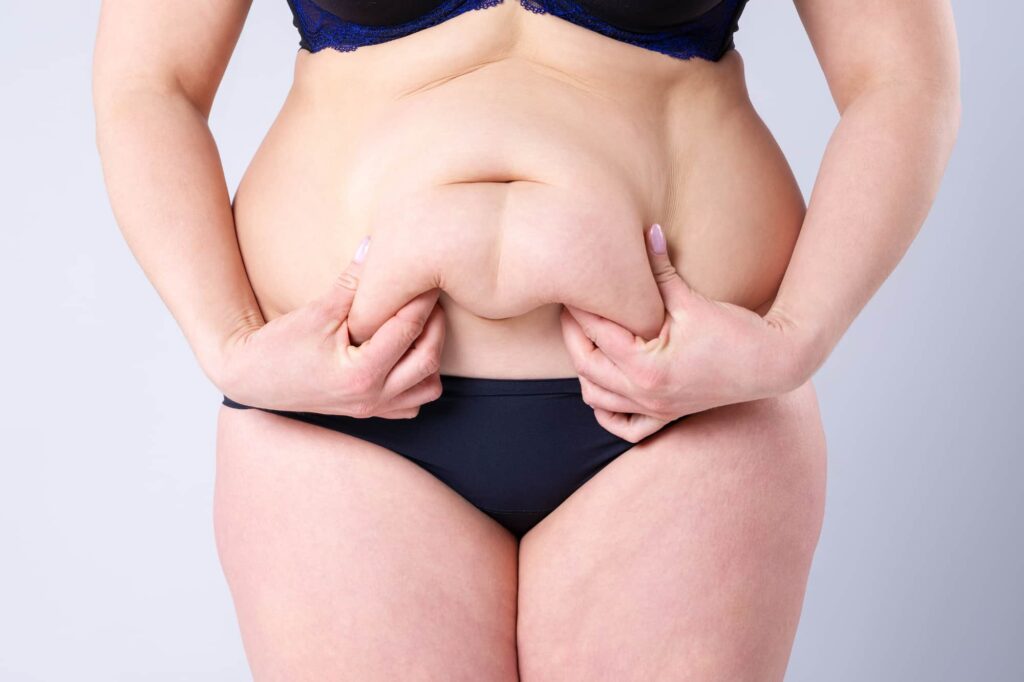
Stubborn fat often collects in areas like the abdomen, hips, and thighs, making it a common concern for many. These localized fat deposits can be notoriously resistant, even with dedicated efforts in the kitchen and gym. Individuals may feel disheartened when they still have unwanted fat despite healthier lifestyle choices, leading them to consider liposuction treatments as a viable option for fat reduction.
Even when reaching a healthier weight, the struggle against excess body fat continues. To effectively tackle these stubborn areas, a targeted approach is essential. Non-invasive procedures like SculpSure, which utilizes heat to destroy fat cells, offer promising alternatives alongside traditional liposuction techniques.
For those nearing their target weight, treatments such as CoolSculpting and truSculpt are excellent for eliminating resistant fat pockets that remain unresponsive to diet and exercise. These cosmetic procedures can help achieve the desired body contour, enhancing overall body image.
What Is Resistant Fat
Resistant fat does not respond even to extreme efforts at weight loss and is frequently associated with hormonal shifts and genetic predispositions. It’s even more difficult to get rid of than stubborn fat. This type of fat can sap your energy and damage your self-image.
When you aren’t seeing tangible results, that’s an especially demoralizing thing to experience. Setting realistic expectations is extremely important. Non-invasive procedures and liposuction are best used as body sculpting tools to augment body contours, not equivalents to a diet and exercise.
How They Affect Body Composition
This stubborn and resistant fat plays a big role in creating an unbalanced body shape, impacting body composition overall. Both subcutaneous fat, which is found just beneath the skin, and visceral fat, which forms around organs, are important to overall health.
Unfortunately, these stubborn and resistant fats can slow down or prevent achieving your fitness goals. Knowledge of body composition is key to successful weight management and attaining a healthy body composition.
Identifying Stubborn and Resistant Fat
By knowing the difference between stubborn and resistant fat, you’ll be better equipped to identify the most effective management strategies. Stubborn fat typically accumulates in certain areas and stubbornly persists even with diligent exercise and dieting.
It can be identified by:
- Accumulation in areas like the abdomen and thighs
- Persistence over time even with lifestyle changes
Of course, resistant fat is affected by many other things, such as genetics and hormones. Its features include:
- Hormonal influences that affect fat storage
- Genetic factors that predispose certain fat distribution
Common Areas Affected
Stubborn Resistant Fat usually likes to settle in the belly and thighs. Stubborn fat occurs in the arms, back and neck.
Age and gender play a huge role in where fat gets stored in the body. Recognizing these spheres is key to creating more effective, targeted strategies.
Signs of Stubborn Fat
Stubborn fat appears as localized bulges that are resistant to diet and exercise. It sticks around even when you live a healthy lifestyle.
Knowledge of these indicators is key to recognizing why you may be having trouble losing fat.
Signs of Resistant Fat
Resistant fat can remain even after extreme weight loss, and is usually linked to one’s genetics. It takes an emotional toll on motivation and body confidence.
Identifying stubborn versus resistant fat enables you to target your strategy.
When to Consider Liposuction
1. Assess Your Current Health
The first step when considering any procedure is to understand your health. For your health, keep your BMI in the normal range. Pay attention to being at a stable medical history and good state of health.
For example, being close to 10-15 pounds of your ideal body weight is important. Being a nonsmoker and good skin elasticity are very important factors. In preparing for surgery, aim for a stable weight and track your health carefully.
This proactive approach uncovers any underlying health conditions that can affect your candidacy for liposuction.
2. Evaluate Your Lifestyle Habits
Lifestyle habits are the most important factor of fat loss. A diet rich in nutrition and consistent physical activity are key. Look at how sustainable your healthy lifestyle will be.
Even small changes, such as eating less processed food, increasing daily activity, and getting more sleep, can improve surgical outcomes. Adopting a holistic health approach, one that prioritizes both physical and mental wellness, is essential.
This not only ensures you’re as healthy as possible should you ultimately decide to pursue surgery, but greatly improves your overall quality of life.
3. Consider Your Fat Loss Efforts
Reflecting on past fat loss attempts helps in understanding their effectiveness. Make a list of strategies, both successful and unsuccessful, like calorie counting or interval training.
Analyze how long and how intensely these efforts were pursued. Understanding what has worked in the past and what hasn’t lets you make informed decisions about liposuction as a solution for stubborn fat.
4. Consult a Medical Professional
That’s why professional guidance is key. In your consultations, address your expectations, concerns about any procedure candidly. Be ready to inquire about the procedure, recovery, and realistic expected outcomes.
Liposuction should not be treated like a catch all. Speak with a qualified healthcare professional to determine the best course of action for you.
Having a friend or family member to support you through this journey can be invaluable, particularly in helping you after surgery.
Alternatives to Liposuction
Diet and Nutrition Adjustments
For those just looking to lose a few pounds of stubborn fat, that’s where dietary changes come into play. Raising the level of protein helps our bodies build muscle, which helps us burn fat faster. Hydration is very important, because being hydrated helps keep your metabolism running.
Consider these foods for a better body composition:
- Lean meats like chicken or turkey
- Leafy greens such as spinach and kale
- Whole grains like quinoa and brown rice
- Healthy fats from avocados and nuts
Eating a healthy diet might take a little longer to see the results, but it’s a holistic, long-term approach that pays off.
Exercise and Physical Activity
High-intensity interval training (HIIT) will help you burn that stubborn fat. Strength training increases metabolism by promoting the development of lean muscle mass, which increases the fat burning process.
Whatever you choose, consistency is key to their greater success. Pairing cardio with strength-building exercises maximizes results, making for a potent routine perfect for all types of fitness journeys.
Non-Surgical Treatments
Non-invasive alternatives are a smart choice to try before going under the knife. Popular methods include:
- Cryolipolysis (CoolSculpting)
- Laser therapy
- Radiofrequency treatments
Many of these procedures are completed in less than an hour, letting patients go back to their normal activities right away. CoolSculpting freezes fat away in 20–25% increments per session, with results starting to be visible at around six weeks.
Working with trained professionals means getting custom plans tailored to your needs. More than 85% of patients report being satisfied, a testimony to the efficacy of these alternatives.
Benefits and Risks of Liposuction
Potential Benefits
Liposuction provides dramatic changes in overall shape and proportion by removing excess fat from specific areas to develop a more youthful contour. This often results in a more balanced aesthetic, improving both physical appearance and self-image.
The procedure’s life-changing results usually inspire people to stick with a healthier routine after their surgery. Achieving desired body contours can have psychological benefits, boosting self-esteem and overall happiness.
Liposuction results are permanent as long as you maintain your weight after the procedure. This lets patients get the most out of their new physique for years to come!
Possible Risks and Complications
Although these benefits are certainly enticing, it’s important to be aware of the possible risks involved with liposuction. Infection and scarring are frequent dangers connected with this treatment.
Other complications, such as seromas, or temporary pockets of fluid that can develop beneath the skin, are possible. The procedure takes a few hours and recovery is primarily focused on dealing with swelling and discomfort, greatly improved after three weeks.
Total recovery can be as long as six weeks or more. Age, health, and quantity of fat removed are factors that can make the risk of complications more likely.
It’s important to have open, honest conversations with a qualified, experienced board-certified surgeon to understand these risks and discuss the best options for your unique case.
Conclusion
Unpacking the biology of stubborn and resistant fat reveals the uphill battle so many are fighting. We’ve discussed how to determine whether you have stubborn vs resistant fat and when you should consider liposuction. Liposuction can provide the most immediate and noticeable results, but it is not without risk. It’s worth considering the risks versus the rewards. Though diet and exercise are successful alternatives, requiring more time but providing health benefits themselves. Our bodies are different, and what is stubborn fat for one may be resistant fat for another. The path to a healthier body doesn’t always include liposuction, but it does include making educated decisions. You deserve options tailored to your unique needs and goals. If you’re still unsure whether you might want to pursue liposuction or not, speak to an experienced provider. They can provide you with valuable perspective and guidance to inform your next move.
Frequently Asked Questions
What is stubborn fat?
Stubborn fat, often resistant to traditional weight loss methods, is localized fat that won’t budge despite your diet and exercise routine. This unwanted fat is most commonly found in areas such as the abdomen, thighs, and hips.
How do I know if I have resistant fat?
Resistant fat, often found in targeted areas, isn’t affected by diet and exercise alone. Even with a balanced diet and regular exercise, some individuals may still experience stubborn fat deposits.
When should I consider liposuction?
If you have stubborn or resistant fat despite a commitment to a balanced diet and regular exercise, the liposuction procedure may be a good option. It’s perfect for those near their ideal weight but struggling with fat reduction in targeted areas.
Are there alternatives to liposuction?
Yes – alternatives such as CoolSculpting, laser lipolysis, and ultrasound fat reduction treatments have all been introduced as options. These non-surgical body fat reduction techniques freeze fat cells with little to no downtime.
What are the benefits of liposuction?
Liposuction surgery offers precision fat removal and enhanced body contour, making it a transformative procedure for stubborn fat deposits that resist traditional weight loss methods.
What are the risks of liposuction?
Risks of the liposuction surgery procedure include infection, bruising, and contour irregularities. Selecting a board-certified and experienced cosmetic surgeon greatly reduces these risks. No matter the cosmetic procedure, always discuss potential complications with your doctor.
How do I choose a liposuction provider?
Choose a board-certified plastic surgeon who has a lot of experience with the liposuction procedure. Review their credentials, patient reviews, and before-and-after photos to ensure they are trustworthy and skilled in this popular cosmetic surgery.
 Directions
 Call Us
 Email Us