
How to Prepare for Awake Liposuction: Your One-Week Countdown

Key Takeaways
- Awake liposuction is a minimally invasive procedure, performed with local anesthesia. This ensures that patients undergo the procedure awake and alert, while experiencing quicker recovery times.
- Taking the time to prepare one week before your surgery will help keep you safe, feel more comfortable, and maximize your recovery and results!
- Booking a pre-procedure consultation is a great opportunity to clear up any questions, go over any medical needs, and discuss your health history with your surgeon.
- Make dietary changes and hydrate in the lead-up to your surgery. Steer clear of alcohol and tobacco during this week to speed up your recovery and lower the chances of complications.
- Creating a recovery area at home and arranging for post-op transportation and care will help make your first days of recovery more comfortable and less hectic.
- Adhering to your doctor’s every instruction from your fasting period to what to pack sets you up for a smooth-sailing procedure day with no stress.
In fact, preparing for awake liposuction requires a good deal of planning, particularly in the one-week countdown to your procedure. Keeping organized will help guarantee an easy-going experience and speedy recovery.
Prioritize basic tasks such as consuming nourishing meals, drinking adequate water, and steering clear of alcohol to help your body heal. Make preparations ahead of time, including transportation, a comfy recovery space, and making sure you’re clear on all pre-op instructions with your provider.
Preparing to set aside loose, comfy clothing and any other supplies needed will help streamline your day of surgery and make the process more relaxed. By following these tips, you’ll be one step ahead and fully prepared for your procedure.
Preparing at least a week in advance will ensure you are well prepared and confident for the process before, during, and after liposuction.
What Is Awake Liposuction
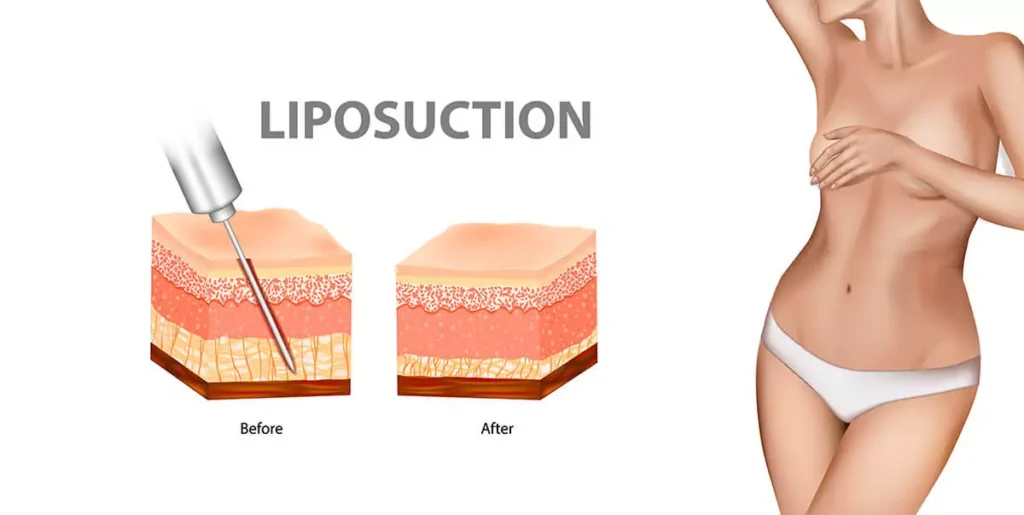
Awake liposuction, also referred to as tumescent liposuction, is an advanced cosmetic surgery option that allows for minimally invasive fat removal under local anesthetic. This innovative technique ensures that patients remain awake and conscious during the lipo procedure, significantly reducing the risks associated with general anesthesia and providing a less strenuous experience overall. The awake liposuction recovery process is smoother, as patients can communicate with their surgeons throughout the treatment, enabling precise targeting of stubborn fat deposits for more tailored liposuction results.
One of the primary benefits of staying awake during the surgery is the enhanced opportunity for real-time feedback. This communication empowers surgeons to make immediate adjustments, creating a more personalized body contouring experience. Thanks to the use of local anesthesia, the awake liposuction recovery time is notably shorter compared to traditional methods. Most patients find they can drive themselves home just 1-2 hours post-procedure and resume light activity within a few days.
While some swelling and bruising may occur in the first 1-2 weeks, these side effects typically resolve quickly. To optimize healing, patients are advised to wear a compression garment for at least six weeks. During this time, it is crucial to avoid strenuous activities to ensure a smooth recovery. Although full recovery may take a few weeks, many patients return to work within 3-5 days, enjoying the benefits of their liposuction journey.
In summary, awake liposuction not only enhances the patient experience during the surgery day but also contributes to a more efficient recovery timeline. With effective pain management strategies in place, patients can look forward to achieving their aesthetic goals with a comfortable and effective procedure.
How It Differs From Traditional Liposuction
Awake liposuction is a less invasive option compared to traditional liposuction, primarily due to the use of local anesthetic. This technique numbs only the treatment area, allowing patients to remain awake and comfortable throughout the procedure. Consequently, the awake liposuction recovery process tends to be smoother, with shorter recovery timelines and minimal downtime compared to conventional methods, which often necessitate longer hospital stays and deeper sedation effects.
Patients undergoing awake lipo typically return home within 1-2 hours post-surgery, enjoying a significant improvement in comfort levels. Unlike traditional liposuction that requires larger incisions, the small incisions used in awake liposuction contribute to a more manageable recovery experience. Moreover, the ability to communicate with the liposuction surgeon during the procedure allows for real-time adjustments, enhancing the precision of fat removal and ultimately the lipo results.
This interactive approach not only leads to better body contours but also empowers patients with the knowledge and confidence to navigate their liposuction journey. With the focus on minimizing complications and maximizing satisfaction, awake liposuction has become a popular choice for those seeking effective fat reduction treatment.
In summary, the awake liposuction recovery process is designed to ensure that patients experience a comfortable and efficient healing journey, paving the way for their ideal body shape and aesthetic goals.
Benefits Of Awake Liposuction
Awake liposuction offers a range of impressive benefits, making it a highly attractive option for many individuals seeking fat reduction treatment. One of the most significant advantages is the much shorter awake liposuction recovery process, allowing patients to return to light activities within just a few days and resume work in 3-5 days. This expedited recovery timeline means less disruption to daily life.
Using only local anesthetic, awake lipo is associated with a significantly lower risk of complications compared to traditional methods involving general anesthesia. Patients typically report mild to moderate discomfort during the first few days, which is easily managed with prescribed pain management strategies. This reduction in risk contributes positively to the overall safety and peace of mind for patients during their liposuction journey.
Moreover, the precision of fat removal during awake liposuction leads to customized lipo results. Surgeons can make real-time adjustments based on patient feedback, enhancing the overall aesthetic goals and ensuring a more organic outcome.
Patients appreciate the level of control they experience from staying awake during the procedure. That sense of comfort helps put the experience into perspective, making it far less intimidating for many individuals.
Why Preparation Is Important
Getting ready for awake liposuction isn’t just about checking off some points on a list. It’s an opportunity to maximize the experience and make sure everyone gets the best results. Preparing in advance allows everyone—employers, commuters, and residents—to stay safe, comfortable, and better able to recover from the impact of construction.
It also provides you with the utmost confidence—because you know that you’ve done all that you can to set the process up for success.
Ensuring Safety And Comfort
Safety begins with taking your doctor’s pre-operative instructions, and being sure you adhere to them carefully. Avoid alcohol. Consider abstaining from alcohol at least one week prior to your surgery. Be sure to stop smoking at least three weeks prior.
Both habits have a negative impact on healing, so quitting them as soon as possible has a significant impact. Providing a positive supportive environment at home will go a long way in helping to relieve any nerves and anxiety. Find a trusted friend, family member, or partner to drive you to and from the clinic and to support you afterward.
Comfort goes beyond just preparation. Make sure to ask your doctor questions so you leave knowing what to expect. On the day of surgery, wear loose fitting clothes to ensure comfort and convenience.
After surgery, wearing compression garments as directed post-op helps minimize swelling and promotes healing. Most patients go home within an hour of the procedure, but your peace of mind starts the moment you adhere to all guidelines.
Optimizing Results And Recovery
How you prepare has a huge effect on your overall results. Keeping your weight steady for at least three months prior to surgery increases your odds for a successful outcome. It helps you remain successful in your long-term weight maintenance.
Making simple lifestyle changes—such as eating a balanced diet and drinking plenty of fluids—can help facilitate the body’s recovery. Expect to need a few days of rest and plan to take time off from work as recommended by your doctor.
The most important thing is to set expectations appropriately. You may experience instant relief. It can be six weeks or more before the swelling fully subsides to show the final results.
Aftercare is important, and that goes both ways. Don’t engage in heavy lifting or vigorous exercise until your physician has given you a doctor and focus on rest so your body can recover more quickly.
One Week Before Awake Liposuction
1. Schedule A Pre-Procedure Consultation
One week prior to your awake liposuction procedure, it’s important to have a final visit with your surgeon. This appointment should be your opportunity to discuss every aspect of the procedure and recovery process in detail.
Plan out your questions beforehand. Inquire about what you can expect on the day of surgery as well as the expected healing timeline. Going over your medical history allows your surgeon to make sure that all is safe and sound, and well-planned.
If there are any last-minute tests required, this is when they will verify them. Taking the time to be thorough upfront will prevent any surprises down the line.
2. Discuss Medications With Your Doctor
Create an exhaustive inventory of all the medications and dietary supplements you’re using. Some of these should be temporarily suspended, particularly blood thinners or herbal supplements that may affect healing.
Your doctor will walk you through the reasons some medications should be stopped and will recommend substitutes where appropriate. This is an ideal moment to inquire about pain management post-op so you know what to expect and are prepared.
3. Arrange Transportation And Support
You will require a friend or family member to escort you to and from the surgery center. This person should be someone who can be with you for the first 24 hours or so to assist with basic tasks.
If you stay alone, call a friend or family member to support you with that. They can walk you through the first few days of recovery.
4. Plan Your Recovery Space At Home
Have a comfortable recovery space so you have everything you need at arm’s length. Consider having snacks, water, and any regularly prescribed medications within reach.
Having a comfortable chair or bed to rest on is the first step. Using extra pillows or blankets can help you feel more cozy and comfortable.
Gather or stock up on any recommended items, like bandages or ice packs, if your surgeon suggests using them. This preparation puts your body in a great position to make the transition from surgery to healing as seamless as possible.
Three To Five Days Before The Procedure
Adjust Your Diet For Better Healing
In the days leading up to your liposuction surgery, focusing on your diet is crucial. This intention can greatly enhance your body’s ability to heal and contribute to a smooth recovery. Incorporate colorful, whole fruits and vegetables into your meals, such as leafy greens like spinach and vibrant options like berries or carrots, which are rich in vitamins that support the awake liposuction recovery process. Lean proteins, including chicken, turkey, and fish, are essential for tissue repair after the lipo procedure. Additionally, plant-based proteins like lentils and tofu can provide excellent fuel for your recovery journey.
Instead of cutting calories, consider adding healthy fats like avocados, nuts, or olive oil to your diet to promote overall health. Reducing sugar and refined carbohydrates is also important, as these can lead to inflammation and hinder your healing progress. Moreover, eliminating processed foods is advisable, as they often contain additives that can negatively affect the body’s natural recovery processes.
By making these dietary adjustments, you can help ensure that your liposuction recovery is as effective as possible, paving the way for achieving your desired body shape and enhancing your overall well-being.
Avoid Alcohol And Tobacco
Alcohol and tobacco both make it harder for your body to heal, so you should quit using them completely. Both can lead to issues like dehydration and make complications more likely. While alcohol can dehydrate you, tobacco cuts off blood flow and slows healing.
Surgeons usually recommend stopping smoking at least six weeks before and after surgery and avoiding alcohol for one week before and up to two weeks after. This timeline makes sure that before the procedure, the body is in the best possible condition to heal.
Stay Hydrated And Rest Well
Hydration is an important aspect of any procedure preparation. Make sure you’re drinking at least 8 to 10 cups of water a day. With these dietary adjustments, your body will be better equipped to perform at peak!
Rest is just as important. Sufficient sleep will allow your body to prepare itself physically as well as relieve stress, which can play a role in recovery. Take advantage of this period to rest your mind and body, with the reassuring thought that your body is preparing itself for the procedure.
One To Two Days Before Awake Liposuction
Prepare Comfortable Clothing
Choosing appropriate clothing on the morning of your surgery can improve your experience tremendously. Loose-fitting garments are the ideal option! Their design makes them simple to wear and remove, which is a nice bonus if you’re sore post-procedure.
Loose-fitting garments are key—for instance, button-down shirts that are one or two sizes too big or wide-legged, elastic-waist sweatpants. If you’re having something done to your torso area, a shirt with clasps in the front prevents accidental stretching.
Stay away from anything that is tight, such as skinny jeans or a fitted top, as this can create extra pressure or irritation on the area. Layering with something like a zip-up hoodie will allow you to more easily prepare for temperature changes throughout the day.
Pack Essentials For The Procedure Day
Preparing your needs in advance can make for an easy procedure day. Begin with your ID, insurance card and any necessary medical documents. Prepare to take care of you in addition to bringing a list of your medications — including which ones to avoid, per your doctor’s instructions.
A tote with phone charger, headphones, a good read, and other small comforts will help you feel at home. Enjoy your waiting time and good luck with all! Don’t neglect personal comforts like lip balm or tissues. Small comforts go a long way.
Review Instructions From Your Doctor
Plan to spend a little time going over the pre-operative instructions your doctor provides and be sure that you’re understanding and following along. You may be required to fast for a specific number of hours.
You’ll want to stop certain medications such as aspirin and ibuprofen, and supplements such as fish oil. Clarify any questions with the medical team, whether it’s about managing existing prescriptions or understanding what to expect during and after the procedure.
Your surgery facility will call you the day before to confirm what time to arrive and where to go. Being aware of all of this information makes sure you’re more than ready.
Day Of The Procedure
Follow Fasting Guidelines If Required
When your doctor requires you to fast, it’s important to adhere to these fasting guidelines to help ensure a safe and successful procedure. For most procedures, this entails fasting meaning you won’t be able to eat or drink anything for a few hours before your appointment.
Fasting is important because it helps minimize the risks associated with surgery, particularly when anesthesia is required. To maximize efficiency, make easy meals in advance to use the day before so you don’t end up in any last-minute scramble. If your procedure is in the morning, you might want to eat a light dinner the evening before.
You might have to fast from breakfast. We know fasting can be challenging. If you have medical issues that complicate this, let your provider know in advance so they can accommodate your needs.
Arrive Early And Stay Relaxed
Getting there before the appointment time will help the overall process be less hurried. This additional time provides an opportunity for check in, paperwork and preparation without a rushed feeling.
Plan for support. Bring a friend or family member on the day of your procedure. Having someone there to talk to can take your mind off of things. Simple relaxation techniques such as taking slow, deep breaths can go a long way toward keeping nerves in check.
Familiarize yourself with the facility ahead of time. For example, find where the waiting area is so you are more comfortable. Wear loose, comfortable clothing to make moving around after the procedure a lot easier.
Communicate Any Last-Minute Concerns
Your procedure day—from the moment you arrive to when you’re discharged—will proceed step by step as outlined in this guide. If you’ve had any recent health changes, like a cold or starting new medication, please inform us.
Providing this information and having a discussion before the procedure begins is crucial. Things like aftercare instructions or what to expect during recovery are helpful to double-check.
The majority of patients are back walking around their home within a day or two. It is important to consult with your physician before returning to any particular activity. Addressing any worries or concerns upfront makes sure you are confident proceeding.
Questions To Ask Your Healthcare Provider
Procedure Expectations And Outcomes
Begin by asking what the ultimate outcome should be and when you should expect to see it. Most patients start to see results in as little as four weeks, though the full effect may take up to six months.
Get a better idea of your recovery time. This will help you know when you should be able to return to work and other physical activities, which will be different for everyone.
Talk to your healthcare provider about any limitations you may have following the procedure, such as heavy lifting or certain workouts. It’s just as important to be aware of things that may influence your results, such as skin elasticity or body type.
Setting realistic expectations is important, so request examples or photographs of realistic expected outcomes from your surgeon’s previous patients.
Post-Procedure Care Instructions
Please give me a comprehensive list of after-care instructions. I would like some instructions on caring for the treated areas, when to use compression garments, etc.
These garments are important as they assist in the reduction of swelling and promote healing, so it’s important to understand when and for how long to wear them.
Ask what to look for in terms of complications, such as redness or abnormal swelling. Be certain to ask ahead of time when and how you can contact your surgeon if needed.
Talk about follow-up appointments, because these are key to keeping track of your return to health. Additionally, ask what is typical with regard to need for pain medication, and if you will need it, will it be prescribed or over-the-counter.
Potential Risks And Complications
When you know the risks, you can better prepare yourself and your family. Common risks associated with this procedure include, but are not limited to, scarring, infection and uneven results.
Inquire about what you can do to reduce these risks, including adhering to pre- and post-op care instructions. Your surgeon should detail what complications to look out for and how you would treat them if they occur.
Then be sure to check their credentials, such as board certification and ASPS membership. Ask them how much experience they have with awake liposuction.
Lifestyle Changes To Support Recovery
After awake liposuction, intentional lifestyle changes can encourage the body to heal quickly and with as much comfort as possible.
Here’s what to focus on:
- Take time to meal prep on the front end to set yourself up for success. This method reduces anxiety and assures you’ll always have healthy, wholesome meals on hand.
Water, especially, helps keep you hydrated, which promotes faster healing and can help cut down on swelling.
Wear your compression garments properly. Compression garments prevent fluid retention and speed healing, so wear them as recommended.
If you are prone to constipation, use a stool softener if you have not had a bowel movement for two days.
Maintain A Healthy Diet Post-Procedure
Eating a nutrient-rich diet accelerates their recovery.
Add lean proteins such as chicken or fish, whole grains and a variety of colorful veggies. Foods that are anti-inflammatory like berries, spinach and turmeric can aid with swelling.
Watch portion sizes to help control weight. Remember to hydrate regularly, as water has a big impact on helping you recover faster.
Incorporate Gentle Movement And Rest
After surgery, gentle walking helps get your blood circulating which is important for good healing and the prevention of complications.
Counter this with rest, particularly in the initial hours when your body requires downtime.
In time, regular, gentle stretching helps improve flexibility and reduce stiffness. Listen to your body and modify any activities that cause pain or discomfort.
Avoid Strenuous Activities Temporarily
Skip the grueling workouts at first. The average patient is out of work for 3–5 days and able to ease back into things like desk work or work from home fairly quickly.
Always stick to your doctor’s timeline before you start to reintroduce strength training.
Taking a gradual progression helps avoid stiffness and unnecessary stress while maintaining a healthy and safe recovery.
Conclusion
Preparing for awake liposuction requires some foresight, but the effort you put in is well worth it. Every step leads to making sure your procedure goes as easy as possible and aids in your recovery. Take simple steps to improve your appearance and increase your confidence. Inquire about your procedure and ask questions that give you peace of mind. When you’re aware of the process and prioritize your healing, it’s all much easier to handle.
Your healthcare team is here to guide you, so lean on their expertise. Take their recommendations, pay attention to your body, and follow your plan. Some preparation on your part with a few simple steps can make a significant difference in your experience post-procedure.
If you’re thinking about awake liposuction, or still have more questions, contact a trusted provider to get answers. That first step might just be what you need to feel prepared and equipped to take on the next chapter.
Frequently Asked Questions
What is awake liposuction?
Awake liposuction is a less invasive body fat reduction treatment performed under local anesthetic, allowing patients to remain comfortable and awake. This approach typically results in a smoother recovery process compared to traditional liposuction surgery.
Why is preparation important before awake liposuction?
Being well-prepared for your awake liposuction recovery process will help to minimize potential risks, achieve optimal liposuction results, and foster a healthy, quick recovery, ensuring your body is ready for the actual procedure and healing.
Can I eat before awake liposuction?
Typically, you won’t be allowed to eat or drink anything for several hours prior to your liposuction surgery. Your healthcare provider will provide you with specific pre-procedure fasting instructions to ensure a smooth recovery.
What should I wear on the day of the procedure?
Make sure you have loose, comfortable clothing on hand, such as a button-up shirt and sweatpants, to facilitate a smooth liposuction recovery process and minimize discomfort around the treatment areas post-procedure.
How long should I avoid alcohol before the procedure?
We suggest staying away from alcohol for a minimum of 48 hours leading up to your awake liposuction recovery process. Alcohol can interact with the medications you’ll be taking post-op, impeding your overall liposuction recovery.
What questions should I ask my healthcare provider before awake liposuction?
Inquire about risk factors, the awake liposuction recovery process, post-procedure care, and what your liposuction results can realistically be expected to be like. Confirm that you have a clear understanding of everything that will be done and are comfortable with the decision.
How can I support recovery after awake liposuction?
To promote a good liposuction recovery, avoid smoking, stay hydrated, and eat a balanced diet while following your provider’s recommendations. Rest, minimize strenuous activity, and wear compression garments as directed to facilitate healing and minimize swelling.
 Directions
 Call Us
 Email Us