
Fat Transfer vs. Implants: Evaluating the Best Option for Body Sculpting

Key Takeaways
- Since fat transfer uses your own fat, the results tend to look and feel more natural. Conversely, implants use synthetic materials to create a more pronounced size increase.
- Fat transfer offers dual benefits: body contouring and enhancement.
- Fat transfer can necessitate additional procedures since some of the transplanted fat will be reabsorbed, while implants may require later replacement or adjustment.
- Recovery time differs greatly. While your final results will appear sooner with implants, you will need garment support, and the healing process can be extended in the case of complications.
- Fat transfer can be more cost-effective over time for some patients as compared to implants, which often require more extensive long-term maintenance costs.
- Choosing between fat transfer and implants depends on your body type, goals, lifestyle, and the advice of a qualified plastic surgeon.
Body sculpting provides a range of procedures to help patients achieve their ideal contours, with fat transfer and implants being two common options. Ultimately, each approach serves different objectives and desires, with distinct advantages offered by each procedure.
Fat transfer breast augmentation increases your breast size with the body’s own natural fat. This technique results in a softer, more natural appearance.
On the other hand, breasts created with implants will always offer consistent volume and shape. This characteristic renders them ideal for people who desire a more sculpted outcome.
Deciding between these two approaches involves considering personal objectives, recovery time, and individual compatibility. By learning about the most important differences, you can make an educated decision that best fits your body and your lifestyle.
Both methods have their unique advantages, providing customized solutions to sculpt the body you desire.
What Is Fat Transfer
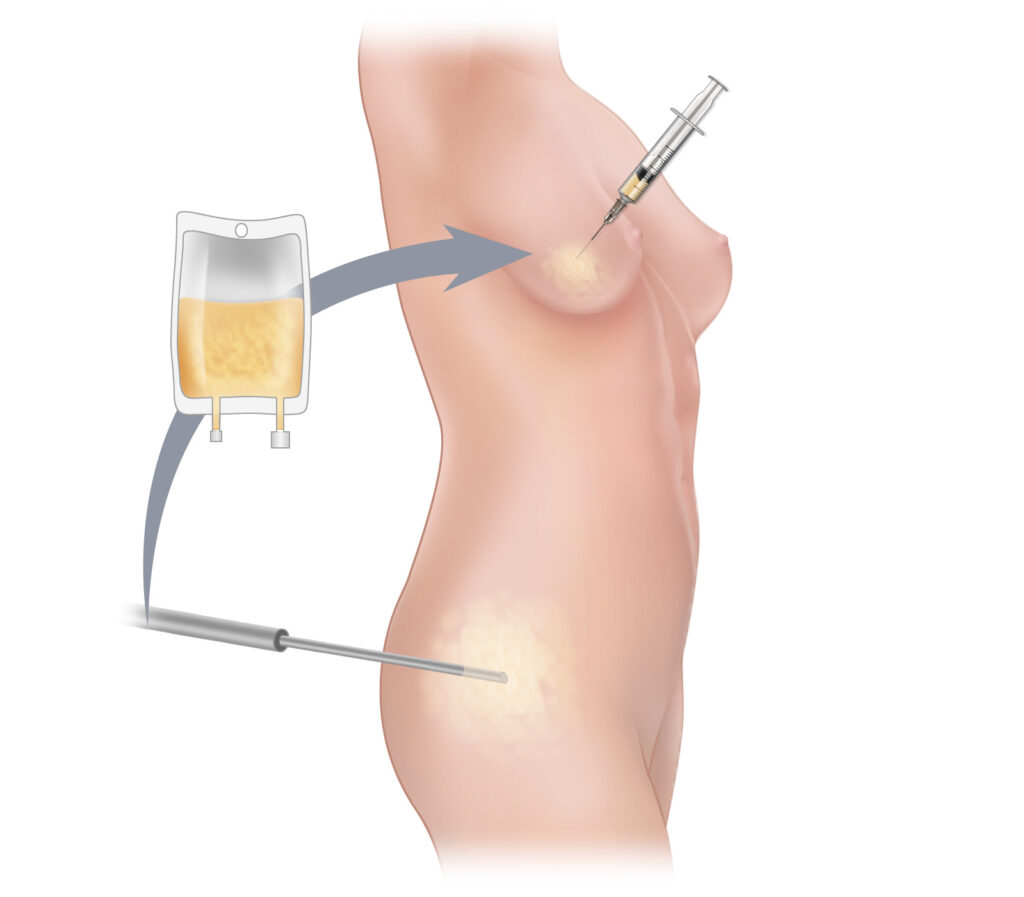
Fat transfer (called fat grafting) is a cosmetic procedure. It adds or replaces volume in the face, hands, breasts or buttocks with your own fat. This precise technique eliminates fat from the abdomen, thighs or other areas.
It then grafts that fat into a different area that requires improvement. This alternative emerges as the clear favorite. It uses your own natural tissue, so the outcomes appearance and feel more natural than those produced with artificial materials.
Is Fat Transfer Right for Me?
For example, it’s often used to smooth wrinkles, add volume to cheeks or lips, and fill in hollow areas on the face. Cosmetic uses in cosmetic surgery, fat transfer is commonly used for breast augmentation or for reshaping the buttocks.
In addition, it offers a more natural alternative to implants. The second benefit is the natural-looking improvement it provides. It usually adds a half to full cup size. This makes it perfect for those who desire a subtle, more natural-looking enhancement.
The Appeal of Fat Transfer
Perhaps the most attractive feature of fat transfer is the way it produces a subtle, natural-looking outcome. Fat transfer produces very natural-looking results that blend well with your body.
Compared to implants, it sculpts your contours more subtly and naturally, without attracting attention.
What Are Implants
Implants are artificial substances designed for body augmentation, often used in cosmetic procedures to enhance volume or contour specific areas. Among these, silicone implants are particularly favored for their flexibility and natural feel, making them a popular breast enhancement option. With their longevity and realistic appearance, silicone implants remain a top choice for many patients seeking breast augmentation.
In the realm of breast surgery, the primary aim of implants is to deliver a significant increase in size. However, for those interested in a more natural approach, fat transfer breast augmentation offers an alternative. This technique uses natural body fat to enhance breast volume, providing a subtle enhancement without the need for traditional implants.
Breast fat transfer can create stunning results, ranging from a modest increase to a more substantial change in breast shape. For individuals looking for a complete transformation, the fat transfer procedure can be an excellent option when implants do not yield the desired effect.
While implants can achieve balanced body proportions, the breast fat transfer method provides a unique solution for those desiring a more natural look. By utilizing their own fat, patients can enjoy a more harmonious and aesthetically pleasing physique.
Types of Implants for Body Sculpting
Implants are available in different shapes, like round or teardrop, and in a variety of sizes to match personal goals. The implant shape can have a major impact on the end result. Using teardrop implants results in a more natural slope.
Round implants are designed to add fullness. Customization lets patients choose the shape that fits their body type and aesthetic goals, guaranteeing a look that’s all their own.
| Type | Advantages | Disadvantages |
|---|---|---|
| Saline | Adjustable size, lower cost, safe if ruptured | Firmer feel, more prone to rippling |
| Silicone | Natural look and feel, long-lasting | Higher cost, requires monitoring for silent rupture |
Benefits of Implants
One of the greatest advantages of implants is their longevity. They can often be in place for 15 to 20 years before replacement becomes necessary, giving them a long-term body sculpting option. Because implants offer dramatic increases in volume, they can create transformations that go beyond the limits of fat transfer.
The abundant variety of shapes, sizes, and materials means there is a good option for everyone’s tastes. Another benefit is the instant gratification you get right out of surgery—patients walk out of the operating room with the more youthful appearance they were seeking.
Risks of Implants
Implants do come with risks, and these should be considered before use. Complications such as rupture or capsular contracture when scar tissue forms and hardens around the implant are possible. Research has further connected textured implants to other rare health complications, including Anaplastic Large Cell Lymphoma (ALCL).
Regulatory agencies such as the FDA have warned about these dangers. Visible scarring around incision sites post-op scarring is a big deal, though surgeons will typically attempt to downplay the visibility of incision sites. Additionally, implants will need subsequent surgeries to have them adjusted or replaced, complicating long-term decision-making even further.
Comparing Fat Transfer and Implants
1. Differences in Procedure Techniques
Fat transfer and implants are very different surgical procedures. Fat transfer involves two steps: first, liposuction to harvest fat from areas like the abdomen or thighs, then injecting it into the desired area. This takes a good bit of precision to ultimately create the most natural-looking, seamless results.
Implants are placing FDA-approved silicone or saline implants through an incision that can require less complexity. Fat transfer usually requires local or general anesthesia based on the extent, but implants usually require general. While fat transfer is less invasive, it involves a longer, two-step process.
Implants provide a simpler option, with the entire process done in one surgery.
2. Differences in Recovery Time
Recovery time varies between the two procedures. For fat transfer, it generally takes about 1 to 2 weeks for swelling to go down. In some cases, full recovery can take a few months.
On the other hand, initial recovery for implants is also about 1 to 2 weeks, with full healing in 6 to 8 weeks. Recovery depends on how extensive the procedure is and how well the patient follows aftercare instructions.
For either procedure, post-op care includes staying away from vigorous activity and wearing compression garments. Adhering to post-op guidelines is critical to achieve desired results and ensure healing.
3. Differences in Results and Longevity
Implants offer long-lasting results and will only need replacement once every 15 to 20 years. Fat transfer gives you a completely natural look.
Keep in mind that 30% to 50% of the fat will be reabsorbed, affecting the overall volume over time. Implants will always keep their shape but fat grafting changes its shape with the body over time.
4. Differences in Cost and Maintenance
| Factor | Fat Transfer | Implants |
|---|---|---|
| Initial Cost | $5,000–$15,000 | $6,000–$12,000 |
| Maintenance Costs | Minimal | Possible future replacement |
| Long-term Costs | Often cost-effective | May require future surgeries |
Implants can incur additional costs for replacements or complications, while fat transfer breast augmentation surgery has less long-term costs associated with it.
5. Differences in Suitability for Individuals
Fat transfer is ideal for people who want natural-looking results and want to reduce fat in certain areas of the body while increasing it in others.
If you want a dramatic increase in size – more than one cup size – implants are the best option. Personal goals, health issues, and body type are very important factors in making the right choice.
Factors to Consider When Choosing
Whether you choose fat transfer or implants for body sculpting, these three key factors should inform your decision. These factors include your aesthetic desires, body type, lifestyle and a thorough knowledge of the risks and benefits.
Considerations Choosing the perfect hybrid or electric vehicle is a highly personal experience and takes a fair amount of time and research before making your purchase.
Assessing Your Body Type and Goals
Body type is an important factor in deciding which one is right for you. Fat grafting is most successful for patients with sufficient spare tire. It offers a subtle improvement, often leading to a natural boost of about one-half cup size.
Implants are ideal for those who want a complete overhaul. They can do a great job of improving your cup size by one or more sizes. Having realistic expectations is important too, because your proportions will play a huge role in the end result.
For instance, someone who is very thin and doesn’t have a lot of excess fat to transfer is likely not a good candidate for this procedure. Personal aesthetic preferences further dictate the choice, whether you prefer more subtlety or a more pronounced appearance.
Consulting a Qualified Specialist
Consultation with a board-certified plastic surgeon is essential. Our specialists will review your individual goals and conduct a comprehensive examination to decide if you’re an appropriate candidate.
Throughout this process, inquire about their practice and experience with fat transfer and implant procedures. For example, implants are supported by research spanning several decades on their safety with a 97.1% satisfaction rate.
Age Restrictions Patients must be at least 18 years old for saline implants and at least 22 years old for silicone or gummy bear implants.
Considering Lifestyle and Health Conditions
The role of lifestyle and health priorities are important factors. Active people usually prefer implants because they are long-lasting.
Individuals with variable weight should consider that fat transfer may not be ideal. If you have any pre-existing health conditions, disclose them, as they can affect recovery or results.
Long-term maintenance is another factor. Implants typically last 10 to 15 years, while fat transfer results depend on stable weight and proper care post-surgery.
Recovery Process for Both Options
Each phase requires focus and diligence to make sure you’re on the path to healing correctly.
Here’s a breakdown of what to expect:
- After surgery, patients are typically advised to rest for a few days and limit movement.
- Typical in both surgeries, swelling and bruising can persist for weeks.
- Keeping the surgical area clean and dry minimizes infection risks.
- Avoid strenuous activity, heavy lifting, and exercise for at least two weeks.
- Regular check-ins with your surgeon are essential to monitor progress and address concerns.
Recovery Timeline for Fat Transfer
Fat transfer usually has a faster recovery period.
Swelling and bruising around liposuction sites and the treated area are normal, typically going away within 2–3 weeks.
Though light activities can start within a few days, recovery of everyday life, including the ability to get back to exercising, averages closer to 2–4 weeks.
Patience is important as it can take a few months for the fat to settle and show final results.
Recovery Timeline for Implants
Recovery from implants can take a bit longer.
This first stage of recovery includes swelling, tightness, and discomfort in the chest area which can last 2–3 weeks.
Wearing a specialized support bra keeps your tissue in the right position, which helps to reduce strain.
Light activities are okay a week after surgery, but avoid heavy lifting/exercise for at least four weeks.
The recovery process could be prolonged by implant-related complications.
Tips for a Smooth Recovery
- Rest and Relaxation: Avoid rushing back to strenuous activities.
- Use prescribed medications or recommended over-the-counter options.
- Stay hydrated and eat nutrient-rich foods to promote healing.
- Emotional support from loved ones eases recovery stress.
Long-Term Results and Maintenance
Longevity of Fat Transfer Results
Fat transfer results are usually long-term, lasting for years after the new fat cells develop their own blood supply. Unfortunately, given enough time, the body can take in 30% to 50% of that fat. This absorption can reduce the initial volume by a small amount.
This variability can depend on a number of factors such as the surgeon’s technique, the specific area treated and individual healing and body response. In a Brazilian Butt Lift (BBL), it is not uncommon for some patients to need touch-ups. This can occur when fat absorption massively changes their intended form.
Keeping a steady body weight is the most important factor in maintaining results. Weight changes will impact treated areas, as fat cells naturally grow and shrink depending on body weight. Once their results have settled, usually a few months after the procedure, most patients express a high degree of satisfaction with their long-term results.
As swelling goes down, the full result starts to take shape.
Longevity of Implant Results
As they’re produced with high-quality materials and technologies that have continually evolved over the years, implants are designed to last for decades. Both silicone and saline implants typically last on average from 10 to 15 years. Some might go many years without a complication, but having a system in place for monitoring complications, including rupture and leakage, is critical.
Regular, routine visits will help you catch any concerns before they escalate into bigger surprises. Replacement surgeries may be required as the implants age as well as when aesthetic preferences change.
Though new materials show promise for longer lifespans, implants are not lifetime devices. Following implant surgery, expect significant swelling and discomfort, lingering for weeks or even months.
Maintenance Requirements for Both Options
- Long-term results
- Achievable, stable weight maintenance Preventing increases in volume from fat absorption
- Telomere shortening Maintenance Touch-ups every 1–2 years for some procedures
- Implants Regular inspections to ensure structural soundness Keeping watch for movement or seepage Replacement surgery, if required
Having regular follow-ups with a plastic surgeon after your fat transfer breast augmentation surgery will catch any complications early and result in the best outcomes. Your lifestyle will play a huge role in how successful you are with the fat transfer procedure. A healthy diet and regular physical activity are critical to staying healthy long-term.
Conclusion
Ultimately, whether fat transfer or implants is right for you will depend on your goals, lifestyle, and personal preferences. Both options have their own advantages. Fat transfer provides a very natural appearance and touch, relying on your body’s own fat. Implants offer more predictable results and are best for patients who want large, noticeable changes in volume. Both procedures require an understanding of the risks, detailed planning, and consultation with a highly trained professional.
Give yourself plenty of time to consider the advantages and disadvantages. Consider all factors including recovery time, maintenance, and what option best aligns with your vision. Communicate honestly with a board certified surgeon you trust who can help direct you toward what you need.
In the end, it’s your body and your choice. Either route can take you to results that improve your confidence and fit your desired body sculpting goals. Connect with an expert and get started today.
Frequently Asked Questions
What is the main difference between fat transfer and implants?
Fat transfer breast augmentation is a procedure that removes fat from your body and uses it to enhance areas like your breasts or buttocks. This fat transfer procedure produces the most aesthetically pleasing, natural appearance and texture. In contrast, breast implants allow for the addition of silicone or saline materials, resulting in more dramatic and predictable outcomes.
Is fat transfer or implants safer?
Regardless of the breast enhancement option chosen, both fat transfer breast augmentation and implants are safe procedures when performed by a qualified, board-certified surgeon. Specifically using your body’s own tissue, the fat transfer procedure comes with reduced risks of complications due to the natural breast tissue used. By comparison, implants carry their own risks, including rupture or capsular contracture.
Which option lasts longer: fat transfer or implants?
Implants are designed to last 10-20 years before requiring replacement, whereas fat transfer breast augmentation surgery offers generally permanent results. However, it’s important to note that some breast fat transfer may reabsorb over time, necessitating touch-ups to achieve the desired breast volume.
Is fat transfer better for a natural look?
Of course, fat transfer breast augmentation is more effective for achieving a natural look and feel, as it involves the use of your body’s own fat. While breast implants can create a more dramatic, symmetrical aesthetic, they may not provide the same natural breast augmentation experience.
What is the recovery time for fat transfer vs. implants?
Fat transfer recovery typically lasts 1-2 weeks with minor swelling, while fat transfer breast augmentation surgery requires at least 4-6 weeks for full recovery due to the surgical placement of implants.
Can I combine fat transfer and implants?
Yes, it is possible to use both fat transfer breast augmentation and implants together to achieve optimal results. This innovative breast enhancement option creates volume with implants while utilizing the fat transfer procedure to refine shape and provide a more natural contour.
How do I decide between fat transfer and implants?
Discuss your goals, body type, and health with Dr. If you’re seeking a natural breast augmentation with subtle enhancement, the fat transfer breast augmentation surgery is perfect. In contrast, implants work well for those who desire a significant increase in breast volume. Speak with a qualified, board-certified surgeon to help you decide which choice is right for you.
 Directions
 Call Us
 Email Us