
Do You Really Need a Second Liposuction Procedure?

Key Takeaways
- Liposuction revision is a type of corrective surgery that addresses irregularities or unsatisfactory results from an initial liposuction procedure. It can create a more natural transition of body contours and assist in attaining aesthetic objectives.
- Genetics, lack of proper healing, or possibly even just unrealistic expectations can leave problem areas that may need a second go. What can be done To avoid these issues, it’s important to consult with a highly experienced surgeon.
- Revision liposuction is done to improve upon the results of past procedures. It targets smaller, hard-to-treat areas instead of taking out fat in bulk. It frequently necessitates a customized approach and advanced techniques.
- Before choosing a second liposuction, closely examine your original results. Seek out an experienced surgeon and consider non-surgical options, like CoolSculpting or adopting a healthier lifestyle.
- Of course, ideal candidates for revision liposuction are in excellent physical health. They have realistic expectations and they wait long enough for their body to heal after their first procedure.
- Recovery from this type of surgery could take weeks to months. Adhering to post-operative care instructions, committing to a healthy lifestyle, and keeping follow-up appointments can help ensure the best possible results.
If you have an area of stubborn fat, liposuction is likely your go-to cosmetic procedure to remove it. After the first procedure, not all areas may respond as desired. For others, this can lead to the wondering of if you really need a second liposuction.
Correctly revisiting these areas can make a big difference in the final result. Add in a more detailed focus on healing, lifestyle, and expectations, and this approach works even better. It’s the shame of the first treatment that results in their marked evolution.
If you’re looking for advanced contouring, then a second procedure can help achieve further refinement. Identifying when you do, indeed, need a second session helps you feel more confident in your decision-making. This expertise is the perfect match for what you are trying to accomplish.
Here are some of the most important factors to consider to determine whether revisiting these areas might be the best option for you.
What Is Liposuction Revision
Liposuction revision is a type of corrective surgery that aims to refine or improve upon the results of an earlier liposuction treatment. This can be a chance to sculpt and hone the body to perfection or fix up areas where the first surgery unfortunately failed to produce desired results.
This might mean repairing lopsided fat removal, fixing up contour irregularities, or improving your general body symmetry. The key to navigating this challenge lies in delivering an improved, more natural body contour that better matches the patient’s aesthetic aspirations.
One of the leading reasons for liposuction revision is to correct aesthetic flaws such as lumps, dimples, or asymmetry. If the patient notices that one side of the abdomen is significantly flatter than the other, revision surgery can repair the unevenness. It contributes to achieving a more harmonious look.
In addition, patients need to wait about 6 to 12 months from their first procedure. This time period gives your body time to fully heal and helps with pre-procedure swelling. This allows for the surgeon to begin visualizing improvements in the targeted areas.
Ultimately, the success of a liposuction revision procedure will be based on the experience and skill of the performing surgeon. The most seasoned surgeons are always going to come to each case with a specific game plan that takes the nuances of the patient into account.
Further, they should have the most advanced techniques at their fingertips to achieve the most precise results possible. This further makes revision surgery a viable option to consider for individuals looking to improve or perfect their results.
Reasons for Unresponsive Areas
Fat Distribution and Genetics
Genetics largely determine what and where you store fat in your body, and they have a significant influence on liposuction results. Others cannot lose stubborn fat in the areas, such as thigh, abdomen, or flanks. This fat can continue to be stubborn, even after the procedure.
This is sometimes due to the fact that these areas are inherently more difficult to address, even with strict diet and exercise. By knowing what your unique body composition looks like, you can set more realistic expectations.
For instance, someone with a family history of fat accumulation in the lower belly might find that area particularly challenging to address. Talking through these considerations with your surgeon in an initial consult helps ensure a personalized approach that will work best for you.
Inadequate Healing Process
Healing is a critical factor in determining how successful liposuction will be. Not following or properly understanding post-op care, such as wearing compression garments, can easily result in lumpy or bumpy results.
Complications such as inadequate blood flow or infection can halt tissue healing, leaving areas unresponsive. In other words, too aggressively treating the donor abdominal flap in a tummy tuck might deprive that flap of needed blood supply, potentially jeopardizing healing.
Some people, like the easy bruisers, have other burdens to bear. As final results can sometimes take three to six months to come in, patience during this stage is key.
Irregularities From the First Procedure
Liposuction isn’t a perfect procedure, and the initial procedure can result in lumps, bumps, or other irregularities. These can be noticeable on final contour and happiness, particularly in patients with a large amount of redundant skin or thick adipose tissue.
Tools such as a specialized “pickle fork” often accidentally puncture tissue, leaving unresponsive areas. If flank liposuction is performed as part of an abdominoplasty, improper execution can result in uneven results, too.
Find out what revision options might be available to you and make sure you document any concerns you have with your surgeon. Often, more advanced methods or additional calibrations are needed to correct for these anomalies.
Unrealistic Expectations of Initial Results
Expectations play a big role in how you judge your outcomes. Liposuction only works within the natural limits of your body type and condition, so having realistic expectations is very important.
For instance, if you’re someone who’s well outside the ideal BMI range you may not see any extreme impacts. Talking through realistic outcomes with your surgeon, and understanding the limitations of the procedure, can go a long way toward managing expectations.
Understanding these factors helps make sure you’re more prepared for the outcomes, minimizing the risk of disappointment.
Deciding If You Need a Second Liposuction
1. Assess Your Current Results
To determine if a second liposuction is necessary, it’s important to evaluate your current results thoroughly. Start by examining your body contours for symmetry and smoothness. Look for areas where fat deposits may still appear stubborn despite the first procedure.
Reflect on whether you’re satisfied with the overall appearance and if the results align with your initial goals. Consider if you’ve experienced any physical discomfort or complications that might indicate the need for revision. For example, some individuals notice minor irregularities or unevenness that could be refined through a second procedure.
2. Consult With a Qualified Surgeon
When considering revision, a board-certified plastic surgeon is key. Consulting with several different surgeons can ensure you choose one whose expertise aligns with your desired outcome. Seeing before-and-after pictures of their past patients is another good way to gauge their high degree of skill.
In consults, be up-front about your concerns and what results you are looking for. Whether you’re hoping to target new areas or refine the results you’ve already achieved, an experienced surgeon can help you understand what’s possible. Their expertise will guide you to what’s realistic.
Open, honest communication will foster a trusting relationship and help you have realistic expectations of what’s possible.
3. Understand the Limitations of Liposuction
Remember that liposuction is purely a body contouring procedure, and not a weight loss solution. It doesn’t deal with loose skin or substantial skin laxity. If your initial liposuction failed to live up to your hopes and dreams, it’s important to pinpoint what went wrong.
Individual results will vary, depending on skin elasticity, post-op weight fluctuations, or your body’s unique healing process. Improvements after a second procedure are possible, but they tend to be less dramatic than the initial intervention. Setting realistic expectations and understanding what liposuction can and cannot accomplish will put you in a position to make the best decision.
4. Evaluate Non-Surgical Alternatives
Before considering another surgery, explore non-surgical options that might better suit your needs.
- Targets fat cells through cooling technology without invasive procedures.
- A commitment to diet and exercise post-surgery can help maximize your results.
- Methods like radiofrequency or ultrasound can improve skin firmness.
- Non-invasive approaches to refine your shape.
These alternatives can often achieve improvements without the expense or downtime of an invasive procedure.
5. Consider Timing and Recovery Readiness
Timing is an important factor when deciding on a second liposuction. Wait a minimum of six months from your first procedure. This waiting period gives your body the time it needs to completely heal, particularly if the areas you want treated overlap.
Ask if you’re mentally and physically prepared to go under the knife again. A complete medical exam is needed to determine that you’re physically healthy enough to go through with the procedure. Recovery from a second liposuction typically takes several weeks.
These patients generally return to work in four to six weeks post-procedure. Getting the timing right will make a world of difference in your healing and resulting satisfaction with the procedure.
Risks and Benefits of a Second Procedure
Potential Advantages of Revision Liposuction
Revision liposuction provides the opportunity to fix troublesome spots that didn’t turn out as hoped in the original treatment. You can address unsightly, uneven fat removal or areas missed from the first surgery. This results in more proportionate body shapes.
This may be especially beneficial for patients who may not have achieved the expected aesthetic symmetry or smoothness from their original surgery. Beyond the physical, achieving these refined results usually has a positive, domino-like impact on self-esteem.
Most patients say they feel more comfortable and happy with their look, and enjoy an increase in self-esteem following a successful revision. It’s more than just looking good—it’s about being comfortable in your skin.
This is where well-trained and technically skilled surgeons come into play. Their experience ensures an accurate revision process and minimizes risk. This level of commitment is what makes patients’ hopes of a softer, more natural look possible.
Risks and Complications to Consider
As with any surgery, including cosmetic surgery, liposuction revision surgery carries inherent risks. Potential complications such as infection, seromas, or irregular results may arise due to scar tissue from the initial liposuction surgery complicating the subsequent procedure. This can elevate the risk of complications, particularly if the surgeon lacks experience with revision procedures.
Healing becomes more challenging as the tissues have already endured trauma, which may lead to decreased skin elasticity. Additionally, uneven fat removal or excessive scarring can occur, especially if the surgical strategy is not well-planned.
Following post-operative care directives, such as avoiding vigorous exercise during recovery time, can significantly mitigate these risks. Being aware of the signs of complications is crucial; if you notice excessive swelling or abnormal pain, reach out to your surgeon immediately.
Long-Term Outcomes and Expectations
Setting realistic expectations and understanding the risks and benefits are important when considering revision liposuction. These improvements create a greater impact, but the results are not always foolproof. Things such as scar tissue and skin elasticity play a role in how the end result turns out.
Patients need to keep in mind that the body requires time to heal, and final results can take several months to manifest. For others, adopting a healthy lifestyle that includes physical activity and healthy eating keeps the results from wearing off.
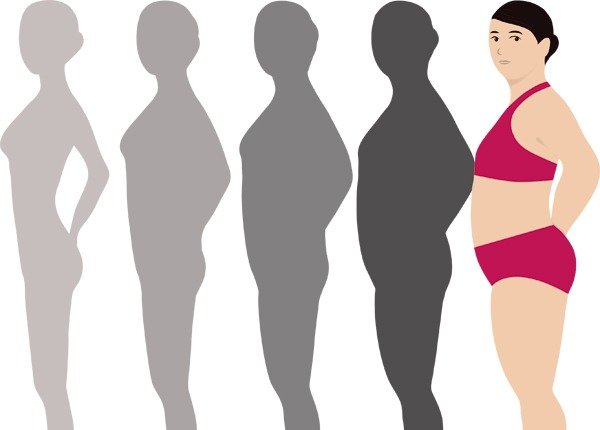
There are individual factors—age, overall health—that influence the long-term success of the procedure. Patients need to prepare for a more extended recovery period compared to their initial procedure.
Keep in mind that even though minor touch-ups can be done more quickly, more extensive corrections can require multiple hours in the OR.
Ideal Candidates for Liposuction Revision
Physical Health and Skin Elasticity
Being in good physical health is key to ensuring a successful revision liposuction. Patients who are at a stable weight, preferably within 15–20 pounds of their ideal weight, often have the best outcomes.
Preventative care is also important. Continuing a healthy lifestyle benefits your overall wellness and helps with healing and skin elasticity after your revision. Skin elasticity is a key factor, as it will impact how the skin molds to the new contours.
For instance, younger patients or patients with less skin laxity are more likely to end up with smoother, even results. Conversely, poor elasticity—often caused by aging or major weight loss—can make the liposuction revision not worth it.
The best way to determine skin condition and what you can realistically expect from surgery is to consult with a surgeon.
Realistic Goals and Expectations
Realistic goals are very important for someone looking into revision liposuction. It’s perfectly understandable to wish for the best possible outcomes, but patients need to realize that perfection may not be an option.
Surgeons can help set realistic expectations to avoid future disappointment through open dialogue with the patient about what is possible. Those who have been happy with their initial results typically desire an additional procedure to refine certain areas.
They often have more success when they go after these changes. Candidates seeking revisions from a natural course, such as age, should have conversations about long-term expectations.
Time Since Initial Procedure
Waiting at least six months after the initial liposuction is essential. This gives more than enough time for the body to fully heal, and for the original results to settle.
Since individual healing rates differ, it’s best to get advice tailored to your situation from your surgeon.
Preparing for a Second Liposuction
Steps to Prepare for a Second Liposuction
- The first step is meeting with a qualified plastic surgeon who specializes in revision surgeries. This way you can be assured a professional evaluation and understanding of all your options.
- Discuss the specifics of your first surgery – what areas didn’t quite measure up, what your concerns are, and what you think you might want. In this context, transparency enables the surgeon to plan the operation as effectively as possible.
- Surgeons recommend maintaining a stable weight, ideally within 15–20 pounds of your target weight. Staying active, like getting 30 minutes of exercise at least 5 days a week helps achieve better results.
- Revision liposuction removes smaller amounts of fat compared to the first. Communicate openly about your goals and set expectations that are realistic and in line with what surgery can accomplish.
Choosing an Experienced Surgeon
Revision surgeries are only for the most precise. Find surgeons who do a lot of second procedures. Verify their board certification and inquire about their success rates.
Reading patient reviews and requesting before-and-after photos from previous clients can help you determine their expertise. Building that trust and comfort with their approach is key to a positive experience.
Pre-Procedure Health and Lifestyle Adjustments
Healthy living truly makes or breaks your recovery and results. Well-rounded meals, regular workouts, abstaining from smoking, and moderate alcohol consumption—these all promote healing.
After surgery, most people are back to work in four to six weeks. They take it a little easier and don’t jump into strenuous workouts that early.
Setting Realistic Goals for the Outcome
More than anything, open communication with your surgeon is the best way to prepare! Communicate what you hope to achieve, but realize that your body’s response and the surgeon’s skill set may limit what you can have done.
Because revision costs can be 25% or more than the original procedure, it’s important to manage client expectations while still being realistic.
Recovery After Liposuction Revision
Expected Healing Timeline
Recovery after a revision surgery, particularly liposuction revision surgery, involves a gradual process; understanding the timeline can help set realistic expectations.
- You will likely experience some swelling and mild discomfort during the first few days.
- Most patients are comfortable enough to resume light activities in a week’s time.
- Vigorous activities, such as exercise, should be deferred for four to six weeks.
- Your bruising and swelling will subside over time, but this can take a few weeks.
- Complete recovery can take months, with final results becoming more apparent between one and three months as swelling subsides.
- Some people simply need more time to recover, particularly as the revision procedure will be on areas that have been worked on before.
Managing Swelling and Discomfort
Keeping in mind that swelling and discomfort are normal outcomes to be expected post-op, here’s how to make the healing process as effortless as possible.
Taking pain management as directed by your surgeon, whether that be prescribed medications or recommended over-the-counter options.
Compression garments are an important part of the recovery process.
Though some discomfort is normal, most patients report the pain decreasing dramatically by the time you hit one month post-op.
Tips for Optimal Recovery
- Carefully follow all post-operative care instructions.
- Stay hydrated and maintain a healthy diet during your recovery to promote optimal healing.
- Avoid heavy lifting or strenuous activities for at least one month.
- Attend follow-up visits to ensure proper healing progress.
Alternatives to a Second Liposuction
Non-Surgical Fat Reduction Options
If you’re looking for alternatives to a second liposuction, non-surgical fat reduction treatments may be right for you. They’re less invasive than a surgical procedure, with minimal downtime if any.
Here are some popular options:
- This method freezes fat cells, which your body naturally eliminates over time. It’s particularly good for larger areas such as the abdomen, thighs or arms.
- SculpSure: Using laser technology, it targets fat cells with warmth, providing a contouring effect. Sessions are short – usually about 25 minutes each.
- This injectable focuses on fat under the chin, helping reduce the appearance of a double chin.
- These procedures, which use heat to both tighten skin and target some fat concerns, are commonly selected for regions where skin redundancy is an issue.
Each of these options is very different and working with a qualified professional can help you identify the right option for your specific needs.
Lifestyle Changes for Better Results
Lifestyle changes would usually just enhance the results of any fat reduction technique. A healthy diet and regular physical activity will keep body contours intact and minimize the formation of new localized fatty deposits.
Weight management is important, as weight fluctuations can affect your results. These changes feel great and truly enhance surgical outcomes because they improve overall health.
Conclusion
Deciding to have a second liposuction is a personal choice that requires deep consideration. Often, there are areas that don’t respond as hoped, and a revision gives a great opportunity to start fresh and fix those issues. Recognizing the risks, benefits, and steps of the process will take place sets the stage for realistic expectations and optimal outcomes.
Looking into alternatives such as lifestyle changes or non-surgical treatments is advisable before opting for a second procedure. Each method has its advantages and disadvantages, so choosing the one that best lines up with your specific goals is what’s important.
Don’t rush. Talk to a reputable surgeon, get your questions answered, and consider all of your options. You are free to modify, reuse, or republish this article. By choosing wisely you’ll set out assuredly on the path that leads to the results you seek.
Frequently Asked Questions
What is liposuction revision?
Liposuction revision surgery is a secondary procedure aimed at correcting or enhancing the results of initial liposuction surgery, targeting areas that didn’t respond or require additional contouring for optimal results.
Why might some areas not respond to the first liposuction?
Some areas may initially be resistant to liposuction procedures, potentially due to uneven fat removal, lack of skin elasticity, or the presence of scar tissue from previous surgeries.
How do I know if I need a second liposuction?
Always seek the advice of your own board-certified plastic surgeon. If you find that some areas didn’t take as expected after your initial liposuction surgery, a second liposuction procedure can help achieve the desired results.
What are the risks of a second liposuction?
Risks associated with this liposuction revision surgery involve scarring, infection, and/or prolonged swelling. Additionally, there is a risk of worsened skin excess and contour irregularity following the secondary liposuction procedure.
Who is an ideal candidate for liposuction revision?
Ideal candidates for a second liposuction procedure are healthy individuals with a stable weight and good skin elasticity, who should be well-informed about the potential outcomes of revision surgery.
How long is the recovery after liposuction revision?
Most people find recovery from liposuction procedures to be around 1–2 weeks, though swelling can take some additional time to settle down. Listen to your surgeon’s advice and care for yourself to achieve the best possible surgical outcome.
Are there alternatives to a second liposuction?
Sure, non-invasive options such as CoolSculpting or SculpSure can nip in the bud. These non-surgical treatments can help eliminate small areas of stubborn fat without invasive surgery, but for more significant changes, liposuction procedures may be necessary. Remember to consult a medical professional before making any decisions.
 Directions
 Call Us
 Email Us