
The Optimal Timing for PRP Injections After Liposuction: Recovery Timeline and What to Expect

Key Takeaways
- Best to time PRP to align with your healing phase for optimal effect, whether immediate (hours to days), early (1 to 2 weeks), late (3 to 6 weeks), or a custom window guided by your recovery indicators and procedure specifics.
- Leverage PRP in the inflammatory and proliferative stages to reduce swelling and increase collagen and vascularity. Save late PRP for remodeling, scar enhancement, and contour refinement.
- Consider patient factors including general health, medications, procedure scope, and recovery objectives when planning PRP to ensure safe treatments and address specific cosmetic or functional recovery goals.
- Pair PRP with guided rehabilitation, low impact exercise, and personalized post care for reduced downtime, enhanced comfort, and long term remodeling.
- Adopt really cool post-care modifications such as avoiding anti-inflammatory drugs, watching for complications, and documenting week-by-week progress with photos and measurable goals.
- Think complementary therapies and continued protocol review to maximize regenerative impact and adjust PRP timing and frequency for stubborn concerns or long-term fine-tuning.
PRP injection timing after liposuction healing protocol means when is the optimal time to administer platelet-rich plasma after liposuction to aid in tissue regeneration. Depending on wound status, we usually initiate PRP injections once bleeding and major swelling have settled, often somewhere between one and four weeks.
Early use can assist cell signaling, with later sessions helping scar remodeling. Clinicians evaluate skin integrity, risk of infection, and patient variables to determine a safe timing for injections.
Optimal PRP Timing
Selection of PRP timing after liposuction determines quality of healing, final contour, and risk of complications. Time the injection to the wound-healing phase, match dose to clinical goals, and fit recovery milestones into a larger rehab scheme.
1. Immediate Window
Think PRP within hours or days after surgery, so it can act during the inflammatory phase. Administering concentrated platelets early leverages the body’s circulating active inflammatory cells to recruit growth factors and may reduce early swelling and accelerate initial wound closure.
Anticipate a modest increase in soreness and transient edema. Pain can hit 3 to 7 out of 10 the first week as inflammatory signals surge. During this period, begin light range-of-motion exercises to stave off stiffness without engendering strain.
Platelet dose matters here: aim for close to 10 billion platelets when possible, with at least 4 billion considered minimally effective. Immediate PRP can assist, but balance the potential for more injection pain and necessity to avoid NSAIDs that blunt platelets.
2. Early Window
Time your PRP around 1–2 weeks after surgery to promote the proliferative phase, where fibroblasts deposit collagen and new capillaries are formed. This timing optimizes collagen production and local perfusion, resulting in better tissue quality and helping the contour to settle.
I hear patients describe quicker resolution of swelling and earlier resumption of light daily activities when PRP is administered during this period. High-impact workouts are to be avoided during weeks 2–4 and anti-inflammatory drugs should be limited to preserve PRP action.
If no improvement is noted by 6–8 weeks, plan an early reassessment and consider repeat PRP or adjunct therapies.
3. Late Window
PRP at 3 to 6 weeks addresses the remodeling phase for stubborn contour irregularities, sluggish pockets, or low-grade inflammation. This window underpins long-term strength, scar remodeling, and soft-tissue contouring.
For recalcitrant regions, try advanced protocols combined with modalities and incorporate supervised physical therapy to direct tissue loading. PRP’s peak benefits might not manifest until months 3 to 6, so manage expectations and arrange a typical follow-up at 8 to 12 weeks after injection to track progress.
4. Personalized Window
Tailor timing to the individual: consider comorbidities, procedure extent, and healing signs. Tailor sessions according to objective indicators of swelling, scar pliability, and functional improvements during rehabilitation.
Mix PRP timing with an aggressive progression protocol that caps increase each week at 10 to 15 percent and postpones full high-impact return until 8 to 12 weeks with physician consent. Track outcomes in a simple table: date, window chosen, platelet dose, rehab notes, and reassessment results.
Biological Synergy
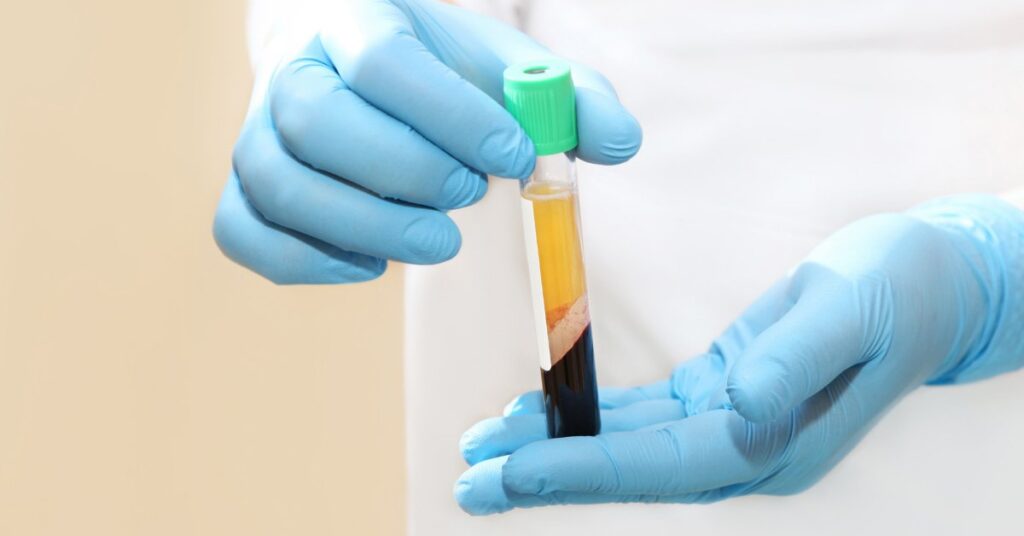
Biological synergy is the concept that two or more biological agents working together create an impact greater than each one individually. Synergy in PRP after liposuction means platelets, growth factors, cytokines, and local cells all collaborate to accelerate repair, reduce detrimental inflammation, and enhance tissue quality.
This section details how PRP fits into the body’s healing cascade and provides actionable timing advice related to the inflammatory, proliferative, and remodeling phases.
Inflammatory Phase
Use PRP early in the inflammatory window to direct the immune response instead of blunt it. Platelets secrete chemokines and platelet-derived growth factors that attract neutrophils and macrophages, which, in addition to clearing debris, prepare the environment for organized healing rather than chronic inflammation.
PRP’s utilization here is to adjust cytokine homeostasis, transitioning from damaging chronic inflammation to regulated resolving inflammation. PRP’s biological mélange of factors can minimize swelling and pain yet still facilitate important immune work.
No routine ibuprofen and steroid injections during this window; they blunt the cascade PRP relies on. For instance, one PRP session in the 48 to 72 hours after the procedure can be used selectively when bruising and swelling are marked and infection is not suspected.
Proliferative Phase
Schedule supplemental PRP treatments during the proliferative phase, approximately days 5 to 21 post-liposuction, when fibroblasts, endothelial cells, and keratinocytes are most active. Concentrated platelets deliver growth factors, including PDGF, TGF-β, and VEGF, which promote fibroblast proliferation and neo-collagen synthesis.
This promotes matrix formation and accelerates closure of the tissue planes disrupted by liposuction. PRP enhances neovascularization, which increases oxygen and nutrient delivery to healing fat and skin flaps.
Localized injections around regions of compromised perfusion, small grafts or nerve repair may enhance results. Even something like a handful of 1 to 3 sessions separated by a week during this window can optimize vascular growth and matrix strength.
Remodeling Phase
As the tissues mature over weeks to months, PRP can be employed to enhance scar quality and integrity. Late stage PRP, delivered after week 4 to 6, helps collagen remodeling and can encourage more organized, stronger collagen fibers instead of disorganized scar.
This is pertinent for maximizing contour and skin quality post-liposuction. Track recovery on a weekly basis to evaluate tissue responsiveness with objective photos and palpation to direct repeat treatments.
In musculoskeletal and osteoarthritis literature, we’ve seen that PRP combined with physiotherapy or biomaterials displays synergistic benefits. A similar multimodal approach post-liposuction, PRP in concert with controlled massage, compression, and targeted rehab may deliver superior long-term form and function.
Mechanisms are still being studied, and PRP composition and prep impact the synergy and results.
Patient Factors
They determine where PRP injections fall into a post-liposuction healing schedule and define anticipated results. The list below pinpoints critical variables clinicians should address before booking PRP and explains how these factors shift timing, protocol selection, and combination therapies.
- Age and baseline tissue quality (skin laxity, collagen status)
- Systemic inflammation markers and autoimmune disease
- Current medications: anticoagulants, NSAIDs, corticosteroids, hormone therapy
- Supplementation program: omega‑3s, vitamin D, herbal anti‑inflammatories
- Nutritional status and fluid, protein consumption and recent weight loss
- Sleep quality and circadian stability
- Smoking and alcohol use
- Extent and type of liposuction (power‑assisted, laser‑assisted, tumescent)
- Treatment area size and anatomical blood supply
- Presence of chronic conditions: diabetes, vascular disease, arthritis
- Pain profile and prior pain flares after activity
- Previous or future adjunctive treatments include stem cells, microneedling, and lymphatic massage.
Your Health
Address systemic inflammation, ongoing hormone therapy and supplements prior to the initial PRP treatment. Patient factors include checking labs or clinical markers as indicated. Elevated inflammation or active infection should postpone PRP.
Patients on anticoagulants or high-dose steroids require coordinated stopping or dose adjustment to minimize bleeding risk and enhance platelet function. Watch for evidence of compromised circulation or extreme postoperative edema. Poor perfusion reduces PRP efficacy, especially for tendon or distal limb locations where blood flow is reduced.
Modify plans for those with chronic pain syndromes, arthritis or orthopedic comorbidities. These patients frequently require staged injections and slower activity progression. Provide clear medication and supplement instructions. Stop NSAIDs around procedures, continue protein and hydration, and prioritize sleep to support cellular repair.
Your Goals
- Define cosmetic and functional goals with measurable end points: for example, reduce contour irregularity by clinical scale or photo comparison at 12 weeks. Regain full range of motion and pain of two or less with activity within 8 to 12 weeks.
- Set realistic timelines: expect an initial pain flare in 60 to 70 percent of cases, peaking at 3 to 7 out of 10 on days 1 to 3. Be aware that tendon healing could require 3 to 6 months to achieve maximum effect.
- Match PRP protocol to outcome: single injections for mild contour refinement, series spaced four to six or ten weeks for degenerative conditions, and combined rehab for functional recovery.
- Use specific tracking metrics: pain scores from zero to ten during rest and activity, sleep hours, protein intake in grams per kilogram, and standardized photos.
Your Procedure
Customize PRP to liposuction type and treated area. Facial or small-area PRP can be timed sooner, whereas larger body fields with more tissue trauma may require waiting to allow swelling and bruising to diminish.
Think about adjuncts like stem cells, lymphatic therapy, or topical growth factors and write them down. Integrative strategies alter timing and results. Account for intervention scale: larger volumes and extensive tissue disruption often benefit from a staged PRP plan.
Document procedural specifics—aspirate volumes, cannula size and intraoperative complications—to inform future orthobiologic decisions.
Enhanced Recovery
Enhanced Recovery after liposuction with adjunctive PRP marries cutting edge biologic therapy with evidence-based rehabilitation to minimize downtime, reduce complication rates, and bring patients back to the activity they love safely. PRP delivers powerful, concentrated growth factors that fuel tissue repair. Combined with defined activity restrictions, nutrition, and incremental rehab steps, the results are stronger.
The timeline for improvement typically starts at 2 to 4 weeks, strength gains at 4 to 6 weeks, and tissue maturation at 8 to 12 weeks.
Reduced Downtime
Let PRP reduce their healing time and get them back to their lives faster. Typical recovery after PRP follows four phases: inflammatory (week 1), proliferative (weeks 2 to 4), remodeling (weeks 4 to 8), and maturation (weeks 8 to 12). Many patients feel initial relief in weeks 2 to 4.
Follow protocol-specific milestones. Certain PRP protocols exhibit significant pain relief at week 3, others by week 4. Therefore, establish expectations depending on the selected protocol. Avoid NSAIDs 10 days before and 2 to 6 weeks after to let platelets signal well for less healing interference.
Minimize dependence on inflammatory drugs and steroid injections by accelerating native repair. PRP can reduce the requirement for systemic anti-inflammatories. Although 60-70% of patients will have an initial flare with pain at around 2-5 out of 10, this is transient.
Avoid deepening pain with early surveillance and graduated rehab. Document standard time frames for each type of PRP so doctors and patients can align on expectations.
Improved Comfort
Alleviate post-injection pain and swelling with targeted PRP placement and supportive measures. Simple steps include ice in the first 48 hours, compression garments as indicated, and short-term analgesia excluding NSAIDs. These steps reduce discomfort.
Expect transient edema and soreness. Proactive measures such as elevation, gentle range-of-motion, and topical care can limit these effects. Comfort your recovery – practice guided pain and apply heat after the first 48 to 72 hours if inflammation begins to decrease.
Provide practical guidance: avoid submersion in water for 48 hours, skip strenuous activity for 24 to 48 hours, and refrain from high-impact exercise during weeks 2 to 4. If soreness continues past anticipated windows, re-evaluate for issues or plan to adjust.
Post-Care Adjustments
Establish a simple post-care checklist with activity restrictions, wound care, and warning signs to communicate. Include nutrition targets: a protein-rich diet, steady hydration, and 7 to 9 hours of sleep to support repair. Poor nutrition, dehydration, and inadequate sleep slow recovery.
Follow specific rehab, including low-impact cardio, increasing resistance over 3 to 4 weeks, and targeted shoulder or trunk work where applicable, to complement PRP. Track recovery and adjust therapies if healing falls behind.
Be alert for infection, abnormal swelling or pain, and modify protocols, introduce imaging, or refer to specialists accordingly.
Expected Results
PRP after liposuction seeks to accelerate tissue repair, enhance skin quality, contour refinement, and minimize scars. Results come in waves; some changes happen fast and others take months. Here is a sample recovery timeline table illustrating likely symptoms at each stage.
| Timeline | Typical findings |
|---|---|
| 0–2 weeks | Acute inflammation; 60–70% report a temporary flare with pain 3–7/10; local swelling and tenderness |
| 2–4 weeks | Early relief for many; initial pain drop and mobility gains; subjective skin texture change begins |
| 6–12 weeks | Noticeable contour smoothing; many reach clinically meaningful pain reductions (≥1.37 VAS) |
| 3–6 months | Maximum tendon and deep tissue regenerative results, skin tightening and scar remodeling |
Skin Quality
PRP activates local growth factors which fuel collagen and elastin production, so skin texture, tone and elasticity can continue to get better for weeks to months. Early impacts are diminished redness and a softer texture to the treated zone.
Patients frequently notice visible smoothing by weeks three to four. More structural change, enhanced firmness and pore refinement, generally arises between 8 to 12 weeks and can extend to 3 to 6 months for deeper dermal remodeling.
For facial PRP adjuncts, anticipate focused anti-aging effects including diminished fine lines and enhanced skin glow in this window as well. Track with standardized photos and patient-reported scales to capture subjective improvements over time.
Contour Refinement
By incorporating PRP into post-liposuction care, you can help modulate inflammation and support tissue regeneration, reducing irregularities and improving contour definition.
Initial smoothing of small surface irregularities can be evident by 3 months, with deeper contour refinement at 8 to 12 weeks. When combined with fat grafting, PRP might enhance graft take by stimulating microvascular ingrowth.
Follow results with serial before-and-after photos taken in the same light and position and measurements or ultrasound to quantify tissue thickness changes.
Scar Appearance
- Maintain incision sites clean and dry for the initial 48 to 72 hours.
- Apply silicone sheets/gels once epithelialized for flattening and blanching scars.
- Repeat PRP sessions in 6 to 12 week intervals in hypertrophic scars.
- Apply sun protection to prevent hyperpigmentation of healing scars.
- Adhere to provider recommendations on massage and topical agents to support remodeling.
PRP encourages collagen remodeling and tissue healing that can render scars less visible over months. Targeted repeat treatments assist with raised scars.
Records scar changes with photographs and scar scales, and anticipate progressive enhancement with maximal benefits frequently after three months.
Beyond The Protocol
Above The Protocol goes deeper on adjuncts, up and coming alternatives, and what clinicians and patients can actually do to achieve results after PRP liposuction injections. It discusses adjunct therapies, novel orthobiologic concepts, strategies for remaining protocol flexible, and actionable steps to assist recovery meet timelines.
ESWT and targeted supplementation can optimize PRP results if properly timed. ESWT in the subacute phase, usually after the 0–2 week acute window, can reduce pain and increase blood flow to treated areas, enabling PRP to act more effectively. Consider administering ESWT during the isometric to isokinetic phases (weeks 2–6) to support tendon and soft tissue remodeling.
Supplements to support healing such as collagen peptides, vitamin C, zinc, and omega-3 fatty acids, as well as a protein-rich diet, adequate hydration, and quality sleep, offer the substrate to repair the tissue. Remember that bad nutrition, sleep loss, or dehydration impair recovery regardless of measures.
Novel treatments and future interventional orthobiologics are worth monitoring and selectively incorporating as evidence supports. For instance, hybrid therapies like PRP with hyaluronic acid provide volume and glide in more superficial planes, or PRP with microfat grafts amplifies contour and healing post-liposuction.
Gene modulation and exosome therapies are under study and hold promise to provide targeted signaling to accelerate repair, but are experimental. Clinicians should benchmark platelet dosing norms, roughly 10 billion platelets per injection as the sweet spot, and at least 4 billion as an MEC prior to embracing adjuncts.
Great results maintain the review of protocols. Use objective measures: pain scores, range of motion, and functional tests tied to the four-phase physical therapy plan: Acute (0 to 2 weeks), Isometric (2 to 4 weeks), Isokinetic (4 to 6 weeks), Return to Function (6 or more weeks).
Patients who adhere to structured progression outperform those who self-direct. Slowly increase load, increasing it by 10 to 15 percent per week rather than huge leaps. Anticipate initial change as early as six to eight weeks, but educate patients that peak advantages typically develop by month three to six, particularly for tendon healing where blood supply is poor and needs are greater.
Actionable steps: Set platelet count targets before injection, align ESWT and progressive rehab timing with the four-phase plan, prescribe a nutrition and sleep plan, and document outcomes to refine the approach. Customize speed according to injury severity, patient age, treatment location, and activity intensity.
Conclusion
PRP injections into recovery post-liposuction have specific timing and objectives. The wound stabilizes and drains less usually within 1 to 3 weeks for most patients. Early PRP reduces swelling and accelerates tissue healing. Later PRP, at around 4 to 8 weeks, supports collagen build and improves skin texture. Patient age, health, and the liposuction region alter timing and dose. Look forward to reduced bruising, increased skin firmness, and improved contours with staged PRP treatments. Follow-up photos and easy tests measure progress. Come up with a schedule for PRP injections in consultation with your doctor and your specific healing process. Book a consult to map timing, dose, and expected milestones.
Frequently Asked Questions
When is the best time to get PRP after liposuction?
Both the majority of studies and clinical practice agree on a 2 to 6 week window after surgery. This strikes a balance between minimizing inflammation and promoting tissue repair. Your surgeon’s evaluation of closure status and risk of infection will determine the precise timing.
Can PRP be done immediately after liposuction?
Immediate PRP is not typically advised. Too early application can disrupt acute inflammation and increase infection risk. Wait until wounds are closed and inflammation is resolved.
How do patient factors change PRP timing?
Smoking, diabetes, medications and immune status all delay healing. These situations tend to delay PRP, often beyond six weeks, until the surgeon feels there is sufficient tissue healing.
What benefits does PRP provide during recovery?
PRP can accelerate soft tissue healing, minimize bruising and swelling, and enhance skin quality. It harnesses growth factors to aid collagen and vascular repair for more seamless contours.
How many PRP sessions are typically needed after liposuction?
Most patients respond to one to three sessions, two to six weeks apart. Your surgeon will customize the number depending on healing speed, the area treated, and your desired cosmetic result.
Are there risks or side effects of PRP after liposuction?
PRP risks are low since it uses your blood: mild swelling, bruising, or temporary soreness. Infection risk is minimal when performed sterilely by a qualified provider.
How will I know PRP is appropriate for my healing?
Your surgeon will evaluate wound closure, inflammation, and general health. When tissue is stable and non-infected, PRP is usually a safe and helpful option. Request pictures or clinical shots to document progress.
 Directions
 Call Us
 Email Us