
The BBL Phenomenon: Cultural Influences and Societal Trends

Key Takeaways
- Buttock augmentation, or BBL, has become increasingly popular due to evolving beauty standards, social media influence, and celebrity endorsements, reflecting a broader societal shift toward curvier body ideals.
- Platforms like Instagram and TikTok amplify BBL trends through “before and after” photos and influencer promotions, normalizing cosmetic procedures and shaping public perception.
- Cultural and demographic factors largely influence how BBL is perceived and discussed. Generational, regional, and socioeconomic differences impact acceptance of this procedure.
- Given the seriousness of the BBL procedure, ethical considerations are extremely important. Ethical considerations such as informed consent and body image concerns are central to patient safety and satisfaction.
- Non-surgical alternatives, such as body contouring treatments, targeted exercise routines, and lifestyle changes, offer less invasive options for enhancing the buttocks.
- Opt for surgeons who are qualified, board-certified by the American Board of Medical Specialties. It’s important to understand the risks and long-term implications for anyone considering a BBL or something similar.
The Brazilian Butt Lift—affectionately known as the BBL—has become overwhelmingly popular. Social media is more than ever the driving force behind cultural trends and beauty standards. Its dramatic rise in popularity highlights the shifting dreams of corporeal beauty.
Social media, celebrity culture, and individual desire often fuels these changes. This popular cosmetic surgery procedure moves fat from other parts of the body to make the patient’s buttocks the star of the show. Its popularity draws people who want very particular proportions and curves.
Alongside its growing demand, public perception varies, with discussions ranging from empowerment and self-expression to concerns about safety and societal pressure. Understanding this trend brings us closer to understanding how beauty ideals develop and intersect with personal agency.
In the next few sections, we’ll look at its cultural influence, why people choose it, and the overall discussion about body positivity and body image.
What is Buttock Augmentation (BBL)?
Tock augmentation, more popularly called the Brazilian Butt Lift (BBL) has quickly become one of the most sought after cosmetic procedures. It improves the size and shape of your buttocks. You can do both with surgical and non-surgical methods.
The surgical approach While more invasive, the surgical approach is more favored due to its prolonged, consistent results and life-altering outcomes. Of the surgical options, autologous fat transfer (buttock augmentation, BBL) is the most favored, comprising 94% of such procedures.
Initially, we liposuction fat from areas like the abdomen, hips, or thighs. After that, the fat is purified and injected into the buttocks to create an enhanced, contoured appearance. Or, for patients who don’t have enough body fat to transfer, silicone implants can be used. These implants give the durability of an implant, lasting on average 10 to 15 years before a replacement is needed. Surgeons also screen BBL candidates for lipedema, since the thigh and hip fat in that condition is painful, inflamed and a poor donor source; those patients are better served by lipedema specialists.
Here are some common reasons why patients request BBL. Women who want buttock augmentation usually want to create a better waist-to-hip ratio, more hourglass figure and create more symmetry and volume with the roundness of their buttocks.
The procedure, which has seen a 77.6% rise in popularity since 2015, is wildly successful on international shores. This increase is indicative of larger cultural movements that are focusing on body positivity and celebrating individual expression.
BBL provides a more natural-looking enhancement than buttock implants or non-surgical fillers. It creates natural-looking, beautiful body contours. It accomplishes all of this by using the patient’s own fat.
During this time, recovery typically requires at least two weeks of minimal activity. Adhering to dedicated aftercare instructions is extremely important for proper healing and to achieve your desired results. This meticulous approach further illustrates why BBL continues to be the go-to technique for achieving these aesthetic outcomes.
Why Is BBL Gaining Popularity?
The increasing popularity of Brazilian Butt Lift (BBL) surgeries is a product of a complex tapestry of cultural, social, and economic influences. In recent years, beauty standards have progressively moved toward embracing more voluptuous figures. Where the 1990s celebrated monochromatic, slim athletic builds, now pretty much the complete opposite—the fuller, bottomed curviness—has become all the rage.
Breast augmentation used to be the unequivocal king of cosmetic procedures. Tock augmentation has quickly taken the lead, with close to 400,000 procedures now done globally just in 2021. This shift speaks to changing tastes driven by the cultural paradigm and media portrayal.
Evolution of Beauty Standards
Standards of beauty are incredibly fluid—always changing in stride with culture. When hip hop first emerged in the early 2000s, the media was enamored by these slender frames. In recent cosmetic history, curvier aesthetic ideals have come to the fore, largely based on cultural influences.
Additionally, the increasing focus on the body positivity movement and acceptance of various shapes has led to a greater acceptance of procedures such as BBL.
Social Media’s Impact on Body Image
Social media outlets such as Instagram and TikTok only exacerbate these unrealistic beauty standards by promoting them through retouched photographs and toxic viral fads. Apps such as Facetune are setting unrealistic benchmarks, pressuring users to try and replicate these images with invasive procedures.
Influencers often post “before and after” pictures, normalizing procedures like BBL to their millions of followers and altering their perceptions of beauty.
Celebrity Influence and Endorsements
It’s not just celebrities who are to blame here, though. Celebs sharing their BBL stories or flaunting their new curvy looks are influential. When public figures create these trends, it makes surgical enhancements feel more attainable and socially acceptable.
These endorsements don’t tell you about the risks, including a 2017 study’s 1 in 3,000 mortality rate.
Societal Trends Driving Demand
With fashion trends focusing on form-fitting clothes and socially contagious effects, BBL becomes more attractive. Financial incentives open up these procedures to a larger, often less-informed demographic.
Cultural Shifts in Aesthetics
Today, globalized beauty standards still affect how we view different body shapes, merging local aesthetics with more global narratives. This in part speaks to shifting notions of femininity and beauty around the world.
Cultural Perceptions of BBL
An increasing demand for procedures like the Brazilian Butt Lift (BBL) is indicative of the changing beauty ideals that have largely been influenced by cultural, social and economic factors. Perceptions of BBL are drastically different by age, income, and race/ethnicity. This variation is a window into the rapidly increasing demand for BBL and the shifting cultural perceptions of it.
Varied Views Across Demographics
Acceptance of BBL varies significantly by demographic. Younger adults, particularly those age 18 to 34, perceive cosmetic surgery as an acceptable way to improve one’s appearance. Social media trends and celebrity culture play an enormous role in creating this perception.
Older generations are more likely to be wary of these procedures, focusing on natural aging rather than surgical intervention.
| Group | Acceptance Level |
|---|---|
| Young Adults (18–34) | High |
| Middle-Aged (35–54) | Moderate |
| Seniors (55+) | Low |
Education and awareness is a big component. Those who are aware of the dangers and outcomes associated with BBL usually make level-headed decisions. When misinformation drives a wedge between views, public perception can be mixed.
Generational differences underscore these attitudes, with millennials and Gen Z adopting surgery with increased acceptance compared to baby boomers.
Regional Differences in Acceptance
Areas such as South America, and specifically Brazil have always embraced curvy figures creating a demand for BBL. In both Africa and Oceania, affordability and the ability to access the technology are the most important factors leading to increased interest.
Back in Europe and North America, changing beauty ideals and TikTok trends like the #BBLChallenge are helping to drive massive popularity. Some areas push back against BBL for reasons related to cultural body standards that promote natural bodies.
Impact of Cultural Narratives
Media and cultural narratives deeply influence how we view BBL. Celebrities and influencers often promote curvy figures as aspirational, normalizing surgery to achieve these ideals.
Social media storytelling about beauty, for better or worse, increases the burden of societal expectation. Consequently, many individuals see BBL as an opportunity to go along with these fads.
Ethical Considerations of BBL
From an ethical standpoint, addressing the ethics of Brazilian Butt Lift (BBL) procedures requires us to weigh respect for patient autonomy against the obligation to do no harm. BBL has quickly become one of the most sought-after procedures. As it ascends, it poses troubling ethical dilemmas that go beyond the realms of safety and patient education to societal effects.
Informed Consent and Patient Education
Informed consent starts with straightforward, truthful dialogue. Patients should receive detailed materials covering key points such as mortality risk, which was once one in 3,000 in 2017, bettered to one in 14,921 by 2019.
Additionally, potential complications, such as fat necrosis (0.56%), seroma (2.40%) and pain (0.76%), must be clearly communicated. The type of experience and qualifications of the surgeon who will be doing the procedure is also crucial information.
Transparency is where it is at though. Pre-operative consultations must explore deeper into risks, realistic outcomes, and alternatives. Surgeons, first and foremost, need to address the emergence of untrained BBL operators.
Further, unregulated practices are much more likely to result in complications and achieve inferior outcomes.
Addressing Body Image Issues
While BBL can have a profound impact on an individual’s physical appearance, psychological effects are more complex. For many, better aesthetics increase self-confidence.
However, procedures associated with discretionary beauty standards almost always exacerbate body image issues or bring on body dysmorphic disorder. Counseling prior to surgery allows these underlying issues to become apparent, ensuring patients are psychologically prepared for the potential outcomes.
Cultural Sensitivity in Consultations
Cultural competence improves the quality of care for all patients. Getting to know a patient’s cultural background, family dynamics, and values informs tailored recommendations that result in higher satisfaction.
For example, cultural values shape what the standard of beauty is and how one sees themselves after surgery. Surgeons need to weigh these beliefs alongside clinical recommendations to promote culturally competent care, trust, and realistic expectations.
Risks and Safety Concerns
Brazilian butt lift (BBL) surgeries have experienced a significant boom in popularity due to their life-changing effects. It’s important to grasp the risks at play in order to make smart decisions. While the procedure holds great promise for improved aesthetics, it raises serious safety issues that must be addressed with careful scrutiny.
Understanding Surgical Complications
BBL surgeries come with potential complications, including:
- Fat embolism, which is possible if fat globules enter the blood.
- Seroma (fluid accumulation), occurring in as many as 2.40% of procedures according to studies.
- Pain (0.76%), rashes (1.30%), and fat necrosis (0.56%).
- Morphological abnormalities, such as uneven fat distribution (0.64%).
These complications differ based on individual factors such as medical history, anatomy of the body, and post-operative care. Early signs such as swelling, redness, pain, or difficulty breathing must be treated right away to prevent serious consequences.
Importance of Qualified Surgeons
Surgeon choice is one of the most important factors in determining safety. With board-certified plastic surgeons, you’ll benefit from the rigorous education and training that prepares them to effectively reduce risks. Their medical qualifications help them to always use proper techniques, like injecting fat above the muscle to reduce the chance of fat embolism.
Solutions that involve unlicensed practitioners or options through medical tourism typically do not have safety measures in place, raising the risk for complications. Given the estimated global mortality rate of BBL procedures, the risks are alarming. It claims one death per 3000 operations, such as the 25 deaths reported in the U.S. Over five years.
Long-Term Health Implications
BBL procedures have lasting effects such as abdominal numbness. It’s a long haul of recovery with bending strictly forbidden and sleeping face-down for six weeks while using special travel pillows to sit.
Lifestyle factors, like keeping to a healthy weight, are a factor as well. Subsequent follow-up care is essential to tracking long-term health effects and quickly responding to complications that may arise.
The Role of Media and Influencers
Media and influencers have a huge impact on what we view as beautiful. This is glaringly obvious when it comes to the increasing trend of Brazilian Butt Lift (BBL) procedures. By promoting narrow beauty standards, they contribute to shaping viewers’ perceptions of themselves and what they should strive to be.
Social media platforms like Instagram and TikTok often highlight exaggerated curves through filters, editing apps like Facetune, and viral trends such as the #BBLChallenge. These platforms further drive demand for BBL by normalizing and glamorizing these body types.
Shaping Public Opinion
When news outlets cover BBL surgeries, they center a narrative of risk. For example, the known mortality rate is one in 3,000 surgeries. Though this counters their agenda by raising awareness, it creates fear and confusion.
Reality shows and documentaries further shape public views, often portraying cosmetic surgery as both glamorous and achievable, which can trivialize the risks involved. Over time, public discourse has evolved, shifting from skepticism about cosmetic surgery to its widespread acceptance as a tool for self-expression.
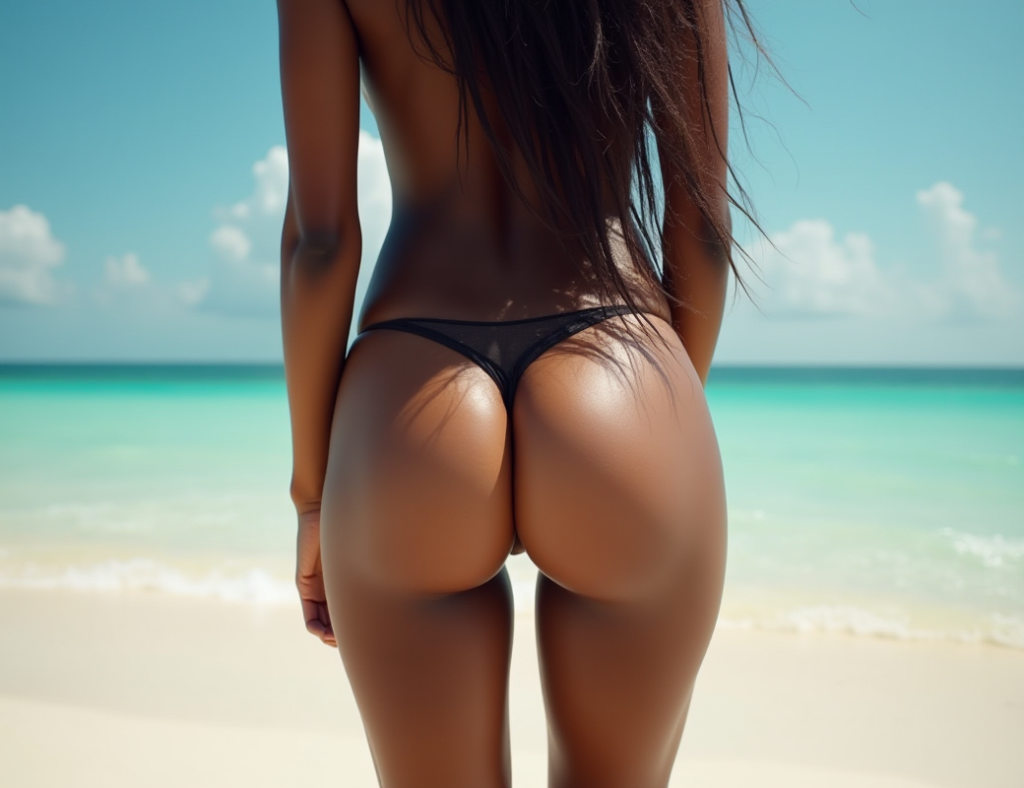
Promoting Unrealistic Expectations
We know that social media often promotes unrealistic beauty ideals. Edited images of influencers and celebrities like Kim Kardashian and Nicki Minaj create an illusion of perfection that many strive to mimic.
Without transparent and honest communication in the midst of consultations, patients are left going into procedures with false hope, creating a breeding ground for disappointment. Deceptive marketing tactics and rough anti-vaxxing misinformation pervade the internet, skewing the understanding of what is actually possible.
Counter-Narratives and Body Positivity
In response to the BBL trend, body positivity movements challenge traditional beauty norms by promoting acceptance of diverse body types. Thanks to this double-edged sword, social media does still work to create spaces for these counter-narratives of authenticity.
Patient Motivations for BBL
The increasing popularity of Brazilian Butt Lifts (BBL) represents a convergence of individual desire, socio-cultural values, and mental health. Many individuals seek the procedure to align their physical appearance with societal ideals, often shaped by media and celebrity culture. Knowing these motivations provides a glimpse into why BBL has become one of the most popular, in-demand cosmetic surgeries in the world.
Desire for Enhanced Curves
In many cultures, curvier body types have cultural significance, serving as symbols of femininity, attractiveness, or even wealth. In the U.S., the rise of celebrities with hourglass figures has thrust this aesthetic into the limelight, putting this ideal into the minds of the masses.
For these women, the motivation behind wanting more attractive curves is not social media driven trends, but instead personal ambition to achieve beauty ideals they set for themselves. Psychological motivations, like the desire for body symmetry or proportionality, can further compound this desire.
Patient Concerns
Ninety-four percent of BBL procedures are performed using autologous fat transfer. This demonstrates patients’ acute aversion to the “fake” look and underscores their desire to achieve a more curvaceous, aesthetic silhouette.
Addressing Body Dissatisfaction
For those motivated by body dissatisfaction, BBL offers a chance to remove troublesome fat and create the desired hourglass shape. This dissatisfaction frequently intersects with mental health, as an unhealthy body image can lead to decreased self-esteem or increased anxiety.
Interestingly, only 30% of patients feel their body image has improved after surgery. Whether through counseling or personal introspection, it is important to focus on these issues in advance. BBL provides an opportunity for someone to feel more comfortable in their skin, but it’s not a fix for lacking internal acceptance.
Seeking Social Validation
Social media has been shown to create a comparison culture, where popularity through social media likes and comments immediately validate standards of beauty. Thousands of people seek out BBL to help them fit into these standards.
Chasing that outside approval can do a real number on self-esteem. It’s very important for patients to be clear about their motivations prior to surgery.
Alternatives to BBL Surgery
BBL surgery has quickly risen in popularity, well known for its incredible transformative results. Just as important is the need to look for safer, less invasive alternatives that have long been on hand. Non-invasive techniques and natural beauty enhancements provide safe, effective options to help you look the way you want, minus the downtime and dangers of surgical procedures.
Non-Surgical Enhancement Options
Several non-surgical techniques can enhance the appearance of the buttocks. These injectables provide volume and lift, offering immediate results. They need to be maintained every 6-12 months.
Using your own fat, harvested via liposuction, is a safer procedure compared to BBL, with fewer complications. It’s perfect for natural-looking improvements.
These non-surgical alternatives work to gradually restore collagen production, which tightens and lifts the skin with natural results. They’re only appropriate for patients with realistic goals who want subtle results.
Padded underwear and compression leggings offer an instant boost without medical intervention. Though these alternatives pose less risk, their outcomes are often short-lived or more moderate. Working with a qualified professional will help make sure that the technique you choose supports your goals.
Lifestyle Changes and Exercise
Exercises such as squats, lunges, and glute bridges help you build and tone muscles, giving your buttocks a more lifted appearance. Combining this with a nutrition plan that prioritizes protein intake helps to build muscle and redistribute the appearance of fat.
Unlike fad diets, these changes lead to all-around improvement in health, with everything from greater muscle development to improved posture.
Body Contouring Treatments
Innovations in laser lipolysis, cryolipolysis and other body contouring innovations deliver effective body contouring without surgery. These sculpting and tightening treatments are non-invasive, with little to no downtime!
Though less dramatic than BBL, they’re safer, with fewer risks and less downtime.
Conclusion
BBL today sits at the nexus of beauty and culture, personal decision and production, innovation and appropriation. The increase reflects how cultural trends can influence views on one’s body image and self-esteem. It’s more complicated than aesthetics vs. T empowerment — it’s about how folks maneuver through cultural ideals and personal empowerment.
Acknowledging motivating factors, inherent risks, and safer alternative procedures allows for a more productive conversation about BBL to take place. We understand that media and influencers have a tremendous responsibility and impact. Individual goals and health and safety should always take precedence.
Whether you’re thinking about getting a BBL or just want to understand this current craze, knowledge is power. Consider every alternative, seek answers to your inquiries, and stay centered on what you desire and believe works best for you. Beauty isn’t one-size-fits-all—it’s subjective and personal.
Frequently Asked Questions
What is a BBL?
BBL, or Brazilian Butt Lift, is one of the most sought after cosmetic surgeries. Unlike implants, which some women choose, this procedure shapes and sizes your buttocks by transferring fat from other parts of your body.
Why is BBL so popular?
BBL is popular due to trends emphasizing curvier body shapes, often promoted by celebrities and influencers. Its power to contour the body by using the patient’s fat is key here.
Is BBL safe?
Even though BBL can be safe when conducted exclusively by experienced surgeons, there are considerable risks associated with the procedure, including fat embolism, infection, and anesthesia-related complications. Always consult a board-certified plastic surgeon.
What are the cultural influences behind BBL?
Societal beauty standards, media representation, and Eurocentric standards privilege trends that value hourglass figures, particularly in the context of Western culture, which contribute to BBL’s popularity.
Are there non-surgical alternatives to BBL?
Yes, alternatives such as Sculptra injections, dermal fillers, or exercises are available to help build muscle in the glutes. These are less invasive alternatives that don’t always result in quite the dramatic effects that surgery can produce.
How do influencers impact BBL trends?
These influencers kill two birds with one stone—demonstrating their own BBL transformation while fostering a new, curvier beauty standard that makes BBL seem more desirable. Social media increases the visibility and reach of these trends.
What motivates people to get a BBL?
Typical bbl motives can be to improve one’s self-esteem, get the shape of body they want, or fix an asymmetric shape. Patients frequently seek to match their look to their individual preferences or cultural objectives.
 Directions
 Call Us
 Email Us