
How Does Weight Gain Affect Skin Structure and Texture After BBL?

Key Takeaways
- Transplanted fat behaves like normal fat. If you gain weight, your butt gets bigger. If you lose weight, it can shrink. Hope to maintain your weight in order to protect your BBL results and track changes in images and circumferences.
- Let at least 6 months allow grafts to develop direct blood supply and try to avoid significant weight fluctuations during this time for fat survival and to minimize the risk of complications.
- Not that you’re likely to do this, but severe or rapid weight gain will stretch skin, increase laxity and exacerbate textural concerns such as cellulite or striae. Focus on slow, incremental adjustments and skin-supportive practices.
- Uneven weight distribution or asymmetric fat take can cause visible asymmetry. Be on the lookout for fluctuations post week eight and reach out to your surgeon sooner if one side looks bigger or deformed.
- Live a balanced lifestyle of consistent nutrition, glute-strengthening exercise, hydration, and avoiding large weight fluctuations to maintain contour and health.
- Revision should be contemplated only after long-term weight stabilization if you develop significant shape distortion, stubborn asymmetry, or a weight gain of more than 10 kilograms. Always discuss timing and objectives with your surgeon before considering additional procedures.
Weight gain after BBL refers to an increase in body weight following a Brazilian butt lift surgery. Even minimal weight fluctuations can impact buttock contour, as BBL fat transfers move when body fat changes. Diet, activity, fluid balance, and hormones all play a role. Surgeons advise gradual weight watching and targeted exercise to maintain results. The main body discusses causes, timelines, and actionable steps to control your weight after BBL.
Biological Response
BBL transferred fat cells behave like native fat and will respond to weight gain and loss. Knowing how grafted fat behaves, how many cells survive, and how surrounding tissues adapt is part of predicting long-term results and planning lifestyle choices. The subsections below parse the primary biological players behind post-surgical buttock shape changes.
1. Fat Hypertrophy
Weight gain makes both your native and grafted fat cells in your butt expand, resulting in a more curvaceous appearance. Engrafted cells that make it through the move, which is generally assumed to be 50 to 70 percent, have the same ability to store and grow as their preexisting adipocyte neighbors. Fast or extreme weight gain can cause asymmetrical growth, potentially warping the artistically sculpted curves carved out by the BBL to create different proportions than desired. Keep an eye on any visible size changes with routine photos taken from the same angles and lighting. This will catch creeping hypertrophy before it becomes pronounced. A balanced diet and regular exercise restrict large fluctuations, assisting in retaining the surgical result and the skin scaffolding that supports it.
2. Vascular Demands
Newly transferred fat must re-establish blood flow to survive. During the initial healing period, on the order of the first six months, angiogenesis and tissue integration are active and frail. Any excessive weight gain or swelling in that window can strain vascular supply and diminish graft take, decreasing the long-term survival rate of transferred cells. Steer clear of early muscle or fat gaining schemes. Soft recovery habits, such as a slow build in activity, proper hydration, and balanced nutrition, nourish the vascular systems that feed grafted tissue and defend the procedure’s ROI.
3. Distribution Shifts
Weight gain post BBL can manifest more in untreated areas like the belly, thighs, or flanks. Liposuction eliminates local fat cells, so those areas have a diminished capacity to store new fat, and additional weight can end up somewhere else. These patterns are highly influenced by individual genetics, making responses across patients unpredictable. Monitor differences by taking measurements or using a table with abdomen, hips, thighs, and buttocks at regular intervals. This tracking exposes if ratios are changing and guides modifications to nutrition or physical activity.
4. Asymmetry Risks
Uneven weight gain or unequal graft take can lead to asymmetry between buttock sides or between hips. Observe for one side seeming larger or a localized bulge forming. Early discrepancy beyond week eight can signal differential graft survival or residual edema. Typical culprits are inconsistent fat grafting, marginally varying vascularization, or even behavioral quirks such as cocking your hip to one side when you sit. If the asymmetry worsens, visit the surgeon to see what your options are, either conservative measures or touch-up surgery.
Structural Alterations
Significant weight gain after a BBL can change the skin and deeper tissues of the buttocks, altering shape, projection, and firmness. These changes depend on where new fat is stored, the quality of the skin, and whether the procedure was surgical or a liquid BBL using fillers. Documenting contour changes over time helps patients and clinicians evaluate whether alterations are temporary, progressive, or require revision.
Tension Changes
Additional fat volume exerts more tension on the skin and connective tissues. As the buttocks become bulkier, the skin is stretched and the fascia has to support more load. This causes a feeling of tightness and pain at times in the area where the tissue is pulled taut. Check for changed range of motion, like decreased hip flexion or pain while sitting. Keep a simple list of symptoms to watch: tightness when standing, sharper soreness after activity, numbness, and areas where the skin feels unusually firm.
Strain can expose imbalance. If one side stores more fat, that side can feel tighter and look more projected. The filler of a Liquid BBL does not shrink with weight loss, so any added volume from weight gain can push existing filler out of balance and cause distortion in rare cases. Acute over-projection resulting from weight gain is rare but does occur, particularly if new fat is distributed asymmetrically.
A well documented history of onset and pattern assists decision making. Note timing of symptoms, activity level when symptoms exacerbate, and any observable change in contour. Intermittent pictures come in handy for contrast and surgical planning.
Laxity Factors
If you gain weight too quickly or gain too much weight, skin will stretch beyond its elastic capacity, resulting in lax, sagging skin. Once skin loses its elasticity, it might not spring back even if you plateau later with your weight. Older patients or those with compromised skin quality are at greater risk for fold formation and laxity after a BBL. Watch for the development of loose skin, creases under the buttock, and loss of upper-pole fullness as indications of compromised support.
Avoid weight fluctuations to lower your risk. Even minor shifts of a few pounds can redistribute fat around the body and usually maintain the fundamental structural equilibrium. Liquid BBL can accommodate patients with slight weight fluctuations because filler provides a bit of consistency as time passes. Still, a healthy diet and frequent exercise are the best defenses to maintain tone and prolong results. Two individuals at the same weight can have very different proportions, so personalized evaluation counts when designing or modifying a BBL.
Texture Variations
Weight gain post BBL can alter skin structure and introduce all sorts of texture variations. The buttocks tend to go through different phases post-op as the swelling, inflammation, and fat graft settle. These transitions can render dimpling, roughness, or temporary imperfections more apparent prior to the ultimate contour settling.
Cellulite Formation
Extra fat can accentuate cellulite that’s already there, especially in individuals with a genetic predisposition. Cellulite is dimpled or uneven skin caused when subcutaneous fat presses up against fibrous connective tissue. Following a BBL, the added fat volume and settling of grafted fat can tip that balance and change skin smoothness.
- Keep your weight stable, eat right and exercise to lower the risk of new cellulite. Rapid weight gain adds volume of fat and stretches out connective tissue, both of which make dimpling worse.
- Get some consistent resistance and cardio exercise to firm up the muscle underneath the skin and stimulate circulation. More powerful glute muscles fuel silky shapes.
- Try to avoid days of inactivity and early in your recovery, think about focused massage or lymphatic drainage to help minimize any extended swelling that can contribute to an over-exaggeration of those texture variations.
- Apply topical firming products and sun protection to reinforce the skin. Although the jury’s out, hydrated skin may look softer and more supple.
If you take before and after photos at the same time (same lighting, same pose) then you can judge cellulite changes objectively. Those small monthly weight fluctuations that lots of women deal with typically lead to minimal texture variation and seldom reverse BBL effects. Major or quick weight gain, though, more frequently results in apparent cellulite exacerbation and may impact cosmetic result.
Stretch Marks
Rapid or significant weight gain will stretch the skin and cause new stretch marks on the booty. These are the stripe marks that occur when the dermis rips and the skin’s elastic fibers are overloaded. Patches of thinner or less elastic skin are most susceptible to new marks.
Monitor stretch marks development as part of post BBL observation. Record color, length, and depth so changes can be reported to a clinician. At first, they can be red or purple and then fade to pale strips, with some treatments working better on new ones and other treatments on older. With consistent moisturizing, topical retinoids as needed, and procedures such as microneedling or laser under physician guidance, appearance can be minimized. Skin-repair lifestyle habits—plenty of protein, vitamin C, and hydration—reduce mark severity. Keep in mind that inflammation and swelling are normal up to six weeks and liposuction areas can remain altered for four to six months, which can temporarily change texture. Attaining and holding a stable weight pre- and post-surgery is still the best way to reduce long-term textural issues.
Systemic Consequences
Weight gain after a Brazilian butt lift (BBL) doesn’t just impact the area treated. It changes body proportions, skin tension, and metabolic equilibrium, all of which define systemic consequences. Here are targeted insights to clarify what changes to anticipate, why they occur, and how to cope with them.
Recognize that weight gain post BBL impacts more than just your booty; it impacts your entire body’s proportions and your health. When a person becomes heavily weighted, fat accumulates throughout the body and not merely at the graft site. This extra volume can cause the buttocks to appear over-contoured or out of balance with the rest of the figure. Additional fat in the hips, tummy, or thighs can shift the aesthetic balance surgeons sought. A patient who gains 7 to 10 kg may notice the waist no longer narrows relative to the buttocks, reducing the perceived lift and shape achieved by the BBL.
Understand that systemic weight fluctuations can cause fat redistribution, affecting the balance of the surgical outcome. Fat grafts placed during a BBL include live fat cells that react to the body’s energy balance. With weight gain, those cells can grow larger, sometimes unevenly, creating blotches of additional plumpness. With weight loss, the very same grafted cells shrink, causing the buttocks to lose volume and appear lumpy. For example, uneven weight gain often causes one side to appear fuller if local activity, pressure, or scar tissue alters graft survival.
Be aware of systemic effects, like fluid retention or fat deposits. Weight fluctuations can introduce hormonal and metabolic changes in fluid balance and fat patterning. Heavy water retention can make skin look temporarily smoother, but can mask underlying contour problems. These long-term changes in fat distribution can be indicative of more systemic metabolic issues such as insulin resistance, a factor that impacts not just appearance but health. Routine checkups, straightforward things such as measuring your waist in centimeters and blood work when indicated by a healthcare provider, can help identify early patterns.
Stress healthy living to enhance BBL longevity and overall well-being. A BBL is body contouring, not weight loss. Maintaining a healthy weight with a balanced diet and exercise routine keeps the volume and contour formed by the grafted fat intact. Practical steps: aim for gradual, sustainable weight change if needed. Follow a protein-rich diet to support tissue health. Include resistance training to keep muscle tone. Avoid rapid weight cycling. Patients who maintain weight have the greatest likelihood of enduring, symmetrical results.
Lifestyle Preservation
Lifestyle preservation is the most important factor in maintaining your BBL results long term. It’s about lifestyle preservation and sustained long-term weight management so that the contour created by surgery stays intact. Tiny, repeatable choices trump lifestyle extremes.
Balanced Nutrition
Focus on lean proteins, healthy fats, and whole grains to assist tissue health and recovery. Opt for fatty fish, eggs, Greek yogurt, beans, and lean poultry as your go-to proteins. These help maintain your muscle mass without the excess calories. Cut back on processed and sugary snacks. They are the culprits behind weight gain and fluid shifts that can blur definition.
Don’t over-consume calories. Monitor portions for a few weeks until you figure out your maintenance range. Neither balanced eating nor BBLs are magic bullets. One won’t cure your weight loss in a flash while the other contours where you’re at but can’t form new habits. Compression garments worn for six to eight weeks post-op minimize swelling as you adjust to a maintenance diet.
| Meal | Example |
|---|---|
| Breakfast | Greek yogurt, berries, small handful of nuts |
| Lunch | Grilled salmon, quinoa, steamed vegetables |
| Snack | Apple with almond butter |
| Dinner | Lentil stew, brown rice, mixed salad |
| Evening | Cottage cheese or a boiled egg |
Add good fats such as avocado and olive oil in moderation. Reduce alcohol to less than 1 glass a day and quit smoking weeks before and after surgery to safeguard healing and long-term outcomes.
Targeted Training
Light walking soon after clearance helps circulation and recovery. Skip high-impact or glute-specific workouts during the first healing stage. Then incorporate strength training to develop underlying muscle that supports shape. Concentrate on glute bridges, Romanian deadlifts, and hip thrusts once you get the green light from your surgeon.
For example, a week could consist of three strength sessions, two low-intensity cardio days and daily mobility work. Document your progress with photos and a few easy measurements to observe how your training shapes your contours. Numbers will reveal those minor gains that escape the eye. Enhanced post-fat removal mobility in the back, thighs or abdomen frequently simplifies workouts and assists patients in maintaining regimens.
Hydration Routine
Go for around 2 to 2.5 liters, or 8 to 10 glasses, a day as water keeps the skin elastic and prevents fluid retention. Eat hydrating foods as well; cucumbers, oranges, and melons all make for great water companions. Monitor urine color and skin turgor as quick checks. Pale urine and quick skin recoil indicate adequate hydration.
Hydration helps the tissues settle and, in conjunction with compression and a graduated return to activity, can help recovery happen sooner.
Revision Thresholds
Revision thresholds explain when a second BBL should be considered to bring back shape and proportion after the initial procedure. These thresholds are based on quantifiable weight and buttock transformation as well as the patient’s contentment and health. They help inform decisions about timing, the scale of correction and achievable results.
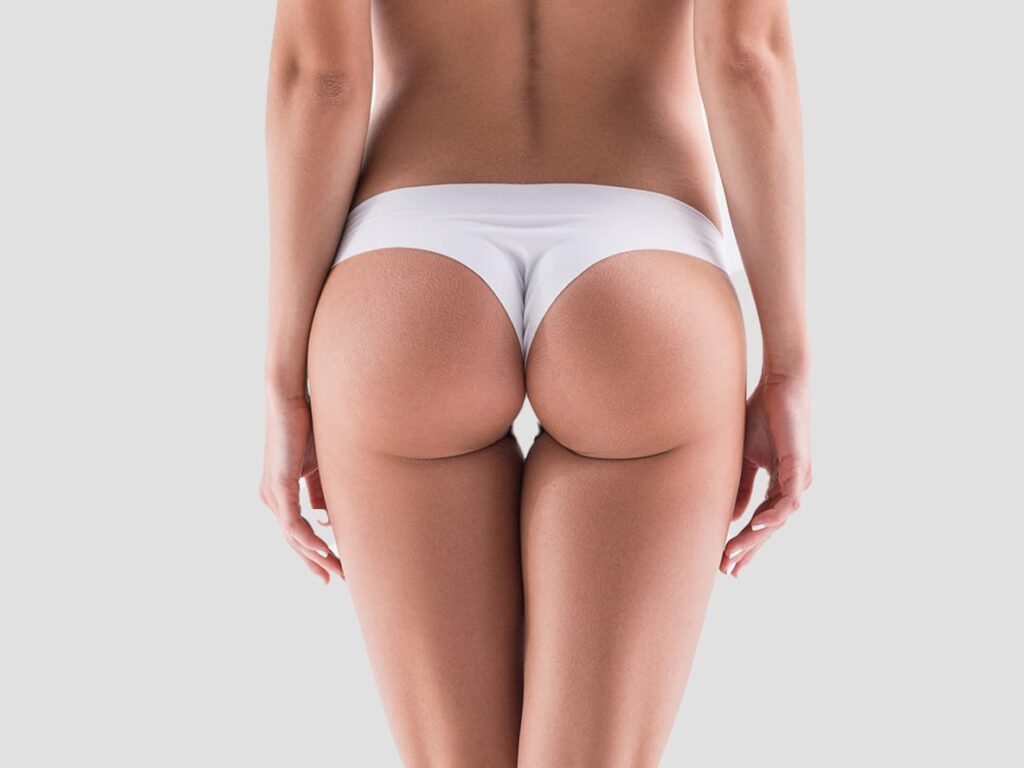
Understand that major weight gain (over 10 kg or 22 lbs) can lead to the need for revision BBL surgeries to reestablish balance. A gain of this magnitude typically pushes buttock volume past the desired shape, altering waist-to-hip ratio and resulting in sag or asymmetry. For instance, a patient who gains 12 kg observes the lower pole sags or the fullness rests lower than intended. In such instances, a surgeon might extract surplus fat, realign tissue or re-sculpt the adjacent regions to regain the original silhouette.
Watch for red flags like unremitting asymmetry, excessive sagging, or significant shape distortion. Asymmetries that persist beyond the standard healing window, asymmetric visible fold changes with standing or sitting, or contour irregularities that restrict clothing fit are all red flags. Remember, more than 25 percent of transferred volume will be lost in the early months, so small glitches at two to three months can normalize as well. Things that are still a pain after six months deserve to be considered a revision.
Revision thresholds are when to consider revision if you’re unhappy with your results or have had significant weight fluctuations. Clear criteria include ongoing dissatisfaction despite realistic expectations, documented loss of volume greater than expected, new or worsening asymmetry, skin laxity or sagging that alters shape, and weight change greater than roughly 10 kg. There may be problems such as fat necrosis or contour depressions that impact function or comfort. Talk through specific instances with the surgeon, like adding 200 to 400 ml of fat if the initial transfer was insufficient or removing fat if unplanned bulk developed.
Consider whether and when you might undergo revision surgery — best after maintaining a stable, healthy weight for a few months. Most surgeons recommend waiting 6 to 12 months after your first BBL for fat graft take to settle and inflammation to subside. If weight change triggered the revision, weigh it out for at least 3 to 6 months prior to reoperation. Candidates should be in good general health, have reasonable expectations, and take recovery steps such as compression garments for six to eight weeks to reduce the risk of additional revisions.
Conclusion
Weight gain after BBL alters the body’s appearance and texture. Fat can settle in new places. Scars and grafts can stretch or shift. Certain shifts remain firm, while others expand with consistent weight gain. Simple habits help keep results: eat with purpose, move more, and track progress. If lumpiness or discomfort appears, consult an expert monitoring graft vitality, complexion, and balance. Little tweaks tend to be more effective than major re-do operations. For obvious next steps, grab some photos, mark when things started to shift, and bring that information to your consult. Ready to safeguard your results or schedule a safe revision? Schedule a consultation with a board-certified plastic surgeon or a clinic that posts before-and-after cases.
Frequently Asked Questions
Can weight gain after a BBL change my buttock shape?
Yes. Weight gain can cause both your natural fat and transferred fat to grow, changing your shape and fullness. Adjustments differ based on the amount of weight you gain and your personal fat distribution.
Will newly transferred fat from a BBL expand with weight gain?
Yes. Because transferred fat is fat, it can hypertrophy with weight gain. Certain regions might accumulate more volume based on your body’s fat storage patterns.
Can weight gain cause unevenness or lumps after a BBL?
Yes. Weight gain that is rapid or uneven can bring attention to irregularities or asymmetry. Slow, steady weight fluctuations minimize the risk of visible lumps or contour irregularities.
How does weight gain after BBL affect skin texture?
Weight gain can stretch the skin, causing it to loosen texture or form stretch marks. Elasticity, age, and skin quality dictate how apparent these changes are.
Could weight gain lead to health problems after a BBL?
Yes. Weight gain, on the other hand, heightens risks for metabolic complications and can strain surgical results. Maintaining a healthy weight promotes long-term results and health.
When should I consider revision surgery because of weight change?
Think revision if shape or symmetry interferes with function or satisfaction after weight stabilization months. Ask a board-certified plastic surgeon.
How can I protect my BBL results when gaining weight?
Concentrate on small, consistent weight fluctuations, a balanced diet, and an exercise regimen. Adhere to your surgeon’s post-op and long-term care instructions to maintain results and minimize complications.
 Directions
 Call Us
 Email Us