
Staged Body Contouring Surgery: Procedures, Consultation, and Recovery Expectations
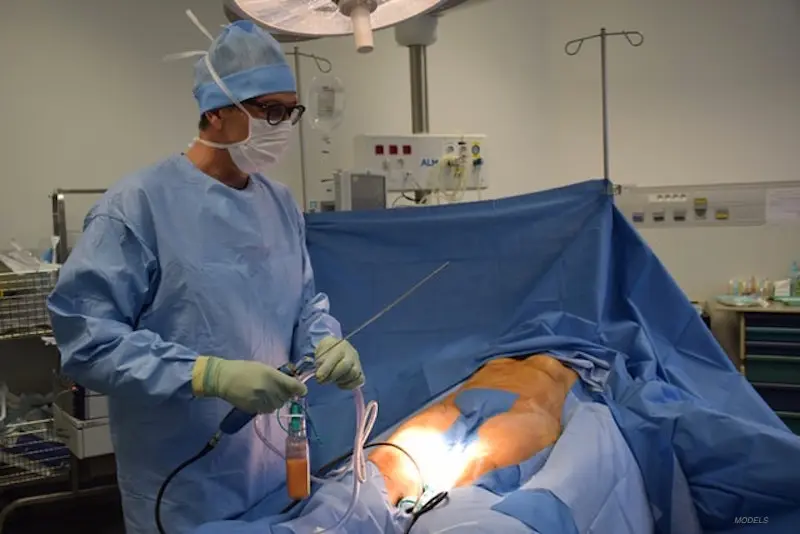
Key Takeaways
- Staged body contouring is appropriate for patients who have a substantial amount of excess skin or fat following major weight loss. It involves evaluation of your anatomy, prior surgeries, and general health to determine if you are a candidate and establish realistic expectations.
- Need to be at a stable weight for 6 to 12 months prior to surgery to minimize complications and promote longer-lasting results. Don’t perform them during active weight loss or gain.
- Consider staged body contouring surgery where you do the core foundation procedures such as abdominoplasty or body lift first, move onto upper and lower extremities, and complete with refinement touchpoints such as liposculpture or fat grafting for ideal contouring.
- Map recovery out in stages — with concise timelines, activity restrictions, wound care, and compression after each, with an expectation of cumulative fatigue, allowing for adequate rest between stages.
- MINIMIZE RISKS BY maintaining tissue perfusion, staging body contouring surgery to decrease operative times in high-risk patients, using thromboembolism prophylaxis measures and performing aggressive preoperative medical screening.
- Get ready to pay often for staged procedures, facility and anesthesia fees, post-surgical garments and potential touch-ups, and check with your insurance provider about what medically necessary versus cosmetic portions are covered.
Staged body contouring surgery is a planned series of operations to remove excess skin and reshape the body after major weight loss. It typically involves the abdomen, breasts, arms, and thighs performed over months in order to minimize risk and encourage healing. Both patient and surgeon establish clear goals, monitor recovery, and adjust timing depending on patient health and comorbidities as well as support needs. The remainder of this post details common procedures, hazards, and recuperation advice.
Candidacy Criteria
Staged body contouring surgery is for patients who have substantial residual laxity, redundant skin, or localized adiposity following major weight loss. Candidacy depends on total physical and mental health, sustainable weight loss, and reasonable expectations regarding multiple surgeries and recovery. The subsections below decipher the important factors surgeons consider to determine who should go forward and how to prioritize treatment.
Weight Stability
Need stable weight for a minimum of 6 to 12 months following weight-loss interventions, such as bariatric surgery, GLP-1 therapy, or diet and exercise to minimize the risk of compromised wound healing and contour shift.
A stable body weight prevents the development of new skin laxity or contour irregularities after surgery and minimizes the potential for future procedures.
Never do a hard skin excision when the patient is currently losing or gaining weight. Doing this increases the likelihood of poor cosmetic outcomes and re-operation.
Weight stability encourages more lasting results and reduces the risk of revision surgery since your surgeon can map incisions and tissue resections around a set shape.
Anatomic Priority
- List of factors to evaluate individual anatomy, prior surgeries, and overall health: * Regional fat distribution (abdomen, flanks, medial thighs, arms).
- Skin quality and redundancy.
- Previous incision sites and/or scar tissue from past surgeries.
- Existing muscle tone and diastasis recti.
- Ostomies, hernias, or grafts that impact planning.
- Medications affecting healing.
Focus on fixes that return function or alleviate symptoms first. For instance, do abdominoplasty or panniculectomy for skin overhang inducing rashes, hygiene issues, or mobility constraints before arms or inner thighs.
Personalize the course with an anatomical map of contour defects. Core areas frequently establish torso tension lines and drive the following methodology. Preop marking and imaging define incisions where old surgery scars distort normal planes.
Detect anatomical abnormalities such as hernia, large diastasis, or focal scar tethering that change technique and potentially require staged repair versus one session wide resection.
Health Risks
Screen for cardiovascular disease, diabetes, bleeding disorders, and impaired wound healing such as smoking. These raise surgical risk and candidacy.
Modify regimens for patients with increased morbidity risk through shortening operative times, staging extirpations, and employing conservative resection volumes to reduce tissue ischemia risk.
Preoperative optimization can consist of glucose control, cardiology clearance, smoking cessation, and nutritional evaluation. Certain comorbidities or previous surgeries will rule patients out or require alternative strategies.
Carefully record risks and obtain informed consent that discusses the possibility of staged procedures, delayed healing, and balancing between scope and safety.
Strategic Sequencing
Strategic sequencing plots a staged course for body contouring that considers both your surgical objectives and your recuperation requirements. It determines what processes take precedence, the interval to wait from one stage to the next, and how each phase shapes to form a firm, sustained contour. Good sequencing lowers total risk, minimizes overlapping recovery energy, and provides patients time to adhere to pre and post-op instructions that enhance results.
1. Core Foundations
Start with major trunk procedures – abdominoplasty, extended tummy tuck or full body lift to form your structural foundation. These procedures eliminate significant quantities of surplus skin and subcutaneous tissue and repair contour abnormalities of the abdomen and lower torso. Wide incisions and multi-layered closure reconstruct tissue support and core tightening, which impacts how arms, thighs and back will later drape. As these are some of the most aggressive procedures with respect to pain management and return of function, take more time prior to further lifts, with many surgeons suggesting at least 3 to 6 months of healing and gradual activity before the next phase. For patients scheduling life events, December consults get patients starting pre-op nutrition, smoking, and exercise plans that enhance tissue quality pre-surgery.
2. Upper Extremities
Arm contouring, most often brachioplasty, is best scheduled once the core has healed enough to support safe rehab. Excess skin and focal fat on the upper arms are quite responsive to excision with or without adjunct liposuction. Incisions should be made to fall along camouflaged lines—inner arm or posterior arm—to minimize visible scars. Decide whether to combine arm procedures with other stages case by case: some liposuction can be done safely at the same time as minor core work, while major lifts are safer when staged months apart. Brachioplasty recovery usually involves limited lifting for a few weeks, typically less than trunk procedures, so sequencing should consider the patient’s work and caregiving responsibilities.
3. Lower Framework
Lower-body work addresses thighs and buttocks with medial thighplasty, lateral thigh lift or circumferential techniques depending on location of skin laxity and surplus. These surgeries recontour inner and outer thigh lines and reestablish symmetrical equilibrium to the lower structure. Since edema and mobility can be more pronounced after circumferential work, book these after the patient has healed from core and upper sequences. Technique selection is guided by skin quality, scar compromise, and laxity severity. Expect two to three weeks off work and six to eight weeks to gradual return.
4. Refinement Touchpoints
Final stages use liposculpture, small-volume fat grafting, and limited excisions to smooth irregularities and enhance silhouette. These minimally invasive refinements use small incisions and fine cannulas. They work best after major tissue settling. Timing them months after lifts ensures accurate assessment of residual contour needs. Refinements often have shorter downtime and can be timed to fit post-recovery lifestyle goals, such as healing well before summer.
Recovery Dynamics
Recovery post staged body contouring surgery is often predictable in phases but varies by procedure, patient and sequence of operations. The initial days to weeks are centered around wound care and pain management. The subsequent months provide consistent refinement in contour as swelling subsides and the tissues settle. These are what you can realistically expect, along with advice for every phase.
First Phase
- Expect swelling, bruising, and limited movement after the first big surgery. Anticipate maximum swelling in the initial 48 to 72 hours, with tapering off afterwards. The majority of patients require assistance with bathing, clothing, and meal preparation for the initial few days. There is no driving for two weeks and nothing heavier than a gallon of milk.
- Educate on drain management, wound care and surgical site infection symptoms during early recovery. Drains can be left for three to ten days depending on the surgery. Empty and log output as directed. Keep dressings clean and dry, and monitor for redness spreading, foul odor, fever, or an increase in pain. These are indicators to see your surgeon.
- Suggest easing back into things but avoid exercise and heavy lifting. Short, frequent walks help circulation and reduce the risk of clots. Desk work usually resumes after two to three weeks. More physical jobs might demand four to six weeks off.
- Observe for early post-operative complications including seroma, haematoma, or delayed wound healing. Small fluid collections can be handled with aspiration. Larger problems necessitate going into the clinic. Follow-ups at 1 to 2 weeks are common to evaluate recovery and take out sutures or drains.
Subsequent Phases
- Checklist to prepare for shorter recovery times and changes in postoperative care for each additional procedure: 1. Make sure the gap between treatments is sufficient—usually 6 to 12 weeks depending on healing. 2. Coordinate updated medication and anticoagulation plans with the surgical team. 3. Order home help once more, even if recovery is briefer.
- Tailor your postoperative recommendations to the surgical site and magnitude of tissue handling. Arm or thigh surgeries could restrict range-of-motion exercises, while abdominal work frequently necessitates abdominal binder usage.
- Motivate you to keep wearing compression garments and following surgeon’s directions for each stage. Compression assists in minimizing swelling and contouring tissues. Wear time frequently declines slowly over the course of 6 to 12 weeks.
- Monitor healing and respond to any emerging concerns, including scar optimization or minor contour correction. Protect your scar from the sun for at least a year because it can easily darken.
Cumulative Fatigue
Understand the physical and emotional drain of multiple surgeries over a long duration. Recovery is critical in between procedures as well. Learn the signs of cumulative fatigue: prolonged soreness, low motivation, or slower wound healing. Hydrate with pragmatic supports—meal delivery, house help, short walks, and counsel if necessary—to keep spirits and expectations grounded during healing’s slow advance to the 75% line at 3 months and final result at 6.
Risk Reduction
Staged body contouring minimizes risk by dividing expansive reconstructions into smaller, safer procedures. This allows thoughtful scheduling, improved wound healing, and customized perioperative care.
Tissue Perfusion
Risk Reduction Save blood flow by planning incisions that follow natural vascular territories. Make incisions where perfusion is best and avoid long, skinny flaps whenever you can to reduce ischemia. Employ gentle tissue handling and reduce electrocautery near flap bases to preserve microcirculation.
Quilting and progressive tension sutures minimize dead space and disperse the tension of the wound. These methods reduce seroma rates and assist the skin in more evenly re-adhering, accelerating healing. In reality, surgeons will often place several layers of absorbable suture from deep fascia to dermis, which reduces shear forces that act to pull on small vessels.
Watch for early signs of poor perfusion: persistent pallor, dusky skin, slow capillary refill, increasing pain out of proportion, or blistering. Prompt interventions can involve loosening dressings, warming the area, hyperbaric oxygen in select cases, or returning to the operating room to revise a flap. Customize dissection depth and flap design to each patient’s anatomy and tissue quality. Thin, scarred, or previously radiated tissue requires more conservative undermining and potentially staged excision.
Thromboembolism Defense
Start with a formal risk assessment that covers obesity, history of deep vein thrombosis (DVT), smoking, age, and recent immobilization. For higher-risk patients, plan perioperative prophylaxis with low molecular weight heparin or other anticoagulants, timed to balance bleeding risk. Early ambulation is crucial. Have protocols to get patients out of bed within hours and progressing daily.

Employ mechanical prophylaxis—IPC and GCS—during and after surgery to enhance venous return. Reduce risk. Limit time under the knife by staging extensive surgeries over months. Shorter operations mean less risk of thrombosis. If any, skip long general anesthesia through smart operative team planning and obvious stepwise workflows.
Patient education on symptoms of thromboembolism, such as leg swelling, calf pain, and sudden shortness of breath, enhances early recognition. Work up with primary care or hematology consult if thrombophilia is suspected and clearly document anticoagulation plans for discharge to lower readmission risk.
Patient Preparation and System Factors
Weight stable for at least six months reduces complication rates and allows surgeons to anticipate how tissues will behave. Strive for a stable weight and maximize nutrition and protein status pre-surgery. Staging these procedures over 1 to 2 years provides for recovery between surgeries and less cumulative anesthesia and wound trauma. Involve a team of plastic surgeons, bariatric specialists, nutritionists, and behavioral therapists to manage expectations, comorbidities, and adherence.
Address access and cost concerns up front. Socioeconomic barriers and specialist access impact outcomes. A comprehensive preoperative consultation with a competent plastic surgeon is necessary to chart risks, anticipated benefits, and follow up.
Financial Realities
Body contouring again tends to stage work across more than one procedure for surgical safety and recovery reasons. Financial realities include separate costs associated with each stage, potential out-of-pocket expenses when procedures are cosmetic, and ongoing postoperative supplies and potential revisions that need to be accounted for in financial planning. Here are specific cost factors, sample, and actionable planning.
Facility Fees
Facility fees are different for each procedure, location, and facility. Standard prices below represent average markets. Consider them a reference, not a solid bid.
| Procedure | Facility Fee Range (USD) |
|---|---|
| Tummy tuck (abdominoplasty) | 3,000–8,000 |
| Thigh lift | 2,500–7,000 |
| Body lift (circumferential) | 5,000–12,000 |
If you have your procedure performed in hospital-based facilities, the costs are often much higher than private ambulatory surgery centers. Hospitals bill higher base fees and sometimes add per-hour operating room charges. Private centers generally have flatter, lower fee structures but less capacity for the very complex cases. Extended or complicated protocols increase facility fees due to additional operating room time, staffing requirements, and prolonged recovery room utilization. For staged approaches, anticipate separate facility bills for each individual surgery instead of one bundled bill.
Insurance Coverage
Insurance tends to cover medically necessary procedures and rejects cosmetic-only ones. A panniculectomy to relieve chronic rashes, recurrent infections, or mobility limits may satisfy medical necessity criteria, whereas a cosmetic tummy tuck to contour typically does not.
Insurers often require documentation, including recent photographs showing the problem, medical records of related conditions, and a physician letter explaining how the procedure treats a functional problem. Preauthorization is often necessary, and without it, claims can be rejected and patients billed. Check policy provisions in advance and determine if multiple staged processes require individual preauthorization. If coverage is approved for one stage, such as a functional panniculectomy, subsequent cosmetic stages may still be out-of-pocket.
Budgeting, Financing, and Extras
Count all line items: surgeon fee, anesthesia, facility, pre-op tests, garments, medications, travel, and time off work. Compression and wound supplies can be several hundred dollars a stage. Revision surgery incurs additional costs and is required in a small percentage of patients.
Financing options allow patients to turn costs into monthly payments and can deliver approvals in minutes, allowing scheduling without saving for years. Terms vary: monthly payment, term length, and interest change by program. Rates and fees. Others opt to address their biggest worry early, finance that stage, then design the subsequent later stages post healing and saving, altering the overall long-term cash flow. By disclosing our pricing up front and providing clear finance terms, it helps to set realistic expectations and avoid surprises.
Expert Perspectives
As surgeons describe it, staged body contouring surgery is a structured method of tackling multiple anatomic areas while controlling risk and convalescence. According to experts, this strategy is not just skin-deep, as it frequently results in quantifiable improvements in function, fit, body image and quality of life. Board-certified plastic surgeons emphasize that the go-ahead comes after sustained weight reduction and maintenance for months, along with defined, realistic expectations on what surgery can and cannot do.
Insights from board-certified and experienced surgeons on best practices
Surgeons advise comprehensive preoperative evaluation that encompasses your medical history, nutritional status, skin quality, and activity level. They favor staging when multiple body regions need work: for example, abdomen and thighs in separate operations spaced weeks to months apart. This minimizes operative time per session and decreases complication rates. Experts recommend open conversations about scars, telling them that scars can usually be softened or even relocated, but that they cannot be removed. They prioritize informed consent and shared decision-making, with surgeons specifying trade-offs such as scar length versus contour gain.
Advances in surgical techniques
Recent technique changes include more use of minimally invasive options and refined liposuction devices to limit tissue trauma. Fat grafting has become standard for cases requiring volume refinement, such as small-volume grafts to smooth flank-to-hip transitions or larger grafts to restore upper buttock projection. Surgeons pair direct excision with focused liposuction to sculpt safely. Less bruising and earlier mobility come from tissue-sparing dissections, facilitating staged plans. Patients bounce back between procedures more rapidly.
Patient outcomes: success stories and satisfaction rates
Clinical series and patient surveys demonstrate that when expectations are met and weight is stable, satisfaction is high. Patients often experience increased mobility, comfort, clothing fit, and confidence. Think of one patient who found new mobility following staged lower-body lifts and another who was able to exercise, skin chafing-free, for the first time in years. Reported recovery timelines align with expert advice: most discomfort and soreness occur in the first four to six weeks, with full recovery over several months. Long-term follow-up demonstrates durable contour when weight is maintained.
Recommendations for selection, planning, and postoperative care
The experts suggest choosing patients who have a BMI within a safe range, stable weight, good nutrition, and realistic expectations. Planning means mapping priorities, selecting staging intervals, and timing assistance for recovery. Postoperative care focuses on wound care, gradual activity progression, scar management, and monitoring for complications. Rehab and patient education around how the body moves and heals help to set realistic timelines.
Conclusion
Staged body contouring provides a well-defined route to transform your body with less trauma and more healing. By scheduling the procedure in stages, it reduces the surgery time per session and makes recovery easier. Patients get gradual transformation, not a one-time, brutal revamp. This approach lets surgeons emphasize detail and reduce risk by staging procedures. Examples include a tummy tuck first, then liposuction three to six months later, or breast work first, then a thigh lift after tissue settles. Expenses are distributed and downtime coincides with real life. Find a surgeon that stages the body contour surgery with a timeline, goals, and progress. Explore whether staged surgery suits your objectives. Schedule a consultation with a board-certified plastic surgeon and discuss a customized plan.
Frequently Asked Questions
What is staged body contouring surgery?
Staged body contouring is a predetermined sequence of surgeries performed over a period. It minimizes risk, enhances healing, and addresses multiple body areas in stages for safer and more controllable outcomes.
Who is a good candidate for staged procedures?
People with large-volume weight loss, multiple target areas, or medical conditions that raise surgical risk. A board-certified plastic surgeon evaluates health, goals, and timing before recommending staging.
How is the sequence of surgeries decided?
Surgeons stage for medical safety, recovery time, and visual harmony. They typically begin with the most medically necessary or function-improving site and then move on with recovery and goals.
How long is recovery between stages?
Recovery differs but typically falls somewhere between 6 weeks and 6 months between the big surgeries. Your surgeon will space timing based on healing, complications, and overall health to maximize safety and results.
Does staging reduce surgical risk?
Yes. Being staged limits anesthesia time and surgical trauma per session. That limits risks such as blood loss, seroma, and cardiopulmonary strain and enhances safety and results.
How much does staged surgery cost compared to one extensive operation?
It can be more costly overall due to multiple facility and anesthesia fees. It can reduce complication-related expenses and enhance outcomes, helping long-term value.
How do I pick the right surgeon for staged body contouring?
Select a board-certified plastic surgeon experienced in staged body contouring surgery. Request before and after photos, complication rates, and explicit staging plans. Check credentials and patient reviews.
 Directions
 Call Us
 Email Us