
How to Choose Foods That Support Healing After a BBL: A Guide
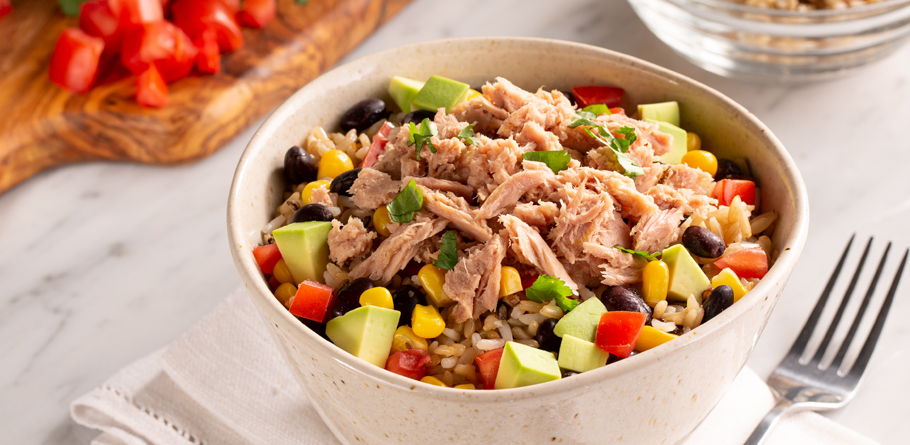
Key Takeaways
- Focus on nutrient-rich, light foods that aid in the healing process and minimize your body’s strain. Steer clear of processed or sugary options that impede recovery.
- Shoot for steady protein from lean meat, dairy, eggs, legumes, and plant proteins with about 20 grams per serving and monitor intake with a log or app.
- Add in healthy fats such as avocados, olive oil, nuts, and fatty fish to support fat graft survival while minimizing saturated and trans fats to decrease inflammation.
- Micronutrients and anti-inflammatory foods including colorful fruits and vegetables, turmeric, ginger, and berries should be at the forefront of your post-bbl diet. Rotate your produce weekly to ensure you cover a broad nutrient spectrum.
- Stay well hydrated with regular water, hydrating foods, and limited caffeine or alcohol. Eat small, frequent meals with even protein distribution to sustain energy and tissue repair.
How to select foods that promote healing post-bbl is all about choosing nutrient-dense options that assist tissue repair and minimize inflammation. Key lean protein, vitamin C sources, omega-3 fats, and iron-rich veggies help collagen, reduce inflammation, and replenish energy. Add whole grains and hydrating fruits for balanced blood sugar and hydration. Schedule meals with easy, recognizable ingredients and consult your surgeon about supplements and servings.
Selection Criteria
They provide the selection criteria around what foods best support BBL healing. This set of criteria borrows from standard evaluation practices, evaluating health, lifestyle, and need, and applies them to risk-reducing and recovery-supporting nutrition choices. Here’s a quick comparison of tastes to help you choose.
| Characteristic | Good Options | Why it matters | Signs to avoid |
|---|---|---|---|
| Protein density | Lean poultry, fish, eggs, low-fat dairy, legumes, tofu | Supplies amino acids for tissue repair and immune support | Processed meats, low-protein snacks |
| Healthy fats | Olive oil, avocados, walnuts, salmon | Supports cell membranes, reduces inflammation, aids fat graft survival | Fried foods, margarine, packaged snacks |
| Micronutrient value | Leafy greens, citrus, sweet potato, bell peppers | Vitamins and minerals speed wound closure and reduce infection risk | Monotonous diets, low produce intake |
| Anti-inflammatory | Turmeric, ginger, berries, oily fish | Lowers swelling and oxidative stress that impede healing | Refined sugar, trans fats |
| Hydration support | Water, cucumber, citrus, broth | Maintains skin elasticity and circulation needed for graft take | Alcohol, excess caffeine |
1. Protein Density
Aim for at least 20 grams of protein per main meal. That supports collagen synthesis and preserves lean mass after surgery. Choose a mix of animal and plant proteins, such as eggs with spinach, lentil stews, grilled salmon, or Greek yogurt, so you get a full amino acid profile. Track intake with a log or app. Consistency matters more than perfect timing. In plastic surgery assessments, evaluating a patient’s protein habits mirrors how programs evaluate candidate fitness. Clear criteria reduce complications.
2. Healthy Fats
Consume small quantities of monounsaturated and omega-3 fats during every meal to help repair cell membranes and assist with graft survival. Examples include drizzling olive oil over steamed vegetables, adding sliced avocado to salads, and snacking on a handful of walnuts. Limit saturated and trans fats in fried and processed foods as they can increase inflammation. Balance omega-3 and omega-6 by consuming fatty fish twice a week and cutting down on processed seed oils.
3. Micronutrient Value
Rotate the colorful produce each week to cover vitamin C, A, zinc and others linked to wound healing. Create a chart for your grocery list: citrus and strawberries for vitamin C, sweet potato and carrots for vitamin A, and oysters, beef or pumpkin seeds for zinc. An open, equitable selection system, similar to those in other domains, ensures the best foods are selected for each patient’s medical history.
4. Anti-Inflammatory Properties
Cook with turmeric and ginger, sprinkle berries on your yogurt and make leafy greens the center of your meals to reduce inflammation markers. Steer clear of refined sugars and fried foods that will ignite inflammatory pathways. Herbs and spices are easy, no-risk modifications with tangible ROI.
5. Hydration Support
Try to drink regularly and incorporate hydrating foods. Set reminders if you need to. Moderate alcohol and excess caffeine because they impair tissue perfusion and healing.
Nutritional Needs
BBL recovery requires a combination of calories, protein, fats, vitamins, minerals, fluids, and meal timing. Begin by calculating caloric needs from age, weight, and activity level. Strive just above maintenance, not a deficit. New fat grafts require energy to become one with you. Monitor your power and tweak if you experience fatigue, dizziness, or sudden weight fluctuation. Distribute protein throughout your meals to maintain repair and retain muscle during inactivity. Hydration should be commensurate with body size and climate, with warm weather and any light activity necessitating an increase in fluid intake.
Tissue Repair
Collagen-building foods aid skin and soft-tissue repair. Bone broth, gelatin, and collagen supplements provide important amino acids such as glycine and proline that nourish new connective tissue. Vitamin C-rich fruits and vegetables, including citrus, strawberries, and bell peppers, aid in collagen formation and new blood vessel growth. Vitamin E, from almonds and sunflower seeds, provides antioxidant protection to further restrict oxidative damage at the surgical site.
Whole grains and seeds provide B vitamins, zinc, and magnesium that support cell replication and wound healing. Think quinoa, oats, pumpkin seeds, and flax. Spread these foods out over three to five mini meals or snacks each day so the body has a consistent flow of repair nutrients as opposed to big spaces. Maintain fiber from oats, sweet potato, and vegetables to avoid dehydration post-surgery and consume fiber with plenty of fluids to keep bowels regular.
Fat Survival
Transplanted fat cells require consistent calories and a balanced metabolic milieu in order to thrive. Keep a moderate surplus of around 200 to 300 kcal above maintenance in the initial weeks rather than bulking aggressively. Opt for calorie-rich, nutrient-dense options like avocado, nuts and nut butters, oily fish such as salmon, and whole fat dairy if tolerated, which offer important healthy fats and fat-soluble vitamins that support the cell membranes.
No crash diets, no rapid weight loss, no extended fasting for a minimum of three months, as significant weight loss can cause grafted fat to atrophy or die. Try to space meals evenly throughout the day to provide consistent energy and minimize big insulin swings that may stress tissues. Omega-3 rich foods, such as salmon, chia, and walnuts, decrease inflammation and potentially improve graft survival by calming the healing milieu. Track weight once a week and energy once a day, and if your weight drifts, adjust the volume of food more than the macro balance.
| Meal | Example foods | Key nutrients |
|---|---|---|
| Breakfast | Oatmeal with milk, berries, chopped almonds | Protein, fiber, vitamin C, healthy fats |
| Lunch | Salmon salad with avocado and quinoa | Omega-3, protein, collagen co-factors, complex carbs |
| Snack | Greek yogurt with honey and pumpkin seeds | Protein, zinc, vitamin E |
| Dinner | Bone broth soup with sweet potato and greens | Collagen amino acids, vitamin A, carbs |
| Hydration | Water, electrolyte drinks as needed | Fluid balance, sodium/potassium for summer |
Meal Timing
Meal timing influences recovery from a BBL by stabilizing energy, protein, and fluids so that the body can work to heal tissues and nourish fat grafts. Little, frequent meals will avoid big blood sugar swings and stress on the body. During the first postoperative week, skip big foods or strict schedules. Instead, think in terms of small, easy-to-digest meals and regular scheduled meal times to decrease nausea and maintain intake.
Consume mini-meals every few hours to keep blood sugar and energy steady. Shoot for 4 to 6 mini-meals or three meals and two snacks evenly spaced about every 2 to 3 hours. Every meal should have a combination of carbs, protein, and a little healthy fat to slow digestion and keep you energized. Examples include plain Greek yogurt with fruit and a handful of nuts mid-morning, a small whole-grain wrap with turkey and avocado for lunch, and steamed fish with quinoa and green beans for an evening meal. Small meals minimize stress on the digestive system and allow you to more easily achieve calorie and nutrient requirements while in pain or having a reduced appetite.
Spread your protein intake out over the day to provide support to your tissues all day long. Instead of consuming the majority of your protein at a single meal, try for 20 to 30 grams of protein every 3 to 4 hours, depending on your body size and surgeon recommendations. Sources include lean poultry, eggs, dairy, tofu, legumes, and protein-fortified drinks when appetite is low. Pulsing protein provides your body with a constant stream of amino acids to heal wounds and maintain your grafts. Over the initial 6 to 8 weeks, steady protein throughout meals aids healing more than brief spikes in intake.
Don’t skip meals as this will slow healing and fat survival. Skipping reduces available protein and calories when the body needs them most, and drastic calorie reductions can even harm wound healing and graft survival. There is no hard human data that ‘feeding the fat’ works better, and animal studies are not definitive for humans. A practical rule is to not diet or fast during the early healing phase and to prioritize steady, balanced intake.
Schedule nutrient-rich snacks in between meals to improve recovery. Opt for snacks that combine protein with some carbohydrates and fluid. Examples include cottage cheese with sliced pear, hummus and whole-grain crackers, a smoothie with protein powder and banana, or a boiled egg and vegetable sticks. Keep fluids chilled and within reach, such as water, electrolyte drinks, or unsweetened teas, to prevent dehydration, particularly during warmer days. Establish reminders or a light schedule to keep intake up when activity or pain disrupts your routine.
Foods To Limit
After a Brazilian butt lift, what you don’t eat can be just as important as what you do eat. Limiting specific foods and substances assists in minimizing swelling, decreasing infection risk, and maintaining tissue repair. Concentrate on foods that limit fluid retention, inflammation, and the risk of constipation while preserving the blood supply to transplanted fat.
Cut down on salty foods to reduce swelling and water retention. Salt encourages water retention and can exacerbate post-operative edema. Stay away from the usual suspects: canned soups, deli meats, salted nuts, soy sauce, and snack chips. Watch restaurant meals and packaged sauces. Many have multiple grams of sodium per serving. Try to keep added salt minimal and opt for fresh, whole foods cooked with herbs, lemon, or vinegar instead.
Cut out the sugar-laden goodies and sodas that stall healing. Simple sugars nurture inflammation and can sabotage immunity. Eliminate candy, pastries, sweet drinks, and most store-bought desserts. Substitute with whole fruit if you’re craving sweet. The fiber tempers sugar spikes and encourages gut health. Sugary drinks can replace fluids and nutrients that your body requires for tissue repair.
Stay away from alcohol and junk food that can slow your recovery. Alcohol thins blood and disrupts sleep and nutrient absorption, so limit or avoid it, particularly in the initial weeks following surgery. Highly processed foods, such as fast food, ready meals, and many frozen entrees, tend to be high in inflammatory fats, added sodium, and low in fiber or protein. These options can aggravate inflammation, delay recovery, and increase constipation risk.
Watch foods that constipate. Constipation increases discomfort and effort and can be exacerbated by low-fiber diets, cheese-heavy meals, white bread, and low liquid consumption. Feed the fiber—vegetables, legumes, whole grains—and stay hydrated. Be aware that fiber without sufficient fluid can worsen constipation, so maintain consistent hydration.
Be careful with supplements and substances. Certain over-the-counter supplements may impact bleeding or interact with anesthesia. Be sure to go over any and all supplements with your surgeon prior to use. Smoking and vaping should be avoided for a minimum of 4 weeks before and after surgery. Tobacco products decrease blood flow and cause a greater risk of tissue necrosis and wound infection.
Practical list of specific foods and items to limit during recovery:
- Sugary drinks
- Processed snacks
- Fried foods
- White bread
- High-sugar cereals
- Fast food
- Candy
- Ice cream
- Packaged baked goods
- Excessive caffeine
- Canned, cured, and processed meats (high sodium)
- Packaged snacks, chips, and salted nuts
- Sodas, energy drinks, and sweetened beverages
- Pastries, candy, and high-sugar desserts
- Fast food, deep-fried foods, and pre-made microwave dishes.
- Excessive cheese, white bread, and low-fiber convenience foods.
- Alcohol and recreational drugs
- Unreviewed herbal supplements and high-dose vitamins
No crash diet or fasting for 6–8 weeks. Maintain normal, well-rounded meals with sufficient protein and calories, and do not sit directly on the buttocks for 2 weeks to safeguard grafts.
Strategic Caloric Surplus
A strategic caloric surplus aids in tissue repair and donor fat post-BBL. Start by estimating baseline needs using a simple method: calculate resting energy needs and multiply by activity level to get total daily energy expenditure (TDEE). Increase TDEE by 200 to 400 extra calories for small gains, but several clinicians suggest increasing about 250 to 500 kcal per day to encourage consistent weight gain without drastic changes. Keep in mind that 3,500 kcal equals approximately 1 lb of fat, so small, consistent increases produce reliable outcomes.
Work out your daily calorie requirements and then add 200 to 400 calories on top to repair. Plug into an online TDEE calculator or work with a dietitian to define a goal. For instance, a 2,000 kcal TDEE would aim for 2,200 to 2,400 kcal to begin. Track weight on a weekly basis, aiming to gain roughly 2 to 5% body weight over a few weeks. This is a good baseline to grow donor fat without going overboard. If gains stall, add another 100 to 150 kcal and re-evaluate in a week.

Target your surplus calories towards protein and good fats instead of sugar. Prioritize whole foods: lean meats, fish, eggs, dairy, legumes, nuts, seeds, avocados, and olive oil. Protein aids wound healing; aim for 0.5 to 0.7 grams per pound of body weight per day in the acute recovery phase. Healthy fats offer dense calories and fat-soluble vitamins. A tablespoon of olive oil contains roughly 120 kilocalories and can be drizzled into meals to increase calories without increasing portions by much. Minimize simple sugars and processed snacks, which contribute calories but little repair value and can exacerbate inflammation.
Weigh yourself and tweak your intake as necessary to keep fat gains in check. Monitor weekly weight and body composition if you can. If you gain weight faster than that, you are likely seeing some excess fat gain that will be more difficult to lose down the road. Make small step changes of 250 to 500 kcal per day instead of big jumps to maintain control. If weight goes up too quickly, scale back additional calories by 100 to 200 kcal and emphasize protein pacing between meals.
Track your calories and confirm they are in line with your recovery objectives with the help of a food diary. Track meals, snacks, and cooking fats to identify where additional calories are sourced. A diary helps balance macronutrients: adequate carbs for energy, protein for repair, and fats for calorie density. Research demonstrates that an energy- and nutrient-dense diet can help support fat graft survival, but very high-carb or very high-fat plans might impact results. Track simple health indicators—weight, wound healing, blood sugars—and fine-tune the strategy with a doctor or nutritionist for secure, sustainable convalescence.
Conclusion
Post-op healing after a BBL requires foods that nourish tissue, combat swelling, and maintain energy. Choose proteins such as chicken, fish, eggs, and plant-based proteins like beans. Pair these with healthy fats from avocado, olive oil, and nuts to help cell repair. Pound your plate with bright veggies and whole grains. They provide key vitamins and fiber and help keep your blood sugar even. Cut back on salty, fried, and super processed foods that increase inflammation and fluid retention. Spread meals and snacks across the day to maintain energy and assist with repair. For additional calories, pick dense, healthy options like nut butter on whole-grain toast or smoothies blended with yogurt and fruit. Little, consistent tweaks go a long way when it comes to recovery. Give one new swap a shot this week and observe how your body responds.
Frequently Asked Questions
How much protein do I need after a BBL to support healing?
Target 0.5 to 0.9 grams per pound of protein daily. Protein nourishes your tissue repair process and helps preserve your muscle throughout recovery. Opt for lean options such as poultry, fish, eggs, dairy, legumes, and protein-rich plants.
Which vitamins and minerals matter most for recovery?
Vitamin C, zinc, vitamin A, and iron are crucial. They promote collagen synthesis, immunological support, and tissue repair. Get them from fruits, vegetables, lean meats, and fortified foods or a clinician-approved supplement if necessary.
When should I eat to best support healing after surgery?
Consume well-balanced meals every 3 to 4 hours to keep your energy and nutrient levels consistent. Focus on a protein-packed meal or snack within a couple of hours of waking and going to bed to keep tissue repair going.
Which foods should I avoid while healing from a BBL?
Minimize alcohol, sodium-heavy processed foods, soda and trans fats. These can trigger inflammation, fluid retention and delay healing. Try to stay away from foods that cause bloating or constipation because this can impact comfort.
Do I need to eat more calories after a BBL to gain fat in the buttocks?
A small, tactical 200 to 500 kcal per day surplus can assist in grafted fat retention and overall recovery when recommended by your surgeon. Stick with your surgeon’s timeline before adding calories for the long haul.
Can hydration affect my recovery outcome?
Yes. Stay hydrated as best you can to aid in circulation, nutrient transport, and healing. Water – this will differ for everyone – by using pale urine as your guide. Avoid over-caffeinated drinks or alcohol that can dehydrate you.
Should I take supplements after a BBL?
Don’t take supplements without consulting your surgeon! Some, like vitamin C and zinc, can assist, though others, like high-dose vitamin E or particular herbal blood thinners, can exacerbate bleeding risk. Listen to your doctor’s orders for safety.
 Directions
 Call Us
 Email Us