
Ankle Contouring Surgery: Purpose, Procedure, Cost, Recovery & Results
Key Takeaways
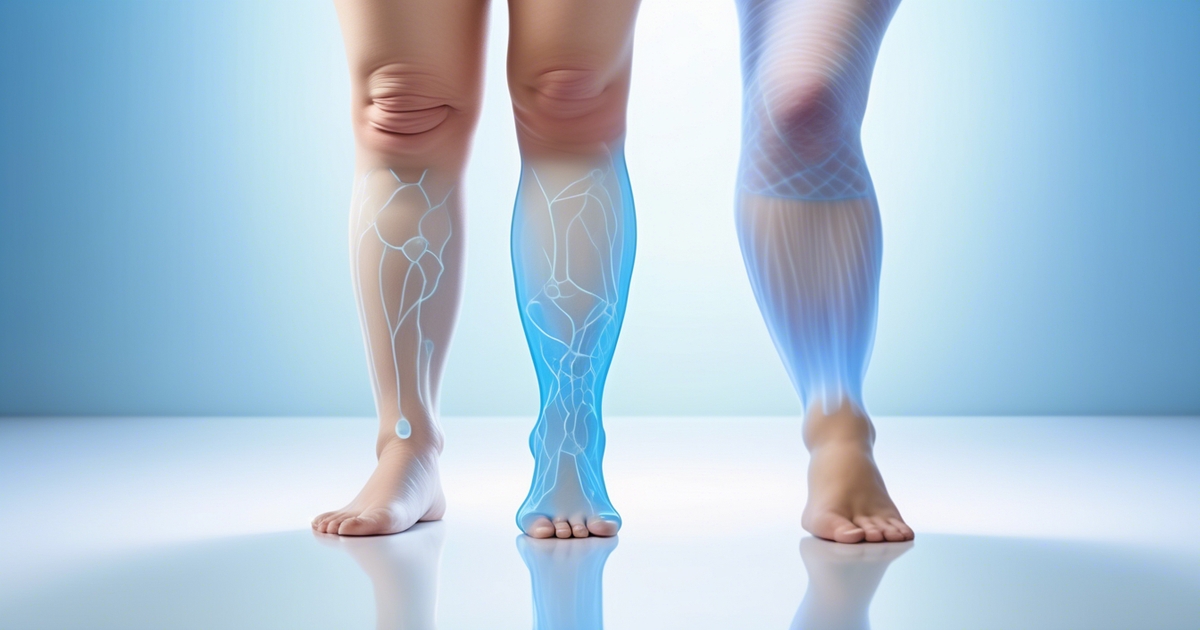
- Ankle contouring surgery focuses on fat reduction and enhanced ankle definition to craft a more harmonious leg silhouette. Patients anticipate tailored approaches considering their muscle form, fat dispersion, and desired look.
- Ideal candidates have stable weight, good skin elasticity, and realistic expectations. Patients with venous disease, chronic edema, and poor skin are typically excluded.
- On the surgical front, cutting-edge liposuction options with small incisions, combination procedures like calf or knee liposuction and augmentation, and promising new minimally invasive procedures for less downtime still remain.
- Preoperative evaluation must include medical and vascular history, hands-on physical measurements, imaging when needed, and clear before and after examples to set realistic outcome expectations.
- Recovery focuses on compression, controlled activity, lymphatic massage, and prevention and early detection of complications. Swelling is expected to improve over time and the return to normal activities is gradual.
- Nonsurgical methods such as cryolipolysis, exercise, compression garments, and medical management of edema can assist with mild cases or supplement surgery. They have limitations compared to the precision of targeted surgical contouring.
Ankle contouring surgery is a cosmetic procedure to alter ankle shape and size. It usually involves a mix of fat extraction and muscle or soft tissue reshaping to sculpt a leaner or more symmetrical lower leg. That means the potential candidates are people with pockets of persistent fat or asymmetrical contours after an injury. Recovery periods differ by method, typically two to six weeks of limited activity. The body discusses procedure methods, risks, anticipated outcomes, and rehabilitation advice for educated choices.
Anatomical Overview
The lower leg is constructed of layered structures that combine to form the curvature of the calf and ankle. Deep bone landmarks are the distal tibia and fibula that encase the ankle joint and establish the lateral and medial boundaries of contour. Lying over those bones is the Achilles tendon, the tough band that connects your calves to your heel and creates a prominent ridge above it. Superficial to the tendon and bone are muscle bellies, then the deep and superficial fascia, then subcutaneous fat and skin. This stack sets the natural transition from calf to ankle and whether that transition looks smooth or abrupt.
Muscle size and location form the lump farther up on your leg. The gastrocnemius lies superficially with two heads that create the bulging calf curve. Below and deeper, the soleus encircles the lower calf and adds bulk nearer the Achilles tendon. Both muscles insert into the calcaneus via the Achilles tendon, so their girth and tone affect the appearance of the tendon and lower calf. A beefy gastrocnemius shoots up the mid-calf profile and a hunky soleus fills out the lower calf and above the ankle to seem less tapered.
Fat deposits and loose skin distort the ankle profile. Some of us accumulate more subcutaneous fat around the distal calf and ankle, forming a blunted transition between the calf and foot. Overlying the bony and tendinous structures is the ankle fat pad, which can be uneven in its distribution. Excision or contouring of fat in this area is more likely to result in surface irregularities. Thin tight skin will reflect the underlying tendon and muscle contour more distinctly. Lax skin can sag after volume shifts and can restrict how much contouring results in a natural appearance.
Tendon anatomy combined with fat removal is what really counts. The distal Achilles tendon and soleus insertion sit near typical liposuction sites, so accurate mapping of their depth and width helps minimize potential for tendon damage or abrasive cupping. Fat excision adjacent to the tendon should honor the delicate soft tissue envelope and prevent over-excision that causes contoural step-offs or apparent tethering.
Common causes of leg fullness include:
- Genetic muscle hypertrophy refers to larger gastrocnemius or soleus muscles that result from heredity or exercise, producing true muscle bulk.
- Subcutaneous fat accumulation: Regional fat deposits are concentrated around the lower calf and ankle, soft in feel and variable with weight.
- Lymphedema or fluid retention: Chronic swelling increases circumference and may change tissue firmness.
- Localized fat pads: Discrete ankle fat pads that resist diet and exercise and sit over tendons.
- Postural and biomechanical factors: Gait or standing habits that hypertrophy certain muscle groups or alter fluid pooling.
- Scar tissue or prior surgery: Fibrosis that changes contour and skin mobility.
- Skin laxity or dermal thinning refers to the loss of elasticity that blunts definition and increases apparent fullness.
Treatment Framework
Ankle contouring treats localized fat reduction, ankle definition, and overall leg silhouette balance. A focused workup helps define the source of ankle and calf fullness and whether liposuction or other measures are best. Preoperative imaging and clinical measures inform the plan so the surgeon can tailor treatment to leg proportions, muscle shape, and the patient’s aesthetic goals.
1. Patient Selection
Ideal candidates possess stable weight, good skin elasticity and reasonable expectations regarding scar, downtime and final shape. Contraindications include active venous disease, chronic edema, poor skin recoil, infection or deep cellulite that will not respond to fat removal. Preference is given to those with localized ankle padding or disproportionate “cankles,” and to patients whose swelling or fullness has not decreased with exercise or diet. Medical history review addresses previous leg surgeries, clotting risk, medications, and overall health. Necessary labs and duplex ultrasound might exclude vascular issues prior to surgery.
2. Surgical Approaches
Available procedures for fat ankles and cankle reduction:
- Tumescent liposuction (local tumescent anesthesia)
- Dry liposculpture
- Correction liposuction (refinement stages)
- Small-incision targeted liposuction with microcannulas
- Combined liposuction with calf augmentation or thigh/knee liposuction
- Injectable fillers like macrolane (where approved)
- Novel systems such as novosculpt energy devices
Tumescent anesthesia is great for numbing tissues and minimizing bleeding. It provides several hours of post-op numbness. Each procedure takes one to two hours, depending on scope. Surgeons employ millimetric incisions and slender cannulas to minimize scarring as they remove subcutaneous deposits. Paired with adjacent zones—knee, medial calf, or lateral ankle—ankle lipo assists in maintaining smooth transitions. In general, a conservative approach prefers subtle narrowing to maintain a natural balance between calf and ankle and contour irregularities. Peer-reviewed series provide complication rates of approximately 5% when done by experienced surgeons.
3. Anatomical Differences
Muscle bulk, fat layer and skin quality vary from person to person and male to female, and these variations inform the plan. Men tend to hold more muscle in the calf. Women typically have distinct fat and skin characteristics. Previous injuries, leg length or muscle imbalance, and congenital variants influence attainable symmetry and must be recorded. Older patients tend to possess less skin elasticity and will require adjunctive skin tightening or staged work to achieve a desirable outcome.
4. Clinical Innovations
New devices and filler options broaden non-surgical options with shorter downtime and less swelling. Minimally invasive tools minimize tissue trauma and accelerate recovery. Imaging tools and pre-op mapping help target fat pockets. Clinical research into dry liposculpture and other similar methods guides safer and more consistent treatment protocols. Compression is typically recommended for weeks to months. Swelling can last up to 6 months and final results may not be visible for that long or longer.
Evaluation Process
The evaluation process establishes candidacy, defines realistic goals, and maps risks. It begins with a focused review of leg appearance, ankle definition, and patient concerns before moving to hands-on tests and vascular checks. Documenting baseline photos and measurements helps set expectations and track change over time.
Physical Examination
Hands-on assessment inspects calf, ankle, and foot for fat deposits, muscle tone, and skin quality. The calf fat pinch test and ankle fat pinch test give quick, practical data. Ideal pinch values are about 1.5 to 2.0 cm at the calf and 1.0 to 1.5 cm at the ankle to consider contouring by fat removal or liposuction. Skin elasticity is checked. Good to moderate elasticity is preferred because poor elasticity or pre-existing cellulite raises the risk of uneven results. Measure calf circumference, ankle cuff, and leg length to document baseline leg profile and identify asymmetry or excess bulging. Note localized contour deformities and mark them for targeted planning.
Inspect for edema, varicosities, or dependent swelling indicating vascular disease. If there is chronic swelling, pitting edema, or visible varicosities, this alters her risk profile and may necessitate vascular referral prior to cosmetic work. Capture standardized before-and-after shots from various angles to display potential results and manage expectations. The final contour can take six months or longer to really show as swelling subsides and tissues settle.
Vascular Assessment
Screen for circulatory insufficiency, incompetent veins, or venous disease that could complicate healing. Ask about prior thrombotic events, unexplained ankle or foot swelling, pain with walking, or skin changes that suggest chronic venous disease. Use Doppler ultrasound or duplex studies to assess blood flow and detect reflux or obstruction when clinical signs are present. Document any history of peripheral vascular disease, diabetes, smoking, or inflammation that may impair wound healing.
Evaluate overall health and medications that affect bleeding, clotting, or tissue repair. Anticoagulants, antiplatelet agents, and some supplements require planning. Advise stable body weight and control of chronic conditions. Weight fluctuations can change results. Discuss realistic outcomes, potential need for staged procedures, and increased risks if skin elasticity is poor. A full medical history, vascular check, and physical exam together identify candidates likely to benefit and those needing alternative approaches.
Questions for the evaluation process:
- Have you had prior leg surgery or trauma?
- Do you have veins that ache, swell, or bleed?
- Any history of blood clots or clotting disorders?
- Are you on anticoagulant or hormone therapy?
- Have you noticed long-term ankle or foot swelling?
- What is your usual body weight and recent change?
- Do you have connective tissue or skin disorders?
- What are your aesthetic goals and timeline?
Recovery Protocol
Ankle contouring surgery recovery protocol provides definitive guidelines and timeline for recovery, so patients can schedule and recover with less uncertainty. Recovery is individual, but we have some standard timelines and care actions. Here’s a comprehensive numbered plan of day-to-day care, activity timelines, swelling management, follow-up, and warning signs.
- Immediate postoperative care (first 24–72 hours): Tumescent anesthesia will cause numbness for a few hours post-surgery. Light walking within 1 to 3 days aids circulation and reduces clot risk. Recovery Protocol: Keep dressings clean and dry. Rest with legs elevated above your heart to prevent fluid accumulation. If recommended, ice packs can be applied over dressings for the initial 48 hours, but do not apply direct pressure on sutures.
- Dressings, compression, and edema control: Wear compression stockings or garments continuously as recommended, often for several weeks to months. Compression aids the skin as it adjusts to the new shape and helps restrict swelling. Change dressings as per clinic instructions. Lymphatic massage, initiated once the surgeon signs off, can accelerate fluid clearance. A typical protocol is gentle treatments a few times a week at first, then tapering. Your lower legs can retain fluid longer because gravity keeps it down, so anticipate more extended edema.
- Activity and work timeline: Return to desk work usually within 3 to 7 days. Resume light exercise like low-impact or gentle cycling after 2 to 4 weeks if healing is progressing. You should avoid any exercise and strenuous activity until 6 to 8 weeks, and full exercise is usually held off. These steps allow you to prevent stretch on the incision sites and avoid excessive swelling.
- Follow-up and monitoring: See the surgeon 5 to 7 days after surgery for wound checks and early assessment. Additional visits will track swelling, skin re-draping, and any scar changes. Physical therapy may be prescribed for 4 to 6 weeks when muscle stiffness or limited motion is present. Therapy focuses on strength, range of motion, and safe return to activity.
- Complications and warning signs: Watch for signs of infection, such as increased redness, warmth, foul drainage, or fever, and contact the clinic promptly. New or worsening swelling, severe pain not relieved by medication, or wound opening require urgent review. Scars may form at incision sites. Scar care options include silicone sheets and sun protection. The final contour can take many months to reveal, and swelling may take six months or longer to fully resolve.
- Realistic expectations and final results: Most patients return to light activities within days and regular routines around two weeks, yet the true ankle shape may not be clear until months later. With consistent compression, elevation, and follow up care, recovery protocols improve outcomes and reduce complications.
Clinical Insights
Ankle contouring surgery gives your lower leg a clean and defined silhouette by loosening and suctioning localized fat and ensuring a smooth transition between calf and ankle. Patient experience as reported reveals significant enhancement in ankle definition and leg contour. Numerous patients have reported a visually thinner ankle and more defined bone landmarks post-recovery, with some remarking on their regained confidence in deciding what shoes and attire to wear. Initial results are apparent within weeks, and final contour can take months as the swelling dissipates.
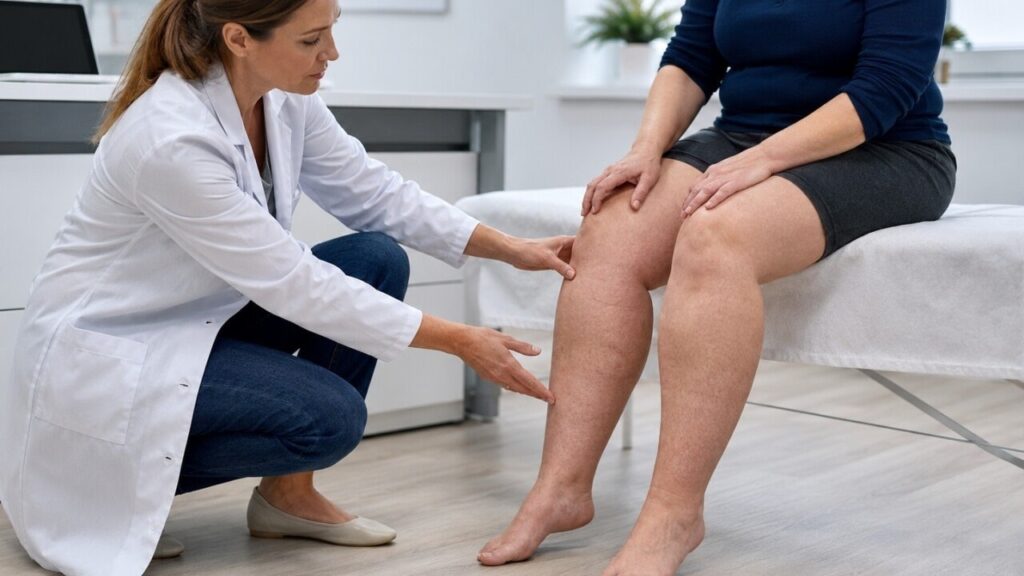
Patient selection and surgeon skill directly impact results. Ideal candidates meet simple physical checks: a calf fat pinch of about 1.5 to 2.0 cm and an ankle fat pinch of roughly 1.0 to 1.5 cm. Good to moderate skin elasticity helps support nice crisp re-draping post fat removal. Bad elasticity or cellulite predisposes to skin dimples and more variable outcomes. Select surgeons with expertise in both aesthetic lower-leg anatomy and liposuction technique to minimize irregularities and contour defects.
Technical decisions count. Microcannulas 3 mm or less help decrease surface irregularities. Tumescence anesthesia numbs locally and supplies several hours of post-op relief and minimizes blood loss. Many teams do ‘dry’ liposculpture approaches. A 2024 study demonstrated low post-op pain and most patients returned to light activity within the first few weeks after such procedures. Expect swelling to persist. Lower-leg edema can last up to six months because gravity slows fluid resorption. The final contour usually emerges slowly as swelling subsides.
Typical bottlenecks and how to deal with them are outlined below.
| Challenge | Why it happens | Strategy to reduce risk |
|---|---|---|
| Skin irregularities | Poor skin elasticity or uneven fat removal | Pre-op elasticity assessment; use microcannulas; conservative fat removal |
| Prolonged swelling/edema | Gravity pulls fluid into lower legs | Compression garments; leg elevation; massage/lymphatic drainage; expect up to 6 months |
| Unsatisfactory asymmetry | Anatomy variance, over-resection on one side | Careful intra-op measurement; staged approach; small-volume fat grafting for revision |
| Persistent contour deformity | Pre-existing cellulite or fibrous tissue | Consider subcision or combined techniques; set realistic expectations |
| Pain and slow return to activity | Surgical trauma and swelling | Tumescence for intra-op analgesia; early light activity; follow 2024 study protocols |
Systematic reviews and recent aesthetic surgery journals find ankle reduction by liposuction to be safe and effective if performed by trained specialists. Complication rates are low with good technique and patient selection. Revisions are rare but more common with bad skin type or aggressive excision. What’s your magic formula for success? Practical preoperative counseling, objective pinch measurements, and postoperative plans for compression and monitoring help us achieve consistent outcomes.
Non-Surgical Options
Non-surgical options provide multiple avenues for individuals desiring more subtle transformation to ankle contour sans incisions. They tend to be more modest and less predictable in their results than surgery. Many are best used for mild cases or in concert with wider leg-slimming strategies. Anticipate variable timelines, occasional repeat treatments, and limitations in accuracy versus surgical shaping.
CoolSculpting and other non-invasive fat reduction technologies utilize controlled cooling or energy to target subcutaneous fat. They can address those little accumulations near the ankle in otherwise well-toned individuals with localized deposits. These methods are safe and effective with no anesthesia, minimal downtime, and gradual, natural-looking reduction. Limitations are notable: these methods often need multiple sessions, results are sometimes temporary or inconsistent, and they do not remove deep or fibrous fat reliably. Industry trends exhibit a nearly 40% decrease for these procedures, indicating evolving demand and ambiguous long-term data. Long-term data for ankle-specific use continue to be sparse.
Vigorous-intensity activity and muscle conditioning exercises transform calf and lower-leg shape through decreasing fat overall and increasing muscle tone. Examples of these activities include regular hill sprints, jump rope, and interval cycling, which raise heart rate and burn calories that contribute to whole-body fat loss. Single-leg, seated, or weighted calf raise routines develop the gastrocnemius and soleus muscles, which can produce a more defined lower-leg silhouette. Important limits exist; weight loss cannot target fat in a single spot. Some people store more subcutaneous fat around the lower calf and ankle, and that pattern may persist despite overall weight loss. Skin elasticity plays a role in visible change as well. Loose skin will not tighten with exercise alone.
Lifestyle measures can support contour aims. Consistent activity and calorie control for weight loss not only keeps your weight down, but decreases your overall body fat, which may diminish ankle fullness over time. Wearing graduated compression decreases the perceived bulk by flattening soft tissue and helps with mild fluid accumulation after prolonged standing or travel. Compression is straightforward, low-risk, and useful in conjunction with other interventions.
For leg swelling and related contour, address medical management of edema with diuretics when appropriate, lymphatic drainage massage, and manual or mechanical drainage. Cellulite reduction treatments, including radiofrequency, acoustic wave, or targeted massage, can improve skin texture but give mixed results on contour. When fluid is predominant, physical removal by aspiration or drainage may be advised in selected cases under medical supervision.
Non-surgical options can assist many. They tend to take a little patience, multiple treatments, and a realistic view of boundaries and durability.
Conclusion
Ankle contouring surgery can transform ankle shape and help individuals achieve defined objectives. Its care path begins with a comprehensive exam and specific plan. Surgeons employ targeted methods to sculpt fat, remodel bone, or firm soft tissue. Non-surgical steps, such as targeted fat reduction and muscle work, reduce risk and hasten recovery for certain individuals. Healing follows a steady timeline: rest, gradual movement, and guided rehab. Real results rely on smart planning, realistic expectations, and careful monitoring. For instance, an individual with tight calves and ankle fullness can experience significant transformation following a minor bone shave and fat trimming, accompanied by consistent rehabilitation over 8 to 12 weeks. Consult with a board-certified specialist to connect options to your needs and next steps.
Frequently Asked Questions
What is ankle contouring surgery and who is a good candidate?
Ankle contouring surgery sculpts bone, fat, or muscle to create a more slender ankle outline. Ideal candidates are healthy adults with sensible expectations and consistent weight. A consultation eliminates vascular or nerve concerns and verifies candidacy.
How long is recovery after ankle contouring surgery?
Most return to light activity in one to two weeks and full activity in four to eight weeks. Swelling can persist for a few months. Follow your surgeon’s protocol to diminish complications.
What risks and complications should I expect?
Complications can involve infection, hemorrhage, nerve damage, uneven results, and edema that doesn’t subside. Bone or tendon cases are more complex. Opt for a board-certified surgeon to reduce risk and nip complications in the bud.
Will ankle contouring leave visible scars?
Scarring is technique-dependent. Most surgeons employ small incisions in more inconspicuous locations. Scars generally fade over months but can still be noticeable. Request before and after photos and scar plans.
Are results permanent?
Results can be long-lasting if weight and activity remain stable. Bone and tendon changes are frequently permanent. Fat reduction can come back with weight gain. Eating right and exercising ensure the results are permanent.
Are there effective non-surgical alternatives?
Yes. Options range from targeted fat-dissolving injections to radiofrequency, ultrasound tightening, and muscle relaxers. Non-surgical methods provide subtle changes and necessitate repeat treatments for upkeep.
How should I choose a surgeon for ankle contouring?
Select a board-certified plastic or orthopedic surgeon with specific ankle contouring experience. Review credentials, patient photos, complication rates, and patient reviews. A detailed pre-op evaluation and a clear aftercare plan are essential.
 Directions
 Call Us
 Email Us