
What Affects Liposuction Cost? Key Factors and Risks of Cheap Options
Key Takeaways
- Treatment area size and treatment area count are the primary cost drivers. Larger or hard-to-treat zones increase the final price. Determine which areas are most important to you before scheduling.
- Volume of fat removed and patient BMI impact surgical time and cost. Revisions or fat transfer may increase total costs.
- Surgical technique and surgeon expertise significantly impact price and results. They should put board certification and proven results ahead of the lowest price.
- Facility standards and anesthesia choice add substantial fees. Compare accredited surgical centers versus medical spas and verify whether anesthesia is billed separately.
- Ancillary costs like compression garments, medications, wound supplies, and follow-up visits can significantly increase the overall cost. Ask for a written estimate that breaks these out.
- Be cost effective in your planning: prioritize safety and results, inquire about financing, combine treatable areas when medically appropriate, and include possible revision expenses in your budget.
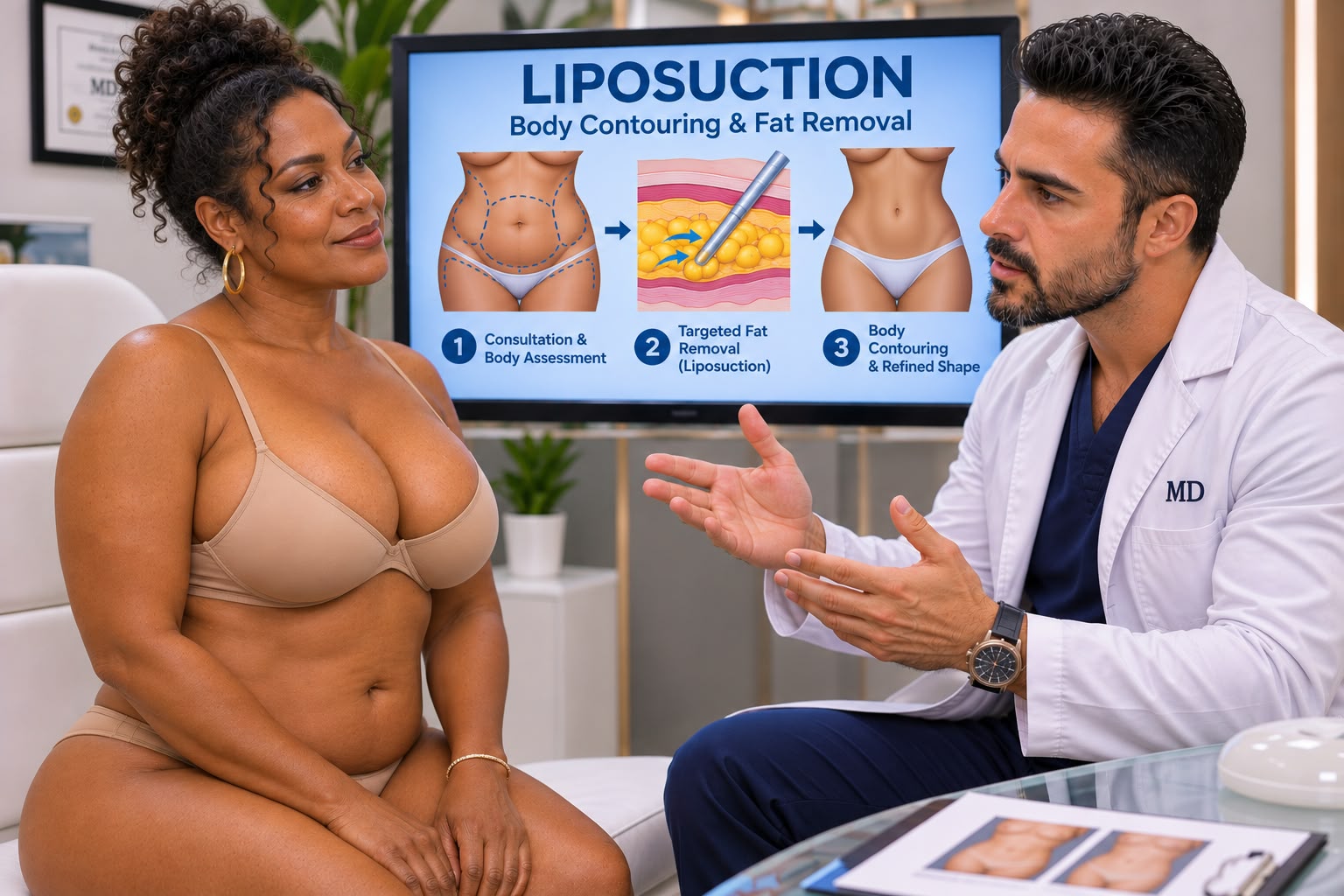
Liposuction cost considerations encompass surgeon fees, facility charges, anesthesia, and both pre- and post-operative care. Location and the surgeon’s expertise influence fees. The number and size of areas treated impact procedure duration and material costs. Patient health and tests add costs. Technology selection, for example, tumescent or laser-assisted liposuction, alters rates. Insurance almost never covers cosmetic liposuction, so patients budget accordingly.
Primary Price Drivers
Primary price drivers cause the majority of variation in liposuction cost. They are where the work is done, how much tissue is removed, what technique is used and who performs the surgery. Here are your primary price drivers, grouped to assist with decision making and expectation setting.
1. Treatment Area
The cost of liposuction varies significantly depending on the areas treated, such as the stomach, inner thighs, and arms. Larger zones like the abdomen typically incur higher costs than smaller areas like the chin. Treating multiple sites in a single session increases the overall costs due to additional surgical time and complexity. Certain zones, particularly the lower abdomen and inner thighs, require more finesse and may involve higher fees for the extra labor. Additionally, the size of the treatment area and fat distribution can influence the fees charged by liposuction providers, making it essential to consult with a board certified plastic surgeon to understand the final cost.
2. Volume Removed
Getting rid of more fat during the liposuction procedure means more surgery time, which frequently contributes to the overall costs. A higher body mass index (BMI) or large fat deposits among patients often results in higher costs since the procedure can take longer or be performed in stages. What’s desired — subtle contour or aggressive debulking — dictates how much is removed and influences the price. Secondary procedures, such as revisional liposuction or fat transfer to the gluteus, increase the complexity and costs of additional operative time.
3. Surgical Technique
Traditional suction-assisted liposuction, ultrasound-assisted, laser-assisted (smartlipo), and power-assisted all fall at various price points. The cost of liposuction can vary significantly based on the method selected, as specialized procedures like laser liposuction or smartlipo tend to be higher due to device fees and training involved. The selection of technique influences healing duration and complications risk, which can impact indirect expenses such as missed work or additional treatment. A straightforward comparison table assists, providing average price ranges, recovery days, and benefits and negatives for each technique.
4. Surgeon Expertise
Board-certified plastic surgeons and dermatologic surgeons typically cost more, with average fees ranging from $4,300 to $7,500 based on experience and location. The cost of liposuction can vary significantly, driven by variables such as the surgeon’s reputation and specialty in cosmetic surgery. While selecting an inexperienced provider may lower the initial consultation price, it could ultimately increase total costs if a redo becomes necessary.
5. Facility Standards
Accredited surgical centers and hospitals have higher facility fees than office-based or spa settings. Quality, safety, and equipment standards make up the rest. Premium centers offer more aftercare and comfort, and that’s reflected in the price. Venue selection connects to local cost of living. Big cities almost always charge more than smaller ones.
Auxiliary Expenses
Auxiliary expenses are the non-surgeon fees that contribute to the final cost of liposuction. These include facility fees, anesthesia, pre-operative labs, garments, and follow-up care. Liposuction providers vary in their approach: some bundle these items into a single package, while others bill each line item separately. Knowing what’s included before your consultation can help you avoid shock fees.
Anaesthesia Care
General anesthesia is typically more expensive than local anesthesia and sedation, with typical anesthesia costs ranging from $500 to $1,500 or more based on the type and market. The complexity of the case can lead to increased fees, and board-certified anesthesiologists often charge more due to their extensive training. It’s crucial to ensure that the estimate for the liposuction procedure includes anesthesia as an add-on, as it is frequently billed separately from the surgeon’s and facility fees.
Aftercare Supplies
Compression garments, prescriptions, and wound-care supplies are essential for supporting healing after a liposuction procedure, but they can also add to the overall costs. While some clinics may include basic garments in their quoted price, higher-quality options or those needed for multiple areas such as the abdomen and arms typically incur additional expenses. The type and quantity of supplies required can vary based on the complexity of the procedure and the treatment plan established during the initial consultation.
- Compression garments (standard or premium types)
- Prescription pain medications and antibiotics
- Sterile wound dressings and adhesive supplies
- Topical ointments and scar-care products
- Support pillows or recovery aids for comfort
Follow-Up Visits
Follow-up checkups after surgery are essential to monitor the healing process and identify any complications as soon as possible. A few liposuction providers bundle a certain number of follow-ups with their package, while others bill on a per visit basis. More complicated cases or multiple treated areas can require more visits, leading to higher costs. When comparing clinics for your plastic surgery needs, pay attention to how many visits are included and what extra visit fees are. Additionally, keep scheduling flexibility and emergency access in mind, as some urgent calls or additional clinic time can incur extra charges.
Other auxiliary items to budget for are surgical facility fees, which pay for the operating room and staff and can contribute a big chunk to the bill, and pre-operative testing such as lab work and medical clearance. Consider indirect recovery costs: temporary household help, transportation, and extra meals during recovery. The checklist helps catch holes in quotes and compare apples to apples for the true total cost.
Bargain Clinic Risks
Liposuction’s bargain basement price tags often come at a tradeoff of safety, staff, and facilities. Patients must evaluate what is or is not included in a fee, especially when considering the cost of liposuction. Some of the less expensive clinics don’t have accredited operating rooms, sufficient monitoring equipment, or experienced recovery-room staff. High-volume cases, generally those over 5 liters of fat extracted, call for a hospital setting, anesthesiology supervision, and occasionally an overnight stay. A clinic trimming expenses might not follow these protocols, which could impact the overall costs and safety of the procedure.
Medical Complications
Inadequate technique, inadequate sterilization, or incomplete follow-up can result in infections, contour irregularities, nerve injury, hematoma, or visible scarring. These issues can manifest days or weeks post-surgery and require immediate attention. Infections can advance, necessitating hospital admission, intravenous antibiotics, and wound care, which can cost thousands of dollars depending on the area. Inexperienced surgeons, unaccredited facilities, and staff who are not credentialed or supervised are associated with higher complication rates.
A basic checklist lowers risk: verify surgeon credentials, confirm facility accreditation, ask about anesthesiology coverage, check monitoring devices, and understand post-op staffing and escalation plans. Traveling patients arrange a named local post-op contact and an explicit urgent care contingency for post-exit complications.
| Common complication | Why it happens in bargain clinics | Typical follow-up |
|---|---|---|
| Infection | Poor hygiene, reused instruments, inadequate antibiotics | Oral/IV antibiotics, possible hospital stay |
| Contour irregularity | Inconsistent technique, inadequate experience | Revision liposuction or fat grafting |
| Hematoma/seroma | Poor hemostasis, no proper drains | Aspiration, clot evacuation, longer recovery |
| Anesthesia events | No anesthesiologist, minimal monitoring | Emergency transfer, advanced care |
| Excessive blood loss | Large-volume extraction in non-hospital | Transfusion, prolonged admission |
Corrective Procedures
Those unsatisfactory results often necessitate revision surgery. Correcting unevenness, lumps or loose skin can be more invasive than your original surgery and may include combined procedures, like liposuction with excisional surgery, which increase your price. Secondary surgeries are more dangerous because of scar tissue and twisted anatomy. They take longer, require more experienced surgical teams, and often need hospital facilities that the initial bargain clinic never needed.
Insurance almost never covers cosmetic revisions, so patients typically pay out of pocket. That means the actual lifetime expense of a bargain procedure is significantly increased when revision is necessary. Factor in potential corrective costs before choosing a low-priced option and compare what is included: follow-up visits, wound care, and emergency coverage.
Hidden Value Indicators
Hidden value indicators reveal what counts above the sticker price in planning a liposuction procedure. These indicators foreshadow the quality of the result, overall costs, and patient experience by indicating clinical expertise, practical planning, and appropriate support through recovery. A board certified plastic surgeon is essential for ensuring that the procedure meets national standards and that the patient receives adequate post-operative care.
Board certification, upfront transparent pricing, and specific aftercare flow are all hidden value indicators for quality. Board certification indicates the surgeon satisfied national criteria and continuing education. Clear pricing itemizes surgeon fees, facility fees, anesthesia, and supplies. They’ll include anticipated extras, like compression garments, follow-up visits, and possible revision fees. Detailed aftercare instructions describe wound care, activity restrictions, follow-up scans or photos, and swelling and final results timelines. Vendors who provide an explicit written recovery plan and a contact for recovery matters help avoid surprises and hidden fees.
Good liposuction providers will offer you comprehensive treatment plans and charge breakdowns. A thorough strategy encompasses an evaluation of skin quality and elasticity, fat distribution in the treatment area, and a blueprint for achieving the desired outcome. When skin retraction is likely limited, the plan might incorporate skin-tightening steps or suggest staged procedures. Fibrous or dense fat can complicate the case, extending operative time and affecting the overall cost of liposuction.

Good patient reviews and before and after galleries show they’re offering something beyond price. Search for repeated results on patients of the same build and issue. Galleries should feature unretouched images with timelines demonstrating both short and long-term effects. Reviews that talk about recovery priorities and tolerance for downtime reveal how realistic the practice is about the healing process. A patient with slow skin retraction showing staged treatment or another who needed two areas and planned a longer downtime helps set expectations.
Checklist to identify signs of quality in providers:
- Board credentials and hospital privileges, explicitly listing certifications.
- Detailed, line by line quote for surgeon, facility, anesthesia, garments and follow ups.
- Pre-op notes describing skin elasticity, fat quality, and transition zone requirements.
- Method rationale for why you do a particular thing and how it affects cost.
- Before and after gallery with like case types and timelines
- Patient reviews that discuss recovery experience, complications, and follow-up care.
- Obvious aftercare plan discusses activity restrictions, red flags, and follow up.
- Location and logistical notes demonstrate how location influences fees and emergency care availability.
Cost-Effective Planning
Cost-effective planning for liposuction starts with clear priorities: desired outcomes and patient safety should guide budgeting, rather than simply chasing the lowest price. Selecting a board certified plastic surgeon and facility might be more expensive initially, but it reduces the risk of complications and expensive revisions down the road. The surgeon’s fee can constitute 40 to 60 percent of the total cost, so consider that fee in conjunction with credentials, experience, and complication rates, not as an isolated figure.
A lot of practices actually offer financing options and payment plans to distribute costs over time. This can be via in-house plans, third-party medical loan lenders, or credit cards. For example, a liposuction procedure quoted at $6,000 with a 12-month plan at 8% APR will add several hundred in interest. A zero-interest short-term plan might be less expensive but have bigger monthly payments. Request detailed terms in writing prior to commitment.
Combining multiple areas in one surgery can help to discount the total cost compared to separate interventions. If safe and medically appropriate, merging areas such as the abdomen and flanks can reduce overall facility and anesthesia fees. The bigger combined procedures can have longer operative times, potential general anesthesia, and even occasionally an overnight stay for monitoring, all of which increases costs. Weigh the savings of fewer total visits with the higher single-session costs and recovery requirements.
Ask for a comprehensive, written estimate itemizing surgeon fees, anesthesia, facility fees, pre-op testing, surgical garments, post-op medications, and follow-up visits. Promotional quotes typically do not even include anesthesia or facility fees – watch out. Average aggregate fees for the liposuction procedure tend to fall between $4,000 and $11,000, depending on the scope and location. Keep in mind that metro areas typically go 20 to 40 percent above smaller towns or rural hubs. Apply that range when comparing clinics in different areas.
Steer clear of non-accredited or discount facilities designed solely to keep expenses down. These types of decisions can add unwarranted risk and often do not have a good contingency plan. Accreditation and a professional surgical team count for safety and lasting value in elective surgeries.
Schedule for recovery and your personal plans. Planning in spring means patients can be back to 100% by mid-summer, a real-world, practical consideration for potentially avoiding work or travel expenses. Be sure to save all receipts and copies of contracts for future reference and potential insurance or loan documents.
Long-Term Outlook
Long-term liposuction results are a function of a few interconnected factors that determine cost-effectiveness and satisfaction in the long term. Selecting an expert liposuction provider and adhering to a regimented aftercare reduces the risk of complications that incur additional costs down the road. A skilled board certified plastic surgeon employs exacting technique, minimizes tissue trauma, and strategically plans the contouring to minimize irregularities or touch-ups. Postoperative care, including compression garments, pacing your activities, and follow-up appointments, supports recovery and reduces complications that might result in additional surgeries or extended treatment.
Lifestyle choices are at the core of sustaining results. Liposuction extracts fat cells from specific parts of the body, but it doesn’t prevent new fat from developing if you gain weight. Exercise, nutrition, and consistent weight maintenance are crucial for preserving the sculpted lines. For instance, an individual who maintains weight at a pre-surgery target body-mass index (BMI) will typically experience more enduring shape change than someone with frequent weight fluctuations. Investing time into diet and exercise now can help you avoid the need for secondary liposuction, which is much more worth spending.
Technical and biological considerations influence personal results and might adjust lifelong expenses. Skin quality and elasticity play a significant role as they decide how well the body ‘re-drapes’ after fat removal. Fat type and dispersion determine how dramatic and lasting the result appears. Some patients naturally heal more slowly. Taking longer to recover pushes back their ability to return to work and regular life, which has indirect financial consequences. Scarring is typically minimal but may be of concern for those with thin skin or visible treatment locations. Scar management and potential corrective care are other long-term issues.
Psychological and quality-of-life impacts affect value. Many patients find that they have better self-esteem and greater confidence following effective liposuction, which can justify increased upfront costs in light of long-term value. Realistic expectations are key: patients who understand limits that liposuction is body sculpting not weight-loss surgery tend to be more satisfied and avoid repeated procedures.
When you’re deciding, consider short-term cost versus possible long-term cost and benefits. Cheaper immediate fees can obscure higher risks of shoddy technique, prolonged recovery, asymmetry or revisions. Pursue credentialed surgeons, look at before and afters, and consider post-op care, garment expenses and downtime. Good thinking and a commitment to quality tend to minimize total lifetime cost and produce the best durable outcomes as well.
Conclusion
Liposuction cost rests on a few clear items: surgeon skill, clinic fees, anesthesia, and area size. Less area costs less. Highly skilled surgeons may charge more, but they reduce your likelihood of complications and revision procedures. Cheap clinics take price out by skimping on staff time, aftercare or safety measures. Extras like lab work, compression garments, and subsequent visits drive totals even higher. Estimate by obtaining three written estimates, checking qualifications of surgeons, and itemizing your post-op needs. Anticipate expenses to vary by location and by amount of work. Dream in value, not just sticker price. Select a team that provides transparent steps, realistic timelines, and a recovery plan.
Get quotes and inquire about what each fee includes.
Frequently Asked Questions
What are the main factors that drive liposuction price?
Surgeon skill and experience, the type of plastic surgery procedure, and the number of areas treated significantly influence the overall costs, with more complex treatments like liposuction procedures raising the price.
How much do auxiliary expenses add to the total cost?
These auxiliary costs, including anesthesia, surgical facility, pre-op tests, compression garments, and follow-up visits, can add 20 to 40 percent or more to the overall costs of the plastic surgery, depending on your plan and practice location.
Are low-cost clinics a safe way to save money?
Extremely low prices can be red flags, signaling shortcuts in training, sterile technique, or equipment. Selecting a board-certified plastic surgeon based on value and credentials minimizes risk, ensuring safety in your plastic surgery journey.
What hidden value indicators should I look for when comparing clinics?
Search for board certified plastic surgeons, their before and after photos, and straightforward pricing for elective procedures like liposuction, which help eliminate sticker shock.
How can I plan cost-effectively for liposuction?
Compare several written quotes from liposuction providers, ensuring you understand what’s included in the consultation. Plan for recovery supplies and time off work, and finance only with transparent terms for your desired outcome.
Will liposuction costs change in the long term due to follow-up needs?
Most patients require only routine follow-up after their plastic surgery. Occasionally, treatment for revisions or complications can increase the overall costs. A good provider choice and post-op care reduce your long-term expenses.
Can insurance cover any liposuction costs?
Liposuction is primarily an elective cosmetic procedure and usually not covered by insurance, unless deemed medically necessary, such as for lipedema. Always verify with your insurer and obtain documentation if you believe you qualify.
 Directions
 Call Us
 Email Us