
Ozempic weight loss is driving demand for body lift surgeries – here’s why

Key Takeaways
- Accelerated weight loss from drugs like Ozempic has caused a surge in demand for aesthetic procedures that address skin laxity and facial volume loss.
- Many patients opt for facelifts, body lifts, or breast lifts to address the excess skin and appearance changes after the weight loss journey.
- Thorough pre-meets and weight stability are key if you’re thinking about going under the knife.
- Mental fortitude, tempered expectations and direct surgeon dialogue help patients stay happy and healthy after weight loss.
- Financial and geographic access to cosmetic surgery can be uneven. This emphasizes the importance of transparent pricing and inclusive healthcare.
- As media and cultural tides keep shifting, let responsible representation and societal conversations remain treasured currency.
Ozempic boom plastic surgery demand refers to more people wanting cosmetic procedures after shedding pounds on Ozempic. Several clinics note increased body contouring demand as patients seek to eliminate loose skin or sculpt their bodies.
Surgeons spot a direct connection between new weight loss pills and the shift in cosmetic surgery trends. To illustrate what fuels this demand, this post examines the connections between Ozempic consumption and increasing plastic surgery interest.
The New Demand
The explosive growth in GLP-1 receptor agonist use, with an estimated 32 million US adults having tried these medications, has transformed the plastic surgery landscape. Massive weight loss, in some cases as much as 50 or even 100 pounds, presents a new set of challenges for both patients and surgeons. The phrase “Ozempic face” reflects one of the most visible side effects: facial deflation and sagging.
With the momentum building, demand for both facial and body aesthetic treatments is increasing worldwide across many ages, particularly among those 40 and over.
1. Skin Laxity
Patients that shed a significant amount of weight, particularly fast, tend to struggle with loose, excess skin. This is typical of GLP-1 users. They turn to surgery, such as body lifts, to excise the hanging skin of the arms, abdomen, and thighs.
For others, this skin laxity is as damaging to self-confidence as their previous weight. It can complicate day-to-day tasks and restrict wardrobe options. It’s no wonder that skin laxity has now become a crucial component of weight management strategies, not only for comfort but for an improved lifestyle.
2. Facial Volume
Drastic weight loss can result in facial fat loss, which causes the cheeks, temples, and jawline to appear hollow. ‘Ozempic face’ epitomizes this transformation. Many patients are asking for fillers—particularly hyaluronic acid injections—to restore lost volume.
Others opt for fat grafting or surgical lifts for more permanence. Plastic surgeons are increasingly turning to more customized mixtures, combining fillers with implants and lifts. These treatments focus on restoring natural contours, making a patient feel like themselves again, not a “skinny person with a drawn face.
3. Body Contouring
Demand for body contouring has skyrocketed, particularly among patients who lose significant amounts of weight as a result of medication. Tummy tucks and lower body lifts are favorites, frequently combined with arm or thigh lifts.
These surgeries assist patients in ditching the loose skin that weight loss leaves behind. Patients say these surgeries are the final piece to their metamorphosis, aiding body confidence and self-love. The ‘Ozempic makeover’ now refers to full-blown packages that consolidate multiple surgeries for a unified outcome.
4. Patient Psychology
The mind part of quick weight loss is tricky. Others are nervous about their new appearance, particularly loose skin or facial alterations. It messes with self-image and can create new insecurities.
Backing from family, peers and professionals guides patients through the transition and towards informed decisions. Nutrition, pre-surgical counseling and expectations are included in the planning process now. Surgeons advise pausing GLP-1 drugs and increasing protein intake around surgery, as malnutrition can delay healing or increase the risk of infection.
Popular Procedures
How the GLP-1 weight loss spike is transforming the plastic surgery world. Patients are looking for new procedures to help with excess skin, body shape and facial features post rapid weight loss. Some choose several procedures simultaneously, yearning for a total reinvention.
- Body lifts and tummy tucks for loose skin on your abdomen, thighs, and arms.
- Breast lifts re-contour sagging breasts and restore body balance.
- Face lifts and neck lifts to combat Ozempic face and facial sagging.
- Liposuction or fat grafting for resistant fat or volume loss.
- Arm and thigh lifts for upper and lower body sculpting.
- Use of internal radiofrequency (e.g., BodyTite) for skin tightening.
- Combination surgeries for efficient recovery and holistic results.
Body Lifts
Body lifts are typically crucial for rapid weight loss patients. Skin doesn’t always shrink, and you can be left with folds around your stomach, back, thighs, or arms. These procedures take off and tighten excess skin, which can help patients move more freely and prevent skin irritation.
These outputs shape the body where clothes fit better and everyday movement flows with more ease. Choosing a talented plastic surgeon is key. No two body lifts are the same. Surgeons consider skin quality, fat deposits and scar placement.
Others employ barbed sutures to distribute tension and reduce scar visibility, easing the healing process for the patient. Post-operative hyperbaric treatment can help increase oxygen levels in skin and fat cells, which promotes healing. Patients often experience increased self-confidence and body image after a body lift.
For others, the emotional rewards are just as significant as the physical transformation.
Face Lifts
Facelifts” are in high demand for those experiencing facial sagging or hollowing after weight loss — a trend often referred to as ‘Ozempic face.’ Facelifts experienced the biggest rise in the US with an increase of 8% between 2022 and 2023. These surgeries lift and tighten the lower face and neck, restoring a younger appearance and smoothing deep folds.
Our expert facial plastic surgeons tailor every facelift according to muscle tone, skin thickness, and the patient’s objectives. Most pair facelifts with neck procedures or skin-tightening devices. GLP-1 users tend to have less collagen and elastin, which can restrict the impact of non-surgical treatments.
Surgeons occasionally hold GLP-1 drugs prior to surgery to minimize risks such as delayed healing or wound dehiscence. Nutrition is another issue. A lot of patients are low in iron, vitamin C, or zinc, which prolongs the healing process. Surgeons might suggest supplements or additional wound care to assist.
Breast Lifts
Breast lifts have become the big winner for women who lose weight. Sagging is an issue as the breast tissue and skin lose volume and firmness. A breast lift can raise and reshape breasts, enhancing both body contour and self-image.
It’s typical to pair breast lifts with surgeries such as tummy tucks or arm lifts. This technique can provide a more natural appearance and reduce the downtime. Patient education is crucial. Women need to understand the risks and benefits and what the recovery process will entail.
Surgeons frequently utilize barbed sutures, which assist the breasts in maintaining their new shape while reducing scar risk. Others suggest a hiatus from GLP-1 drugs prior to surgery, and the duration of the pause differs.
Patient Candidacy
When it comes to patient candidacy for cosmetic surgery during the Ozempic boom, several factors are considered. Plastic surgeons take into account your health, weight history, expectations, and medication use. Below is a list of key elements determining who is suitable for surgery:
- Weight stability, not weight loss, is a key concern. Surgeons prefer patients with weight that has stabilized, typically for six to twelve months, because the results last and complications are fewer.
- Health is checked through exams and labs. This stage screens for issues that could increase surgical risks, such as diabetes, hypertension, or bleeding disorders.
- Review medication plans for patients on weekly medications such as Ozempic. A few clinics request that patients discontinue these for a week prior to surgery to reduce potential risks associated with anesthesia or digestion.
- Surgeons seek reasonable expectations. Individuals seeking a dramatic, instant transformation may be disappointed. Setting practical goals is important.
- Individuals with a background of significant weight fluctuations might exhibit evidence of aging, such as loose skin, even after moderate reductions. This influences both candidacy and planning of procedures.
Weight Stability
Most surgeons require evidence of stable weight prior to agreeing to elective procedures. These patients, post-drug weight loss, might lose up to 25 percent of their body weight, nowhere near massive-weight-loss extreme. Yet, weight fluctuations can stretch or loosen skin, resulting in less consistent outcomes.
Stable weight over time allows surgeons to strategize for tighter, longer-lasting results and it provides the body with an opportunity to accommodate shifts in fat placement. If you lost weight and gained back a little weight, the fat comes back in different areas of the face or body. These changes can complicate surgery planning.
Preoperative counseling aids patients in appreciating the benefits of sustained equilibrium. It educates them on keeping their new weight off through lifestyle changes, so results are more likely to be permanent.
Health Status
Underlying medical issues increase the likelihood of complications during and following surgery. Comprehensive check-ups, usually with blood tests and heart screening, are the norm. Surgeons collaborate with primary physicians to balance risks and benefits, particularly for patients with diabetes or heart issues.
For higher-risk patients, surgeons may employ shared decision-making and recommend that medications such as Ozempic be held on the day of surgery and for one week prior. If patients have gastrointestinal symptoms, such as nausea or emesis, on the day of surgery, there is a legitimate risk for regurgitation or aspiration. In these instances, the surgery may have to be delayed for safety.
Realistic Goals
Patients must understand the potential and the limitations of cosmetic surgery. An 8% increase in facelifts demonstrates an increasing appetite for more significant interventions. The majority of people under 40 opt for fillers over the knife.
A few of our patients may appear older post weight loss, sometimes up to 5 years older than their peers, so it’s crucial we talk through anticipated skin and fat changes. Both patients and surgeons benefit from matching their hopes to what can be safely accomplished.
Early discussions about expectations and potential results, particularly regarding facial aging and healing, prepare patients for greater satisfaction.
Surgical Considerations
As Ozempic and other weight loss drugs gain traction, more patients are turning to plastic surgery. This pattern presents novel challenges for surgeons. Planning, monitoring, and communication between patients and providers all contribute to safe and successful outcomes.
Preoperative Assessment
Thorough preoperative evaluations are still crucial for anyone contemplating cosmetic surgery after medication-assisted weight loss. Surgeons review your full medical history, take vital signs, and do blood work. These measures assist in identifying risk factors such as malnutrition, uncontrolled diabetes, or cardiac conditions.
Certain medications, such as semaglutide, may result in complications such as wound dehiscence or slow healing, so just verify that you’re not allergic to them. New data indicates that use beyond six months increases the risk for surgical-site infections and chronic post-procedural pain.
A careful nutritional work-up is now routine for anyone on weight loss drugs. Providers usually recommend increasing protein and mending any nutritional deficiencies as a priority. Patients should be informed about the potential for regurgitation and aspiration if GI symptoms are present on the day of surgery.
Sometimes this means postponing surgery until symptoms subside in accordance with recommendations from both guidelines and the patient’s care team. Prep patients preoperatively through education. Understanding what to expect before and after surgery will give patients a better picture of the process and set more realistic expectations.
Anesthesia Risks
Anesthesia during cosmetic procedures is always risky. These risks can be greater in patients on drugs like Ozempic. Among the usual suspects are nausea, vomiting, and aspiration, particularly in the presence of gastrointestinal symptoms. Patients should be aware of these risks beforehand.
Selecting experienced anesthesiologists reduces the risk of complications. They keep a very close eye on patients during and after anesthesia, observing for any respiratory or cardiac complications. The pre-surgical fasting guidelines used to be rigid, but currently, decisions to postpone a procedure are based on your physician’s discretion and patient status.
Nonetheless, most squads err on the side of caution if there’s any indication of a ‘full stomach’ or recent pharmaceutical use. Surgical considerations drug side effects, like delayed gastric emptying, guide how anesthesia is administered. Each patient’s medication history guides the anesthesia care plan.
Postoperative Care
Checklist for postoperative care:
- Follow wound care instructions
- Monitor for signs of infection
- Keep up with nutrition, especially protein intake
- Attend all follow-up visits
- Report new pain, fever, or swelling right away
Surgeons emphasize post-operative patient compliance. This covers wound instructions, activity restrictions, and diet recommendations. Regular appointments allow us to catch issues early, monitor healing, and address patient concerns.
Teaching patients early warning signs, such as worsening pain, surrounding redness, or drainage, keeps them vigilant of possible complications. Liposuction and other body contouring surgeries are common following moderate weight loss. Results and recovery will differ depending on each person’s health and degree of weight loss.
The Socioeconomic Lens
Cosmetic surgery demand changes as Ozempic and other weight-loss drugs soar. The Socioeconomic Lens: As more people seek quick body modification, new issues and inequalities emerge. A lot of folks are looking for ways to combat the stubborn signs of aging or post-weight loss body contouring.
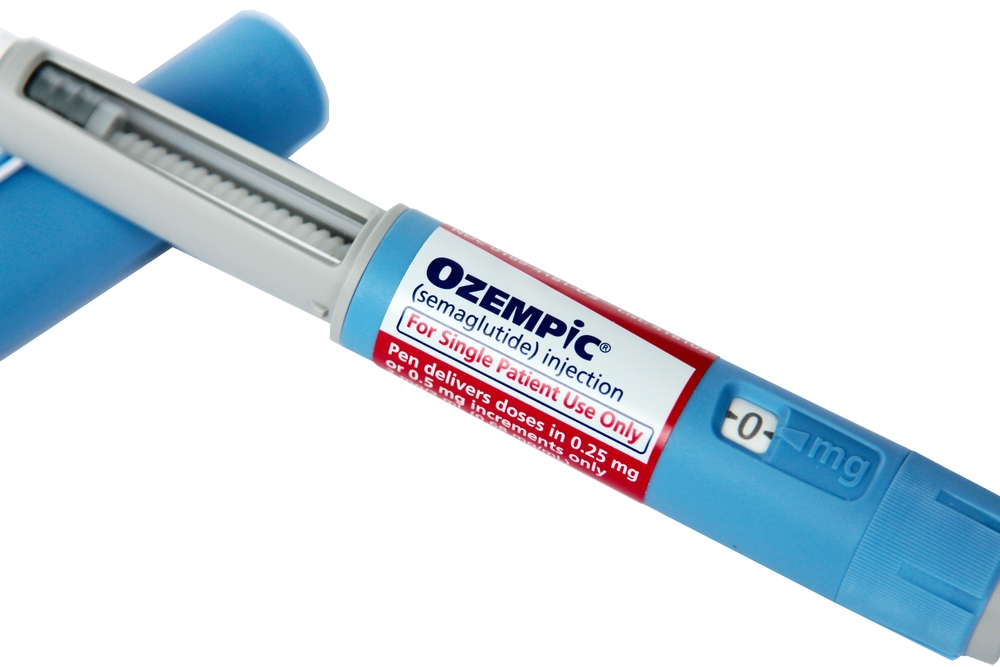
The access to these processes is not equal. Through the socioeconomic lens, income, insurance, geographic location, and cultural beliefs all determine who can take advantage of the recent plastic surgery boom.
Accessibility
Cost is still one of the biggest hurdles for folks seeking cosmetic surgery post weight loss. Not every patient can afford these costs out of pocket, particularly when facial rejuvenation or body contouring is frequently deemed cosmetic and non-covered by insurance.
For others, the cost runs into the thousands, which sets apart those who are financially capable of making such shifts and those who are not. Where you live matters as well. Urban areas have clinics, specialists, and competitive pricing, while rural areas do not.
This distinction impacts access and affordability for individuals beyond the confines of major metropolitan areas. Clear costs and easy-to-afford payment plans assist in making surgery accessible to a wider community.
Some clinics now post prices on the web or provide financing to help alleviate the stress. There are programs and nonprofits sprouting to increase access as well, targeting underserved populations and providing subsidized surgeries.
Media Influence
Media, old and new, determines what people believe is attainable and aspirational. Social platforms disseminate photos of ‘Ozempic face’ or ‘ozempic body,’ stoking appetite for aesthetic solutions.
As individuals witness changes online, result demands can increase, sometimes beyond what is feasible. Social media fads can do the same for specific operations, sending search interest and demand skyrocketing almost instantly.
Sure, influencers and celebs do set these trends, but they can lead to a limited concept of beauty. Unrealistic standards might compel others to have surgery for reasons more cosmetic than medical.
Thoughtful media can assist by demonstrating that there is a variety of outcomes, with downsides and dangers. This can help steer individuals to make more mindful decisions, instead of trend-mongering or perfectionism.
Cultural Shifts
People’s attitudes about cosmetic surgery are evolving. It’s now considered by most a natural route to self-development rather than a source of shame. This transition is sensed in many civilizations and many societies, and it catalyzes craving in every age group and every walk of life.
Celebrities openly discussing their procedures or endorsing change normalize surgery. While this acceptance can certainly aid in destigmatizing, it can obfuscate the boundary between individual decision and communal coercion.
We need a candid conversation about cosmetic surgery, the positives and negatives. Straight up discussions aid individuals in establishing expectations, particularly as new cohorts, as with GLP-1 receptor agonist users, come into the mix.
A Surgeon’s Perspective
Plastic surgeons today witness a change in who shows up for surgery and what they require. GLP-1 meds, such as Ozempic, have revolutionized weight loss. Since everyone is losing weight quicker, they seek surgery to address loose skin, body contouring, or modification of facial features. This new patient group drives surgeons to reinvent old approaches and devise new ways to assist.
Some surgeons are now witnessing greater wound reopening and slower healing in patients on these medications. This might be due to the fact that GLP-1s slow gut motility and nutrient absorption. To compensate, surgeons employ more durable stitches, which remain for roughly three months. This keeps wounds closed as the body repairs itself.
Sometimes immediately post-op, patients undergo hyperbaric oxygen therapy, which assists skin and fat cells in receiving sufficient oxygen, as they can falter after rapid weight loss. In areas where wounds could easily come apart, such as in proximity to joints or the face, certain surgeons administer botulinum toxin injections post skin closure. This can reduce stress and make for better healing scars.
Diet is a huge component to prepping for surgery. They’re instructed to increase their protein intake and be more nutritionally sound at least six weeks prior to their surgery. This step aids the body in healing and reduces the risk of complications.
Surgeons have to contend with weaker, more dried out skin and fascia in GLP-1 patients. This makes it hard to achieve crisp, clean results, so some surgeons are experimenting with novel methods to lift or tuck skin. Others have observed that skin-tightening devices, such as radiofrequency or ultrasound, don’t seem to work quite as well post-weight loss on these drugs, though data is still being collected.
To keep up with these new demands, surgeons must continue learning. They attend workshops, exchange cases and discuss with colleagues what’s most effective for evolving patient needs. Surgeons collaborate with nutritionists, primary care doctors, and other specialists to ensure patients receive optimal care from preoperative preparation to postoperative recovery.
This collaboration is crucial as the medical field adjusts to an increasing number of patients using GLP-1s for weight loss.
Conclusion
Ozempic has ignited an obvious transformation in our attitude towards weight loss and plastic surgery. Surgeons are now witnessing more patients seeking skin removal or body contouring after shedding pounds quickly. They desire quick results, but real transformation requires time and strategy. Not everyone is going to need it or want it. Health, budget, and realistic goals inform every decision. Physicians emphasize the importance of secure treatment and candid discussions prior to any action. Trends like these demonstrate how medical shifts reverberate through more than just the few lives inside exam rooms. For additional perspective or resources, consult with qualified medical professionals or support communities prior to making any major health decisions. Be aware, be inquisitive, and be deliberative before you decide what’s right for you.
Frequently Asked Questions
Why is there a rise in plastic surgery demand after Ozempic use?
Ozempic causes rapid weight loss. This can frequently leave behind loose or excess skin, which drives up the need for body contouring and other plastic surgery.
Which plastic surgery procedures are most popular after weight loss with Ozempic?
Body contouring, tummy tucks and arm lifts top the list. These surgeries assist with tightening and recontouring areas impacted by big weight loss.
Who is a good candidate for post-Ozempic plastic surgery?
Best candidates are at a stable weight, healthy, and have reasonable expectations. Doctors evaluate every patient’s skin elasticity and general health prior to surgery.
What are the main risks of post-weight loss plastic surgery?
Risks of surgery include infection, scarring, and complications from anesthesia. Above all, make sure to see a qualified, experienced surgeon to minimize risks and get safe results.
How long should someone wait after losing weight on Ozempic before having surgery?
Most surgeons advise waiting until your weight is stabilized for around six months. This guarantees superior, longer-lasting surgical outcomes and minimizes the possibility of complications.
Are these procedures covered by insurance?
Additionally, the majority of body contouring surgery after weight loss is classified as cosmetic and not covered by insurance. Some exceptions might exist if the surgery deals with medical issues, like skin infections.
How can socioeconomic factors affect access to post-weight loss plastic surgery?
Plastic surgery access is restricted by cost, geography, and medical resources. Typically, your socioeconomic status dictates who can have these procedures.
 Directions
 Call Us
 Email Us