
TB-500 for Enhanced Recovery After Liposuction – What You Need to Know
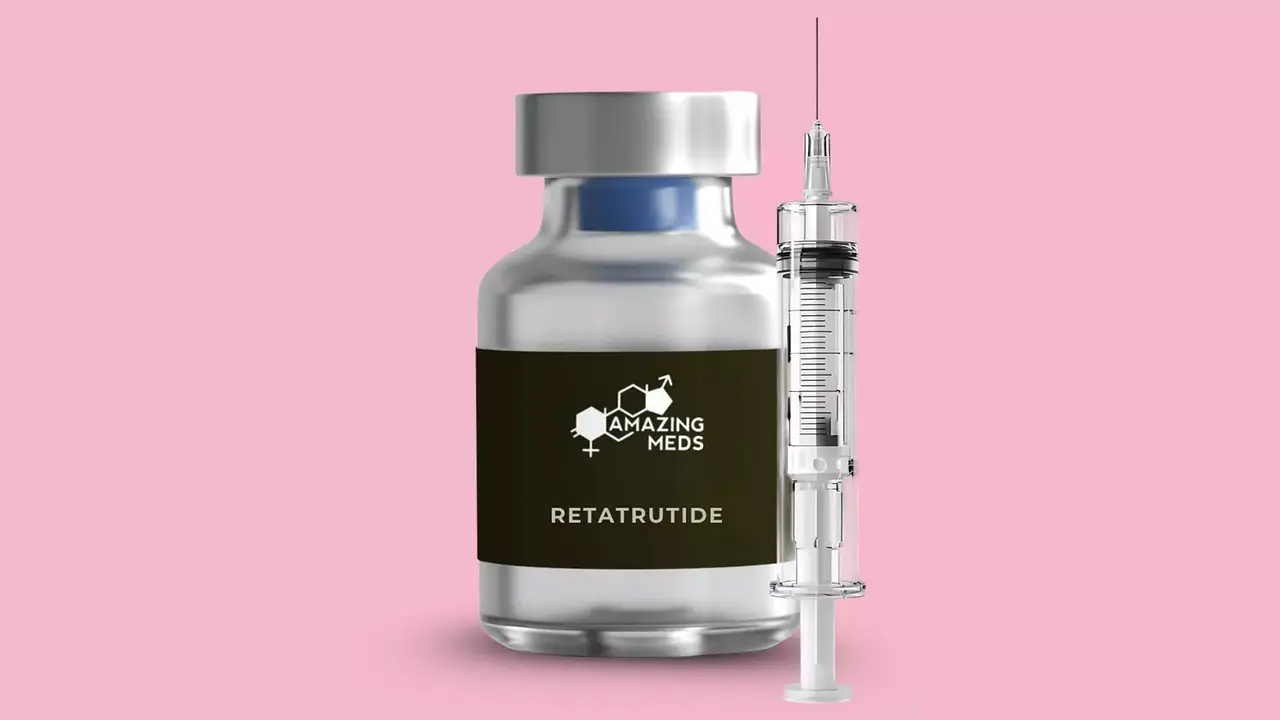
Key Takeaways
- TB-500 is a synthetic peptide that promotes tissue repair, reduces inflammation, and aids cell migration, making it an asset in post-liposuction recovery across the globe.
- Using TB-500 as part of a structured recovery plan may accelerate healing, reduce swelling, and help minimize scar formation after liposuction.
- Personalized protocols and expert healthcare oversight are crucial for safely harnessing TB-500’s recovery potential.
- Dosage, timing and method of administration are important variables that help optimize the efficacy of TB-500 and reduce its inherent risks.
- Patient-related aspects like health, liposuction type and age should determine the selection and regimen of TB-500.
- Being realistic and communicating with your doctors regarding your recovery from a cosmetic procedure can go a long way toward making it a more positive experience.
TB500 recovery after liposuction means we use TB500, a synthetic peptide, to help heal and reduce inflammation or pain after fat removal surgery. Others say it aids speedy tissue healing and less downtime.
TB500 isn’t approved for use in humans everywhere, and its effects are still being researched. To illustrate what science says, this post discusses facts about TB500, its risks, and what people should know before attempting it.
Understanding TB-500
TB-500 is a synthetic peptide designed to replicate the structure of Thymosin Beta-4, a protein naturally present in many human tissues. This peptide isn’t made for fat loss or muscle growth but is tied to healing and repair. It has a defined place in medicine and recovery, which is why it has caught the attention of anyone looking to improve themselves after surgery or injury — even liposuction.
TB-500 is unique because it functions by mimicking the body’s own methods of repairing and regenerating tissue. Thymosin Beta-4, the protein TB-500 is derived from, supports cellular growth, migration, and blood vessel formation. This is crucial for healing tissue. When the body is injured after a cut or surgery, Thymosin Beta-4 springs into action assisting cells to migrate to the location and initiate repair.
TB-500, its synthetic cousin, is designed to enhance these very activities. The peptide is able to diffuse quickly across tissues, thereby facilitating rapid delivery to the required site for immediate therapeutic effect. That’s a bit of why TB-500 is prized in environments where the speed and quality of healing are important.
In both therapeutic and cosmetic healing, TB-500 assists individuals in recovering faster and with fewer complications. For instance, after liposuction, the body seeks to repair tissue and decrease swelling. TB-500 assists this by promoting the formation of new blood vessels and increasing blood flow to the region. More blood means more oxygen and nutrients, so cells can repair more rapidly.
It’s valuable not only for cosmetic work but for injuries or wounds as well, such as with athletes looking to return to training or chronic wound patients. This peptide’s application knows no regional or age boundaries as it is researched in clinics across the globe.
Regenerative medicine seeks to assist the body in healing itself. TB-500 belongs to this category because it promotes cell migration and angiogenesis. For liposuction patients, this might translate into less time away from work or your daily schedule and potentially a reduced risk of complications such as poor healing or swelling.
The most common initial dose is 4 to 8 mg weekly, divided into 2 to 3 injections. Treatment typically runs 6 to 12 weeks and can be adjusted as healing progresses. As healing improves, some protocols reduce the dose to 2 to 6 mg per month, still depending on patient response.
We do not have a ton of information on the half-life of TB-500, but some benefits persist weeks after the final dose.
Liposuction Recovery Accelerated
Liposuction recovery isn’t just rest and wound care. The body depends on its own healing mechanisms that are slow and uncertain. Peptides such as TB-500 (Thymosin Beta-4) are emerging as powerful allies in the quest for accelerated liposuction recovery, as they can promote healing, decrease inflammation, and enhance overall recovery.
When combined with other peptides like BPC-157 or GHK-Cu, TB-500 could provide a more holistic approach to post-liposuction recovery. These peptides are usually taken in 4 to 6 week cycles. Others experience quicker gains in pain, swelling, and mobility during that 1 to 3 week period. Results vary depending on things like how extensive the surgery was and how you respond.
- TB-500 may speed up tissue repair and regeneration.
- It helps lower swelling and pain after surgery.
- TB-500 can synergize with BPC-157 and GHK-Cu for enhanced outcomes.
- It may help with scar reduction and skin healing.
- Peptide use may lessen the need for pain medication.
1. Tissue Repair
TB-500 assists cell repair by encouraging cells to migrate to the damaged region, accelerating new tissue creation. Post-liposuction, it can mean skin and deeper layers recover more optimally. The peptide increases circulation, delivering additional oxygen and nutrients to the site.
With improved circulation, the chance of problems decreases. This allows for a more rapid and robust recovery. It’s the best tissue support and a key for a smooth result after surgery.
2. Inflammation Control
Tβ4’s anti-inflammatory properties are crucial in the recovery process. Inflammation after liposuction can delay healing and be painful. Minimizing swelling is vital for recovery.
Less inflammation leads to less pain and a decreased chance of complications such as infection. With swelling controlled, TB-500 helps you heal faster. This way, it can help people get back to normal activities sooner. Inflammation control is essential to healing when results and comfort count.
3. Cell Migration
Cell migration is one of the most important steps in tissue repair. It aids by directing repair cells to the injury. Liposuction recovery is accelerated through this process, as it assists the body in regenerating damaged tissue.
Good cell migration means your wounds heal stronger and faster. It maintains the health of skin and subcutaneous tissue. This little ritual is a must for anyone that’s holding out for an optimal liposuction recovery.
4. Scar Reduction
Following liposuction, most of us worry about scars. TB-500 could assist by reducing scar tissue accumulation. It does this by encouraging normal tissue growth, not dense, fibrous scar tissue.
Healthier skin develops in place of the damaged areas, and your skin looks and feels better. For appearance-conscious patients, this is a major advantage. TB-500’s effect on skin quality can be the difference during healing.
5. Pain Management
Pain is inevitable following surgery, yet TB-500 might assist in controlling it. Some people have said they require less pain medicine when they’re on peptides.
Less pain equals more comfort and a faster recovery. This can enhance the entire recuperation process. Good pain management is crucial for your comfort following liposuction.
Administration Protocol
SMART: TB-500 administration protocol during liposuction recovery A thoughtful schedule of compliance can aid recovery, prevent complications, and promote optimal results. Medical oversight is crucial as doctors can track improvements, identify side effects promptly, and customize the regimen to individual needs.
Checklist: TB-500 Administration Protocol
- Consult a healthcare provider before starting TB-500
- Assess baseline health and set recovery goals
- Establish a personalized dosage plan
- Align TB-500 scheduling with key recovery milestones
- Use approved methods for administration, prioritizing sterility
- Monitor for side effects or unexpected responses
- Adjust the protocol as needed with medical input
A schedule such as this provides a consistent method of assisting with tissue healing, inflammation, and bruising post liposuction. Medical oversight introduces a layer of security as providers can assist in customizing dosage, timing, and mode to each individual’s health condition and healing speed.
Dosage
- Common TB-500 recovery dosages are 2 to 2.5 mg, taken twice weekly for the first 4 to 6 weeks.
- Maintenance dose: 2 to 2.5 mg every 1 to 2 weeks, as advised by a healthcare provider.
- Total treatment length: Typically 6 to 8 weeks, based on progress and needs.
- Always use sterile, single-use syringes for each dose.
Selecting the appropriate dose is based on weight, the volume of tissue traumatized during liposuction, and optimal health. Everyone may require a slightly different dose. Ignoring these factors can result in underdosing, which restricts the advantages, or overdosing, which may cause side effects such as swelling or infection at the injection site.
Accuracy keeps TB-500 acting as designed. The right dose promotes an even recuperation and minimizes the risk of side effects.
Timing
| Recovery Milestone | Ideal TB-500 Start Time | Duration of Use |
|---|---|---|
| Immediate post-surgery | 24–48 hours after | 4–6 weeks |
| Peak swelling/bruising | Continue as advised | As needed |
| Early tissue healing | Within first 2 weeks | Remainder of course |
Half-life of TB-500 is two to three days in case you’re wondering. Treatment timed to recovery phases, like peak swelling or initial tissue regrowth, can experience quicker, easier advancement.
Missing the proper window can delay healing. A calendar or reminders can keep you on track.
Method
TB-500 is most commonly administered as a subcutaneous injection, or in other words, just beneath the skin. This allows the peptide to bypass barriers and enter the bloodstream, facilitating improved absorption. Some use intramuscular injections. Subcutaneous is typically less painful and easier to administer at home.
Aseptic technique is essential. Wash your hands, clean the injection site, and use a new needle or syringe every time. This reduces the risk of infection. Comfort is enhanced by rotating injection sites and using small-gauge needles.
How you administer TB-500 influences its effectiveness. Right injections make your body absorb the peptide more completely and extract the maximum value from every dose.
Safety Profile
TB-500 is a synthetic version of a natural protein called thymosin beta-4. It is frequently sought for its restorative properties, such as post-liposuction. Clinically, TB-500 is considered well-tolerated. A 2021 review on thymosin beta-4 found it safe for healthy individuals.
A 2016 clinical trial on patients with heart injury demonstrated TB-500-based treatment to be safe and workable. While these studies indicate that, for the majority, TB-500 likely won’t generate severe side effects when administered, the work in humans is not as extensive as it is in animals. Therefore, there remains cause for caution.
TB-500 product quality is key to safety and results. Be safe and always verify the source and ensure that you are receiving a genuine, clean, tested product. There is a risk of infection, allergic reaction, or an incorrect dose when you use low quality peptides.
Here are some points to think about when picking TB-500:
- Try to find lab-tested ones. A quality supplier will disclose transparent batch test results that demonstrate the peptide is pure and free of bacteria or contaminants.
- Select brands that have good reviews and a proven history. This prevents you from purchasing from shady stores or suppliers who might cut corners.
- Demand full labels and transparent dose information. Absent or ambiguous product information is a warning sign.
- Know your local rules and laws. Strict peptide laws in certain countries make it unsafe and illegal to use them without a script.
- If you’re working with a clinic or doctor, inquire about their sources and how they trace the products they use.
TB-500 may have some mild side effects with use. These may include headaches, fatigue, or redness or soreness where the shot was administered. Less frequently, users can experience gut upset or sleep disturbance.
Thus far, no strong associations with liver or kidney damage have been identified. Take BPC-157, for instance, a peptide frequently likened to TB-500, which failed to demonstrate toxic liver or kidney effects in testing. It shows no indication of gene mutation or carcinogenicity.
In injury models, BPC-157 exhibited anti-swelling activity, and in one test, the majority of recipients of an injection in the knee experienced diminished pain for months.
Periodic checks while using TB-500 are prudent. Physicians will search for adverse reactions, examine blood, and observe how effectively you recover. It’s crucial for anyone with medical issues or on other medications.
TB-500 clears in less than 30 minutes, so side effects do not necessarily have a long lifespan, but they can manifest. A proper treatment regimen implies safer utilization and optimal outcomes.
Patient Considerations
Patients considering TB-500 for liposuction recovery have a few considerations to make before initiating treatment. They should be based on personal health, surgical technique, and age-appropriate requirements. These patient considerations assist patients and their providers in creating a treatment plan that is safe, effective, and customized to individual situations.
Health Status
Things like underlying health issues factor in greatly to how someone might respond to TB-500. Those with chronic illness, immune or heart issues could be more at risk or take longer to recuperate. For instance, a diabetic could have slower wound repair and require more regular observation.
It is best to disclose a complete medical history with your provider to identify any risks in advance. A complete health check is not just a courtesy. This step assists the provider in determining if there are any medical conditions that might alter how TB-500 functions.
Every case is unique. A few may require blood tests or other monitoring before and throughout the cycle. This sort of care is crucial to improved and more secure outcomes. Health can alter the pace and nature of recuperation. A healthy adult with no significant comorbidities can expect to see a difference in pain, swelling, and range of motion within 1 to 3 weeks.
Others, particularly with additional health issues, could experience more gradual or less obvious shifts. Customized care is not a commodity; it’s a necessity. Dosage, cycle length, commonly 4 to 6 weeks, and even maintenance, 2 to 6 mg per month, need to be determined with the patient’s health as a priority. That keeps the therapy safe and effective.
Liposuction Type
Liposuction is not for every patient. There are different methods, such as tumescent, ultrasound-assisted, or laser-assisted liposuction. Any of the approaches may result in varied tissue trauma, inflammation, or infection risk.
Someone who had high-volume or ultrasound-assisted liposuction will have a longer recovery and needs a different TB-500 regimen than someone with a milder technique. One thing is the type of liposuction. It determines how TB-500 is administered.
Deeper tissue disruption could imply a requirement for higher initial doses of 4 to 8 mg per week or an extended first cycle. Maintenance therapy might be more frequent for patients who had larger treated areas. They must tailor the therapy to the procedure. This isn’t about rapidity; it’s about solid recovery.
Understanding the specific liposuction type aids in tailoring a recovery plan that suits the patient’s needs, enhancing comfort and outcomes. Personalizing therapy by method prevents backsliding.
Age Factor
Age alters the body’s healing process and its response to TB-500. Younger adults tend to recover more quickly and can experience early improvements in mobility and pain relief. Healing can be slower in older patients and outcomes may be delayed.
Older patients may require lower initial doses or extended cycles. Additional tests throughout treatment are helpful to deal with side effects and monitor advancement. Age delivers more patient considerations, so the plan has to suit both the body and the treatment.
For others, a cookie-cutter approach does the trick. For other patients, particularly those over age 50, care plans need to be less rigid. Among these, every age deserves treatment that respects its distinct pace of healing and risks.
All patients should discuss age as a consideration with their provider in recovery. This assists in ensuring that the treatment is safe and appropriate for their age.
The Unspoken Reality
TB-500 is often discussed as a magic bullet for healing post-liposuction. A lot of people believe it accelerates healing and wounds heal sooner. It’s based on TB-500’s connection to tissue repair, as it attracts cells to wounded areas and aids in inflammation regulation.
Yet, there’s a lot that people overlook when they hear about TB-500 for post-operative healing. A lot of people assume peptides such as TB-500 and BPC-157 have been demonstrated to be effective. The reality is different. No leading medical organization supports these peptides for human application.
Published studies with positive outcomes are primarily conducted in animals or using other variants, such as full Tβ4, and not the shortened TB-500 fragment. The sole formal phase 2 trial for TB-500 concluded in 2009 and the findings were never released. Another safety trial begun in 2015 was abandoned by the sponsor with no results shared.
So no evidence yet that TB-500 is effective or safe for post-liposuction healing. Although lab studies indicate the active component of TB-500 promotes cell growth and repair, these differ from real-world outcomes in humans.
The other is to remember how these peptides are manufactured and marketed. Most online TB-500 or BPC-157 is sourced from labs outside the purview of any health organization. They peddle these as ‘research chemicals’ and claim they aren’t for human use. This is a loophole.
Independent lab tests have discovered numerous issues with these products. Some have heavy metals like arsenic and lead, sometimes at 10 times the safe level for injectables. Others contain the incorrect amino acid sequence or are only 5 to 75 percent pure, with the remainder consisting of unspecified byproducts.
In other words, these users are gambling in a huge way without even understanding what they’re ingesting. It’s tempting to wish for a magic method to heal quicker. Authentic liposuction recovery time is still necessary.
It’s wise to temper your expectations and understand that TB-500 and other peptides are not demonstrated to aid. Consulting with a provider is critical. They may assist you in filtering what is safe, what does work and what does not.
They can highlight superior healing methods supported by actual data. Being honest about what you use and asking questions keeps you safe and informed.
Conclusion
For enhanced recovery after liposuction, many turn to TB-500 as their choice. They report experiencing easier motion, reduced discomfort, and accelerated rebound. Real life reports are mixed, so people should balance reports with caution. There is less swelling and shorter downtime for some. Some see subtle change or no effect. Most concur it is most effective with a complete regimen — rest, proper nutrition, and doctor visits.
To maximize your recovery, consult a health professional before incorporating TB-500. Inquire, be aware of the dangers, and establish defined objectives. Armed with the right info, everyone can choose the safest and most intelligent path forward. For more real stories or tips, check in with your care team or trusted sources.
Frequently Asked Questions
What is TB-500 and how does it relate to recovery after liposuction?
TB-500 is a synthetic version of the peptide thymosin beta-4. It can accelerate tissue recovery and reduce inflammation, which might aid in recovery after liposuction.
Can TB-500 accelerate healing after liposuction?
TH-500 liposuction recovery. Some users experience quicker recoveries using TB-500 after surgery. Scientific data is scarce. Always talk to your doctor before using it.
How is TB-500 typically administered for recovery?
TB-500 is typically injected subcutaneously. The dose and duration are individualized based on need and medical guidance under the care of a professional.
Is TB-500 safe to use after liposuction?
There’s just not a lot of safety data on TB-500. One or two reported side effects are uncommon but include redness or swelling at the injection location. Talk about risks and benefits with your doc.
Who should avoid TB-500 after liposuction?
Pregnant or breastfeeding women, cancer patients, or anyone with immune disorders should avoid TB-500 unless instructed by a licensed physician.
Are there alternatives to TB-500 for post-liposuction recovery?
Yes, normal recovery habits such as adequate rest, proper hydration, a nutritious diet, and adhering to your surgeon’s recommendations are important. Your doctor’s approved medications and therapies are essential.
What is the current scientific view on TB-500 for surgical recovery?
Studies of TB-500’s benefits for surgical recovery are ongoing. The majority is anecdotal. Above all, listen to professional advice when recovering from liposuction.
 Directions
 Call Us
 Email Us