
BBL Medical Tourism: 7 Red Flags You Should Never Ignore

Key Takeaways
- Check the surgeon’s background, board certifications, and BBL history for competence and trustworthiness.
- Make sure the surgical facility has international accreditation, follows safety protocols, and is prepared for emergencies.
- Maintain transparent communication with your surgeon and clinic staff to prevent miscommunication, particularly about procedural specifics and recovery guidelines.
- Watch out for rock bottom prices, pushy sales people, and vague all-inclusive totals because these can be signs of cutting corners or a hidden list of additional fees.
- Get clear on the brutal physical, emotional, and financial truth of BBL surgery. This includes complications, extended downtime, possible need for revisions, and more.
- Ask about full aftercare, know your patient rights, and reach out to support groups.
A BBL medical tourism red flags checklist helps identify potentially dangerous or risky options considering surgery overseas. A lot of folks choose medical tourism because it’s cheap, but that means some clinics have untrained staff or questionable safety protocols.
Your checklist can highlight red flags such as having minimal patient information, lack of price transparency, or a low number of reviews. To minimize danger, awareness of what to verify counts the most.
The main body details primary red flags and steps to aid with safer decisions.
The Red Flags
BBL medical tourism has genuine dangers. Knowing what to watch for can help you steer clear of unsafe options and bad results. What are the red flags when it comes to an abroad BBL?
Key qualifications to check when evaluating a surgeon:
- Specialist medical degree in plastic surgery
- Board certification by a recognized society
- Experience with BBL procedures
- Clean disciplinary and malpractice record
- Strong patient testimonials and before-and-after portfolio
1. Surgeon Credentials
Research the surgeon’s background and specialized training in aesthetic and plastic surgery. A real specialist will have a bona fide history in the field, not just general medicine.
Flip through their BBL portfolio. Authentic, repeatable before and after shots demonstrate mastery. Wildly different or excessively photoshopped images are a red flag.
Patient testimonials go a long way. Look for balanced reviews, not just pats on the back. If you can, verify their membership in medical organizations, as this typically translates to additional verification of their knowledge and behavior.
2. Facility Accreditation
Inquire if the clinic is accredited by leading organizations such as AAAASF or JCAHO. This is significant because these companies have stringent safety and hygiene protocols.
Filthy rooms or unsterilized instruments are a major red flag, increasing your infection risk. The personnel should be skilled in taking care of emergencies and the clinic should have emergency equipment. Institutions lacking these fundamentals place their patients at actual risk.
3. Communication Barriers
A good surgeon will patiently and in detail answer all of your questions. If they brush you off or speak in abstractions, it’s an indication that they don’t care about your safety.
Language barriers can cause them to misunderstand the process or aftercare. All directions should be straightforward without ambiguity.
4. Pricing Pressures
If the prices seem too good, the clinic is probably skimping on safety or qualifications. Be vigilant for red flags, such as additional fees for aftercare or revision surgeries.
Watch out for limited time offers or urgency to pay quickly; they are trying to push you to decide without thinking. Red flags are important—don’t get ripped off or scammed by a low-quality clinic. Compare prices from reputable clinics.
5. Consultation Process
When we consult, we dig deep into your health history, your goals and potential risks. The surgeon should take sufficient time to determine if you are a safe candidate.
Rushed meetings or scant specifics about risks and complications demonstrate a careless attitude. It must fit your needs, not a template.
6. Unrealistic Promises
No surgeon can promise that results will be perfect or dramatic. Each body is unique and all operations have risks, including complications and unpredictable outcomes.
Watch out for clinics using flashy ads or miracle-change claims; they’re not being upfront.
7. Aftercare Ambiguity
A safe clinic has a detailed aftercare plan, describing processes for pain management, wound care, and follow-ups. You should know how to contact assistance if you run into issues.
If follow-up details are missing or the clinic feels evasive about recovery, it may translate to bad assistance when you require it most.
8. Review Authenticity
Check patient reviews on reputable, third party sites. Be wary of reviews that all sound identical or appear too good to be true.
The best testimonials are those that discuss pros and cons and the entire experience before and after surgery.
The Hidden Dangers
BBL medical tourism delivers more than economy and convenience. Patients endure true threats to their health, their wealth, and their sanity, frequently in unspoken ways. As the table below illustrates, there are some of these dangers associated with BBL surgery abroad.
| Risk Type | Example or Detail |
|---|---|
| Emotional | Anxiety, regret, and disappointment if results do not match expectations; possible body image issues |
| Financial | Surprise costs for revision, travel, or emergency care; debt from hidden fees |
| Recovery | Long healing, pain, swelling, or infection; limited help if complications arise |
Emotional Toll
Surgery is not merely physical. Too many report walking into and out of a BBL feeling anxious – concerned about the result and the recovery. Body image issues can become an issue, particularly if you don’t see the results that you want. Almost 30% of those with unclear or high hopes are unhappy post surgery.
This illustrates the importance of candid discussions about surgery’s capabilities and limitations. Having support from family or friends does help. For others, pre- and post-surgery counseling can make a difference.
Research indicates that 10 to 15 percent of cosmetic surgery patients suffer from body dysmorphic disorder, which can potentially complicate fulfillment. Recovery is seldom glitch-free. We have our ups and downs in body and spirit. Patience, self-care, and realistic goals are essential during this period.
Financial Traps
Sure, a BBL overseas might be less expensive. The unseen expenses can really pile up. Beyond the operation, you have to cover flights, hotels, and local transportation.
Aftercare costs are a surprise — especially if you require additional medical appointments. A few clinics aggressively market no hassle financing, but this can result in years of debt. Revision surgeries are a risk. If the initial procedure falls short, you might require a second surgery, which isn’t often part of the original cost.
About 20% of cosmetic surgeries require revision and are almost always out-of-pocket. Insurance typically won’t cover elective surgery or complications overseas, so investigate coverage and reimbursement options prior to scheduling.
Recovery Realities
Recovery from a BBL is not quick. Anticipate bruising, swelling, and days or weeks of pain. Others cannot walk or sit for a long period.
One patient required multiple additional surgeries after becoming infected at a clinic with unsanitary conditions. This left permanent scars and a hard recuperation. It’s important to be very diligent with post-surgery care.
Cutting corners can increase the risk of infection or bad outcomes. Fat embolism, a rare but fatal risk, occurs in approximately one in three thousand to one in ten thousand operations. The danger might be greater in clinics without regulation or experienced personnel.
With a BBL, the mortality rate is more than one in four thousand, which is one of the riskiest aesthetic surgeries.
Surgeon Verification
Surgeon verification is among the most crucial steps of the BBL medical tourism journey. It protects patient safety and ensures the surgeon is legitimately qualified for the task. Checking credentials calls for more than a quick glance at a website—patients need to dig deep and look at three clear buckets: legal medical license, board certification, and professional involvement.
Begin with verifying that the surgeon holds a valid medical license for his or her country or region. This is at least necessary, but specialty skills are not assured. Next, verify specialty certification. For BBL surgery, identify board certification by a respected organization, like the American Board of Plastic Surgery (ABPS), or a worldwide equivalent. Steer clear of surgeons who simply show weekend courses, ABMS-unrecognized cosmetic boards, or ambiguous “certificates.” Verify the board’s name and look up the surgeon in the official directory.
Certain clinics will attempt to offer non-standard certificates as verification; however, this is a huge red flag. Beyond the paperwork, experience counts. Patients need to inquire quite specifically about the surgeon’s BBL work. Examples here would be, “How many BBL surgeries do you perform each month or year?” and “What are the most common complications in your practice and how often do they occur?” Verified surgeons provide concise, evidence-based responses.
Generic responses such as ‘a lot’ or ‘for years’ are red flags. Patients can request proof of successful cases: before-and-after photos, patient testimonials, and satisfaction rates from independent sources. Request real numbers whenever you can. It’s useful to check patient reviews across several sites, not just the clinic’s website, as this provides a more objective perspective.
It matters to check a surgeon’s reputation in the medical community. Check for professional society memberships, attendance at conferences, or participation in academics or research. Surgeons admired by their colleagues tend to stay current with safe practices and innovations. If a surgeon is unable to demonstrate this type of engagement or their membership is ambiguous, this can be an additional red flag.
A fast search will reveal whether the surgeon has encountered any disciplinary action or malpractice suits. These records tend to be public and can be verified by medical boards or consumer protection sites. Still, you’d be smart to get another surgeon’s opinion before committing. By comparing answers and approaches, you’re more likely to identify contradictions and raise critical issues overlooked previously.
Surgeon verification shouldn’t be a single step. Patients need to be vigilant throughout every phase: consultation, surgery, and follow-up.
Facility Standards
Facility standards constitute a major component of safe BBL medical tourism. Not all clinics play by the same rules, so understand what to look for before you book a surgery abroad. Here in the US, rigorous standards work to protect patients and deliver excellent care. These standards might not be universal, so patients should always confirm what measures each surgery center pursues to achieve comparable levels of safety.
QUERY about facility standards. Check to make sure the surgical facility is clean and organized so you can be assured of a safe environment. Cleanliness is the fundamental indicator that a clinic cares about patient safety. The operating room must appear immaculate, with no dust, stains or clutter. Hallways and waiting rooms should be neat as well, with clean chairs and arranged areas.
If you notice grimy instruments, overflow garbage cans or tentativeness, this is a red flag. Cleaning not only keeps infections at bay, it demonstrates that your staff engages in safe habits. Clean storage for supplies, accessible emergency exits and hygiene guidelines posted are all great indicators. If you go in person, believe what you see and smell. If it feels phony, it usually is.
Ensure the facility is up-to-date and has access to emergency resources. Top-notch gear can mean everything in the world to your patient, particularly if things take a turn for the worse. Inquire whether the amenity has current anesthesia, monitoring, and resuscitation machines. There must be a scheme for emergencies, like power failures or sudden illness.
For instance, the clinic should have a defibrillator and people trained to use it. Inquire about procedures for summoning an ambulance or transferring patients to a hospital if necessary. If they are ambiguous or the machines appear antiquated, take that as a red flag.
Don’t forget to look for regular inspection reports and health code compliance. In the US, hospitals and surgery centers have to pass regular inspections to maintain their licenses. Certain other countries have comparable regulations, although not all are as stringent or visible. Inquire if they can provide documentation of recent inspections or certifications.
Seek accreditation from reputable organizations or local health officials. Board certification, fellowship, and hospital privileges all indicate a surgeon and facility that deliver high standards of care. When clinics have nothing to hide, they don’t mind sharing this information.
How professional and responsive the staff is during your visits to the facility is also crucial. Staff should respond clearly to your questions and respect you. They should describe the dangers, the process, and the aftercare in detail.
Notice if they respond dismissively to safety or hygiene concerns. If staff are condescending, tight-lipped, or appear clueless about policies, that could be indicative of broader issues at the center. Surgeons that employ safer techniques, like not injecting fat beneath the muscle, demonstrate adherence to current safety standards.
Looking into the facility and the surgeon’s credentials are things you can do to reduce your risk and improve your odds of coming out safe.
Your Legal Rights
Your Legal Rights is key when it comes to considering BBL surgery abroad. As a patient, you deserve straightforward facts about your care pre and post-op. It begins with getting to meet the surgeon that will perform your procedure, not only on surgery day but beforehand. If a clinic won’t establish this, that’s a warning sign.
You have the right to know your surgeon’s background as well — training and board certification. Clinics that won’t provide this information or dodge your inquiries might be covering up substandard practices or inadequately trained personnel. Never take a clinic’s assertions at face value; verify them with the official medical board or another trusted source in that country.
Quality care isn’t universal. All countries have their own regulations for safety, infection control, and physician education. Some locations might not scrutinize clinics or surgeons as rigorously as others. You could have less safeguards should something happen.
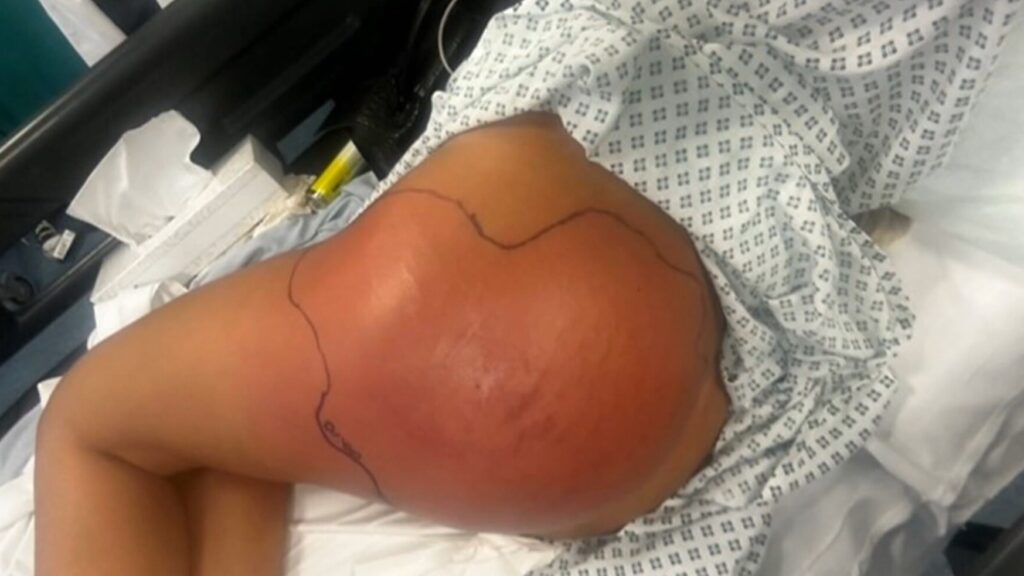
For instance, not all countries have established mechanisms for reporting unsafe care or ways of holding clinics to account. You should never skip checking your local laws about patient safety and malpractice. Being aware of these realities empowers you to gauge the actual dangers and establish your own criteria.
Last but not least, informed consent should not be skipped. You have to obtain a clear, written agreement regarding your procedure. This covers what will be done, potential risks, anticipated recovery time, expenses, and post-care. If a clinic doesn’t present you with a detailed contract in a language you can read or rushes you to sign, it is best to walk away.
Be certain you understand what backing you will receive if you require follow-up or if it doesn’t go as expected. Your legal options matter as well. If you endure malpractice or neglect, you might not have much recourse once you return home. Most insurance plans won’t cover care or new issues that arise after you return, even if you must be hospitalized.
You could be responsible for out-of-pocket expenses, which for serious complications could easily exceed $50,000. This makes it extremely difficult to get a fair settlement. A few patients can sue in the country where the surgery happened, but this is usually slow and expensive and difficult to win if you’re not a local citizen.
The Aftermath
The aftermath of a BBL surgery is important in terms of physical healing as well as emotional health. Recovery will be extended, including weeks immobilized, continued medical monitoring, and potential revision surgery. Fat survival can be anywhere between 40 percent and 80 percent, so the result is a bit of a crap shoot. Your post-surgical care, available support, and assertive communication with your surgeon play a key role in getting the best results.
| Follow-Up Care Expectations | Communication & Support Resources |
|---|---|
| Multiple clinic check-ins | Direct surgeon contact (phone/email) |
| Regular wound monitoring | Patient care coordinators |
| Updates on restrictions | 24/7 emergency hotline |
| Guidance for complications | Access to local or telemedicine follow-up appointments |
| Scheduled imaging/tests | Translated instructions if traveling abroad |
Local Support
It really, really helps to connect with other women who have survived BBL recovery! Discussions with fellows in online forums or in local groups can illuminate actual recovery timelines and provide pragmatic counsel. That kind of support can relieve the stress of isolation and help bring clarity to what’s normal and what’s not in healing.
You can connect with BBL patients via forums or social media. They commonly provide advice on de–swelling or how to not sit directly on your tush. This is important as direct pressure can devastate grafted fat. A trusted family member or friend can assist with daily chores, particularly as you’ll want to stay away from anything strenuous for a minimum of six weeks.
Even light walking, which is recommended to assist circulation, is easier with cheerleading support.
Revision Surgery
After all, not every surgery goes well. Approximately 20% of cosmetic procedures such as BBL may not be satisfying. It’s savvy to discuss revision surgery possibilities with your surgeon prior to the initial surgery. Talk about the dangers, expenses, and how redoing might appear.
If results don’t match what you pictured, consider why. Sometimes swelling obscures the true form for months. A chance of a second surgery has to enter into your decision, as this means more expenses and potential health dangers.
Consider these factors before you decide anything further.
Long-Term Health
Maintain health screening post-surgery. Check in with your doctor or other healthcare professionals every now and then to ensure your recovery is progressing well. Be alert to new signs, such as pain, lumps, or infection, so you can get assistance early if necessary.
Get the aftermath. Studies discover that the end result emerges after a few months, frequently appearing soft and organic. Selecting a healthy lifestyle, with great food and regular checkups, enhances your outcomes and supports your body in healing.
If you’re nervous or depressed, remember it’s natural and talking to someone can help.
Conclusion
Going for a BBL overseas demands more than just hunting down low prices. Safety, skill, and clear facts are what count. Search for actual evidence that a surgeon is well educated. See if the clinic is compliant with health rules. Understand your rights and what support you can receive if things go south. Hundreds of people post their stories, both good and bad. Read these to find out what other people encountered. Savvy selections begin with candid queries. Request clear information regarding expenses, potential complications, and post-operative care. Be on the lookout for red flags that seem off. Your health is priority number one. Interested in learning more or sharing your story? Connect and join the conversation.
Frequently Asked Questions
What are common red flags in BBL medical tourism?
Look out for unconfirmed surgeons, no accreditation of facility, vague pricing, and bad communication. These can indicate unsafe practices and increased health risks.
How can I verify a surgeon’s credentials abroad?
Verify that the surgeon is board certified. Look up their background, reputation, and ask for qualifications before you decide.
Why are facility standards important for BBL procedures?
High facility standards reduce infection risks and enhance your safety. Accredited clinics are required to adhere to stringent hygiene and emergency procedures.
What legal rights do I have if something goes wrong after surgery abroad?
Legal protection is different in each country. In most locations, it can be difficult to pursue restitution or appropriate aftercare. Research local laws prior to traveling.
What hidden dangers exist with BBL medical tourism?
Risks include inadequate aftercare, miscommunication, barriers to language, and inferior materials. Complications may be more difficult to address once you are back home.
How can I recognize unsafe aftercare practices?
Unsafe aftercare includes no follow-up, no emergency contact, and fuzzy instructions. Trustworthy providers offer transparent recovery plans and continuous assistance.
What should I do if I experience complications after returning home?
Get immediate medical attention locally. Share all surgery details with your healthcare provider so you receive the correct treatment promptly.
 Directions
 Call Us
 Email Us