
Body Lift Surgery vs J-Plasma: Which is Right for You After Weight Loss?
Key Takeaways
- Body lift surgery is a more extensive procedure to eliminate loose skin following major weight loss, whereas J-Plasma provides a less invasive alternative for individuals experiencing mild skin laxity.
- Body lifts yield more dramatic contouring with longer recoveries, bigger incisions, and visible scars.
- With J-Plasma, cold plasma energy is used to tighten the skin with minimal downtime and limited scarring. This can appeal to those looking for a less invasive alternative.
- Candidates differ, with body lifts being ideal for severe skin laxity and J-Plasma best for mild to moderate tightening.
- Both options demand diligent aftercare and consultation with a seasoned surgeon for safety and results.
- If you’re torn about which option is best for you, think about your skin condition, recovery expectations, risks, and long-term lifestyle goals.
Body lift surgery removes excess skin and sculpts the body, while J-Plasma employs cold plasma energy to firm skin without extensive incisions.
Which is best for your unique needs, skin type, and health goals? To select the proper method, it’s useful to understand how each procedure functions as well as what results to expect.
Understanding The Procedures
Body lift surgery and J-Plasma – Two Ways to Deal with Loose Skin after Weight Loss. Each has its own methodology, appropriateness, and outcomes. They opt for these treatments depending on how much skin they want removed or tightened, how invasive they want the procedures, and their personal health requirements.
Body Lift
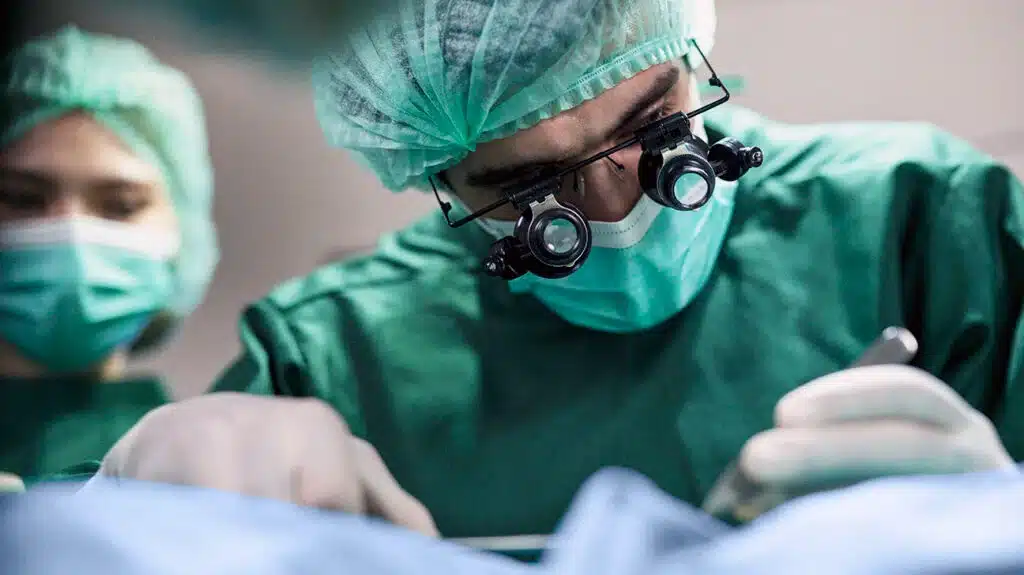
Body lift surgery is a significant procedure that eliminates excess skin and contours the lower body. Surgeons employ general anaesthesia, so patients are ‘out’ and painless. The doctor cuts into areas such as the lower tummy, sides, and sometimes the back. This assists in targeting the stomach, thighs, and butt in one go.
Depending on where the sagging is worst, this will determine how much and where skin is removed. Surgeons focus on prime drooping spots — primarily the tummy, outer thighs, and buttocks — as skin seems to hang there the most following significant weight loss. Others will hit the upper arms or chest, but it’s mostly the lower body.
The aim is to eliminate prominent folds and even out the silhouette. Body lift results are generally permanent if the individual maintains a stable weight. Everyone experiences a dramatic difference in the way their body looks, with reduced loose skin and clothes that fit better.
It’s a process; healing requires time and it will take a few weeks for the swelling and bruising to subside. Finding a skilled surgeon is everything. Experience is important to reduce the risks, prevent the issues, and render the optimal appearance.
Safety is increased with physicians who perform this operation frequently, as they are experienced in treating expansive treatment areas and managing complications.
J-Plasma
J-Plasma, aka Renuvion, employs cold helium plasma and radiofrequency energy to tighten skin. Unlike surgery, it is done through tiny incisions only a few millimeters wide. The doctor glides a slender wand beneath the skin, simultaneously pulsing energy that warms and contracts tissue while cooling the epidermis.
J-Plasma can address several areas, such as the abdomen, upper arms, neck, and even the lower face. It’s selected by individuals with mild to moderate laxity. Individuals with more extreme skin laxity may not achieve similar results as from surgery.
J-Plasma is more minimally invasive. Patients are discharged that same day. Treatments typically require 1 to 3 hours and local anesthesia with sedation is used. It is more straightforward to recover from than surgery, as it is less painful and faster around your life.
A good result is contingent on a plan that suits the individual. Physicians verify that a patient’s weight has been stable for a minimum of six months. Weight fluctuations can stretch skin again.
Lasting results typically come with some healthy habits, like maintaining a stable weight and being physically active.
Surgical vs. Minimally Invasive
Body lift surgery and J-Plasma are both designed to enhance your body’s contours after weight loss. They take drastically different approaches. Surgical procedures take more invasive steps and require longer recovery. Minimally invasive options aim at tightening skin with less downtime. Both options suit different needs and objectives.
1. The Technique
Body lift surgery is invasive. The surgeon makes long incisions, frequently encircling your torso or thighs, and excises excess skin and fat. The underlying tissue is molded to provide a smoother, firmer appearance. This part usually requires general anesthesia and a hospital stay.
J-Plasma utilizes a small probe that passes subdermally through a minimal incision. The device emits plasma energy, which warms and contracts the skin. It tightens the area without large incisions or skin removal. There is minimal bleeding or bruising and typically no hospital stay is required.
Each has its own strengths when it comes to sculpting the body. Surgery is more precise for big transformations. J-Plasma is great for small, localized zones. Tools for each have gotten better, so safety and outcomes for both are better now.
2. Skin Removal
To a lot of folks, loose skin is a major concern following weight loss. Body lift surgery eliminates this skin, which addresses sagging and folds that are painful or prone to rash. Removing the excess tissue allows patients to achieve a flatter contour and wear clothes more comfortably.
J-Plasma doesn’t excise skin. Instead, it rejuvenates what’s already present. This translates into it being most effective on mild to moderate sagging. For those with serious skin laxity — particularly after significant weight loss — surgery is often the only path to see genuine transformation.
3. Ideal Candidate
Body lift surgery is for those who have shed a tremendous amount of weight, typically over 20 to 30 kilograms, and are left with extensive regions of sagging, excess skin. It is ideal for healthy patients who desire a dramatic transformation.
J-Plasma is for individuals with mild or moderate skin laxity who desire a non-surgical solution. It is great for those who can’t be out of the office for an extended period or for health reasons that make surgery unsafe.
Your pick has to do with how much skin needs to be repaired, how quickly you want results and how much downtime you can tolerate. A meeting with a surgeon is key to match your goals and health with the right option.
4. Final Results
Body lift surgery provides a significant transformation in silhouette. Results emerge as the swelling subsides, typically within six months. J-Plasma tightens skin gradually, with results observed over weeks. Both endure, yet surgery frequently yields the most dramatic long-term transformation.
They need to understand what to expect given their health and baseline.
5. Scarring
Body lift surgery results in long scars that, while they fade, may always show. J-Plasma scars are minuscule, usually just the needle marks. Scars heal well, depending on skin type and care.
Maintaining your wounds clean, using silicone gels, and avoiding sun exposure can aid your scars in healing optimally.
The Recovery Journey
Post-operation recovery, whether following a body lift, J-Plasma, or any other weight loss procedure, is a major focus of the patient journey. Each choice has its own steps, timelines, and hurdles. Understanding what lies ahead allows individuals to strategize and make decisions that best suit their lifestyle and health requirements.
Downtime
Body lift surgery typically requires an extended leave from work and everyday activities, sometimes four to six weeks or more. Individuals who perform manual labor or participate in sports may require up to two months before returning to full activity.
Assistance with light chores is typical during this period, particularly in week one. Swelling and bruising can be prolonged and often last for a few weeks in some cases. Results take a while to show, and the end result can take up to three to six months as swelling subsides.
J-Plasma recovery is significantly shorter. Most of us can resume light daily activities in a few days. The recovery is relatively little when compared to surgery, but mild swelling or redness may linger for approximately a week.
Personal factors like age, skin type, and health affect how quickly folks recover from either procedure. Individuals who are weight-stable and well-nourished typically recover more seamlessly. Scheduling sufficient downtime depending on your selected procedure and general health is essential to a successful recovery.
Discomfort
Body lift surgery commonly causes moderate to significant soreness, particularly near incision sites. Patients typically experience tightness, pain or tenderness for a few weeks.
Over-the-counter pain medicine can be helpful, but in the beginning stronger medicines are sometimes required. A few have difficulty sleeping or walking unassisted in their initial days.
J-Plasma treatments tend to cause only mild discomfort. Most people describe a sensation like sunburn and manage it with basic skin care or simple pain relief.
Pain does not last long and rarely keeps patients from basic tasks. There’s nothing to be ashamed about when it comes to discussing pain with a doctor. Everybody responds differently and medical teams can tailor pain management accordingly.
Be on the lookout for pain that intensifies, changes suddenly, or accompanies symptoms such as fever or abnormal swelling. These must be reported immediately.
Aftercare
Following a body lift, compression garments for roughly six weeks are the norm, only taken off to shower. This helps manage swelling and promotes healing.
It’s important to follow up with your surgeon so they can monitor for issues and your recovery. Patients should stay away from heavy lifting and hard workouts for a minimum of six weeks.
J-Plasma aftercare is less extensive. Sensitive skin care, sun protection, and monitoring check-ups are key. Proper aftercare makes the effects stick around longer and reduces the chance of complications.
Following aftercare instructions, regardless of the procedure, is key to achieving optimal results and healing well.
Potential Complications
Body lift surgery and J-Plasma are two popular skin tightening procedures after weight loss. Both have their own potential complications and side effects. These are important to understand to make the right decision. Consulting with an experienced surgeon can help ensure patients understand what to anticipate and how to navigate any issues.
Surgical Risks
A body lift is a major surgery. Risks begin with bleeding during or after surgery. Too much bleeding might require immediate care. Infection is another worry, so patients typically receive explicit care directions to assist in decreasing this risk.
Swelling and bruising are typical. Swelling tends to peak on day 3 or 4, although most bruising resolves within two weeks. You can handle these with ice packs for brief intervals, a few times a day.
Numbness of the treated area is possible and in some cases persists for weeks. Nerve damage is uncommon but can cause permanent loss of sensation or muscle weakness. Scarring is inevitable. Expert surgeons employ methods to minimize scar size and aid healing.
Big cuts take longer to heal and can be problematic if they reopen or become infected. Picking a body contouring experienced surgeon decreases the risk of these issues. Patients need to balance the benefit of enhanced contour and skin tone against potential complications such as infection, scars, or delayed wound healing.
Being open with your surgeon gives you the best opportunity for a safe footprint.
Device Risks
J-Plasma treatments utilize cold plasma energy to induce skin tightness. This technique bypasses large scalpel wounds, but still has hazards. A primary concern is burns when the plasma is applied too long in one spot or too near to the skin.
Skin irritation may manifest as redness or swelling that can persist for days or weeks. It is crucial that only certified devices are used and the person performing the procedure has specific training with J-Plasma.
Complications such as patchy results or discoloration may occur if the device is not used properly. Swelling and bruising aren’t as harsh as with surgery, but they can still develop and typically subside with home care.
Patients should inquire with their clinician about the safety precautions during the procedure. It’s critical to understand what to expect and how side effects will be handled. Selecting a technician with experience reduces the risk of burns or other device malfunctions.
The Psychological Impact
Body lift surgery and J-Plasma offer patients alternative solutions for excess skin and body contouring following significant weight loss. Both can have an impact on how you view yourself and your role in the world. These transformations aren’t just skin deep; they influence your self-image, your confidence and your day to day life. Knowing these effects allows individuals to make decisions that suit not only the body, but the mind.
Body Image
Body lift surgery may transform the way you feel about yourself by creating dramatic shifts in body contour. It takes off extra skin and contours the body, and it can result in a powerful surge in body image. Studies support this. For instance, patients who underwent body contouring surgery experienced greater body satisfaction, improved self-esteem, and reduced appearance-related distress.

One research demonstrated that these advantages may endure for as long as seven years post-surgery. Almost 80% of those who lost a significant amount of weight desired some type of body contouring, frequently more than one area. The urge was even more compelling for women. Still, not everyone walks away completely fulfilled. A few still battle body image issues post-surgery, particularly if their expectations weren’t realistic going in.
J-Plasma is a different beast. It’s a non-invasive alternative that can tighten skin without requiring significant incisions or downtime. The alterations aren’t as radical as surgery, but they can still make you feel better about your body. J-Plasma does a great job of smoothing out loose skin and giving a firmer appearance, which enhances self-image in a more understated manner. It’s a cult favorite for non-surgical improvement seekers.
It’s crucial for anyone pondering these options to have candid discussions with their doctor. Direct, frank discussions about what the procedures can and cannot do go a long way toward establishing realistic hopes. This does a good job of reducing frustration and provides the best opportunity for individuals to feel good about the outcome.
Lifestyle Integration
Opting for body lift surgery can signify a larger change in lifestyle. Once that’s healed, a lot of folks find it simpler to get around, participate, and put on their favorite clothes. This can help with maintaining healthy habits and being active. When you feel good about yourself, you make better decisions—take walks, sign up for intramural sports—that kind of thing.
These shifts aren’t just corporeal—they penetrate down to how an individual inhabits social worlds and daily life. J-Plasma, rapid recuperation, can assist individuals mix brand-new confidence into their lives. With downtime relatively brief, patients are able to return to their routines quickly, which could help maintain exercise and self-care.
While the changes are less profound than surgery, the sensation of tighter skin can help patients feel comfortable in social and professional settings. Both make humans feel more at home in their skins. This can alleviate concerns about visibility or judgment and facilitate participation in group activities or experimentation.
The correct process must align with not only the body’s requirements but also lifestyle plans. Folks need to just ask ‘what works best for me?’ and ‘what works best with my life/goals’ then do that.
Making Your Decision
Body lift surgery vs J-Plasma after weight loss. Both have their advantages and suit different needs based on your skin, health, and goals. It’s wise to begin by educating yourself on all your options. Exploring trusted sources, patient testimonials, and before and after pictures can give you a glimpse of the impact. Everyone’s journey is unique, so one size does not fit all.
A discussion with an experienced surgeon is critical. Schedule a meeting to communicate your intentions, inquire, and express concerns. Surgeons experienced with both body lift and J-Plasma can provide a transparent perspective on what each option entails for you.
For instance, a patient with minimal skin laxity after a 15-kilogram weight loss may respond well to J-Plasma, whereas a patient with extensive folds after a 45-kilogram weight loss may require a body lift to achieve optimal results. An expert can help you understand the risks, such as scars with surgery or mild swelling with J-Plasma.
Consider your recovery time and what you can manage. J-Plasma frequently allows people to return to work within 3 days, and almost all return within 10 days. Swelling, minor pain, and bruises are normal but subside quickly.
Body lift surgery could signify a 2 to 4 week pause in your life, with a few folks requiring a month or more to recuperate. This extended rest might not be compatible with hectic work or family demands. Individuals over age 50 or with severe sagging skin can realize that the extra healing time required by a body lift can reward you with results that persist for more than 10 years.
How you feel about surgery counts as well! If you want to avoid stitches and long scars, J-Plasma is less extreme. It’s great for younger folks or mild skin sag. Older patients or those with a lot of loose skin may experience more permanent improvement with a lift.
A few folks with a neck lift from years ago come for a J-Plasma touch-up, illustrating how these options can coexist. Your ultimate choice needs to align with your objectives and lifestyle.
If you desire a big change and don’t mind a longer recovery, a body lift is likely the best option. If you want to return to life quickly with less risk, J-Plasma may be a wise choice. All require patience, as skin will settle and improve for months post-treatment.
Conclusion
To compare body lift surgery vs J-Plasma after weight loss, it comes down to what suits you. Body lift surgery provides a more robust solution for loose skin, but it requires a longer healing process and results in scars. J-Plasma employs less cutting, provides a faster recovery, and suits patients with mild to moderate skin laxity. There are pros and cons to each, so consider what is most important to you: skin tone, scar size, healing time, or expense. Consult a board-certified doctor who understands them both. You’ve got goals and you’ve got questions; bring them to the table. For additional advice or to hear from others who made the decision, visit our other guides or our online community.
Frequently Asked Questions
What is the main difference between body lift surgery and J-Plasma after weight loss?
Body lift surgery eliminates skin laxity and tightens tissues. J-Plasma is a minimally invasive procedure that uses cold plasma energy to firm loose skin without the need for major incisions.
Which procedure has a shorter recovery time?
J-Plasma typically involves a few days of recovery. Body lift surgery is invasive and thus requires weeks for full recovery.
Are the results permanent?
Body lift surgery results are permanent provided your weight doesn’t fluctuate. J-Plasma results can be long lasting but not as dramatic or permanent, especially with large weight fluctuations.
Who is a good candidate for each procedure?
Body lift surgery is ideal for individuals with significant amounts of excess skin. J-Plasma is optimized for individuals with minimal skin laxity post weight loss.
What risks are involved with each procedure?
Body lift has risks such as infection, scarring, and bleeding. J-Plasma risks are more minor, such as swelling, bruising, or skin irregularities.
How soon can I return to normal activities?
Most are back to their daily activities within a week after J-Plasma. Body lift surgery could have you out for as much as six weeks.
Which procedure offers more dramatic results?
Body lift surgery delivers more objective and immediate transformations, particularly for those with extreme skin laxity. Body lift surgery vs j-plasma after weight loss.
 Directions
 Call Us
 Email Us