
Benefits and Risks of Tumescent Local Anesthesia in Liposuction
Key Takeaways
- By using tumescent local anesthesia, pain during liposuction is highly managed. This helps eliminate the need for general anesthesia and decreases the risk that comes with general anesthesia.
- By using this technique, blood loss is minimized. It allows for quicker recovery, making it a safer procedure for more patients compared to traditional methods.
- The benefits are substantial. Avoidable risks entail skin irregularities, swelling, bruising, and very rarely, lidocaine toxicity or allergic response.
- Using tumescent local anesthesia is more cost-effective and facilitates faster recovery times. This can make it an appealing option for qualifying candidates.
- Ideal candidates have good overall health and adhere to pre-surgery instructions. Finally they temper expectations for what the results will be and how the recovery will go.
- Appropriate post-operative care, from pain management to complication monitoring and education, can make for an easier recovery period and minimize untoward results.
Liposuction is one of the most commonly performed surgical procedures for cosmetic body contouring by removing localized fat deposits. One technique widely used and praised is tumescent local anesthesia, which has received much acclaim for its unique benefits and low risks.
This technique increases precision in the procedure while optimizing comfort and minimizing downtime for the patient. The tumescent technique numbs the area by injecting a large amount of solution, minimizing bleeding and swelling during surgery.
It’s been said to be a much safer alternative than general anesthesia, making for an overall easier process for patients. As with any procedure, it’s good to get familiar with the possible risks, including temporary swelling and mild pain.
The more you know, the better able you are to make the smartest choices about your health and wellbeing.
What Is Tumescent Local Anesthesia
How It Works in Liposuction
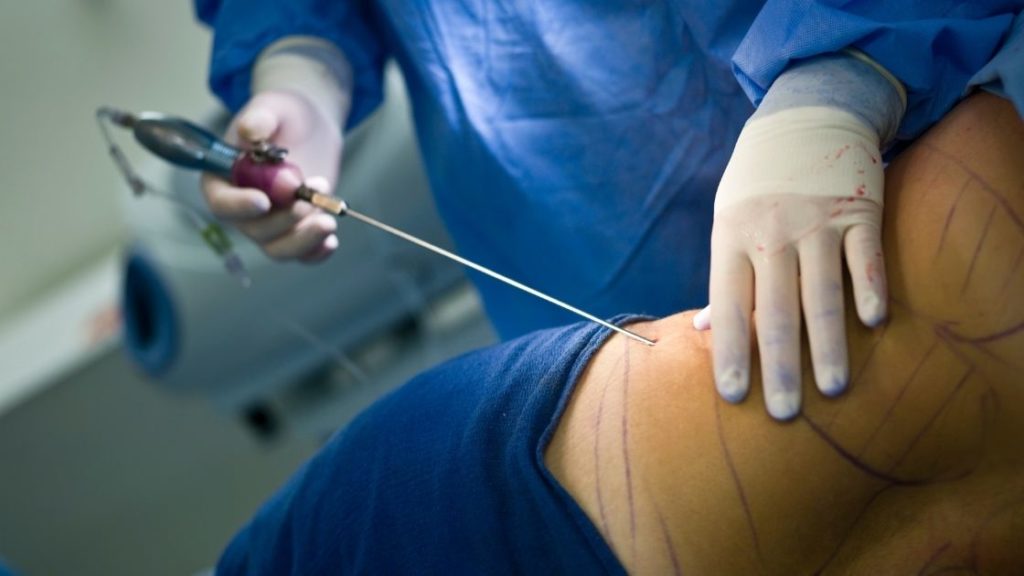
Tumescent local anesthesia is integral to liposuction procedures, as it not only numbs the area to be treated, but reduces bleeding during the procedure. It’s done by injecting a precisely formulated solution of lidocaine, epinephrine, and saline directly into the fatty tissue.
Supportive pain relief is provided by lidocaine, which serves as a local anesthetic that offers targeted relief. Epinephrine constricts blood vessels, which helps reduce blood loss during the procedure. The saline aids in distributing the solution uniformly throughout the treatment area.
The FDA-approved tumescent process provides a less invasive procedure with a more controlled and comfortable environment for the patient and the surgeon.
The effects of the solution are not immediate. Typically, it takes anywhere from 10 to 60 minutes for the analgesic and vasoconstrictive effects to stabilize. This waiting period allows the solution to fully numb the area and prepare it for the liposuction process.
Once the solution has taken effect, the surgeon can proceed with minimal risk of discomfort or excessive bleeding.
Key Components of the Technique
The tumescent technique, used in virtually all liposuction today, is preferred because it is safe and effective. One of its most remarkable features is the very low blood concentration in the aspirated fat. Its hematocrit is less than 1%.
This, in turn, reflects the effectiveness of the vasoconstrictive action. The complications such as hematoma or seroma are very rare, with an occurrence of 0.17% to 1.6%.
An additional advantage of this approach is its ability to safely accommodate larger lidocaine doses. For patients getting liposuction, the maximum dosage considered safe is 45 mg per kilogram.
Alternatively, patients who are not undergoing the procedure should reduce their dosage to no greater than 28 mg/kg. This technique creates a high level of numbing with a very low compromise in safety.
Keep in mind that immediate swelling post procedure is normal. The immediate swelling is due to the anesthetic solution. This temporary swelling typically resolves during the first two weeks, revealing the expected surgical swelling underneath.
Benefits of Tumescent Local Anesthesia
1. Reduces Pain During Procedure
One of the most well-documented benefits of local anesthesia liposuction is its ability to minimize pain during the liposuction procedure. A diluted solution of lidocaine, typically between 0.05% and 0.08% concentration, creates localized, effective numbness. This approach spares liposuction patients the risks and costs associated with undergoing general anesthesia, making it an appealing option for many patients.
This technique allows for a lidocaine dose of 35 mg/kg, showing remarkable efficacy with larger surgeries. For instance, in facial procedures, using a lower lidocaine concentration enables providers to achieve effective numbing without compromising the patient’s comfort level.
Subcutaneous infusion anesthesia (SIA) incorporates a highly effective mixture of prilocaine and ropivacaine. This practice has significantly transformed the management of pain, especially among patients experiencing increased sensitivity, enhancing the overall experience of the awake liposuction procedure.
2. Minimizes Blood Loss
The addition of epinephrine (1:1,000,000) in the tumescent solution causes blood vessels to constrict, significantly reducing blood loss during surgery. This is an important aspect of patient safety, especially in the higher-volume liposuction cases.
After determining the amount needed, the team injects the solution into the fat and dermis layers. This action helps to firm up the area and control bleeding during the procedure.
3. Provides Faster Recovery
Patients usually recover more quickly when tumescent anesthesia is used. Most swelling goes down within 4-10 days. Tumescent local anesthesia’s highly localized approach means that post-operative complications are reduced.
The addition of corticosteroids in the solution decreases inflammation and promotes faster healing.
4. Enhances Safety for Patients
By utilizing local anesthesia liposuction techniques, tumescent anesthesia significantly enhances safety by eliminating the various risks associated with general anesthesia. When diluted correctly, even children and sensitive liposuction patients undergo the procedure comfortably.
5. Lowers Need for General Anesthesia
Tumescent anesthesia techniques provide a profound, comfortable experience during the liposuction procedure without the need for sedation, allowing for safer, less invasive fat removal.
Risks and Complications to Consider
Potential for Skin Irregularities
Skin irregularities, such as uneven contours or dimpling, may occur following liposuction. This happens when the liposuction removal of fat isn’t done quite evenly or the skin doesn’t retract evenly. For instance, only 2.1% of patients experience contour irregularities in the wake of surgery.
Factors like skin elasticity and the area being treated play a significant role in these outcomes. Though tumescent anesthesia improves precision, it doesn’t ensure perfect results. Loose skin or minor contour irregularities are more common in sites with a tendency to sag, like the belly.
Compression garments are typically used during recovery to promote healing and reduce the appearance of these irregularities.
Risk of Infection or Scarring
Infection is unlikely, but can occur—particularly if aftercare instructions are not adhered to. With good hygiene and appropriate prescribed antibiotics, problems are rare. Scarring is usually quite limited, as incisions are small—usually under a quarter inch.
Some people are more prone to developing thicker, raised scars due to heredity. Hematomas, or pockets of blood underneath the skin, happen in 0.47% of cases and typically heal without intervention.
Possibility of Lidocaine Toxicity
Lidocaine toxicity is an unusual but significant complication associated with tumescent anesthesia. Overdosing can lead to cardiac or neurologic toxicity, but this is uncommon in the hands of experienced surgeons.
In another 2002 survey of 66,000 procedures, not a single death was recorded, further underscoring the relative safety of this technique. Anesthesia providers calculate dosages based on body weight to provide the correct amount of anesthesia without risking the patient’s safety.
Swelling or Bruising After Surgery
Swelling and bruising are common after effects. Swelling affects almost all patients and it can persist for weeks or even months. It is self-limiting, typically resolving within three to six months.
Bruising, or ecchymoses, usually disappears after one week. Pain that feels like a “burning” sensation is expected within the first couple of days and diminishes over time. Compression garments help control swelling and promote healing.
Rare Allergic Reactions
Allergic reactions to the anesthesia or surgical materials are extremely uncommon. These symptoms can include itching, rash, or swelling, but are usually mild and treatable with over-the-counter medication.
Surgeons typically examine a patient’s medical history to reduce this risk.
Comparing Tumescent Local Anesthesia to Other Options
General Anesthesia vs Tumescent Technique
General anesthesia knocks out the whole body, and the patient must be closely monitored with advanced technology and equipment. Although still very useful in complex surgical settings, it presents disadvantages such as hypothermia and increased recovery time.
In stark contrast, tumescent local anesthesia allows patients to remain awake and comfortable. It reduces pain during infiltration, prevents excessive body heat from being generated, and complications are vastly reduced. The tumescent technique allows for precise delivery of anesthetic.
By limiting the risk of systemic side effects, this approach makes it a safer option for those with medical issues, including bleeding disorders.
Regional Anesthesia vs Tumescent Technique
Regional anesthesia, like spinal blocks, can numb larger areas of the body, but often needs other medications or monitoring. Tumescent anesthesia focuses on more localized areas of the body.
It offers a quicker onset, more durable result, and all without the need for complicated equipment. It can be combined with regional approaches to maximize efficacy, making it very customizable to the patient’s needs.
Cost Differences Between Anesthesia Types
Implementation of tumescent anesthesia is extremely economical. It saves on the cost of OR sets, specialized equipment, and additional staff needed for general or regional anesthesia.
This affordability allows it to be widely adopted without sacrificing quality or safety.
Safety and Recovery Time Comparisons
Complications under tumescent anesthesia are exceptionally rare—under 1% of cases. Recovery is faster as well, since patients do not experience the grogginess or nausea often associated with general anesthesia.
The quicker recovery translates to less downtime, and often a more comfortable post-procedure experience.
Who Is a Good Candidate for This Procedure
Ideal Health Conditions for Patients
Liposuction with tumescent local anesthesia is most effective in people who are in generally good health. Usually the perfect candidate is a person who is within 10 to 20 pounds of their target weight. This ensures that the procedure is used to target localized deposits of fat more effectively and not as an overall weight-loss solution.
Good physical and mental health is the bedrock of recovery. A healthy immune system and a healthy mindset is the name of the game. Age is another important factor to consider. To be eligible, patients need to be at least 18 years old, making sure their body has fully matured.
Someone in their mid-20s with difficult-to-lose abdominal fat may see wonderful outcomes. This can occur even when other approaches, such as increasing physical activity, have failed in their case. Furthermore, the patient should keep a healthy, positive attitude and expectation about the result.
Liposuction can help smooth, sculpt, and define the body, but it won’t give you a flawless figure.
Factors That May Disqualify Candidates
Certain conditions may decrease the suitability of a candidate for this procedure. For example, smokers tend to have delayed healing and increased complications. An inability or unwillingness to adhere to post-operative care instructions, like wearing compression garments, can rule out a patient.
People very morbidly obese, or with other medical comorbidities such as poorly controlled diabetes may not be good candidates. Such factors raise the challenges of recovery and the risks involved.
Preparing for Liposuction with Tumescent Anesthesia
Pre-Surgery Consultation Steps
- The Consultation Phase Before any liposuction with tumescent anesthesia takes place, the consultation phase lays the groundwork. With this final step, the surgeon inspects whether you are the perfect candidate—usually, this means a person who is 10–20 pounds from their target weight. This produces the most dramatic results possible without overcorrection.
The consultation will cover your medical history, medications, allergies, etc. To ensure your safety. You can ask your surgeon to go over how the tumescent technique minimizes risks, due to its more localized technique. Research indicates that systemic complications are very uncommon.
They happen in just 0.07% of cases, with far fewer—under 9,500 surgeries—occurring each year by dermatologic surgeons. This low risk is a common source of reassurance for patients. Here’s where your doctor should walk you through what you can expect in terms of an outcome. While you will see some improvement immediately, it can take three to six months to see the complete results.
Instructions Before the Procedure
To ensure the surgery goes as smoothly as possible, preparation starts with a few important guidelines. On the day of the procedure, patients typically take antibiotics such as cephalexin to reduce the risk of infection. A mild tranquilizer like lorazepam (1 mg) may be prescribed to calm any preoperative jitters.
After surgery, quality post-operative care is the key. Patients usually come back for daily wound care for 3 days. In reality, most patients are back to their sedentary jobs within one or two days.
Still, don’t plan to start exercising or lifting for at least ten days afterwards. Light activity can start within three to seven days. This cautious approach encourages healing with less risk of complications.
Post-Operative Care and Recovery Tips
Managing Pain and Discomfort
As with any procedure performed under tumescent local anesthesia, post-operative discomfort is expected. You may experience light tenderness, like the soreness you would get after a tough gym session.
Usually this can be managed with over-the-counter pain relievers such as acetaminophen. Compression garments are key here. They offer consistent, even compression to minimize excess swelling and help protect fragile healing tissues.
Bruising or ecchymoses can be present but generally resolves within 1 week. Swelling is very normal and may take three to six months to resolve completely. Patience is important, both with yourself and others during this process as the body is learning and healing.
Monitoring for Complications
The risk of serious complications is extremely low—under 1% of patients have serious complications. Nonetheless, vigilance is key. Be alert for symptoms such as excessive redness, abnormal pain or fever, as these can be signs of infection.
Post-operative care is crucial. Follow your doctor’s instructions regarding follow-up appointments, with daily wound dressing for the first three days usually required. These appointments are important for monitoring progress, making sure recovery is going smoothly, and to catch any problems as soon as possible.
Tips for Faster Healing
While rest is important, gentle movement like walking promotes circulation and prevents stiffness. Most patients are motivated to get back to desk work in 2 to 3 days.
They need to wait to return to vigorous activity and exercise for a minimum of ten days. You’ll start to feel like yourself in about two weeks, but the best results will show themselves with time.
By taking these steps, you can make your post-operative care and recovery process a whole lot easier!
Conclusion
For millions of people, liposuction with tumescent local anesthesia provides a highly practical and effective option. It makes the procedure less painful and the recovery quicker. The customized method of this technique allows for a greater level of control which ultimately empowers patients and produces their desired results, typically to much satisfaction.
Tumescent liposuction is an excellent procedure, but like any medical procedure, it has risks. By understanding these and educating yourself by working closely with a qualified, board-certified surgeon, you can enjoy a far less risky procedure. By having trusting and honest conversations with your doctor, you can set realistic expectations and voice any concerns or questions.
If you’re thinking about this treatment, make sure to carefully consider the benefits and risks. Knowing what to expect and how to prepare and care for yourself afterward goes a long way. Have an honest conversation with a trusted expert to determine your best path forward. By ensuring that you make a confident, informed choice, you’ll be on the right path to getting the results you desire.
Frequently Asked Questions
What is tumescent local anesthesia in liposuction?
Tumescent local anesthesia techniques are proven to effectively numb the treatment area by mixing lidocaine, epinephrine, and saline. This method significantly reduces pain, swelling, and bleeding during the liposuction procedure, enhancing safety and comfort for liposuction patients.
What are the benefits of tumescent local anesthesia?
Local anesthesia liposuction provides effective pain control, reduces bleeding, and lowers the risks associated with general anesthesia, leading to quicker recovery and less post-operative discomfort for liposuction patients.
Are there risks with tumescent local anesthesia?
Risks, though rare, can include infection, lidocaine toxicity, or skin irregularities, particularly in traditional liposuction procedures. These complications can easily arise when choosing an unqualified surgeon, so ensure you address any questions or concerns with your doctor prior to the liposuction procedure.
How does tumescent anesthesia compare to general anesthesia?
Tumescent anesthesia, a local anesthesia liposuction technique, is safer and poses less risk than general anesthesia. This method enables liposuction patients to remain awake during the procedure, reducing recovery time and avoiding complications associated with full sedation.
Who is a good candidate for liposuction with tumescent anesthesia?
Healthy individuals who are motivated and have localized fat deposits are good candidates for the liposuction procedure. It is essential that you do not have any serious medical illnesses or are not overweight to a level exceeding a healthy weight.
How should I prepare for liposuction with tumescent anesthesia?
Follow your surgeon’s pre-operative instructions for the liposuction procedure, which might involve avoiding blood thinners, bringing a driver to your appointment, and drinking plenty of water. Enjoy a pre-procedure consultation to ensure you’re completely ready for local anesthesia liposuction.
What is the recovery like after liposuction with tumescent anesthesia?
Recovery after the local anesthesia liposuction procedure is often very fast. While mild swelling and bruising are to be expected, these effects typically fade within weeks. Following your doctor’s recommendations on wearing compression garments and avoiding vigorous activities during recovery is essential.
 Directions
 Call Us
 Email Us