
Blood Thinner Management Around Liposuction: Safe Guidelines
Key Takeaways
- Coordinate medication adjustments with clinicians pre-surgery and adhere to a prescribed schedule for halting and resuming anticoagulants, antiplatelet agents, and supplements that increase bleeding risk.
- Medical clearance includes cardiology input and lab screening to help quantify clotting risk and make post-op blood thinner decisions.
- Anticipate an increased risk of hematoma, bleeding, and thromboembolic events when blood thinners are involved and monitor treated areas for rapid swelling, severe pain, or unusual bruising.
- Utilize the tumescent technique and appropriate intraoperative fluid monitoring to minimize blood loss. Monitor fluid balance intra- and postoperatively to prevent dehydration and pressure fluctuations.
- Adhere to well-defined postoperative care with ongoing compression, early walking to avoid DVT, and a staged schedule for reinitiating your blood thinner.
- Tailor bridging therapy and surgical plans based on history, weighing clotting risk against bleeding risk, and document everything prior to moving forward.
Blood thinner management around liposuction refers to the things doctors do to minimize bleeding and clot risks before, during, and after surgery. It details medication oversight, coordinating dose pauses, alternatives, and watchfulness for hemorrhage or embolism. Decisions balance bleeding risk, clotting history, and procedure scope. Well-defined plans from the surgeon and prescribing clinician keep patients safe and facilitate smoother recovery and follow-up care.
Surgical Risks
Liposuction carries several fundamental risks that affect surgical selection, perioperative planning, and postoperative care, particularly concerning excess fat removal and the risk of postoperative complications. Serious but rare risks include bleeding, fat embolism, and venous thromboembolism. The use of anticoagulant medications can alter this balance, increasing the chance of problematic bleeding during and after the procedure. Coordination with the surgical team and anesthesiology helps reduce complications and mortality.
Hematoma Formation
Hematomas arise when blood pools beneath the skin due to tiny blood vessels being severed during fat extraction. They can manifest as a hard lump, enlarging bruises, or a feeling of tightness in the treated area and may delay wound healing or increase infection risk.
Patients on blood thinners have increased hematoma rates. Warfarin, direct oral anticoagulants, or antiplatelet agents reduce clotting and make small bleeds harder to stop, potentially needing reoperation to evacuate the clot or undertake further hemostatic measures.
Close monitoring is important. Examine the treated areas for increasing size, a sudden increase in pain, new numbness or skin discoloration. Early detection permits timely needle aspiration or return to the operating room to control bleeding.
If you experience sharp pain or rapid swelling post-surgery, take immediate action. Therapeutic options may involve pressure dressings, directed imaging, and surgical exploration. Surgeons frequently deploy vasoconstrictors in the tumescent solution, meticulous suction technique, and even hemostatic agents to reduce hematoma risk.
Tumescent Fluid Loss
Tumescent fluid is injected to minimize bleeding, swell the fat for easier extraction, and offer local anesthesia. This fluid, a solution of saline, epinephrine, and frequently lidocaine, not only minimizes bleeding but also directs safe extraction during the liposuction procedure. However, excessive tumescent fluid loss can lead to dehydration and complications, particularly in lengthy or large-volume cases, especially for patients with liver or kidney disease, alcoholism, or other co-morbid conditions that disrupt fluid balance.
Among the risks and complications of liposuction, it is crucial to monitor fluids during and after the operation to maintain a safe balance. Careful observation of urine output, blood pressure, heart rate, and hemoglobin levels is essential, with IV fluids used as necessary. Patients taking anticoagulant medications or those with abnormal lab results, such as prolonged INR, require special attention and potential bridging therapy to mitigate both bleeding and thromboembolic risk.
Maintaining a healthy lifestyle post-surgery is vital to achieving the ideal body contours and minimizing potential complications. Special care must be given to those with multiple medical conditions, as they may experience increased risks during recovery.
| Parameter | Target / Alert |
|---|---|
| Urine output | ≥ 0.5 mL/kg/hr |
Overall, the surgical planning and individual medical consultation are critical in ensuring a successful outcome while addressing the certain risks associated with the procedure.
Preoperative Timeline
The preoperative timeline is crucial for determining when to discontinue or modify anticoagulant medications, supplements, and other habits to reduce the risk of bleeding and support healing after liposuction surgery. This timeline varies by drug, the planned volume of fat removal, and the patient’s medical history. Collaborate early with the surgeon, primary care physician, and any prescriber specialist to develop a suitable surgical plan.
1. Prescribed Anticoagulants
Typical prescribed blood thinners, such as warfarin, apixaban, rivaroxaban, dabigatran, and edoxaban, each have different half-lives and reversal profiles, affecting the cessation periods. Stopping too late increases the risk of postoperative complications, including bleeding and hematoma during and after liposuction surgery. Conversely, stopping too early can elevate the risk of blood clots. Following a structured medication management plan is essential: list the drug, last dose date, and planned stop date. Documenting lab checks or reversal agents that may be needed is crucial. Maintaining anticoagulants can lead to larger hematomas, increased blood loss, longer recovery, and even the need for further surgical intervention.
2. Antiplatelet Drugs
Antiplatelet medications such as aspirin, clopidogrel, prasugrel, and ticagrelor are important to consider before a liposuction procedure. Common advice is to discontinue aspirin 7 to 10 days in advance for elective liposuction and clopidogrel 5 to 7 days; however, considerations shift when antiplatelet use is for recent stents or acute cardiac events. Poor control can lead to postoperative complications, including excessive bleeding and delayed healing. It’s crucial to evaluate if stopping is safe by consulting the prescriber regarding the patient’s medical history and the necessity of antiplatelet therapy.
3. Dietary Supplements
Supplements that affect blood clotting, such as fish oil and vitamin E, should be stopped at least two weeks before the liposuction surgery. Over-the-counter products can lead to more bleeding than patients anticipate. During the individual medical consultation, provide a comprehensive list of all vitamins, herbs, and supplements for a thorough pre-op assessment, allowing the team to check interactions and advise on which to discontinue.
4. Bridging Therapy
Bridging therapy replaces longer-acting anticoagulants with short-acting heparin or low-molecular-weight heparin when the risk of postoperative complications is high. It’s particularly important when discontinuing an anticoagulant could lead to harmful clotting. This process typically involves stopping the long-acting agent, initiating heparin until 24 hours before the liposuction procedure, and then resuming post-operatively when the risk of bleeding allows. A sample checklist includes confirming the clot risk, setting stop dates, starting the bridge, scheduling the last bridge dose 24 hours pre-op, and planning for post-op restart and monitoring. Additionally, non-medication steps such as avoiding alcohol and smoking are crucial for a healthy lifestyle before and after surgery.
Medical Clearance
Medical clearance is crucial for patients on anticoagulant medications to safely undergo liposuction surgery, as it establishes the schedule for drug adjustments and monitoring. This process minimizes the risk of postoperative complications, such as bleeding and thromboembolism, while ensuring thorough evaluation and documentation.
Cardiologist Consultation
Patients with a history of heart disease who have atrial fibrillation or mechanical valves should undergo a thorough evaluation by a cardiologist. This consultation is crucial for assessing cardiac function and recent ischemic events, ensuring that the patient’s health aligns with the requirements for cosmetic surgery. Specific perioperative goals, such as managing blood pressure and rate control, must also be addressed to minimize the risks of postoperative complications.
Furthermore, the cardiologist should provide insight into the safety of holding anticoagulation and establish acceptable INR ranges if the patient is on warfarin. For patients undergoing procedures like liposuction surgery, tailored plans are essential, particularly for those with mechanical valves, to prevent complications such as blood clots after liposuction and ensure optimal recovery.
Laboratory Screening
Order baseline labs such as complete blood count (CBC), platelet count, prothrombin time/international normalized ratio (PT/INR), activated partial thromboplastin time (aPTT), and liver function tests to evaluate bleeding risk and clotting ability, essential for a safe liposuction procedure. For instance, an elevated INR in a patient on anticoagulant medications indicates a need for reversal or delay, emphasizing the importance of a thorough medical history evaluation prior to surgery. Thrombocytopenia may necessitate a hematology consultation to assess the risk of postoperative complications.
Additionally, screening for renal function is crucial when direct oral anticoagulants are involved, as this drives the timing for discontinuing the drug. Repeat INR or specific factor assays should be conducted in the days leading up to surgery. Many centers require an INR within the target range on the morning of the operation. It is vital to record all lab results in the preoperative record and connect them to the management plan, noting explicit cutoffs for delay or proceeding with the procedure.
Labs must be accompanied by a comprehensive medication reconciliation, including prescription anticoagulants, antiplatelets, OTC medications, and herbal supplements such as garlic and ginkgo. These substances can impact coagulation or interact with anesthetics. It’s important to note scheduled washout periods, typically 7 to 10 days for aspirin or clopidogrel, which can vary for DOACs based on renal function, along with any necessary INR or antifactor Xa assays to ensure patient safety during cosmetic surgery.
Tumescent Technique Nuances
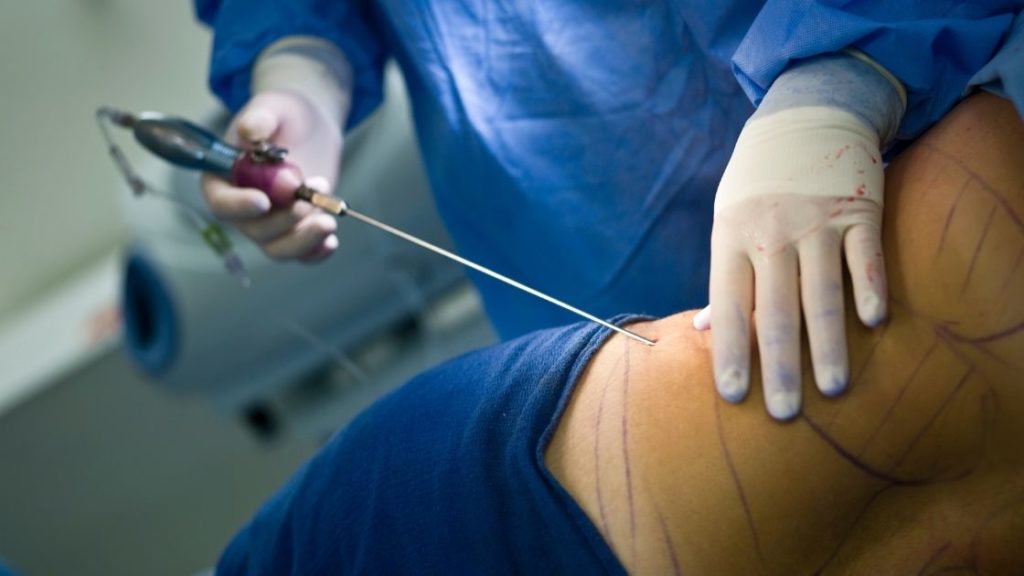
Tumescent liposuction involves a high-volume injection of isotonic crystalloid with dilute lidocaine and epinephrine in the subcutaneous fat prior to aspiration. The tumescent technique makes the tissue firm and swollen, which separates adipocytes and compresses capillaries. This primer provides context for how the technique changes bleeding, anesthesia requirements, and recovery relative to previous approaches.
Tumescent vasoconstriction and blood loss control
Injecting dilute epinephrine, commonly at a ratio of 1:1,000,000 or about 1 microgram per milliliter, causes local vasoconstriction that sharply reduces bleeding during aspiration. In addition to capillary and venule constriction, the reduction in procedural blood loss provides a cleaner surgical field. In practical terms, infiltration should take place at least 10 minutes prior to aspiration to allow vasoconstriction to set in. Less bleeding helps slow systemic lidocaine uptake. Reduced blood flow transports the drug away, which lowers early peak plasma levels and helps preserve a local effect.
Anesthesia profile and safety
Tumescent tricks it out. Low lidocaine concentrations of 0.1% or less in large volumes provide a long local anesthetic effect with delayed serum peak. The maximum standard dose is often quoted at up to 55 mg per kilogram, with higher total doses possible compared with single-shot blocks because slow uptake results in lower peak concentrations. Even then, the risk of LAST persists. Serum lidocaine can peak 12 to 14 hours after infiltration, so observation and discharge instructions need to factor in delayed toxicity. Centres offering tumescent liposuction require medications and devices to manage LAST and personnel trained to deploy them.
Benefits beyond anesthesia
Reduced utilization of general anesthesia decreases risks associated with airway management, hemodynamic fluctuations and postoperative nausea. Patients have shorter hospital stays and quicker initial recoveries. The tumescent fluid further assists in hydrodissecting tissue planes and thereby decreases mechanical trauma and postoperative pain. Infiltration itself adds risks such as fluid overload, lidocaine or epinephrine adverse effects, and rare systemic complications.
Comparison of outcomes
| Outcome domain | Tumescent technique | Traditional liposuction |
|---|---|---|
| Intraoperative blood loss | Low due to epinephrine vasoconstriction | Higher, more transfusion risk |
| Anesthesia need | Often local/tumescent, less general | Frequently general or deep sedation |
| Peak lidocaine timing | Delayed (12–14 h), lower early peak | Not applicable |
| LAST risk | Present, delayed peak requires preparedness | Lower local anesthetic exposure |
| Early recovery | Faster, less systemic anesthesia effects | Slower, more postoperative nausea |
Recovery Protocols
Recovery protocols detail the monitoring, supports, and stepwise measures employed post-liposuction surgery to detect bleeding, swelling, and blood clots, ensuring a safe return to baseline medications and activity. Postoperative care begins immediately after the liposuction procedure. The first 24 hours should focus on rest, with vital signs, fluid balance, urine output, respiratory status, and oxygenation observed closely. Patients undergoing large-volume liposuction typically receive approximately 23 hours of observation in an accredited hospital or certified ambulatory surgical center, while smaller procedures may necessitate overnight monitoring in facilities with the appropriate observation capabilities.
Compression Garments
Wear compression garments continuously for the time your surgeon prescribes, typically one to six weeks depending on the extent of liposuction and surgeon protocol. Compression manages swelling, helps support soft tissue back into place, and minimizes the ‘potential space’ for blood to collect and decreases the risk of hematoma.
Right sizing and fit does count. Snug, but not so tight as to ‘feel all tingly and lack circulation.’ A professional fitter or the surgical team should verify fit before you are discharged. Swap out any items that lose their stretch and wash according to manufacturer guidelines to prevent skin irritation.
If used incorrectly, they can be damaging. Overly tight clothing in some areas can lead to skin breakdown, pressure necrosis, or numbness. Garments that are too loose can’t manage swelling as well and may actually enable fluid to pool. If you experience escalating pain, color change, or coolness outside of anticipated bruising, remove the garment and be evaluated.
Medication Resumption
When to resume anticoagulant or antiplatelet drugs is a case-by-case decision that can greatly impact recovery after a liposuction procedure. For minor procedures, most teams restart low-dose aspirin or equivalents at 24 to 72 hours if hemostasis is stable. For full anticoagulation, restarting might be deferred 48 to 72 hours or more for patients at elevated bleeding risk. This decision carefully balances the risks of liposuction, particularly in individuals with a history of thromboembolism or mechanical valves.
During the restart phase, it’s crucial to observe for symptoms of bleeding and clot formation. Monitor for signs such as escalating wound drainage, new edema, or spreading ecchymosis, which could indicate hemorrhage. Additionally, be vigilant for unilateral leg pain, calf swelling, or new shortness of breath and chest pain, as these may be potential thrombotic signs. Vital sign trends in early recovery are essential for identifying any occult issues.
Stepwise resumption example: For low-risk patients after small-volume liposuction, restart aspirin at 48 hours and full anticoagulation at 5 to 7 days if healing is uneventful. For high-risk patients or large-volume liposuction, discuss with the prescribing clinician and explore bridging strategies at an experienced center. Note medication changes and send patients and local providers written instructions.
Checklist for daily recovery: Rest for the first 24 hours. Wear compression 24/7. Stroll short distances every hour to get the blood circulating. Track and record vitals and wound discharge. Report warning signs right away. Adhere to the medication restart schedule. Go to follow-up visits.
Clinical Insights
Experts Weigh In: Balancing Surgical Risk and Anticoagulant Management in Liposuction Patients (Clinical Insights) Liposuction is primarily an outpatient surgery, allowing most patients to be released the same day. For those on anticoagulant medications such as aspirin or warfarin, discontinuing these prior to surgery is typically recommended to reduce the risk of bleeding. The exact timing for stopping these medications varies based on the agent, dose, renal function, and specific indication for anticoagulation. For instance, it is advisable to stop aspirin 7 to 10 days prior if it is for primary prevention, but a consultation with a cardiologist is necessary if it is for a recent stent. Warfarin is usually held for 3 to 5 days with INR monitoring and may be bridged with LMWH only if the thrombotic risk is high. Direct oral anticoagulants generally require 24 to 72 hours off, with longer durations needed for patients with poor kidney function. Herbal remedies and supplements like garlic, ginkgo, and St. John’s Wort can alter blood clotting and interact with anesthesia, so these should be discontinued at least 7 to 14 days before surgery.
The evolution of aesthetic medicine has significantly minimized the risks associated with cosmetic procedures, especially for those requiring careful anticoagulant management. Techniques such as tumescent liposuction with dilute local anesthetic and epinephrine have decreased bleeding, allowing for smaller, more precise liposuction cannulas. When used correctly, ultrasound-assisted and power-assisted devices can reduce operative time and tissue trauma. Enhanced preoperative imaging and mapping enable surgeons to customize surgical plans to avoid perforators and previous scar tissue. While these advancements do not entirely eliminate the risk of bleeding, they assist surgical teams in minimizing blood loss, decreasing bruising, and enhancing recovery, which is crucial for patients who have recently been on anticoagulants.
Personalized surgical planning and aftercare play a significant role in impacting complication rates. Preoperative checklists should include a thorough medication review, kidney and liver tests, and a consultation with the treating physician regarding anticoagulation indications. Decisions made during surgery about the volume of fat removed, anesthesia type, and the use of drains should align with the patient’s individual medical history and comorbidities. Postoperative care involves wearing a continuous compression garment for the first few weeks to help lower swelling, along with scheduled follow-ups to monitor for excess bruising and provide clear instructions on recognizing signs of delayed recovery. These signs may include unexpected swelling, painful wound drainage, spreading redness, or sudden weakness. Rare complications like seroma can generally be managed effectively with conservative care or simple drainage if identified early.
Promoting a healthy lifestyle is vital for recovery and reducing future risks. Clinical insights emphasize that adequate protein intake, salt control, and rehydration are essential for tissue healing. A gradual return to exercise post-clearance enhances circulation and decreases venous stasis. Quitting smoking and managing weight, blood pressure, and blood sugar levels are crucial steps in decreasing surgical risk and ensuring that the results of liposuction are long-lasting.
Conclusion
Clear plans reduce risk and maintain consistency of care. Blood thinner management around liposuction. For patients on blood thinners, begin by cataloging all medications and supplements. Discuss with your surgeon and prescribing clinician at least two weeks before surgery. Use lab checks and focused exams to identify bleeding risk. Implement a phased stop-and-start scheme for blood thinners around liposuction depending on drug, dosage, and individual risk. During tumescent liposuction, lower local doses and slow, layered suction keep bleeding limited. Post-op, monitor your wound and bruises closely for the first 72 hours. Resuming medications only after a clot and bleed review with the care team. Short examples: a low-dose aspirin case may pause for seven days; a direct oral anticoagulant may pause for 48 to 72 hours. Request a written plan and specific next steps from your team.
Frequently Asked Questions
Can I take my blood thinner the day before liposuction?
Consult your doctor and surgeon regarding anticoagulant medications. Many patients halt these blood thinners three to seven days prior to the liposuction surgery, but the timing is influenced by the medication and risk of postoperative complications.
Which blood thinners require stopping before liposuction?
DOACs (apixaban, rivaroxaban), warfarin, and antiplatelets (aspirin, clopidogrel) often must be temporarily held before cosmetic surgery. Your surgical and medical team will evaluate your individual medical consultation to assess the risk of postoperative complications based on the drug, dose, and your specific condition.
How is the decision made to continue anticoagulation for high-risk patients?
If the risk of bleeding is high, teams may bridge with short-acting anticoagulant medications or continue therapy with additional precautions. These are multidisciplinary decisions that balance the risks and complications of liposuction, thromboembolic risk, and the particulars of the surgical plan.
How does stopping blood thinners affect bleeding risk during liposuction?
Discontinuing anticoagulant medications lessens intraoperative and postoperative complications such as bleeding and bruising. Stopping suddenly can increase the risk of blood clots, so adhere to individualized instructions to reduce risks of bleeding and thrombosis.
Do tumescent technique adjustments help with anticoagulated patients?
Yes. Surgeons can utilize high-volume tumescent local anesthesia and careful suction techniques during the liposuction procedure to minimize bleeding and reduce the risks of postoperative complications while maintaining safety.
When can I restart my blood thinner after liposuction?
Restart timing varies: often 24 to 72 hours post-liposuction surgery for low bleeding risk, longer if bleeding persists. Your doctor or prescriber will time this according to wound status and your personal risk of postoperative complications.
What preoperative tests or clearance are needed if I take anticoagulants?
Anticoagulant management around liposuction surgery anticipates a medical work-up, including bloodwork for INR for warfarin and kidney function, and approval from the prescribing physician to ensure a healthy lifestyle and minimize risks of postoperative complications.
 Directions
 Call Us
 Email Us