
Body Sculpting After Explant Surgery: Addressing Deflation and Restoring Shape
Key Takeaways
- Body sculpting post-explant surgery deflation corrects breast contour and deflation with custom surgical and non-surgical techniques for natural outcomes.
- A comprehensive preoperative evaluation of implant history, tissue characteristics, imaging, and risk factors directs the decision to pursue immediate correction, delayed procedures, or staged approaches.
- Typical reconstructive instruments include mastopexy, autologous fat grafting, and capsulectomy, each with their own indications, advantages, and risks that must be appropriately tailored to the individual anatomy.
- Non-surgical measures including energy-based skin tightening, topical scar treatments, and compression garments can aid healing and provide minimal contour improvement. They do not substitute for surgery in the case of severe laxity.
- Outcome modifiers such as age, skin quality, body habitus, smoking, and medical comorbidities strongly impact final contour and healing and should guide surgical planning and perioperative care.
- Recovery involves defined post-op protocols, activity ramp up, and consistent follow-up to track healing, address complications promptly, and plan revision if necessary.
Body sculpting after explant surgery deflation refers to a collection of techniques done to contour the chest and midsection following explant surgery and tissue deflation.
This guide covers fat grafting, skin tightening, and muscle repair to restore form and symmetry. Candidates are evaluated for tissue quality, scar patterns, and overall health prior to planning.
Recovery times and anticipated outcomes differ by technique and patient factors, so well-defined goals help inform the surgical plan.
Overview
Body sculpting post-explant is the series of surgical and non-surgical interventions to restore breast contour and combat deflation after implant removal. The goal is to recreate a natural breast shape that suits the patient’s anatomy and objectives.
Preoperative evaluation of breast tissue, skin laxity, and chest wall anatomy informs decisions between mastopexy, imbrication techniques, pocket modification, and fat grafting. The majority of patients start to notice a more refined contour by 3 months, with final refinement occurring 4 to 6 months as the swelling dissolves and the tissues descend.
Challenges
Skins excess, contour irregularities, and nipple malposition are frequent issues following implant removal. When implants have been in place for a number of years, the skin may not bounce back, leaving pendulous tissue to be excised or re-contoured.
Previous surgeries, capsular contracture, or implant rupture make things more difficult. Scarred pockets or dense capsule tissue can restrict options and necessitate a capsulectomy or meticulous dissection.
It is challenging to know the final breast shape and form because every woman’s tissue quality and healing process is different. Some patients heal with nice lift and shape; others get stubborn asymmetry. Visible scars and wound-healing issues are legitimate concerns.
Although incision selection and a meticulous, atraumatic technique can minimize scar problems, they are still the price you pay for reshaping.
Tissue changes
Long-term implants thin and stretch breast tissue, which shrinks glandular bulk and distorts explantation aesthetics. Once silicone or saline implants are removed, the ‘breast’ mound loses all projection and volume.
The difference is often immediate and dramatic. Capsule formation and scar tissue disfigure the native gland architecture and can scar tether tissue in need of liberation.
As months go on, breast shape and skin elasticity will continue to change. Early postoperative photos appear quite different than the six-month final result, so staged decisions or delayed fat grafting may be optimal.
Goals
Goals focus on re-establishing natural contour, optimizing upper pole/lower pole balance, and balancing nipple heights. Methods are selected to give the least visible scars and reliable lift and projection.
As combined procedures, Pocket Lift or plication (mammary imbrication), mastopexy, and fat grafting allow surgeons to reconstruct structure, restore volume where needed, and refine shape.
Research indicates simultaneous mastopexy increases aesthetic satisfaction with shape and upper pole fullness, while peer-reviewed research validates fat grafting for contour and symmetry enhancements. Customized plans, tailored on implant capsule status, tissue quality, and skin elasticity, assist in reducing complications and accelerating healthy recovery.
Assessment
A targeted evaluation prepares the ground for secure, pragmatic body-sculpting post-explant deflation. This starts with a brief breast history and status part prior to transitioning to hands-on exam, imaging, and risk stratification. The goal is to tailor the surgery options to tissue quality, scar pattern, implant history, and the patient’s objectives.
History
Gather implant details: manufacturer, fill type, profile, and original size, plus dates of insertion and any prior revisions. Record if the patient complains of swelling, persistent hardness, pain, change in shape, sudden deflation, or new asymmetry, all of which require urgent evaluation.
Document previous lifts, reductions, reconstructions, and any wound-healing issues. Document known ruptures or capsular contracture episodes. Clinical data indicate that between 1% and 5% of implants rupture within the first 10 years and the risk increases as implants age.
Add timing as well. New implants can last 15 to 20 years or more. Deflation typically shows itself after 10 to 20 years. Inquire about systemic symptoms occasionally referred to as breast implant illness and previous infections or implant malposition.
Exam
Start with a full breast exam to judge skin excess, nipple-areolar position, and glandular thickness. Check the inframammary fold, lateral breast border, and sternal midline to plan flap or fat graft access.
Palpate for hard areas suggestive of capsular contracture and any residual implant edges or deformities. Measure breast volume, base width, degree of deflation, and symmetry. Use these measures to plan mastopexy patterns or fat graft needs.
Inspect scars for tethering, hypertrophy, or previous infection signs. Skin quality determines whether direct excision, skin-sparing, or larger lifts are required.
Imaging
Arrange ultrasound or MRI for silicone implants. Routine imaging is recommended, particularly after 10 years. Imaging identifies intracapsular rupture, free silicone, retained substance, or complex capsule.
Findings affirm the extent of capsular contracture and rule out suspicious masses or calcifications needing biopsy. Imaging directs operative planning. Predicting dense fibrous capsules, evacuated sacs, or unforeseen adhesions minimizes operative surprises and establishes if combined procedures, such as explant followed by immediate lift or staged fat grafting, can be done.
Risk profile
Assess age, BMI, smoking, diabetes, and other comorbidities that affect healing and infection risk. Prior submuscular planes and multiple removals raise technical difficulty and complication rates.
Factor in likelihoods such as capsular contracture, which ranges from 10 to 20 percent within ten years, with only 5 to 10 percent needing surgery, and risks of fat necrosis or delayed healing after grafting.
Stratify patients into low, moderate, or high risk to tailor prophylactic antibiotics, anticoagulation, and follow-up intervals. Early evaluation helps catch problems before they worsen and frames realistic outcome expectations.
Timing
Timing frames decisions regarding whether to contour the breast at explantation versus wait. The healing trajectory, amount of deflation, skin quality and patient goals all influence the decision. Expect gradual change: most final results appear by three to six months. Tissue and systemic recovery can continue for many months to years.
Immediate options
- Mastopexy (breast lift) at the time of implant removal
- Capsulectomy with concurrent reshaping
- Local tissue rearrangement or parenchymal reshaping
- Immediate fat grafting to replace lost volume
- Temporary internal scaffolding, such as mesh or sutures, provides support.
Early correction can restore the contour immediately, especially for patients with good skin elasticity and minimal redundancy. With implants that have been in place a shorter time and preserved tissue quality, one operation can spare a second anesthesia and compress total recovery.
It can provide an immediate psychological boost to patients who crave quick recovery. Combined procedures prolong operative time and may increase risk for complications like hematoma, infection, or wound healing issues. Swelling and bruising are at their worst during this one to two week period and the combined surgery can make early evaluation more challenging.
Recommend immediate options selectively: best for those with stable skin tone, limited deflation, and clear goals for shape at explant.
Delayed strategies
- Wait 3–6 months before mastopexy or fat transfer
- Stage fat grafting after tissue has settled
- Apply conservative dressings and allow the scar to mature prior to secondary work.
- Schedule secondary procedures after systemic recovery assessment
Delaying allows better evaluation of true breast shape after initial swelling, tightness, and bruising resolve. By weeks three to five, soreness and swelling decline and breasts begin to settle. By six weeks, scar improvement and activity resumption are common.
A delay of several months makes it easier to plan lifting patterns and graft volumes with more predictability. Timing Delay is suitable for patients with pronounced skin laxity, protracted implant tenure or ambiguous contours who will derive advantage from biological settling.
It minimizes the risk of reoperation for over- or under-correction.
Staging decisions
| Factor | Single-stage | Multi-stage |
|---|---|---|
| Operative time | Shorter overall but longer single anesthesia | Shorter individual ops, total time may be longer |
| Complication risk | Higher if complex work combined | Lower per operation; cumulative risk varies |
| Predictability of final shape | Less predictable if tissue swollen | More predictable after settling |
| Recovery pacing | Faster return to final form if successful | More gradual but often more precise |
Stage selection depends on patient health, desired outcome, implant duration, and tissue response. Staged approaches minimize wound issues and enable us to position scars better.
Customize timing according to tissue settling over three to six months and continued healing up to eighteen months for systemic positive change.
Surgical Techniques
Surgical reshaping after explantation encompasses a variety of different techniques aimed to restore volume, optimize contour, and address excess skin. Selection is based on breast type, skin quality, patient objectives, and previous surgery. Preservation of native breast tissue and minimizing scars directs technique choices.
Our surgeons utilize mastopexy, autologous fat grafting, capsulectomy variants, reduction, and combined plans. Modern fixation techniques and absorbable sutures assure stability and facilitate healing.
Mastopexy
Vertical, anchor and periareolar mastopexies each accommodate varying levels of ptosis. Vertical lifts address moderate ptosis with a lollipop scar. Anchor incisions treat severe skin excess with an inverted-T scar. Periareolar lifts fit minor sag and modest areolar modification.
Mastopexy excises redundant skin, repositions the nipple-areola complex and tightens the breast envelope to reestablish projection. These techniques involve dermoglandular flaps and imbrication sutures to reshape the internal breast mound and offer support that is longer-lasting.
Auto-augmentation mastopexy leverages native tissue transposition by moving tissue up into a pocket to create upper-pole fullness without implants. Risks such as unsightly scarring, wound dehiscence and nipple sensation alterations exist. Scar placement and meticulous tension control mitigate those hazards.
Autologous fat grafting
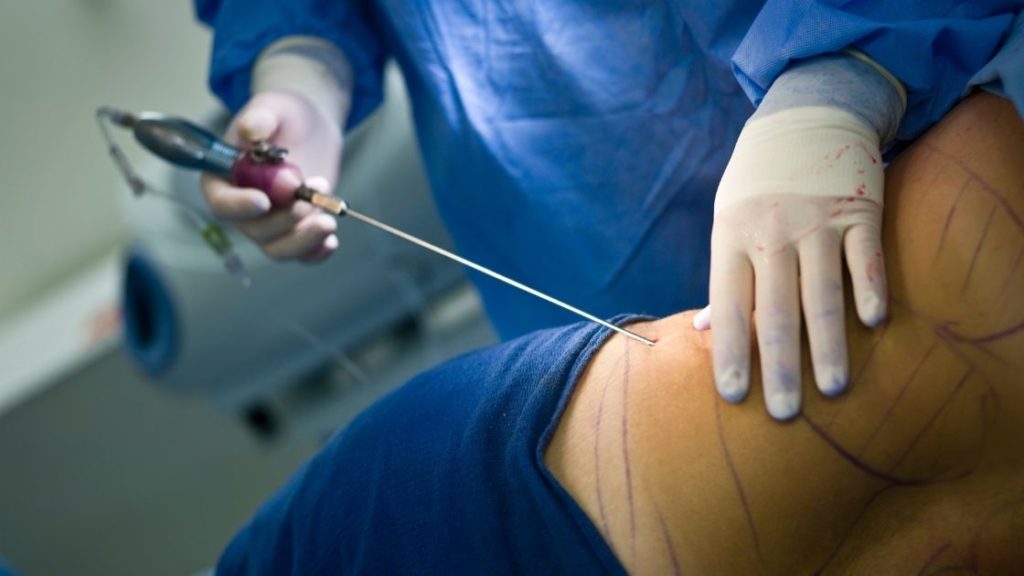
Fat grafting harvests fat by liposuction, washes or centrifuges it, then injects tiny aliquots into the breast to restore volume. Utilizing the patient’s tissue provides a natural feel and can address contour defects. Peer-reviewed publications have documented high levels of satisfaction and measurable improvement in symmetry.
Graft take is variable, so anticipate partial resorption and perhaps staged grafting. Complications include fat necrosis, oil cysts, and uneven volume. Fat grafting complements mastopexy or the Pocket Lift, where internal reshaping is complemented by fat to fine-tune shape and upper-pole fullness.
Capsular management
Capsule preservation versus subtotal capsulectomy versus total capsulectomy, with en bloc removal where the implant and capsule are removed in one unit, though this is rarely needed. Capsulectomy is indicated for severe contracture or suspected implant illness and can sometimes reduce recurrence and improve aesthetic outcomes.
En bloc capsulectomy is surgically technical and can impact healing and shape of the breast, and surgeons consider risk and benefit. Meticulous hemostasis and layered closure with absorbable fixation sutures reduce complications and preserve contour.
Breast reduction
Reduction takes out gland and skin in order to create a smaller, balanced breast. It’s warranted when loose tissue is causing irritation, or the patient desires a smaller size post-explant. It enhances nipple position and relieves back strain.
Scars and sensory changes can happen, and smokers or patients with poor blood flow might experience delayed healing.
Combined approaches
Mastopexy, fat grafting and capsulectomy together treat volume loss, skin laxity and contour in a single plan. Sequence matters: address capsule and shape first, then refine with fat grafting.
Office-based, less invasive combos can let you return to work in 3 to 5 days, whereas traditional surgery may require 1 to 2 weeks away from work and 4 to 6 weeks for full activity. Integrated plans typically produce more attractive results.
Non‑Surgical Options
Non-surgical approaches can act as replacements or complements to additional surgery for minor contour alterations or skin laxity following explantation. They strive to enhance skin texture, provide subtle volume additions and facilitate recovery. Their boundaries are obvious when tissue collapse or surplus skin is significant. Many patients wait a few months to a year and see how the breasts settle before making a decision.
Energy devices
Radiofrequency, ultrasound, and some laser platforms are commonly used to tighten post-explant breast skin. These devices heat the dermis and subdermal tissues to initiate collagen remodeling and new collagen formation, which can tighten mild laxity and refine texture over multiple sessions.
For instance, monopolar radiofrequency or microfocused ultrasound can raise the most superficial of tissues just enough to tighten mild sag and soften crepey skin. They work best for patients with decent skin elasticity and minimal amounts of loose tissue, and work less well for significant excess skin or volume loss.
As an adjunct to fat grafting or subsequent mastopexy, it can enhance skin quality prior to or following those procedures. Anticipate slow progress over months. Multiple treatments are usually necessary and some devices and some tissue respond better than others.
Skin treatments
Topicals, injectables and laser resurfacing deal with scar appearance and skin texture. Silicone gels or sheets assist new scars in maturing, retinoids and growth factor serums can enhance tone.
Laser resurfacing or fractional ablative lasers minimize three-dimensional texture abnormalities and can help smooth surgical scars when done at the right post-operative timing. Steroid injections are used specifically to treat hypertrophic or raised incisions and can reduce firmness and redness at scar locations.
Microneedling with platelet-rich plasma is another frequently used option to stimulate collagen surrounding scars and thin skin. Good moisturizing and broad-spectrum sun protection are easy, impactful actions that promote scar healing and extend the results of in-office treatments.
Some of the more popular post-explant procedures patients seek out for skin rejuvenation are fractional lasers, microneedling, chemical peels, and targeted steroid injections.
Compression and support
Supportive bras and compression garments minimize swelling and aid breasts to heal in a more uniform shape. Proper fit matters: garments should be snug but not constricting, and consistent wear in the initial weeks aids comfort and contour.
Compression can help to minimize seroma formation and encourage tissue adherence, which retains the new contour after implant removal. As you heal, transition slowly from surgical bras to properly fitted everyday supportive bras. Sudden changes put healing tissue under duress.
For non-surgical volume options, compression supports the chest as fat graft sites settle and integrate.
Outcome Modifiers
These outcome modifiers are what define the outcome and recovery following explant body sculpting. They influence how much skin retracts, scars mature, what reshaping will work and how fast a patient bounces back. Here are the critical factors surgeons evaluate and compensate for when planning explant and contouring procedures.
Age
Senior patients typically exhibit decreased skin elasticity and slower healing, which impairs the amount of natural breast redraping that can occur after implant removal. Scar maturation can be slower, and the final breast shape (sagging or ptotic) can remain longer to settle.
Plan for a longer period for settling, which may take 3 to 6 months or more. Age-related comorbidities like hypertension, diabetes, or decreased mobility amplify surgical risk and slightly alter anesthesia options or post-operative monitoring.
Age-specific strategies, such as more conservative tissue removal, staged lifts, or firmer internal support, help control expectations and reduce complication risk.
Skin quality
Evaluate for baseline skin thickness, elasticity, stretch marks, thin or fibrous breast tissue. Thin glandular tissue and attenuated skin from long-term large implants or implants 10 to 20 years old can restrict lift choices.
Some lift patterns do not hold without added support. Compromised skin increases the likelihood of permanent hypertrophic or keloid scars. Tailor choices for healthy, elastic skin; simpler mastopexy may suffice.
For poor skin, combine full mastopexy with fat grafting, dermal support, or staged procedures. Nonsurgical options such as laser, radiofrequency, or topical therapies can help skin quality but seldom replace surgery when excess tissue is present.
Body habitus
BMI, fat distribution and chest wall shape impact reshaping plans. More body fat can provide donor fat for grafting and profit from lipo-assisted contouring. Increased adiposity can increase the wound-healing time and visibility of scars.
Low-BMI patients with thin soft tissue will necessitate flap or fat grafting to prevent visible contour irregularities. Chest wall asymmetry, previous surgery scars, or pronounced pectoral muscles alter pocket behavior post-explant and necessitate adjusted undermining or fixation methods.
Expect different scar visibility and healing by habitus. Counsel patients.
Smoking and health
- Smoking or recent nicotine use, which heightens the danger of delayed healing, wound breakdown, and infection. It’s recommended that you quit at least four weeks pre-surgery.
- Diabetes and poor glycemic control increase infection and bad scar risks. Get your blood sugar pre-op optimized.
- Heart disease and clotting disorders alter anesthesia risk and DVT prophylaxis requirements.
- Obesity and malnutrition both mess with healing. Nutritional evaluation may be needed.
- Psychological health and explain reasons impact satisfaction. Anticipate mixed emotions post-surgery and provide assistance.
Recovery and Integration
Recovery after explant surgery with concurrent body sculpting follows a somewhat predictable arc but varies by individual health, surgical extent and technique. The first few days are all about rest and pain control, with the subsequent weeks encompassing wound care, gradual return to activity, and scar management. Routine clinic visits direct modifications and detect issues early.
Timeline
Week 0–1: Rest most of the time. Expect soreness, swelling, and bruising. Even short walks around the house or neighborhood need to begin the day after surgery to reduce clot risk and promote circulation.
No baths or swimming, no submerging incisions for 2 weeks. Most patients spend 1 to 2 weeks away from work depending on the demands of their work.
Week 2–4: Swelling and bruising begin to lessen. Begin longer walks and gentle daily work. Compression garments decrease swelling, enhance skin retraction, and can assist with contour.
Incisions that initially heal are fragile, so no heavy lifting.
Week 4–6: Most people return to light exercise and many work duties. Chest and breast soreness linger but dissipate. Refrain from rigorous exercise, contact sports, heavy lifting, and activities that stress the chest muscles for a minimum of six weeks.
Week 6–12+: Gradual return to full activity. Many resume usual exercise routines by four to six weeks, but strenuous activities like weightlifting or running may be delayed to two months.
Scar maturation and final breast shape continue over months, with significant changes through the first year. Final shape stabilization varies. Softening and settling may take six to twelve months, and scars mature over twelve to eighteen months.
Pain and wound care
Take your pain meds and anti-inflammatories as prescribed to keep you comfortable and moving. Take narcotics short-term if necessary and transition to non-opioid pain relief as pain subsides.
Rest and catnaps aid early recovery. Check wounds every day and change dressings as instructed by the clinic. If you have signs of infection such as increasing redness, heavy drainage, fever, or worsening pain, please call the surgeon.
Carefully clean around incisions with mild soap and water when permitted. Do not soak. Recover and integrate topical agents—silicone sheets or prescribed creams—can aid scar healing when wounds are closed.
Protect incisions from trauma and do not stretch or apply heavy pressure to healing skin.
Activity progression
Begin with brief, slow-paced walks the day following surgery and expand distance daily. By week two, you can do light household non-lifting tasks. Avoid heavy lifting or chest-straining activities for a minimum of 6 weeks to minimize wound tension and risk of complications.
At four to six weeks, start low-impact cardio and light resistance as your surgeon clears. Postpone contact sports, tennis, jogging, or serious weight training until approximately two months.
Use a checklist: walking, light household chores, and desk work early; driving and moderate activity at two to four weeks; gym and heavy tasks at six or more weeks.
Follow‑up planning
Plan visits around one week, one month, three months, and as recommended. Watch for fat necrosis, scar irregularity or late contour problems. When detected early, non-surgical or minor interventions are possible.
Modify scar and activity recommendations according to the healing process and reserve revision surgery for contour or scar abnormalities that remain after complete healing.
Risks and Comparisons
Explant surgery can alleviate symptoms from capsular contracture, implant rupture, or chronic discomfort. It introduces the expected short-term consequences of surgery: pain, swelling, and a temporary tightness that can persist for weeks. Breasts frequently appear diminished, deflated, or sagging post-implant removal and decisions such as total capsulectomy or en bloc removal alter both recovery and risk.
The following sections unpack issues, contrast integrated versus isolated strategies, and provide actionable methods to reduce risk while highlighting customized strategizing.
Complication types
- Infection: Postoperative infection ranges from superficial wound infection to deeper implant-pocket infection. It presents with redness, pain, and fever, and might need antibiotics or a return to the theatre.
- Hematoma: Blood collection can cause swelling and pain within 24 to 48 hours. Large hematomas require evacuation to prevent skin compromise.
- Seroma: Fluid pockets form after dissection. Small seromas can be watched. Larger ones need to be aspirated or have a drain placed.
- Fat necrosis: After fat grafting, small firm nodules can form and mimic malignancy on imaging. Biopsy is occasionally required.
- Wound dehiscence occurs when wound edges may separate, especially under tension or poor skin quality, which prolongs healing.
- Nipple issues: Mastopexy and capsulectomy risk nipple inversion, reduced or lost sensation, and vascular problems that can impair healing.
- Scarring and asymmetry: Visible scars, contour irregularities, or persistent double-bubble deformity can occur, particularly when skin elasticity is poor or implants are long-standing.
- Rare systemic events include pulmonary embolism from clot, severe anesthesia reactions, and exceedingly rare chronic capsule-associated squamous cell carcinoma that have been reported in long-term capsules.
Compared to standalone procedures
Explant-only surgery typically entails shorter operative time, lower immediate surgical stress, and less wound-healing complications than combined procedures. Simultaneous mastopexy or fat grafting complicate matters and lengthen anesthesia time. These operations often go from approximately two to three to four hours and increase the risk of wound-edge tension and delayed healing.
With combined techniques, the results can be more aesthetically pleasing, such as improved upper pole contour or an immediate lift, for example, but the minor complication rates are higher, with seroma, partial wound breakdown, and fat graft resorption.
Patient selection matters: smokers, patients with thin skin, or those with multiple prior surgeries face greater risk with combined plans.
| Procedure | Typical duration | Common complications | Aesthetic benefit |
|---|---|---|---|
| Explant-only | 2–3 hours | Swelling, tightness, seroma, infection | Restores baseline, may reveal sagging |
| Explant + Mastopexy | 3–4 hours | Higher wound dehiscence, nipple risk, longer healing | Immediate lift, improved shape |
| Explant + Fat Grafting | 3–4 hours | Fat necrosis, variable retention, added infection risk | Better contour, fills volume deficits |
Mitigation strategies
Careful surgical technique and soft-tissue handling has been demonstrated to decrease bleeding, seroma, and necrosis. Absorbable sutures and layered closure decrease scar tension and enhance cosmesis.
Preoperative optimization, such as quitting smoking, controlling diabetes, and improving nutrition, reduces complications. Post-operative management includes compression, graduated activity restrictions for four to six weeks, wound checks, and early scar management with silicone and massage.
Adjust plans for high-risk patients by staging procedures: perform explant first, then reassess for lift or grafting after healing. Personal risk analysis is necessary in the pursuit of secure, foreseeable results.
Unique Point of View
Explantation is just the beginning, not the conclusion, of a care strategy. This section contextualizes a patient-first approach to staging and decisions post explant deflation. It details why nuanced improvements typically lead to stronger long-term results and describes what maintenance looks like so patients can anticipate.
Patient‑centered staging
When interventions are timed to meet patient goals, life demands, and healing capacity, focus on what the patient desires first—shape, projection, symmetry—and then outline a staged plan. For the rapid return-to-work type, a more staged approach that postpones fat grafting until the swelling has subsided may ultimately fit best.
For someone else who values a single recovery above all else, combined mastopexy with pocket work may make sense. Talk willing for more than one procedure. Shared decision-making is when the surgeon goes over options such as capsule work, Pocket Lift, mastopexy, and fat grafting and explains trade-offs.
Skin elasticity and capsule condition inform technique decisions. Tight, compromised skin may require a lift initially, whereas lax skin with robust tissue may fare well with fat grafting first. Periodic review as healing progresses allows the team to adjust plans if scar behavior or tissue response varies from expectations.
Conservative enhancement ethos
Shoot for organic form and movement, not maximum size or hard edges. Minimize excision of tissue and preserve breast tissue whenever possible. This approach lowers scar burden and keeps your options open down the road.
Pick the least invasive options that achieve objectives, such as small mastopexy scars, precise fat grafting, or internal support sutures instead of broad resections. Thoughtful conservative decisions simplify and they frequently increase happiness.
Patients say there’s soft tissue that moves naturally post-explant and some maintain upper pole fullness without looking fake. Aggressive overcorrection is avoided, which benefits long-term aesthetics and minimizes the need for repeat surgery. Psychological benefits are notable: many feel more like themselves with subtle change rather than dramatic revision.
Long‑term maintenance
Teach patients realistic timelines: bruising, tightness, and swelling peak in the first two weeks. Scars soften significantly by six weeks. Substantial shape changes are evident by three months and usually stabilize by six months.
Suggest regular follow-up and monthly self-exams. Promote weight stability and specific skin care, including moisture, gentle massage, and sun protection of scars. Anticipate some small touch-ups.
Scar revisions, small fat graft boosts, or symmetry tweaks are par for the course and acceptable in long-term care. Evidence supports combined approaches. Studies show concurrent mastopexy improves aesthetic scores for shape and upper pole.
Peer-reviewed work finds fat grafting raises satisfaction and contour. Mix in Pocket Lift, mastopexy, and fat grafting when necessary to reconstruct internal framework and natural proportion.
Conclusion
Body sculpting after explant surgery deflation can provide consistent, noticeable transformation. Your body sculpting after explant surgery deflation can lead to contour and skin fit improvements by waiting for swelling to fall and tissues to settle. Surgeons often strategize by grade of deflation, skin quality, and patient objectives. Simple lifts, fat grafting, and small implants do wonders for mild to moderate volume loss. Full reshapes or large grafts fit deeper deflation or poor skin tone. Non-surgical tools assist recovery or provide additional toning, but they cannot replace surgical volumetric change.
Choose timing and technique that fit your anatomy and lifestyle. Consult a board-certified surgeon and trusted team. Schedule a consultation to plan your options, risks, and a defined recovery plan.
Frequently Asked Questions
What is “deflation” after explant surgery and how does it affect body shape?
About body sculpting after explant surgery deflation. It can lead to flattening, sagging, and loose skin that alters chest and torso contours. Evaluation directs if sculpting or lift is required.
When is the best time to consider body sculpting after explant?
Wait until swelling and healing are stable, typically three to six months. This enables precise evaluation of tissue laxity and scar maturation prior to scheduling surgical or non-surgical reshaping.
Which surgical techniques correct deflation after explant?
Typical candidates for mastopexy, fat grafting, and skin excision include individuals with specific breast volume, skin quality, and desired shape. A board-certified plastic surgeon customizes the plan.
Can non‑surgical treatments help after explant deflation?
Your only options are skin-tightening devices and targeted fat reduction. They assist mild laxity but won’t substitute surgery for substantial volume or sag. They can enhance surgical plans.
How does body type affect outcome after sculpting post-explant?
Thin patients with minimal native volume will require fat grafting or implants for volume. Patients with more skin elasticity tend to achieve superior lift and contouring results. Your own anatomy drives lifelike expectations.
What are the main risks and how do they compare to primary augmentation?
Risks include scarring, asymmetry, infection, and fat graft resorption. Beat that primary augmentation! Explant and sculpting can be trickier due to tissue changes. Selecting seasoned surgeons minimizes risk.
How long is recovery and when will final results appear?
Initial recovery is 1 to 2 weeks of light activity. Full healing takes 3 to 6 months. Final shape and grafted fat stability tend to emerge by 6 to 12 months. Follow surgeon instructions for great results.
 Directions
 Call Us
 Email Us