
Dry Needling After Body Sculpting | Tissue Healing Guide & Aftercare Tips
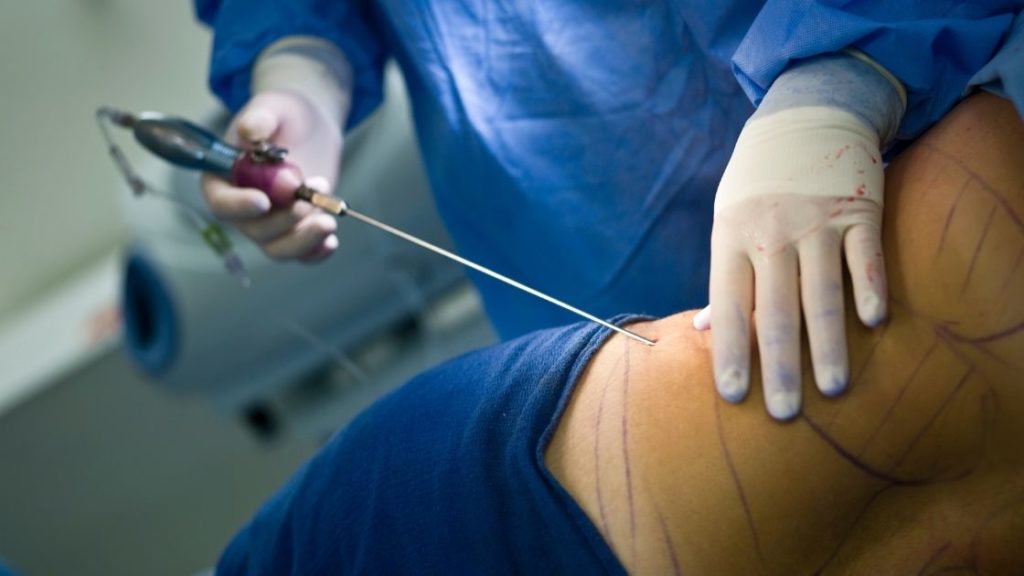
Key Takeaways
- Dry needling can assist every phase of tissue healing by controlling excessive inflammation in the early stages, by facilitating blood flow and nerve modulation, and by helping with scar remodeling to optimize tissue strength and mobility.
- Start dry needling only after initial acute inflammation and severe swelling has subsided. Customize timing to individual healing trajectory and clinical evaluation.
- Practical aftercare consists of light stretches, targeted therapeutic exercises, manual lymphatic drainage, adequate hydration, and a protein-rich, nutrient-dense diet to promote collagen production and minimize swelling.
- Anticipate temporary soreness, minor bruising, or short spasms during and following sessions. Monitor pain and tissue reaction to inform treatment intervals and modifications.
- Employ dry needling in conjunction with complementary therapies like manual therapy and lymphatic techniques for optimal outcomes. Do not use it in cases of active infection, poor wound care, or other contraindications.
Work with a qualified clinician to set realistic session numbers, monitor outcomes with pain scales and mobility measures, and adapt the plan based on healing, comfort, and functional goals.
Dry needling after body sculpting tissue healing guide – targeted needle therapy to reduce muscle tension, increase circulation and accelerate healing. Research indicates treatments administered 48 to 72 hours after the procedure can reduce soreness and assist with lymphatic drainage.
Hands-on advice includes when to schedule, average session duration and what symptoms to stop. The guide mentions bruising precautions, infection risk, and when to seek a licensed clinician.
The Healing Process
Tissue healing after body sculpting follows a predictable course that informs recovery decisions and adjunct timing such as dry needling. Inflammation occurs from days one to three, proliferation takes place from days four to fourteen, and remodeling happens over weeks two to four, with continued changes up to three to six months.
These three main phases set the biological stage for interventions, symptom expectations, and risk management. Knowing what happens at each phase guides planning care that supports healthy repair and mitigates complications like abnormal scars, chronic pain, or late functional recovery.
Initial Inflammation
The inflammatory phase is the body’s reaction to open tissue wounds at surgical or treated sites. Immune cells inundate the site and secrete cytokines and growth factors. This induces blood flow, clears debris, and initiates the repair cascade.
These mediators cause pain, swelling, heat, and redness, and soreness usually peaks 24 to 48 hours post-treatment. Controlling inflammation keeps you from growing too much scar tissue and chronic pain.
Ice for 10 to 15 minutes multiple times daily, limit activity to short gentle walks, avoid running or high-impact activity, and stay well hydrated to support cell work. If pain or swelling appears disproportionate or heat and swelling continue locally, decrease activity and see a clinician.
Practical relief strategies for initial soreness:
- Ice packs 10–15 minutes, 3–6 times daily.
- Short, gentle walks to promote circulation without strain.
- Over-the-counter analgesics as directed by a provider.
- Elevation and light compression if swelling is present.
- Hydration and protein-rich foods to support repair.
Tissue Fibrosis
Tissue fibrosis is the accumulation of excessive collagen fibers resulting in rigid, less pliable tissue. This process can lead to hard lumps, limited mobility, and chronic tightness post-sculpting. Fibrosis typically manifests in the proliferative phase as collagen is deposited, and aberrant scarring can continue into remodeling.
Dry needling can reach fibrotic bands and induce a trigger microtrauma that helps break down dense collagen and restore length and glide to muscle and fascia. In the proliferative phase, marked decreases in morning stiffness and first-step pain are often observed with needling-assisted movement.
Add in light daily stretching, active range-of-motion work, and manual therapy like soft-tissue release to relieve tension and restore mobility.
Fluid Retention
Post-sculpting fluid retention results in swelling and tightness. It is due to impaired lymphatic flow and local inflammation. Manual lymphatic drainage encourages fluid redistribution, while some gentle calf and ankle pumps encourage venous return and lymph flow.
Don’t apply tight or prolonged pressure on top of the wound, and adhere to wound-care directions to avoid exacerbating edema. If there is persistent swelling, increasing heat, or pain after activity, reduce activity and have a professional review to exclude complications.
How Dry Needling Works
Dry needling is a technique in which very thin filiform needles are used to address myofascial trigger points and muscle knots. Grounded in Western anatomy, physiology, and biomechanics, it is distinct from acupuncture in that it targets musculoskeletal pain and particular muscle dysfunction as opposed to traditional energy meridians.
Needles are usually two to three times thinner than a flu shot needle and frequently enter the skin with minimal discomfort. Research proposes three main mechanisms for its effects, though the full picture remains under study: mechanical disruption of tissue, local neuromodulation, and vascular changes that support healing.
1. Trigger Point Release
Dry needling directly targets trigger points to alleviate local pain and tension. Needle insertion into a taut band can elicit a rapid local twitch response. This twitch, which indicates that the needle struck dysfunctional muscle fibers, is key to releasing tightness.
These twitches and spasms assist in interrupting abnormal motor end-plate activity, enabling muscle fibers to relax. Clinically, releasing these trigger points frequently stops referred pain patterns and re-establishes range of motion, such as diminishing shoulder pain radiating down the arm or increasing hip rotation following body sculpting.
2. Increased Blood Flow
Specifically, needle insertion induces microvascular dilation and enhances blood flow to treated tissues. This surge of oxygen and nutrients to your muscles, fascia, and connective tissue aids in the quicker repair process following body sculpting treatments.
Enhanced circulation aids in flushing out metabolic waste like lactic acid, decreasing local acidity and soreness. Patients usually notice reduced stiffness within 24 to 48 hours, though some mild soreness following treatment is normal.
This increased perfusion can be particularly helpful by incision lines or areas of thick fat remodeling to accelerate recovery.
3. Nerve Modulation
Needling influences sensory and motor nerve fibers to lower pain intensity and improve comfort. It can activate endogenous analgesic systems and anti-inflammatory pathways, reducing nociceptive signaling.
Effects may extend to autonomic balance, modulating sympathetic activity and vagal tone to reduce stress responses that impede healing. For chronic pain, needle-induced neuromodulation helps downregulate abnormal pain amplifiers and reset dysfunctional neuromuscular patterns.
4. Scar Tissue Remodeling
Manual needling manipulation will physically break down irregular collagen and scar bands, resulting in the formation of more concentrated aligned fibers with higher tensile strength. Enhanced scar pliability and diminished pain in the vicinity of scars assist both functional and cosmetic results.
When paired with manual scar therapy, needling helps orient new collagen and breaks down adhesions that restrict movement.
5. Inflammation Control
Dry needling modulates local inflammatory responses, reducing the production of inflammatory mediators at the needle site and preventing prolonged inflammation that leads to tissue degeneration.
Utilized alongside other methods, it controls inflammation and facilitates a staged rehabilitation process. Depending on the condition, the treatment frequency varies, with many experiencing change after just one visit.
Three to six visits is typical. Drinking plenty of water post-treatment is recommended.
The Right Timing
Timing dry needling after body sculpting hinges on the stage of tissue healing and the balance between benefit and risk. Start by assessing acute inflammation signs: marked swelling, warmth, sharp pain, or bruising. These indicate the earliest phase of healing when blood flow and immune activity are high.
Introducing needles during this phase can worsen local injury or increase bleeding, so avoid needling while these signs are present. Figure out when you’re ready by observing symptoms. Most of the initial soreness and swelling from body sculpting will dissipate over the course of days.
Once these acute indicators subside and the pain transitions from stabbing to ‘dull’ or ‘tight’, dry needling can be an option. A practical rule is to wait until sharp inflammatory pain has subsided and the patient reports steady improvement over 48 to 72 hours. For most, this translates to starting work in the subacute phase, frequently three to seven days after surgery, though everyone is different.
The correct timing is influenced by several factors. Age, smoking, medications, underlying medical conditions, and nutritional status all alter tissue repair velocity. Patients on anticoagulants or with clotting disorders should have a longer wait and an experienced clinician either familiar with or consulting surgical timelines.
If the sculpting was for deeper tissue work or liposuction, then we would want a few extra days to be sure there were no fluid collections or infection. Get imaging or surgeon clearance if in doubt. Schedule sessions according to tissue demand and response. Start with a conservative single session and see what happens.
Post-needling soreness usually starts within a few hours, peaks at 24 to 48 hours, and often clears by day three. Anticipate mild soreness for 24 to 72 hours, and advise patients accordingly. Suggest light walking and desk work that day, and nothing heavy or high-intensity training for 48 hours or until soreness subsides.
Light stretching or yoga can start 24 hours post treatment, and gym work can resume after 48 hours if symptom-wise. Clear self-care rules are essential. No direct heat during this initial 2 to 4 hours while needle sites are still acutely inflamed.
Massage on treated areas should be avoided for 24 hours, but surrounding tissue may be massaged if required. Wider massage is okay once soreness decreases. Have them drink more water than usual for 24 hours after treatment to help with recovery.
If possible, avoid NSAIDS or ibuprofen and other similar anti-inflammatories for 48 hours to prevent blunting the local healing response unless medically indicated. Plan follow-ups to monitor response and to fine-tune timing. If post-needling soreness is more than usual or if there is any sign of infection, hold off on treatments and follow up with the treating clinician or surgeon.
Your Treatment Journey
Dry needling after body sculpting facilitates tissue recovery by directly addressing tight muscle bands, scar tissue and local trigger points. It can accelerate pain relief and range of motion for fibromyalgia, knee osteoarthritis, and carpal tunnel. Your treatment journey is personal; no two responses are the same. What works for one won’t necessarily work for another.
Here is a functional roadmap of what to anticipate and how care is generally staged.
- Initial assessment includes medical history, pain mapping, and range-of-motion tests.
- Skin prep and marking: cleanse and mark needle sites.
- First treatment: short session, test a few points, observe tissue reaction.
- Scheduled follow-ups modify needle targets and intensity based on response.
- Pain and function tracking: Use scales and range of motion measures each visit.
- Aftercare plan: hydration, gentle movement, topical relief, activity limits.
- Escalation or taper: add sessions or stop when goals are met.
- Complication check: Watch for persistent pain, signs of infection, or adverse events.
Before Treatment
Get the skin and tissue ready by cleaning with alcohol and marking insertion points. Go over recent surgeries, medications, allergies, and details of the body sculpting procedure so the technique matches post-procedure anatomy.
Cross check pain complaints and previous therapies to not repeat fruitless steps. Patients must avoid NSAIDs or heavy painkillers immediately prior as these can muffle important pain signals that direct needling.
Wear loose, comfortable clothing and hydrate before you arrive. Water replenishes the tissues.
During Treatment
Stab thin monofilament needles into muscle trigger points and into scar tissue when necessary. Anticipate the needle pinch to last just a few seconds; some experience a quick twitch.
Session length ranges from a few minutes to around 30 minutes based on complexity and number of sites. Practitioners might perform manual needle manipulation or low-level electrical stimulation depending on tissue response.
Maintain sterile technique throughout with gloves, single-use needles, and alcohol prep to reduce infection risk. Gauge patient responses and fine tune depth or technique on the fly.
After Treatment
Temporary soreness, mild bruising or slight swelling at needled sites is common and typically subsides within 24 to 48 hours. Use heat, creams or massage to make yourself more comfortable.
Promote targeted stretches and light movement to maintain tissue mobility and steer clear of strenuous workouts for 24 to 48 hours. Follow pain severity scales and range-of-motion measures post each session to demonstrate measurable change.
Modify the pain control regimen accordingly based on these scores and patient comments, some requiring only a single session, others requiring several treatments to achieve objectives. Keep hydrated in the days following treatment and report any sustained worsening, fever, or other unusual signs.
Beyond The Needle
Dry needling is a precision instrument in a general recovery strategy. Rooted in Western medicine and distinct from acupuncture in origin and theory, sessions are short, typically 15 to 30 minutes. Numerous patients experience significant pain relief after just a couple of visits. Some mild soreness may persist for 24 to 48 hours.
For long-term tissue recovery and to regain function, pair dry needling with treatments and lifestyle modifications that reduce inflammation, movement, nutrition, and habits.
Manual Lymphatic Drainage
Soothing manual lymphatic drainage decreases fluid accumulation and helps prevent swelling post body sculpting. These techniques emphasize light, rhythmic strokes that flow with lymph pathways, clearing metabolic waste and inflammatory mediators from the treated region.
Combined with dry needling, lymphatic work can accelerate the transition from acute inflammation to repair and decrease the feeling of tightness in surrounding muscles.
Instruct on easy self-massage sequences for at home. Brief daily sessions of similarly gentle movement keep the flow between clinic visits and are easy for most patients to learn.
Combine clinic-led drainage with practical advice. Move every 30 minutes, stay hydrated, and use loose clothing to avoid compression of lymph channels.
Therapeutic Exercise
Prescribed exercises bring back strength, flexibility, and normal movement patterns! Start with mild stretching and low-load strengthening, which are exercises that don’t stress the healing tissue. Progress as your pain subsides and your range of motion increases.
Advancement should be in line with tissue healing phases, such as isometric holds in week one, light resistance bands in week two or three, and progressing to functional bodyweight sequences.
Dry needling eliminates trigger point pain and can thus make these exercises more effective by enabling increased range of motion. Re-educate movement patterns to keep it from coming back, particularly for sitters.
Long periods of sitting can cause trigger points in many muscles. Mix ergonomic tips with movement to minimize that danger. Use simple tools: resistance bands, a small Swiss ball, or bodyweight squats and lunges adapted to comfort and stage of recovery.
Nutritional Support
Good food powers recovery. Focus on protein, vitamin C, zinc, and other cofactors for collagen synthesis and cell repair. Hydration maintains tissue suppleness and flushes inflammation ephemera.
It is recommended that patients sip steadily all day. Recommend anti-inflammatory foods: oily fish, leafy greens, berries, nuts, and whole grains. Supplements such as omega-3s or vitamin D can be useful when your diet is lacking.
Talk to a clinician about it beforehand. Key nutrients for tissue regeneration include:
- Protein (1.2–1.6 g/kg for active recovery)
- Vitamin C
- Zinc
- Copper
- Collagen or gelatin with vitamin C
- Omega-3 fatty acids
Plenty of water is essential, with a minimum of two to three liters per day, adjusted for body size and climate.
Is It For You?
Dry needling post-body-sculpting can assist in addressing the remaining tension, scar-related trigger points, and shifted muscle patterns that impede tissue repair. Determine if it is right for you by providing your medical history, any medications you may be taking, and the specific body sculpting procedure.
Consider previous bleeding disorders, anticoagulant use, diabetes with poor wound control, immune suppression, or neuropathies. Ask about pain patterns: constant burning versus focal tight bands. Focal, mechanical pain resulting from tight muscles or restricted fascia tends to respond better than diffuse, neuropathic pain.
Review recent wound status and photos or exam notes from the surgeon to ensure incisions are fully closed and that there is no active seroma or infection. Contraindications are active skin or soft tissue infection in the vicinity of the planned site, unhealed incisions, uncontrolled diabetes, clotting disorders and no reliable wound care at home.
If a patient cannot adhere to wound care or doesn’t have a caregiver, postpone invasive interventions. Patient and guardian consent when appropriate. Discuss the potential for additional sessions, as dry needling typically requires several visits to achieve significant changes.
Explain that outcomes vary. Some clients report fast gains in muscle extensibility and contractility. Others need repeated treatments combined with rehab.
Dry needling versus other pain-relief options to help you decide. Below are examples of typical trade-offs.
| Strategy | Invasiveness | Typical benefit | Time to effect | Risks |
|---|---|---|---|---|
| Dry needling | Low-medium | Improves muscle extensibility/contractility; reduces trigger-point pain | Often immediate to days; multiple sessions common | Bruising, temporary soreness, rare infection |
| Manual therapy (massage, myofascial release) | Low | Soft-tissue mobility, circulation, relaxation | Immediate to weeks | Soreness, limited depth for deep trigger points |
| Therapeutic exercise & stretching | None | Long-term strength and range; best for functional gains | Weeks to months | Slow progress if done alone |
| Topical analgesics/NSAIDs | None | Short-term pain relief | Minutes to hours | Skin irritation, systemic effects with long-term NSAID use |
| Modalities (ultrasound, TENS) | None | Symptom relief, adjunctive effect | Immediate to short-term | Minimal, evidence varies |
When you combine dry needling with exercise therapy, manual care, and behavior change, you get better results that hold up longer than either alone. Psychotherapy treatments can be added where pain persistence connects to stress or central sensitization.
This is not all physical work. Less invasive options should be attempted first when appropriate, particularly if wounds are recent or the patient has elevated risk factors.
Balance pros and cons for every single person. Reflect on age, comorbidities, wound healing ability, availability of follow-up care, and individual goals. If the goal is quicker return to activity with pinpoint reduction of muscle tension, dry needling may be appropriate.
If wounds are unstable or systemic risk is high, opt for conservative care instead.
Conclusion
Your body recovers best with consistent attention and decisive decisions. Dry needling can reduce pain, release trigger points, and accelerate soft-tissue healing after body sculpting. Begin with a trained clinician who reads your chart, checks scans, and times sessions to sync with tissue repair. Combine needling with gentle movement, focused massage, and a rest and sleep strategy. Be on the lookout for red flags such as increasing pain, fever, or abnormal swelling and seek immediate assistance if they appear.
A short plan works best: set goals, track progress in days, and tweak care based on how the area feels. Discuss with your provider about risks, benefits, and costs. Book a consult if you want a customized plan or a safe next step.
Frequently Asked Questions
Can dry needling speed healing after body sculpting procedures?
Dry needling can assist with tissue healing by promoting local circulation and decreasing muscle spasm. Proof is coming, and the outcome is individual-specific and procedure-specific. Check with your provider for a customized guide.
When is the safest time to start dry needling after body sculpting?
Most clinicians say not to dry needle until the swelling and open wounds have healed, usually one to four weeks. Follow your surgeon’s timeline to prevent infection or tearing tissue.
How many dry needling sessions will I need for best results?
Might require two to six sessions one to two weeks apart. It really depends on your healing, pain, and goals. Your clinician will adjust from there based on progress.
Are there risks to combining dry needling with recent body sculpting?
Risks are bruising, increased swelling, infection, and pain if performed too early. Selecting a skilled clinician and observing post-op guidelines minimizes these hazards.
What should I expect during a dry needling session after body sculpting?
You should anticipate brief, sharp spasms upon needle insertion, muscle twitching, and light soreness post dry needling treatment. Sessions are generally 15 to 30 minutes and have little to no downtime.
Can dry needling reduce scar tissue and improve skin texture after sculpting?
Dry needling can assist in breaking up adhesions and increasing tissue mobility, which can aid in the remodeling of the scar. These results are slow and optimal when paired with massage and movement therapy.
Who should avoid dry needling after a body sculpting procedure?
With uncontrolled bleeding disorders, active infection at the treatment site, or recent blood clots, always get the OK from your surgeon or treating physician first.
 Directions
 Call Us
 Email Us