
Electroacupuncture for Post-Liposuction Healing and Recovery – PMC
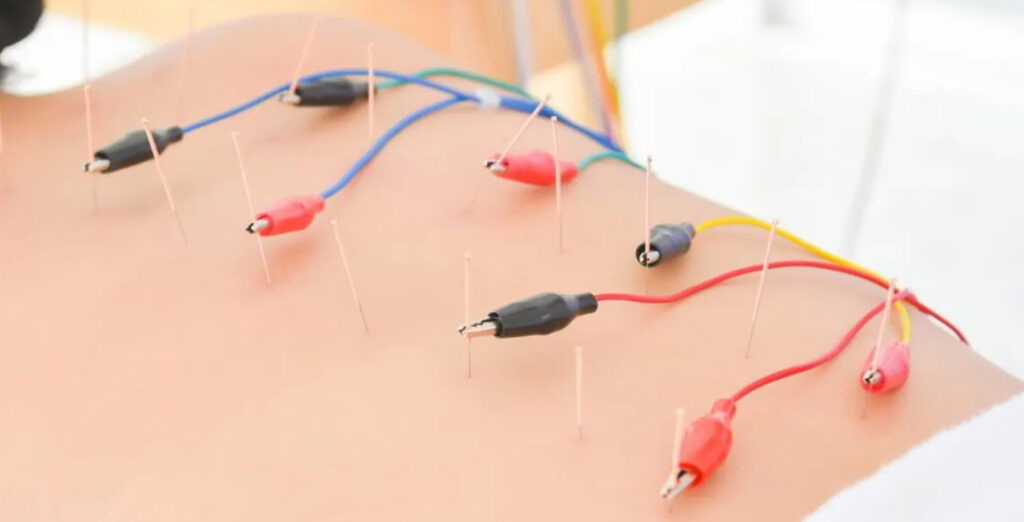
Key Takeaways
- New research reveals that electroacupuncture may reduce pain, mitigate swelling and accelerate certain forms of tissue repair after liposuction. Several small clinical trials have demonstrated these benefits, but large randomized studies are still needed.
- Electroacupuncture seems to reduce pain through endorphin release and nerve modulation and improve circulation and lymphatic drainage, which can aid bruising and edema resolution compared to passive recovery alone.
- Common protocols begin days to weeks post-surgery depending on wound status, with treatment frequency and length differing between clinics. When you follow surgeon guidance and avoid too-early sessions, you reduce risk and improve outcomes.
- Ideal candidates are stable patients without implanted electro devices or bleeding disorders. Contraindications include pacemakers, active infections, uncontrolled clotting issues, pregnancy, and certain types of immunocompromise.
- Paired with compression, manual lymphatic techniques, nutrition, and physical therapy, electroacupuncture often yields superior recovery and patient satisfaction compared to single-modality approaches. It can help maintain a positive emotional state during recovery.
- Safety reports note mild transient effects like local soreness or minor bruising, while serious complications are rare when protocols adhere to standard precautions. See qualified providers and pre- and post-treatment screening steps.
Electroacupuncture after liposuction healing research investigates if incorporating low-level electrical impulses into acupuncture can accelerate healing and decrease pain following liposuction. They measure wound healing time, swelling and pain scores, and scar quality by clinical tests and patient reports.
Research differs by protocol, timing, and device settings, with some trials demonstrating modest benefits and others showing no clear effect. Below are summaries of techniques, outcomes, and actionable implications for recovery care.
The Research Landscape
Electroacupuncture (EA) post-liposuction occupies the crossroads of age-old needling and contemporary perioperative care. Research to date is mixed in quality but promising for pain, inflammation, and functional recovery. Broader trends, like adoption of ERAS across specialties, frame EA as a complementary tool that can fit into multimodal recovery bundles.
1. Clinical Evidence
There aren’t many clinical trials on EA post-liposuction. A few small RCTs and nonrandomized studies show lower pain scores and quicker subjective return to activity, but the sample sizes are often under 100 patients. Among the outcomes measured were VAS pain scores, limb circumference for edema, time to suture removal and patient-reported satisfaction.
Designs vary; some trials compare EA plus standard care to standard care alone, others use sham EA controls. They find moderate benefit in pain and swelling in most studies, but effect sizes vary and confidence intervals are wide in smaller trials. There is a lack of larger, well-powered RCTs that use standardized EA protocols, and few studies report follow-up beyond 3 months.
2. Pain Management
EA appears to act on pain pathways relevant to post-liposuction discomfort. Trials report VAS reductions of roughly 1 to 3 points on a 10-point scale in the early postoperative period versus controls. Mechanisms cited include endorphin release, gate-control modulation of peripheral nerves, and autonomic shifts via vagus nerve regulation.
EA’s role in reducing anxiety and postoperative nausea and vomiting (PONV) may indirectly lower pain perception. Compared with standard analgesics, EA is not a replacement but can reduce opioid needs in multimodal regimens. Direct head-to-head large trials against standard care alone remain sparse.
3. Swelling Reduction
It’s been shown that EA can reduce post-liposuction edema, typically gauged by circumference measurements or ultrasound. Studies employing frequent EA sessions report visible swelling reductions within days to two weeks post-op. Protocols directed at lymphatic drainage points and common points, including ST36, have superior reported results.
Compared with compression alone, combined EA plus compression often demonstrates better short-term edema control in trials. Long-term differences are more tenuous.
4. Tissue Repair
EA might aid tissue repair via its effects on collagen synthesis and cellular repair. Small studies illustrate biomarker and imaging changes consistent with improved healing. Some trials report increases in collagen synthesis and improved dermal thickness on ultrasound or biopsy.
Comparisons demonstrate more rapid local tissue recovery measures when EA is added to usual care. Reproducibility and standardized biomarker panels are necessary.
5. Aesthetic Outcomes
Scars, skin texture, and contour irregularities data are inconsistent. Several studies find higher patient satisfaction and less dimpling when EA is included in recovery, but objective measures are scarce. More rigorous, blinded evaluations are needed to validate cosmetic advantages.
Physiological Impact
Electroacupuncture (EA) affects several biological systems post-liposuction, influencing inflammation, circulation, and nerve signaling. Below is a coarse map of the processes and markers they follow, then nut-cutting thematic mini-topics.
- Key physiological markers monitored in studies:
- CRP, IL-6, IL-1b
- TNF-alpha (tumor necrosis factor-alpha)
- Substance P and CGRP (calcitonin gene-related peptide), cortisol, and catecholamines
- Local tissue perfusion and lymphatic clearance rates
- Pain thresholds (VAS) and opioid peptide levels (enkephalin, endorphin, dynorphin)
- Rate of hematoma, seroma, and PONV
Systemic versus localized effects: EA can act locally at needle sites to change microcirculation and lymph flow, while driving systemic neuroendocrine changes. Local effects comprise enhanced perfusion and decreased edema in treated areas.
Systemic responses may include lower cortisol, reduced systemic inflammatory markers, altered central pain processing, and improved gut motility in appropriate cases. These synergistic effects distinguish EA from strictly local physical therapies.
How EA compares to passive recovery: Passive recovery relies on natural resolution of inflammation and reabsorption of fluid. EA usually demonstrates more rapid decreases in inflammatory markers, more rapid return of blood flow, and more rapid symptom relief.
Passive care may be comparable in long-term outcomes, but it is slower in the early weeks for pain and edema resolution.
Inflammation
EA regulates inflammation locally and systemically. Needling and electrical stimulation suppress proinflammatory cytokine release and encourage anti-inflammatory mediators. Research in other clinical contexts demonstrates EA decreases CRP, IL-6, and TNF-α, and enhances markers related to tissue protection.
In sepsis-associated intestinal dysfunction, EA reduced inflammatory responses and maintained intestinal function, supporting the existence of trans-organ anti-inflammatory effects. These often outpace measured reductions in IL-6 and TNF-α within days after treatment and CRP over one to two weeks.
Timeframes vary: some markers decline within 24 to 72 hours post-session, while others need repeated sessions over one week. Compared to anti-inflammatory drugs, EA can produce more gradual but wider-ranging modulation with fewer systemic side effects.
Drugs provide fast relief, and EA aids immune balance without drug concerns.
Circulation
EA enhances blood flow and lymphatic drainage through local vasodilation and stimulation of lymphatic contractility. Typical measures include doppler ultrasound, laser doppler fluxmetry, near-infrared spectroscopy, and lymphoscintigraphy.
Enhanced perfusion hastens bruising and hematoma resolution. Lymphatic clearance reduces seroma risk and decreases the duration of visible swelling. Advantages, such as quicker bruising color change and softness in days versus weeks, are notable.
Relative to manual lymphatic drainage, EA can provide comparable circulatory benefits with the additional systemic neurohormone shifts that potentially optimize the broader recovery process. Manual massage is good for mechanical fluid shift. EA overlays neurogenic and endocrine effects.
Nerve Signals
EA modifies nerve signal transmission by inducing release of endogenous opioids and modifying central pain pathways. Low-frequency EA (2 Hz) raises pain threshold by promoting the release of enkephalin and endorphins.
High-frequency EA (100 Hz) activates dynorphin via the parabrachial nucleus pathways to inhibit pain. Demonstrated benefits after liposuction include faster return of sensation, less numbness, and lower pain scores.
Mechanisms involve modulation of peripheral nerve excitability, decreased neurogenic inflammation, and promotion of nerve repair signals. Timelines demonstrate quicker sensory restoration and decreased chronic pain likelihood with EA versus no EA, frequently apparent in days to weeks.
Treatment Protocols
Electroacupuncture protocols after liposuction are built around pain control, swelling reduction, and tissue healing. Protocols combine needle placement, electrical stimulation parameters, timing, and adjunct measures such as temperature control, wound care, and analgesic plans.
Sterile technique, which involves using a 75% alcohol swab on points and surrounding skin, and standard perioperative measures, including urinary catheter use for monitoring and thermal blankets and infusion warmers to keep core temperature between 35.5 and 37.5 °C, are commonly integrated into clinical protocols to reduce variables that affect healing and pain.
Timing
Best window to initiate electroacupuncture is typically within 24 hours post-surgery. Some studies feature one treatment within 2 hours pre-op and repeated treatments post-op. Immediate preoperative stimulation may decrease early postoperative pain.
- Risks of too-early or too-late intervention:
- Too-early (during high bleeding risk) may increase local bleeding, hematoma, and interfere with dressings if not done with care.
- Too-early (within first hour) without sterile prep raises infection risk.
- Too-late (after inflammatory peak) may blunt benefits for edema reduction and scar modulation.
- Delayed start beyond 72 hours tends to reduce analgesic and swelling benefits observed in trials.
Immediate treatment within 2 hours pre-op and early postoperative sessions tends to reduce opioid need and early pain scores. Delayed treatment starting day 3 to 5 may help persistent swelling and mobility but shows slower pain improvement.
Studies report faster pain decline and lower rescue analgesic use when initial sessions occur within the first 24 hours.
Frequency
Recommended session frequency varies by clinic. Daily sessions for the first 3 to 5 days, then every 48 to 72 hours for 2 to 3 weeks is common.
Daily treatment generally results in faster diminishment of pain scores and swelling. Treatment once a week or once every two weeks is great for maintaining gains, but manifest improvement is slower.
Diminishing returns creep in once you get to more than a day between sessions for long stretches. Effects level off after approximately 7 to 10 consecutive days for many patients, and too frequent stimulation contributes nothing but cost and burden.
Compared to adjunct therapies, such as manual lymphatic drainage and compression garments, electroacupuncture combines well with daily early sessions and less-frequent maintenance. Manual therapies often involve daily hands-on care for similar edema control.
Duration
Treatment Protocols Typical session length is 20-40 minutes per visit. This will be a 5 to 14 day course for acute care and as long as 6 to 8 weeks for extended rehab.
Short protocols (1 pre-op and 5 daily post-op sessions) demonstrate rapid pain decreases and reduced opioid use. Treatment protocols for long-term scar and fibrosis management.
Patient comfort and adherence favor shorter, predictable sessions. Extended appointments need explicit definition and scheduling leeway.
Published protocols differ: some use seven sessions over 5 days including a pre-op session. Others do daily for 10 days then taper. Protocol selection should be appropriate to objectives and patient tolerance.
Patient Suitability
Patient selection for electroacupuncture (EA) after liposuction requires clear, reproducible criteria. Candidates should be evaluated on surgical factors, baseline health status, and recovery goals. In trials and protocols, suitability often mirrors broader enhanced recovery pathways: standardized perioperative care, objective outcome measures, and defined follow-up windows.
For context, large studies in abdominal surgery involving 560 participants have used randomized allocation to multiple EA and transcutaneous electrical acupoint stimulation (TEAS) arms with ERAS-standardized management, systematic assessment of postoperative complications, and follow-up at seven and fourteen days. This structure shows the level of rigor expected when selecting post-liposuction patients for similar interventions.
Ideal Candidates
Best candidates are otherwise healthy adults who underwent uncomplicated liposuction yet want to accelerate return to baseline function. Best results are in non-smokers, those with BMI in a moderate range, and patients without poorly controlled chronic illness.
Younger to middle-aged adults typically exhibit more rapid tissue repair and a more robust physiologic response to neuromodulation. Skin elasticity and Fitzpatrick skin type are important for scar behavior and fluid shift, but do not themselves preclude EA.
Active infection at treatment sites, recent thromboembolic events, unstable cardiovascular disease, uncontrolled diabetes, and known severe bleeding disorders are some of the exclusion criteria. Compared with the broader liposuction population, optimal EA candidates tend to be at lower perioperative risk, exhibit better baseline mobility, and demonstrate more robust follow-up adherence.
Influencing Factors
Everyone responds differently based on genetics, lifestyle, and surgical approach. Genetics related to inflammation and wound healing influence results. Lifestyle factors such as nutrition, sleep, alcohol, and smoking modify inflammation and tissue perfusion.
Surgical factors like the amount of liposuction, tumescent fluid, and simultaneous procedures alter local tissue injury and thus potential advantage from EA. Pre-existing conditions such as peripheral neuropathy, autoimmune disease, or coagulopathy alter impact size and safety profile.
Relative to other recovery modalities, such as manual lymphatic drainage, compression garments, or low-level laser therapy, EA’s potency is more reliant on neural and inflammatory set points and less based on mechanical tissue support.
Contraindications
Absolute contraindications are pacemaker or implanted defibrillator, active systemic infection, or unstable bleeding disorders. Relative contraindications include pregnancy, immunosuppression, uncontrolled anticoagulation, and skin lesions at needle or electrode sites.
Patients with pacemakers are at risk for arrhythmia from electrical stimulation, while those with bleeding disorders risk hematoma from needle insertion. Pregnant patients and severely immunocompromised individuals need additional caution or different treatments.
Compared with standard acupuncture, EA introduces device-related exclusions, such as electrical implants, and waveform considerations, rendering pre-treatment screening more rigorous.
An Integrative Approach
An integrative approach combines electroacupuncture with established post-liposuction care to target pain, swelling, mobility, and tissue recovery in parallel rather than in isolation. This model layers therapies to speed up pain relief, lower analgesic needs, and address both physical and emotional recovery.
Evidence shows acupuncture as part of a combined plan can reduce pain scores after surgery, and some patients retain about 85% of those pain relief benefits a year later. Typical early schedules use 3 to 6 sessions in the first month. One practical plan is 3 sessions in week one, 2 sessions per week for the next three weeks, then once weekly in the final week.
Complementary Care
Supportive therapies commonly combined with electroacupuncture are manual lymphatic drainage, therapeutic massage, compression garments, graded physical therapy, and targeted skin treatments like silicone or topical peptides. Each plays a role: manual lymphatic drainage reduces edema, compression controls contour and supports tissue adaptation, and physical therapy restores range of motion and gait.
Nutrition and hydration are fundamental, with sufficient protein, vitamin C, zinc, and fluids supporting collagen synthesis and minimizing infection risk. Rest matters: sleep and short, frequent periods of low-intensity movement lower clot risk and help circulation.
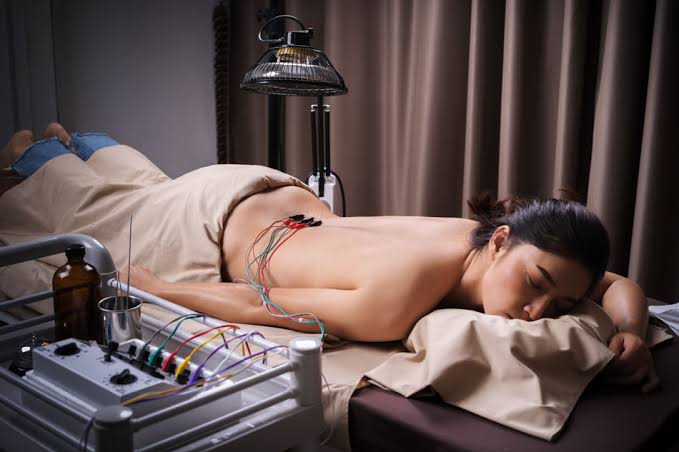
Topicals and supplements help results. Topical arnica or bromelain is used by some clinicians to reduce bruising. Supplements such as omega-3s, vitamin D, and collagen peptides are usually advised, but timing is key. Don’t begin potent anticoagulant supplements right away post-op.
Combining therapies yields different profiles. Electroacupuncture plus manual drainage focuses on swelling and comfort, while electroacupuncture plus physical therapy prioritizes mobility and functional return. Choice varies based on the patient’s goals and surgical considerations.
Psychological Well-being
Electroacupuncture’s emotional healing effects are a byproduct of its modulation of pain pathways and autonomic balance, which decreases post-operative anxiety and stress. Patients often mention decreased acute anxiety and less stress muscle tension in the weeks after treatment.
Mood and self-confidence improvements are often observed, especially when visible recovery coincides with symptom alleviation. Among the reported reductions were lower anxiety and depressive symptom scores relative to baseline and improved sleep quality in some instances.
Compared with conventional care alone, integrative plans that include additional acupuncture often demonstrate faster subjective comfort and greater patient satisfaction. This may reduce time to return to activity and promote compliance with rehabilitation exercises, which further enhances outcomes.
Long-term Benefits
Months later, following integrative therapy, gains are persistent with reduced chronic pain, healthier scar texture, and increased contour stability. A few studies indicate fewer late complications and fewer repeat interventions when acupuncture is involved in the plan.
Permanent effects on skin quality, firmer tone, and reduced irregularity stem from enhanced local circulation and decreased fibrosis. Versus typical rehabilitation, integrative care potentially necessitates fewer long-term visits and less systemic pain relief.
Rare, mild side effects from acupuncture happen, but overall safety is good compared to many pharmacologic alternatives.
Safety Profile
Electroacupuncture after liposuction blends traditional acupuncture with gentle electrical stimulation. This section reviews described side effects and adverse events, provides incidence rates, describes safety precautions in clinical use, and contrasts safety profiles with other post-liposuction interventions.
Side effects and adverse events reported are minor. Common complaints are local pain at needle sites, mild bleeding, bruising, and hematoma formation. These reflect what is observed with traditional acupuncture. A systematic review of case reports found pain, bleeding, and hematoma to be the most common complications.
Less frequently reported problems in the literature include transient dizziness, nausea, and localized infection if sterile technique is not observed. Serious adverse events, such as organ injury or persistent nerve damage, are rare and not typically reported in electroacupuncture for post-surgical recovery.
The rates of minor and serious complications are low. Estimates of serious adverse events from acupuncture generally hover somewhere between 0.03 and 0.3 per million treatments. Minor events, such as bleeding, bruising, and pain, happen more frequently but are still rare when treatment adheres to best practice.
Precise post-liposuction incidence in large trials is not well characterized, but minor complications have been reported in the single- to low-double-digit percent range in small studies and case series, while life-threatening events remain close to the very low general estimates.
Safety measures implemented during treatment reduce these risks. Trained practitioners using disposable sterile needles reduce infection risk. Proper skin prep and avoiding needle placement in areas with active skin infection or recent surgical compromise limit complications.
Patient screening is essential. People with bleeding disorders, those on anticoagulant therapy, or with uncontrolled diabetes need individual risk assessment or alternative plans. Practitioners should use appropriate needle depth and angle near recent surgical sites and apply electrical stimulation at low, titrated current with continuous patient feedback.
Monitoring during and after sessions helps catch early signs of adverse reactions. A brief safety profile comparison below. The table below compares electroacupuncture with manual acupuncture, compression garments and lymphatic massage, which are standard post-liposuction treatments, on standard side effects, infection risk and rates of serious complications.
| Intervention | Typical minor side effects | Infection risk | Serious complication rate |
|---|---|---|---|
| Electroacupuncture | Pain, bruising, mild bleeding, transient dizziness | Low with disposable needles | Very low (≈0.03–0.3/million treatments) |
| Manual acupuncture | Pain, bruising, mild bleeding | Low with sterile technique | Very low, similar to electroacupuncture |
| Compression garments | Skin irritation, pressure marks | Extremely low | Low, if used improperly can restrict circulation |
| Lymphatic massage | Soreness, temporary swelling | Low | Low, contraindicated with active infection |
Conclusion
Electroacupuncture might accelerate healing after liposuction. Research finds decreased swelling, reduced pain, and accelerated tissue healing for certain patients. Clinicians are seeing improved fluid drainage and reduced bruising when they incorporate short, targeted sessions of electroacupuncture into standard care. The best candidates are those who do not have an active infection, no implantable devices, and embrace needle therapy. Providers configure session length, current, and points to align with the surgery location and healing phase. Consider electroacupuncture within a plan that incorporates wound care, movement, and nutrition. Validate with credentials and track results through photos and easy scales. For a concrete next step, discuss incorporating electroacupuncture into your recovery strategy with a licensed practitioner or your surgeon.
Frequently Asked Questions
Can electroacupuncture speed up recovery after liposuction?
Electroacupuncture might reduce pain and swelling after liposuction in some small clinical studies. There is limited evidence. Consult your surgeon and a licensed acupuncturist before incorporating it into your recovery regimen.
How does electroacupuncture work physiologically after liposuction?
It utilizes low-level electrical pulses administered through needles to modulate nerve signaling, encourage local blood flow, and minimize inflammation. Mechanisms for post-liposuction healing are implied but not definitively.
What treatment protocol is commonly used after liposuction?
Protocols are different. Common protocols employ sessions two to three times per week for one to three weeks, twenty to forty minutes each. Adhere to your practitioner’s and your surgeon’s advice on when it is safe.
Who is a good candidate for electroacupuncture after liposuction?
Candidates are adults approved by their surgeon, with no bleeding disorders, pacemakers, or active skin infections. Pregnant people and those with certain implants should avoid it. Always receive medical clearance prior.
What are the main risks and side effects?
Small risks are bruising, soreness, infection at needle sites, and temporary numbness. Serious complications are very rare with a good practitioner. Choose licensed providers using sterile technique.
Can electroacupuncture replace standard post-operative care?
No. It should be a supplement, not a replacement, for compression garments, wound care, pain management, and follow-up with your surgeon. Use it only within an integrative plan approved by your care team.
How strong is the scientific evidence supporting electroacupuncture after liposuction?
The evidence is preliminary and mixed. Small trials and case reports indicate benefits, but well-designed randomized studies are few. For now, think of it as experimental and listen to your clinicians.
 Directions
 Call Us
 Email Us