
Flank and Love Handle Liposuction: Procedure, Candidacy & Recovery

Key Takeaways
- Flank liposuction sculpts your love handles for a slimmer, more sculpted waist and is ideal for those stubborn pockets of fat that just won’t respond to diet and exercise. Bring expectations back in line with reality.
- Select technique according to fat quantity and skin quality, including tumescent, vaser, and laser-assisted techniques that provide greater sculpting control and quicker healing.
- Best candidates are at a stable weight, in good health and have adequate skin quality to contract following fat extraction. A physical exam assists to confirm suitability.
- So yes, anticipate the whole pre-op markings, small incisions, targeted suctioning, contouring, compression garments, healing, and symmetry formation rigmarole.
- Stick to a defined aftercare regimen with ongoing compression during week one, a gradual return to light activity in your first month, and consistent weight and exercise for long term results.
- Know risks like contour irregularities, sensory changes, infection, or hematoma and budget for the procedure, garments, meds, and potential touch-ups.
Liposuction for flanks love handles sculpting is a cosmetic surgery that removes fat from the sides of the waist to create a slimmer silhouette. It’s a liposuction procedure that uses either suction-assisted or ultrasound-assisted methods to contour the flank area and target stubborn fat deposits.
Ideal candidates possess stable weight and good skin elasticity. Recovery depends on technique but typically involves restricted activity for a few weeks and subsequent visits to observe healing and results.
Understanding Flank Liposuction
Flank liposuction is a focused fat removal treatment for the waist’s sides, known as love handles. It treats flanks, which are persistent fat pockets that can be resistant to diet and exercise, in an effort to sculpt a defined waistline and a more streamlined side profile. Unlike larger body contouring procedures, flank liposuction directly targets the flanks with the goal of smoothing out the transition between the abdomen and the back and getting your clothes to hang more naturally.
1. The Goal
The goal is to eliminate bulges of fat on the flanks such that your waistline is tighter and more defined. Flank liposuction addresses these local bulges and can help bring the side profile into better proportion with the rest of the torso.
Surgeons strive to highlight the natural transition lines of the abdomen, the waist, and the back so the outcome appears more balanced than excessive. Setting realistic goals matters: patients with a stable weight and a BMI generally in the low to mid 30s or less tend to get the most predictable outcomes.
A consult allows the surgeon to tailor the plan to the patient’s anatomy and expectations.
2. The Techniques
Popular methods for flank sculpting include tumescent liposuction, VASER (ultrasound-assisted), and SmartLipo (laser-assisted). Using small incisions and narrow suction cannulas, typically 1 to 3 millimeters in diameter, surgeons can perform precise fat removal.
Dr. Kimmel’s choice of technique depends on your fat volume, skin elasticity, and the final degree of refinement you prefer. Suction assisted methods remove bulk fat quickly. Ultrasound and laser can break down fat and sometimes help tighten skin, but they add cost and alter recovery.
3. The Technology
Ultrasound energy (VASER) and laser-assisted (SmartLipo) devices, which liquefy fat cells prior to suction, allow for a smoother, more selective removal. These technologies restrict trauma to surrounding tissue, which can decrease bruising and swelling in comparison to older techniques.
Today’s technology allows surgeons to carve more precise, smoother contours, enhancing your side profile and the way your clothes fit. Technology has a say in recovery — less tissue trauma means a quicker return to light activities.
4. The Sensation
Anesthesia keeps the procedure painless, though patients can sense pressure or movement. Following surgery, there may be mild pinching, numbness, tenderness, and even some cramping during nerve healing.
Sensation typically returns over weeks to months, though some temporary numb patches can linger and tend to get better. Observe for unexpected or persistent pain and mention it to your doctor during follow-up.
5. The Outcome
Effective flank liposuction leaves you with a defined waistline and diminished love-handle volume. Results become increasingly defined as swelling subsides, with the ultimate form typically apparent by the three-month postoperative mark.
Results vary based on skin elasticity, fat distribution, and post-care compliance. While targeted exercise develops muscle, it won’t spot burn fat, so liposuction addresses your trouble spots where diet and exercise can’t.
Anticipate no strenuous activity for four to six weeks and return to office work with breaks by week one. Save pre and post photos of yourself to guide and inform surgeon discussions prior to operating.
Candidacy Assessment
Flank (love-handle) sculpting candidacy starts with a quick goals, health, and realistic outcomes run-down. This is where we dissect the major criteria for deciding if liposuction or noninvasive alternatives like CoolSculpting are suitable for a candidate.
Skin Quality
Assess skin elasticity to predict how skin will retract after fat removal. A provider will pinch and stretch the skin and may photograph the area to judge tone. Healthy, resilient skin usually yields a smoother contour after lipo. Less elastic skin can show rippling or sagging.
Marked laxity or poor tone typically translates to incorporating surgeries like abdominoplasty or a skin-tightening therapy. Age, sun damage, and earlier weight cycling are all examined. For instance, a 45-year-old with decades of sun damage and former yo-yo dieting might require additional skin work.
Skin quality impacts CoolSculpting candidacy as the treatment freezes subcutaneous fat but hopes skin recoils. If pinchable fat is too great, you may be advised to lose weight before CoolSculpting.
Body Proportions
Judge flanks in relation to abdomen, hips, and back for a harmonious outcome. Isolating fat removal to just the love handles can look strange if the waist, hips, or back aren’t taken into account. Providers examine oblique and side profile photos to design symmetry and estimate the waist to hip ratio shift.
Think about the buttock shelf and how flank reduction really helps it. Slimming the flank can make the hip or buttocks look fuller and alter the way your clothes fit. Examples help: a person with broad hips and modest flanks may need targeted abdominal contouring too, while another with excess back fat might require additional liposuction zones.
Planning includes visual simulations and a conversation about ratio goals, as excessive removal can warp the natural lines of the torso.
Health Status
| Evaluation Criteria | Details |
|---|---|
| Weight stability | At or near ideal weight preferred; regular exercise and healthy diet |
| Medical screening | Check for pacemakers, defibrillators, drug pumps |
| Chronic conditions | Uncontrolled diabetes, heart disease, or active infections exclude candidates |
| Fat type | Subcutaneous vs visceral fat; visceral fat not amenable to lipo or CoolSculpting |
| Skin issues | Active dermatitis or severe scarring in the area excludes treatment |
Patients need to be close to goal weight and dedicated to continued diet and exercise. A consultation is needed to determine body shape and expectations. Candidacy, basic cost, and personal goals direct if liposuction or CoolSculpting is a better fit.
Visceral fat or uncontrolled medical issues would typically eliminate both possibilities.
The Sculpting Process
The sculpting process for flank (love handle) liposuction is a staged clinical pathway: pre-operative planning, the operative steps, and proactive post-operative care. Thoughtful design and artistry count because every body is unique. Anatomy, skin tone, and fat distribution all influence decisions and results.
Pre-Operative Markings
Surgeons mark the flank zones while the patient sits in conventional positions to designate fat pockets and natural transition lines. These lines indicate areas where fat removal will dissipate into untreated zones and maintain symmetry when the patient shifts or adjusts position.
Landmarks such as the iliac crest, lower rib margin, and anterior superior iliac spine are identified for utilizing liposuction, avoiding unevenness near bone. Incision locations are mapped out to land in inconspicuous areas along natural folds or just within the bikini line to maintain scar visibility to a minimum and predictable.
Anesthesia and Incisions
Choice of anesthesia depends on how much work is planned: local with sedation or tumescent for smaller areas, and general for broader or combined procedures. Small stab incisions, typically 2 to 4 mm, are located at positions determined by where the cannula needs to slide into the subcutaneous layer with as little skin trauma as possible.
Patient comfort and safety are our top priorities, and careful monitoring and fluid management keep you complication free. Smaller incisions assist in more rapid healing and reduce the risk of contour issues when properly placed and closed.
Fat Removal
A thin cannula is glided in a fanning pattern to sculpt away the fat while preserving muscle and skin. Surgeons vary motion and suction for fibrous areas, switching to stronger or laser-assisted devices when tissue resists.
The objective is a consistent, cautious scaling back, not extreme trimming. You can build too much out and cause divots or an imbalanced look. Teams gauge rough volumes and symmetry throughout the case, stopping to compare sides and blend transitions.
Contouring and Closure
We do the final shaping by palpation and visual checks, smoothing the flanks to create that natural waist curve. Incisions are closed with fine sutures or adhesive strips to reduce scar volume.
A compressive garment is immediately applied to minimize swelling and support the new contours. Post-op protocols involve gentle massage, silicone for scars, sun protection, and staged activity ramp-up.
Most swelling and soreness subside by 3 to 6 weeks. Patients typically resume normal activities by 4 to 6 weeks, with the final softening and definition occurring between months 3 and 6. New methods minimize bruising and downtime, but patience and good aftercare are still necessary.
Recovery and Aftercare
Flank liposuction recovery differs from patient to patient but happens in typical phases that influence comfort, swelling, and resuming activity. Here below is a practical checklist of what to expect and how to care for the treated area from day one to long-term healing.
- The immediate steps (day 0 – 3).
- Anticipate some moderate swelling, bruising, and mild discomfort. Pain can manifest as burning or soreness and is typically most intense during the initial 48 hours.
- Walk that day to fend off blood clots and aid circulation. Short, frequent walks are best.
- Wear a compression garment at all times to manage swelling and provide tissue support. Compression can ease your pain and promote faster healing.
- Use pain medication as prescribed; most transition to OTC pain relievers within a few days.
- Monitor for fever, spreading redness, increasing pain, or abnormal drainage as signs of infection.
- Early recovery (days 4-14).
- Maintain compression and gradually increase activity. No heavy lifting or strenuous exercise for two to three weeks.
- Bruising typically subsides within one to two weeks as well as most of the swelling.
- Keep incision sites clean and dry; follow surgeon directions for showering and wound care.
- Make the first post-op follow-up to check healing and possible suture removal.
- Moderate recovery (weeks 2–4).
- Resume regular activities and light exercise as tolerated, such as brisk walking and gentle core work after clearance.
- Compression is typically advised over the course of a few weeks to contour the waistline and prevent fluid accumulation.
- Significant contour enhancements may become apparent once swelling subsides, typically within a few weeks.
- Arrange visitations to see how you’re doing and attend to any problems such as numbness or irregularity.
- Long-term care (3–6 months).
- It takes three to six months to fully heal and for final results to present.
- Slight swelling can last for a few months, and it can take time for the skin to regain its firmness and sensation.
- Keep up a stable weight and exercise routine to help maintain results. Liposuction removes areas of fat cells, but it is not going to prevent you from gaining weight in the future.
- Record your progress through photos every few weeks, as well as measurements around the waist to quantify changes.
Practical tips for comfort and best results:
- Sleep slightly elevated the first week if instructed.
- Apply cold compresses for a short period in the first days to reduce swelling, never directly on the skin.
- Maintain a healthy diet and hydration to assist tissue repair.
- Call your clinic for any acute or deteriorating symptoms.
Risks and Realities
Flanks and love handles liposuction can transform body contours, but it comes with risks, realities, and limitations that are important for decision making. Knowing what can go wrong, what to expect during your recovery, and how lasting the results are goes a long way in setting your expectations. The most frequent problems have to do with fat extraction and the reaction of the skin and tissues.
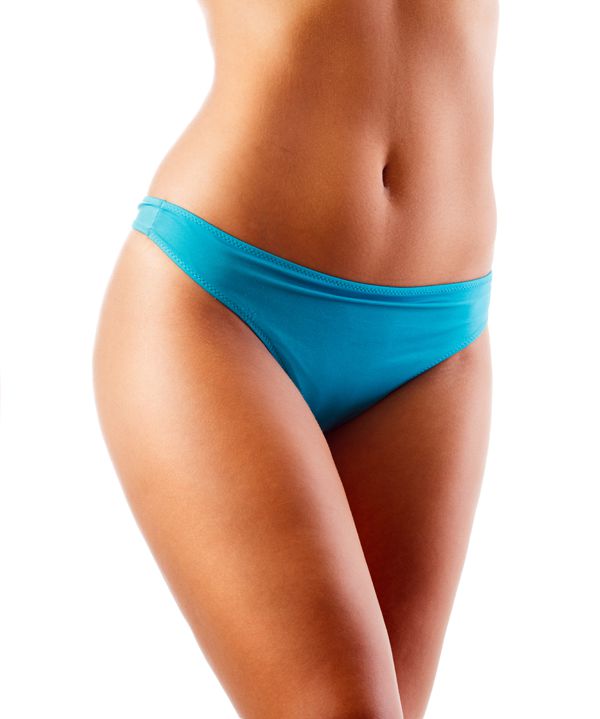
Uneven suction and contour irregularities occur when fat is taken out unevenly or the skin doesn’t contract well. This may cause ripples, unevenness, or indentations. Skin quality, including elasticity and thickness, determines the final appearance. Older patients or those with more stretched-out skin may experience less tightening, and some sagging might be permanent unless addressed with additional surgery like fat grafting or skin excision.
Sensory changes are common, with numbness, tingling, or altered sensation around the incision sites and treated area persisting for weeks to months, infrequently longer. Temporary pockets of fluid called seromas may occur under the skin after liposuction. These might need drainage in clinic and can delay healing. Inflammation and swelling may take up to six months to subside, and small amounts of clear fluid may continue to ooze from incisions in early recovery.
Severe bruising is typical and can persist for a few weeks. Hematoma, which are larger blood collections, are less frequent but might require immediate care. Know the uncommon but serious complications. Infection is quite rare with good technique and antibiotic cover and can necessitate surgical washout. Wound healing problems or skin loss can occur, particularly in smokers or those with medical comorbidities.
Blood clots in the legs or lungs are a rare but serious risk following any surgery. Patients on routine aspirin or anti-inflammatory medication need to discontinue them at least two weeks prior to surgery in order to decrease bleeding risk. This must be discussed with their surgeon and prescribing clinician.
Practical recovery realities: Patients under general anesthesia typically spend the night in the hospital, while procedures under local anesthesia may permit same-day discharge. It could be several weeks until patients can resume normal activities, with a gradual reintroduction to exercise recommended only after clearance. Results typically endure for quite some time as long as weight is maintained, but skin loses tautness with age, so appearance can shift over the course of years.
Potential risks and side effects:
- Uneven fat removal and contour irregularities
- Numbness or altered sensation, sometimes prolonged
- Seroma formation requiring drainage
- Swelling and inflammation lasting up to six months
- Severe bruising for several weeks
- Infection or wound-healing problems
- Hematoma or significant bleeding
- Deep vein thrombosis or pulmonary embolism
The Lifetime Commitment
Flank or love handle liposuction delivers fast, tangible change because fat cells are physically eliminated. Results last; those fat cells don’t come back, but the shape can shift if you gain weight later. This part describes what to anticipate outside of the OR and how habits, wealth, and mentality factor into permanent effects.
Financial Investment
| Region / Clinic Type | Typical Cost (USD) |
|---|---|
| High-cost urban clinics (e.g., major cities) | 4,000–8,000 |
| Mid-cost regional clinics | 2,500–5,000 |
| Lower-cost or smaller-market clinics | 1,500–3,000 |
| Add-ons (local anesthesia, advanced tech) | 300–1,200 |
Your clinic decision impacts both cost and experience. Understand that you get what you pay for. Compare surgeon credentials, facility accreditation, and follow-up care when budgeting.
Factor in expenses for compression garments, which usually cost between $30 and $150, pain or antibiotic prescriptions, which range from $20 to $100, and initial check-ups or scans. Budget some additional cash for a ‘touch-up’ should unevenness surface down the road. These tend to cost less but need to be incorporated into the plan.
Lifestyle Integration
Pair consistent exercise with a healthy diet to maintain the new shape. Strength work for the core and hips keeps you toned. Think of two to four dedicated sessions a week in addition to your cardio.
Avoid large weight swings. A 5 to 10 percent bodyweight gain can alter waist definition and bring back bulges in untreated areas. Tiny daily changes, such as regular sleep, better eating choices, and fewer sweetened beverages, fuel lifetime control.
Give yourself some tangible goals to work towards after you’ve been healed, like being in a certain weight range or fitting into a cherished pair of pants. These specific goals are easier to monitor and avoid settling for a less-than-stellar performance once you see those initial post-op results.
Psychological Shift
Anticipate a surge of confidence as the waist in slimming and torso-hip definition sharpens. Patients, many of them, notice a better fit in clothes and a greater willingness to wear fitted styles.
Each one hits me differently, emotionally. Some experience instant gratification, while others require weeks to acclimate themselves to the new silhouette. Relax. Bruising and swelling can disguise final contours for a few weeks and it may take your mind a while to catch up with your body.
Celebrate milestones: first week back to routine, first workout, or first time wearing a desired outfit. These small victories reinforce positive change and help habits grow that keep the results grounded.
Conclusion
Liposuction for flanks love handles sculpting is appropriate for adults close to their desired weight who desire a tightened side profile and have healthy skin elasticity. It utilizes small incisions and targeted suctioning to sculpt. Recovery is days to weeks. Pain and swelling subside with rest and easy care. Scars remain small and discreet. There is a risk of uneven contour, numb spots, and fluid buildup. It is suitable for long-term results only with continued diet and exercise. A straight discussion with a board-certified surgeon and no-frills photos help establish objectives. If you want a firmer waist and understand the constraints, schedule a consult to discuss possibilities and anticipated outcomes.
Frequently Asked Questions
What is flank liposuction and how does it target love handles?
Flank liposuction eliminates fat deposits on the sides of the waist. It sculpts ‘love handles’ by breaking and suctioning fat cells and improves waist contour. It doesn’t address loose skin or substitute for good weight loss strategies.
Who is a good candidate for flank liposuction?
Great candidates are within a reasonable range of their ideal weight, have localized flank fat, good skin elasticity, and realistic expectations. A medical checkup and good health are necessary to be considered safe and appropriate.
How long does the sculpting procedure take and what techniques are used?
The surgery usually lasts 1 to 3 hours, depending on the size. Surgeons employ tumescent, ultrasound-assisted, or power-assisted liposuction to loosen and extract fat for more seamless contours.
What should I expect during recovery and aftercare?
You should anticipate swelling, bruising, and mild pain for a week or two. We recommend wearing compression garments for 4 to 6 weeks. Light activity resumes in days. Complete recovery and final contour can take 3 to 6 months.
What are the main risks and possible complications?
Risks are infection, bleeding, uneven contours, numbness, and skin irregularities. They’re rare, but serious complications can occur. Select a board-certified surgeon to minimize risks and guarantee appropriate care.
Will my results be permanent and how do I maintain them?
Fat cells are eliminated, so they’re not coming back if you maintain a stable weight. A healthy diet, regular exercise, and weight monitoring maintain contour over time.
Can flank liposuction remove stretch marks or loose skin?
No. Liposuction does reduce fat, but it is not a consistent skin tightening procedure and does not eliminate stretch marks. You might need other procedures such as skin tightening or excision for excess skin.
 Directions
 Call Us
 Email Us