
Grasping the Basics of RFAL: Radiofrequency-Assisted Liposuction Explained

Key Takeaways
- Radio Frequency Assisted Liposuction (RFAL) is a relatively new, minimally-invasive cosmetic procedure. This innovative procedure uses thermal energy to efficiently target and remove fat, as well as tighten skin, making it a powerful alternative to traditional liposuction.
- We understand the RFAL process begins with the introduction of the cannula and electrode. This powers an internal thermal field that heats the fat evenly, liquefying it, and increases collagen production for improved skin tone and elasticity.
- RFAL provides three compelling advantages that combined, make it the most attractive option for body contouring. Its precision allows doctors to target unwanted fat deposits with minimal invasiveness and scarring while also providing the added benefit of skin tightening.
- RFAL provides a quicker recovery. Most patients are able to get back to their regular routines within only 1 to 2 days, compared to the lengthy recovery times associated with traditional liposuction.
- Swelling, bruising, and temporary discomfort are normal risks. It’s important to select a skilled surgeon and be aware of your own health factors prior to getting the procedure done.
- However, RFAL is not intended for drastic weight loss. It is ideal for people who have localized pockets of fat that have been resistant to diet and exercise – your expectations for the outcome need to be properly aligned.
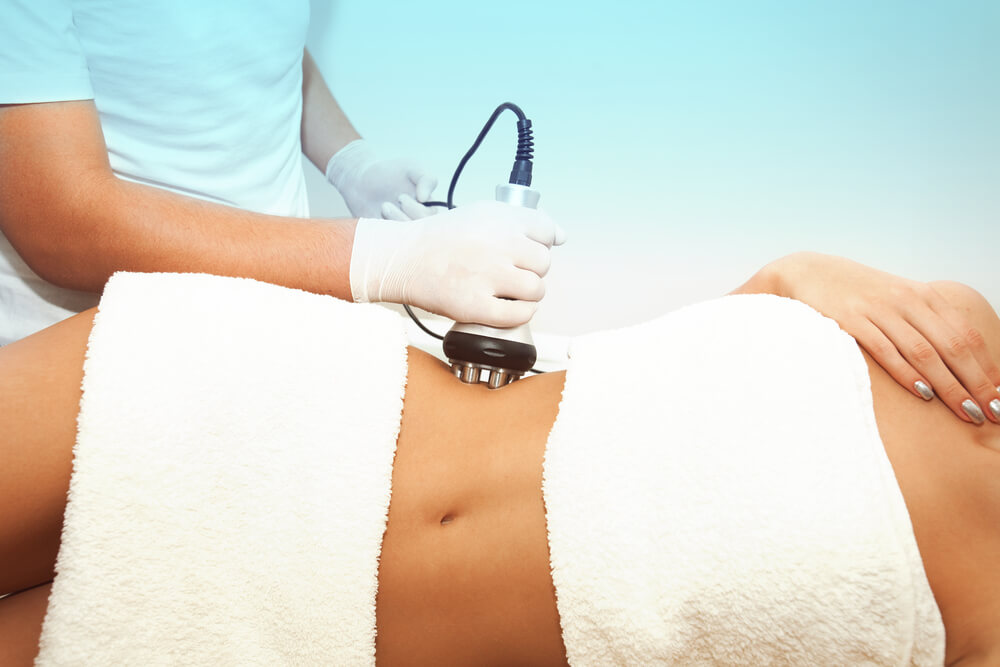
RFAL involves radio waves being sent through the skin to melt fat, which makes it easier to remove while also ensuring faster recovery.
Imagine RFAL as the younger, cooler cousin of traditional liposuction, bringing precision with less downtime.
Weigh the benefits against the risks to ensure you’re making the best decisions possible.
Our hope is to give you a clearer picture of RFAL’s process and potential, empowering you to explore this option with confidence and ease.
What is RFAL?
Definition of RFAL
Radio Frequency Assisted Liposuction, or RFAL, has emerged as one of the most innovative techniques in the world of cosmetic surgery today. You may be more familiar with it by its trade names such as BodyTite. Unlike traditional liposuction, RFAL also tightens the skin in addition to reducing fat.
This dual focus is what makes it the go-to treatment of choice for so many people looking to enhance their appearance. So, it’s not hard to understand why RFAL is taking the aesthetic medicine industry by storm. Its popularity is based on great outcomes with a low invasive profile.
Most patients return to their normal routine faster than they expect. In fact, many people go back to their everyday activities within only a few days of their treatment.
How RFAL Works
The process starts with the insertion of a very thin cannula and electrode to help form a thermal field under your skin. This is where the magic occurs. The electric current enables highly uniform heating, which is critical for consistent fat liquefaction.
This technique improves the fat removal process at the same time as stimulating collagen production. Consequently, you experience not only loss of fat but also better skin texture. It’s this dual action of RFAL that produces immediate results for so many satisfied patients.
When swelling goes down, they should allow for the best results in three to six months.
Key Components of RFAL Technology
The technology behind RFAL is as intriguing as the outcome. The major components are the cannula, electrodes and RF energy delivery system. All of these components are critical to making the procedure safe and effective.
Temperature control is an essential component to this process, ensuring safety while optimizing results. RFAL technology is very smart, automatically adjusting settings to further customize the treatment, delivering the best results possible.
The treatment procedure usually takes 1-3 hours, depending on the size and complexity of the treatment area. Though you can see immediate results on the surface, full results with the final look of results can take up to six months.
Benefits of RFAL
Here are some of the key benefits of radiofrequency lipolysis treatment (RFAL) that make it so impressive for body contouring. Its non-invasiveness leads to less scarring compared to traditional liposuction techniques, making it an appealing option for many. RFAL’s unique ability to utilize radio frequency energy not only melts fat but also stimulates collagen production, enhancing results in various body areas. Additionally, its capacity to tighten skin as fat is removed provides a complete solution for body sculpting.
The convenience of performing RFAL under local anesthesia is another significant advantage. This approach limits the need for general anesthesia, thereby reducing risks and making the procedure safer for patients. Overall, RFAL stands out as an innovative liposuction technique that combines effective fat removal with enhanced skin tightening, leading to amazing liposuction results.
In summary, RFAL offers a comprehensive solution for those seeking body sculpting without the downsides of more invasive procedures. With its ability to improve skin texture and promote tissue contraction, it is a remarkable choice for achieving desired body contours.
Enhanced Precision
RFAL offers improved precision, providing a greater ability to target specific fat deposits more accurately than through traditional liposuction. We are able to get this precision by utilizing small, precise microcannulas.
They greatly minimize chance of rippling and contour irregularities post-op. Precision is necessary to obtain the desired body contour and aesthetic outcome. Perhaps most importantly, it ensures that patients get the outcomes they hope for.
Skin Tightening Effects
The procedure stimulates collagen production, which helps to create improved skin elasticity and firmness. This leads to both fat removal and skin tightening, meaning RFAL is a total body sculpting treatment.
The improvement in appearance of cellulite is another aesthetic bonus, as the heat from the radiofrequency energy further improves skin tightening. Patients can expect to see noticeable results within a few weeks, with best results seen at about three months after the procedure.
Final results take 3-6 months to fully materialize as the treated area swells initially and then collagen continues to remodel.
Reduced Recovery Time
RFAL significantly reduces recovery time to about 1 to 2 days. This is a huge advancement compared to traditional liposuction.
This makes it possible for most patients to resume work soon after the procedure, increasing overall convenience for patients with busy schedules. With little to no downtime, RFAL is incredibly appealing.
It empowers people to realize efficient body contouring without the inconvenience of lengthy downtime. In addition, the fat cells destroyed via RFAL are permanently removed, offering long-lasting RFAL results.
Risks and Considerations
A deep dive into Radio Frequency Assisted Liposuction (RFAL) exposes its multifaceted layers. It’s very important to identify the risks and practical considerations that come with the procedure. Whatever treatment you choose, it’s important to know what the common side effects are.
The majority of patients will have temporary swelling, bruising or some degree of discomfort after treatment. In just one study, two patients had minor complications, representing about 5.4% of patients studied. Of these complications, one was a seroma that we aspirated with ease.
Even with the low incidence of complications, it is still extremely important that you consult a qualified and experienced surgeon. These trained experts provide lower risks with careful technique and adequate patient education.
Potential Side Effects
Common side effects are swelling and tenderness, which typically subside without intervention. The chances of complications such as seromas can be mitigated through proper post-operative care.
Selecting an experienced, board-certified surgeon who has a proven track record in RFAL will help to greatly reduce these risks. By making this choice, we’re following best practices and industry standards for patient safety, resulting in more predictable outcomes.
Suitability for Candidates
The best candidates for RFAL are individuals who have fat deposits that are localized and do not respond to diet and exercise. It’s important to understand that RFAL is not a weight loss method.
It may not be the best option for those with severe obesity. Potential candidates should consider their medical history and cosmetic desires in all seriousness. Skin quality and laxity are very important factors in this regard.
Patients with a loose skin envelope and a subcutaneous fat layer less than 0.4 inches in thickness frequently develop irregularities. Medical history factors are just as important. Exclusion criteria include active malignancy, liver or renal disease, abnormal skin type, and others.
For example, patients with a pacemaker or defibrillator should look for other treatments.
Pre-procedure Preparations
Preparing for RFAL involves several steps to ensure safety and effectiveness:
- Schedule consultations and comprehensive medical evaluations.
- Review medications and health history with your surgeon.
- Adhere to pre-procedure guidelines for optimal results.
Being open about what medications you are currently taking, and your complete health history, with your surgeon is of utmost importance. Engaging in this dialogue allows us to customize the approach to your specific needs, reducing risks considerably.
Abiding by strict instructions in the pre-treatment stages helps to ensure that the treatment is performed successfully, maximizing the outcome and minimizing downtime.
RFAL Recovery Process
Having a clear picture of the radiofrequency lipolysis treatment recovery process is imperative for anyone considering this innovative lipo procedure. The road to recovery begins immediately after surgery, as aftercare is crucial in determining how well—and how quickly—someone heals following this advanced liposuction procedure.
Immediate Post-Procedure Care
In the hours after the radiofrequency lipolysis treatment, it’s important to prioritize rest and self-care for optimal recovery.
- Place ice packs on the treated areas to minimize swelling and discomfort.
- Rest is an essential part of the process. When you rest those first few days, you give your body the chance to work its magic and start healing quickly and effectively.
- For at least two weeks, don’t participate in any vigorous activities to avoid complications and allow for adequate healing.
- Regular follow-up appointments are vital for monitoring your healing progress, ensuring everything is on track and addressing any concerns promptly.
Long-term Recovery Tips
Once the initial recovery phase is over, adopting certain habits will help maintain the results of your radiofrequency lipolysis treatment and enhance overall well-being.
- Adopt a healthy lifestyle including proper nutrition and regular exercise to keep the body healing and enjoy lasting results for years to come.
- The right skincare routine can boost and extend the skin-tightening benefits of RFAL, helping your skin continue to look youthful and healthy for years to come.
- That means drinking enough water to stay hydrated is critical for nourishing your skin from the inside out. It retains your skin’s elasticity and encourages quick healing.
Monitoring for Complications
Recovery from radiofrequency lipolysis treatment typically spans 1-2 weeks, but vigilant monitoring for complications is essential.
- Look out for signs such as increased swelling, severe pain or anything that just doesn’t seem right.
- If you experience any worrying symptoms, call your surgeon right away to get advice and peace of mind.
- Follow-up visits are critical for a successful recovery. They work to ensure and preempt any issues that could arise, drastically improving your entire recovery experience.
RFAL vs Traditional Liposuction
1. Procedure Differences
| Aspect | RFAL | Traditional Liposuction |
|---|---|---|
| Invasiveness | Minimally invasive | Invasive |
| Recovery Time | Shorter | Longer |
| Results | Gradual improvement over time | Immediate |
Radio Frequency Assisted Liposuction (RFAL) uses cutting-edge radiofrequency technology, making it different from traditional liposuction. This groundbreaking technology is what allows RFAL to not only provide dramatic fat reduction, but also tighten the skin in the process.
On the other hand, traditional liposuction uses mechanical suction to extract fat, often resulting in loose, saggy skin after the procedure. Since RFAL is minimally invasive, it needs a much smaller incision size. This results in quicker recovery and less visible scarring compared to the larger incisions required in traditional approaches.
2. Recovery Time Comparison
| Aspect | RFAL | Traditional Liposuction |
|---|---|---|
| Recovery Time | 1-2 weeks | 2-4 weeks |
The minimally invasive nature of RFAL is a key factor in decreasing recovery time. Most patients have very little downtime. This allows them to easily return to their regular lives much sooner compared to patients who receive traditional liposuction.
Based on radiofrequency technology, RFAL is incredibly precise. This high level of precision minimizes trauma to surrounding tissues, resulting in a smoother, quicker recovery. Patients are often surprised and pleased with how little RFAL impacts their daily lives.
This makes RFAL incredibly attractive for those searching for the most efficient and effective body contouring solutions.
3. Results and Outcomes
RFAL produces outstanding, natural-looking results—with patients enjoying not only improved body contours but firmer, smoother skin. Benefits of the procedure are long lasting, providing continued fat reduction and skin tightening over time.
Data indicates a very impressive soft tissue contraction of 35% at 12 months. This results in outcomes that appear far more natural compared with traditional liposuction. Moreover, patient testimonials reveal satisfaction rates above 95%!
Others emphasize the two-fold benefit of fat reduction and skin tightening that are essential to their satisfaction on the high end. Traditional liposuction usually requires additional surgeries to correct sagging skin. This can lead to larger visible scars and unsatisfactory contraction results.
Conclusion
Radio Frequency Assisted Liposuction (RFAL) represents a new approach to body contouring. It is known for its precision and efficiency. Unlike traditional lipo techniques, RFAL radio waves are focused specifically on fat in order to destroy fat cells and tighten skin. It’s a real game-changer for all patients who want a more comfortable recovery and faster results. The procedure comes with a much shorter downtime, making it more attractive to those with hectic schedules. As with any procedure, consider the benefits against possible risks and always seek the guidance of a qualified professional for tailored recommendations. If you are looking for a more sculpted and defined physique, RFAL is worth your serious consideration. Learn more about this revolutionary technique to find out if it can help you achieve your goals. Well, now is the time to take that step towards a new you.
Frequently Asked Questions
What is Radio Frequency Assisted Liposuction (RFAL)?
RFAL, or radiofrequency lipolysis treatment, is the newest advancement in liposuction that utilizes radiofrequency energy to melt fat. This innovative liposuction technique not only facilitates the removal of excess fat from various body areas but also tightens the skin through collagen stimulation.
What are the benefits of RFAL?
RFAL procedures offer key benefits, including more targeted fat removal and enhanced skin tightening. Patients typically experience shorter downtime and recover faster than with traditional liposuction techniques, making it an innovative liposuction technique.
Are there risks involved with RFAL?
Yes, the radiofrequency lipolysis treatment (RFAL) has risks, such as burns, skin irregularities, and infection. It’s crucial to select a qualified surgeon with experience to minimize these risks before the lipo procedure begins.
How does RFAL recovery compare to traditional liposuction?
RFAL recovery is usually much quicker due to the innovative liposuction technique used. Patients experience less bruising and swelling, allowing them to return to their regular routine in just a few days. Following your surgeon’s recovery guidelines will help ensure the key benefits of radiofrequency lipolysis treatment.
How does RFAL differ from traditional liposuction?
RFAL works by using radiofrequency energy to liquefy unwanted fat in various body areas, simplifying removal and enhancing skin tightening, which are key benefits not offered by traditional liposuction techniques, allowing for a more minimally invasive procedure.
Who is an ideal candidate for RFAL?
Ideal candidates for radiofrequency lipolysis treatment are generally healthy individuals struggling with stubborn fat deposits that diet and exercise can’t eliminate. Good skin elasticity is also beneficial. A consultation with a qualified surgeon will help determine if you are a suitable candidate for this innovative liposuction technique.
 Directions
 Call Us
 Email Us