Knee Liposuction After Knee Replacement Recovery: Procedure, Timeline, and Realistic Results
Key Takeaways
- Keep an eye on your weight and body composition post-knee replacement because muscle atrophy, lack of mobility, and weight changes tend to change the way your body looks and functions. Monitor BMI and body mass on a medical scale and periodic functional tests.
- Focus on progressive strength recovery to combat quadriceps weakness and muscle atrophy through a directed physical therapy regimen and low-impact strength exercises that safeguard the implant.
- Try non-surgical sculpting and lifestyle strategies first with modified exercise, balanced nutrition, and low-impact aerobic training to erase stubborn knee fat and maintain long-term results.
- If considering knee liposuction, wait until after you’ve recovered, confirmed stable weight and implant stability, and reviewed benefits and surgical risks with your surgical and rehabilitation team.
- Consider non-invasive options like cryolipolysis, radiofrequency, and focused ultrasound for gentler sculpting. Balance anticipated outcomes, number of sessions required, and side effects before deciding on a direction.
- Craft a custom plan that brings together physician guidance, multidisciplinary coordinated care, achievable goal-setting, mind-body support, and ongoing functional momentum to maintain your gains and achieve body sculpting after knee replacement recovery weight loss.
Body sculpting after knee replacement recovery weight refers to methods to reshape muscle and fat while recovering from knee surgery.
It includes light strength training, low-impact cardio, and nutrition to help build tone and manage weight fluctuations.
When you can begin body sculpting after knee replacement recovery weight will largely depend on your surgeon’s guidance and your rehab progress.
The aim is more secure function, balanced posture, and incremental shifts that match recovery benchmarks.
The Post-Surgery Body
Total knee replacement frequently changes your weight, muscle mass, and the way you move. Anticipatable post-surgery shifts like swelling, bruising, pain, and temporary restrictions on activity combine to dictate short and mid-term body composition. The following sections dissect weight shift, muscle wastage, and mobility evolution with actionable tips for monitoring and healing.
Weight Fluctuation
Post-surgery body: Some patients gain weight, others lose a little, on average greater than that of healthy controls. Adults with higher baseline BMI more frequently demonstrate post-surgical weight gain. Track weight on medical scale baseline, then weekly for three months and monthly to six months to capture mean body weight changes.
- Factors influencing weight change include reduced activity, pain-limited movement, changes in diet and appetite, medications such as steroids and opioids, fluid retention from swelling, metabolic shifts from inflammation, preexisting obesity, psychological stress, and reduced sleep.
- Watch for mysterious weight gain, particularly if the BMI indicates overweight or obesity.
- Note trends, not single readings, on the scale and BMI.
- Try to maintain your weight within approximately 5 to 7 kilograms (10 to 15 pounds) prior to any elective body-sculpting surgeries.
Post-surgery swelling and bruising can contribute additional temporary poundage. This will dissipate. Pain with prescription meds early on can skew appetite and activity, so factor these into analyses.
Muscle Atrophy
Quadriceps weakness following total knee arthroplasty is common. Measured loss in raw quadriceps strength typically occurs on the surgical side and can impact bilateral strength symmetry. Early atrophy results from disuse and pain or swelling-related neural inhibition.
Muscle loss reduces functional outcomes and the ability to tolerate walking, climbing, or standing on a daily basis. Physical therapy protocols with a focus on progressive quadriceps loading, neuromuscular electrical stimulation in select cases, and closed-kinetic-chain exercises can help regain pain-free strength.
Plan for staged progress: isometrics first, then concentric and eccentric work, adding resistance as tolerated. Test strength at regular intervals with simple tests (chair rise, timed up-and-go) and, if possible, dynamometry for objective measures. You can count on months to redeploy maximal function, but a good committed rehab effort will reduce that timeline.
Mobility Changes
Knee stiffness, decreased flexibility, and joint pain restrict normal activities soon after surgery. These restrictions impact balance and a return to heavy work. They also affect body position and gait, which can influence body shape around the knee.
Functional scores and knee outcome measures adapt daily routines: avoid deep squats until cleared, use assistive devices as directed, and break tasks into shorter sessions. Wound and scar management eliminates complications that can impede mobility, and scars usually fade in 12 to 18 months.
Patients typically return to normal activities within 2 to 3 months, with the majority of recovery indicators present by 4 to 6 months.
Knee Liposuction Explained
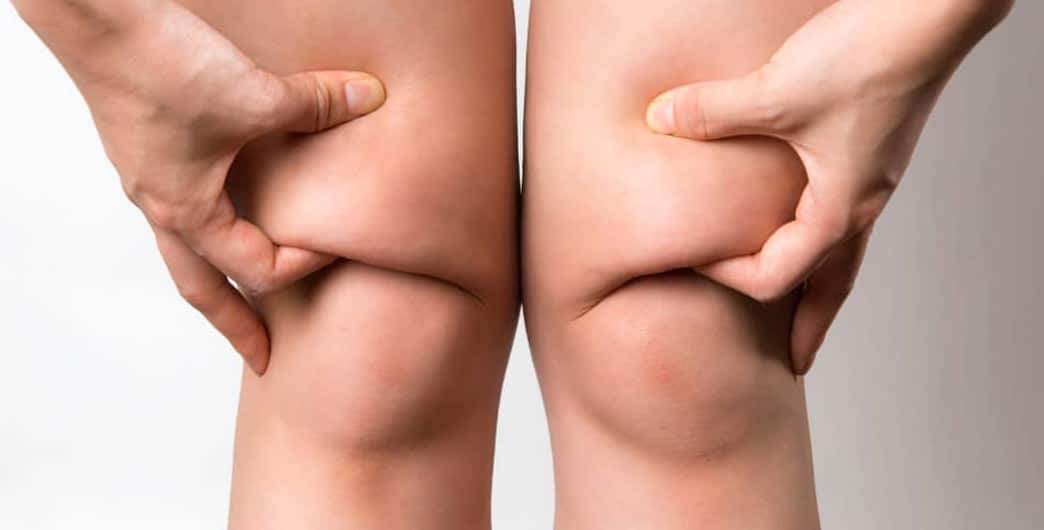
Knee liposuction is a surgical fat removal procedure that removes fat from the knees and surrounding areas to sculpt the legs after knee replacement. It targets localized fat deposits along the inner knees, the lower medial thigh, and circumferential areas of the limb that can stay bulky even with weight loss and rehab. Outcomes vary according to baseline BMI, skin elasticity, and health status. Know the pros and cons before scheduling your post-TKA knee liposuction.
1. The Procedure
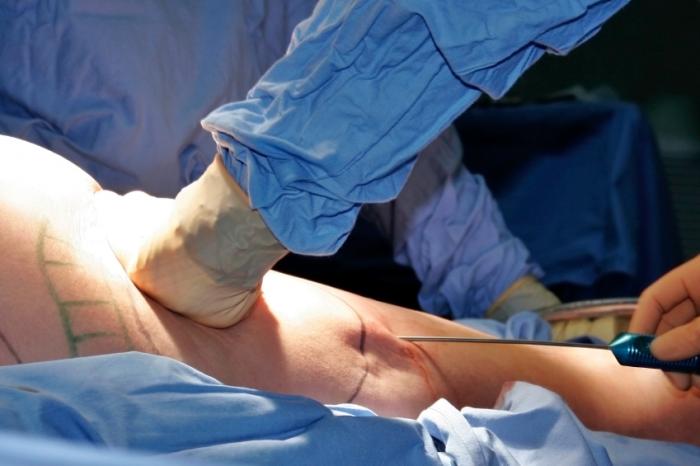
The procedure commences with either local anesthesia and sedation or general anesthesia, contingent upon surgeon preference and patient requirements. Tiny incisions are made near the inner knee and along mapped out vectors. Cannulas subsequently aspirate fat from desired pockets with suction, around the knee joint and sometimes extended into the adjoining thigh for a seamless map to form.
Usual time is 30 to 60 minutes per knee, and patients go home the same day. Post-op care includes compression garments worn continuously for 4 to 6 weeks, removed only for showering, and short courses of antibiotics or analgesics as prescribed. Mild discomfort, swelling, and bruising are common in the first 48 hours and often peak by 72 hours.
Adherence to instructions reduces complications. Expect recovery over 2 to 3 months and final contours by about three months, though full results can take three to six months or longer. Compared with nonsurgical options such as injectable fat-dissolving agents, cryolipolysis, or radiofrequency, surgical liposuction enables more predictable volume removal and shaping, with increased procedural risk and recovery needs.
2. The Candidacy
Good candidates have steady weight, realistic expectations, and typically are within roughly 30 percent of ideal weight. Chronological age is less significant than skin quality and metabolic health. Exclude those with unresolved orthopedic issues, such as poor implant integration, ongoing joint infection, or significant pain that suggests implant problems.
Evaluate BMI, ideal weight, and medical background. Cessation of smoking and diabetic control enhance healing. A PT clearance and objective functional metrics, including strength, balance, and gait, should verify joint stability and rehab plateau prior to elective chiseling.
3. The Benefits
Knee liposuction can eliminate stubborn fat pads, enhance your knee shape and make your legs appear leaner in clothes. Many patients experience less skin-on-skin friction and easier gait dynamics when bulk is removed. Psychologically, it feels great to see that ‘skinny leg’ change, which helps you stay motivated and stick with your workouts.
Better fit of trousers and activewear is a pragmatic benefit commonly mentioned.
4. The Risks
Surgical risks encompass infection, bleeding, delayed wound healing, and rare implant issues should the joint be affected. Asymmetrical fat extraction, contour abnormalities, extended stiffness or pain may occur. Increased bodyweight increases the risk for wound issues, hence careful observation of results and surgical metrics is essential.
5. The Timing
Hold off on the lipo until you’re fully recovered from your knee replacement and done with physical therapy. Only then, after activity level has plateaued, should you consider it to avoid jeopardizing replacement healing.
Non-Surgical Sculpting
Non-surgical sculpting provides focused choices for localized fat reduction and contouring following knee replacement, with very little downtime versus re-operation. These techniques can be used in conjunction with exercise, diet, and clinical weight management to defend the new joint, maintain function, and assist in curbing post-operative weight gain.
Most treatments are non-surgical or minimally invasive, performed under clinician supervision, and yield gradual results over weeks to months. Some patients see definitive change after one or two treatments while others require multiple visits.
Exercise Modifications
Modify schedules to guard the knee and maintain activity. Steer clear of jogging, jumping, and other high-impact moves that jar the implant. Prefer closed-chain, controlled movements that maintain load spread throughout the leg.
Use low weights and higher reps to reestablish muscle without the stress of overloading the joint. Concentrate on slow, controlled lifts and employ machines or bands to control the motion. Begin with one set and build up as discomfort and swelling subside.
Focus on major muscle groups to aid balance and gait. Powerful quads, hams, glutes, and calves carve joint load and aid recovery.
- Seated leg press – minimum resistance, limited range, to build quads safely.
- Straight-leg raise is a bodyweight exercise or uses light ankle weights for early-stage quadriceps work.
- Mini-squats to a box train glutes and quads without deep flexion in a shallow range.
- Resistance-band side steps build hip abductors to help stability and minimize limp.
- Stationary cycling is a low load activity with a steady cadence that builds endurance and mobility.
- Calf raises on a step are single-leg or double-leg exercises, depending on what your ankle and calves can tolerate for strength.
- Pool walking or aqua aerobics — water buoyantly supports your weight while providing resistance.
Nutritional Strategies
Focus on a nutrition plan that encourages fat loss, muscle repair, and joint de-inflammation. Maintain a slight calorie deficit if you’re trying to lose weight, but avoid extreme cuts that inhibit recovery.
Minimize additional calories by opting for whole foods rather than processed foods and by controlling your portion sizes, a classic post-surgery weight gain trap. Maintain protein to aid muscle reconstruction. One point two to one point six grams per kilogram of body mass is a common recovery-phase number.
Add nutrient-dense, anti-inflammatory foods such as oily fish, leafy greens, berries, nuts, and olive oil to assist with tissue repair and pain management.
| Meal Time | Foods to Include | Example Plate |
|---|---|---|
| Breakfast | Lean protein, whole grain, fruit | Greek yogurt, oats, berries |
| Lunch | Vegetables, lean protein, healthy fat | Grilled chicken, quinoa, salad, olive oil |
| Snack | Protein or fiber-rich small snack | Hummus with carrot sticks |
| Dinner | Vegetables, complex carbs, protein | Baked salmon, sweet potato, steamed greens |
| Recovery boost | Hydration, protein, micronutrients | Smoothie: milk, banana, spinach, whey |
Low-Impact Training
Opt for aerobic activities that spare the surgical extremity like swimming, cycling, and upper-body ergometry. These activities develop cardiovascular fitness without hard impacts that jeopardize implant strain.
Steer clear of running and contact sports until given the all clear. Gradually increase both time and effort so that stamina improves and the knee adjusts.
Monitor progress with regular checks of flexibility, walk distance, and endurance measures. Simple tests, such as timed walk and chair rise count, show gains and guide when to increase load.
Alternative Treatments
Non-surgical approaches to post–knee replacement body contour and symptoms differ by mechanism, invasiveness, recovery time, and evidence base. The parts that follow briefly look at three popular non-invasive body-sculpting approaches and contextualize them with other conservative measures including acupuncture, bracing, PRP, and stem cells.
Each subsection addresses how the treatment works, who it is suited to, typical outcomes, and practical considerations.
Cryolipolysis
Cryolipolysis blasts targeted fat cells around the knee and thigh with freezing temperatures. The instrument suctions skin and subcutaneous fat into a cooled applicator. Fat cells experience cold trauma and are eliminated by the body over the following weeks.
This method targets localized, stubborn fat deposits in patients with stable weight following arthroplasty. There’s very little downtime. The majority of people resume normal activities the same day.
The risk of major complications is low compared with liposuction, although transient numbness, redness, or mild swelling can occur. Results come on slowly, between 6 and 12 weeks, with maximal change at 12 weeks. Maintenance is up to diet and lifestyle; no gadget halts weight gain.
Cryolipolysis suits patients who are unable or unwilling to undergo more surgery. It doesn’t impact the knee joint function, so it’s safe for implant cases. Combine it with physiotherapy and a specialized exercise program to help get your body in shape and moving better.
Radiofrequency
Radiofrequency (RF) utilizes energy to heat subdermal tissue. Heating results in fat cell injury and collagen remodeling, which can tighten skin around the knee. RF is frequently used for mild to moderate fat reduction and to combat skin laxity after knee replacement recovery.
Our treatments are office based, comfortable and with minimal or no downtime. Clinically, tracking typically involves before and after photos and objective metrics such as limb circumference. Patient satisfaction tends to be excellent for minor contour modification.
RF ablation such as radiofrequency is used for knee pain management. Research shows a 60 to 70 percent success rate, with many patients receiving at least a 50 percent reduction in pain and improvement in function for 6 to 12 months.
Side effects and recovery considerations include:
- Cryolipolysis results in temporary numbness, bruising, redness, and rare paradoxical adipose hyperplasia.
- Radiofrequency: mild swelling, transient warmth, rare burns if misapplied.
- Ultrasound-based treatments may cause local tenderness, short-lived redness, and transient nerve irritation.
- General: Consider implant safety. Infection risk is very low. Multiple sessions may be needed.
Ultrasound
Focused ultrasound uses sound waves to break down fat cells without cutting. The body removes the debris over weeks. The technique is non-invasive and typically harmless for adults with orthopedic implants as it does not electrically interface with metal.
It can take multiple sessions to see results, with a typical course being two to four treatments weeks apart. Keep track of skin quality and functional scores post-treatment, as well as track any variation in knee outcome scores and skin irregularity.
Ultrasound is suitable for patients looking for slow and steady results with minimal procedural risk.
A Holistic Approach
A holistic approach considers your physical, emotional, and mental health as a whole, rather than just focusing on one aspect. For body sculpting post knee replacement recovery weight, this translates to mixing clinical rehab, lifestyle shifts, and mental support so gains persist and function ascends.
Physical Therapy
Manual therapy, targeted strength work and flexibility drills restore knee mechanics and improve gait. Early-stage rehab concentrates on edema control, passive range of motion and minimal muscle activation.
Mid-stage work includes progressive resistance, balance and functional movements like sit-to-stand. Late-stage training transitions into higher-load conditioning, step negotiation and sport- or job-specific tasks when safe.
Plan visits to follow healing and adjust according to function, pain, and swelling. Frequent reevaluation keeps you from plateaus and overuse issues.
Key components of a structured physical therapy protocol for knee arthroplasty recovery:
- Initial assessment includes pain, range of motion, gait, muscle strength, and swelling.
- Immediate interventions: cryotherapy, pain control, mobility exercises.
- Strength phase: closed and open kinetic chain exercises, progressive resistance.
- Flexibility and mobility: hamstring, quadriceps, calf stretches, joint mobilization.
- Neuromuscular control: balance work, proprioception drills, gait retraining.
- Functional progression includes stairs, carrying loads, and return-to-work or sport drills.
- Home program: clear daily routine, progression criteria, red flags for clinician review.
Mental Wellness
Body image and mood changes post-surgery and impatience with gradual weight reduction are typical. Tackle these emotions upfront. Emotional nurturing accelerates healing and reinforces compliance with physical exercise and nutrition.
Mental rehab such as goal visualization, quick cognitive reframe, and daily positive self-talk assist in maintaining motivation and reducing stress. Dedicate some daily time to relaxation, whether it’s breathing work, short walks in nature, or mindful stretches, to reduce cortisol and enhance sleep, which facilitates tissue repair.
Create a support circle of family, peers, or online groups to share your advances and frustrations. Social support strengthens resolve. Think of short stints with a counselor or rehab psychologist when anxiety or depression restrict involvement.
Realistic Goals
Base targets on measured BMI, baseline function, and clinical recovery milestones. Aim for small, clear wins: a 5% body weight reduction over months, improved 6-minute walk distance, or increased knee flexion by specific degrees.
Fragment ambitious goals into weekly or monthly level steps so progress is both visible and adjustable. Target and adjust for age, comorbidities and severity of OA.
Embrace holistic achievement and rejoice in a better balance or reduced pain to sustain progress. Think fat loss and muscle building; you use muscles to contour and support your joints and framing. A multispectrum of safe treatments may work better together with diet and rest.
Your Personal Blueprint
Your personal blueprint weaves together surgical, non-surgical, and lifestyle strategies to sculpt body composition after knee replacement while safeguarding the implant and enhancing function. This plan incorporates surgical specifics, present activity status, healing schedule, and achievable objectives.
Use hard metrics and frequent check-ins to maintain the plan’s alignment with evolving needs.
Consult Professionals
Consult an orthopedic surgeon to explain implant limitations, anticipated load thresholds, and probable recovery schedule according to operative average and method. Visit a physical therapist to establish incremental strength and range-of-motion programs that don’t place high-impact stress on the joint but build muscle around it.
Check with a registered dietitian or weight management specialist to establish safe weight-loss goals. Losing 5% to 10% of body weight ahead of surgery can enhance outcomes. Plan regular check-ins to monitor knee outcome scores and timed up-and-go or stair-climb functional tests.
Inquire with providers regarding secure exercise substitutions, such as replacing running with cycling or aquatics, and consider alternative therapies such as focused injections only when necessary. Coordinate care by sharing progress notes between providers so strength gains, weight changes, and any gait changes have a chance to inform surgical follow-up and rehab adjustments.
Listen To Your Body
Be vigilant for pain, swelling, or abnormal fatigue while active. These are indications to adjust intensity or rest. Avoid any activity that induces acute or increasing pain and seek from your therapist alternative movements that train the same muscle without straining the implant.
Incorporate rest days and utilize short-term recovery tactics like gentle icing, elevation, or light stretching to combat stiffness. Separate normal growing pains from red flags that need medical evaluation. Quick swelling, consistent night pain, or joint instability call for immediate evaluation.
Even brief movement matters. Ten minutes of walking or light stretching daily improves circulation, supports muscle tone, and reduces stiffness, helping to limit excess load on the knee.
Track Your Progress
Create a simple chart to record your weight, BMI, strength, and flexibility scores as time goes by. Track objective changes: weekly weights, monthly circumference measures, and quarterly functional tests.
Add pictures and activity tolerance or pain notes to see body composition and functional changes unfold. Record milestones: reduced pain scores, longer walks, or measured reductions in subcutaneous knee fat. Studies show decreases of 2.2 to 4.2 mm over years with sustained weight loss.
Remember that every kilogram matters. Each pound adds roughly four pounds of force to the knee with each step, so losing 5 to 10 percent body weight lowers mechanical stress and may extend implant life beyond its typical 15 to 20 year expectancy.
Return to the blueprint frequently and update goals according to measured progress and shifting priorities.
Conclusion
Body sculpting after knee replacement recovery weight. Begin gradually. Body sculpting after knee replacement recovery weight with light resistance, short walks, and targeted moves that protect the new joint. Tailor treatments to your stage of recovery. Choose surgery only if your skin or fat distribution merits it. For mild contour needs, consider non-surgical tools such as radiofrequency or cryolipolysis. Combine any procedure with strength training, consistent cardio, and a protein-heavy diet to assist tissue repair and fat loss. Track recovery with simple goals: range of motion, pain scores, and weekly strength gains. Discuss the plan with your surgeon and therapist. Book a consult to plan the best next step for your body and timeline.
Frequently Asked Questions
What is the safest time to consider body sculpting after knee replacement?
Wait until your surgeon clears you. That’s usually 3 to 6 months for the majority of patients, although some require 9 to 12 months. Clearance guarantees proper healing, stable swelling, and safe anesthesia or energy-based procedures.
Can liposuction be done on the thigh after knee replacement?
Yes, if your surgeon approves. Liposuction can target thigh fat, but timing, scar locations and blood flow must be evaluated to reduce complications and protect prosthetic function.
Are non-surgical sculpting options safe after knee replacement?
Frequently so. Once the incision has healed, low-energy therapies such as cooling, radiofrequency, and ultrasound are low-risk. Of course, always get clearance from your ortho surgeon first.
Will body sculpting affect my knee recovery or implant long-term?
Properly timed and performed, treatments rarely harm knee recovery or implants. Go with experienced providers and adhere to pre- and post-procedure instructions to reduce risk.
How does weight affect knee replacement recovery and sculpting results?
Less lower body weight leads to less stress on the joints and better recovery. Stable weight prior to sculpting makes the results more predictable. Focus on slow, sustained weight loss with medical oversight.
What holistic options support sculpting and knee recovery?
Mix PT, strategic strength workouts, good nutrition, and smart weight-based goals. These boost muscle support, decrease swelling, and optimize sculpting results.
How do I choose a qualified provider for post-knee replacement sculpting?
Choose a board-certified plastic surgeon or dermatologist familiar with post-orthopedic patients. Inquire about results, rates of complications, and working with your orthopedic surgeon.
 Directions
 Call Us
 Email Us