
Lipedema and Gut Microbiome Estrogen Recirculation

Key Takeaways
- Lipedema is a hormone-driven, chronic fat disorder with an inflammatory component that alters body composition and is resistant to traditional weight-loss strategies. It is necessary to evaluate body composition and metabolic markers to inform care.
- Lipedema is an estrogen-driven disease and local estrogen recirculation through the gut impacts fat growth and distribution. Monitoring hormonal status across life stages can provide insight and guidance into management.
- Gut microbiome balance, specifically the estrobolome and β-glucuronidase activity that drives estrogen reactivation, along with systemic inflammation, makes microbiome support a target for lowering hormonal burden.
- Comprehensive care that simultaneously tackles gut health, hormone balance, and inflammation provides the highest likelihood of symptom reduction. Deploy fiber-rich, anti-inflammatory diets, stress reduction, sleep hygiene, and regular activity.
- Personalize interventions with in-depth microbiome profiling, body composition, enzyme or hormonal biomarkers, and symptom tracking to guide diet, lifestyle, and supplement decisions.
Consider broader endocrine influences beyond estrogen including progesterone, insulin, thyroid hormones, and cortisol. Use multi-hormone assessment and stress-management strategies to improve metabolic and tissue outcomes.
Lipedema and gut microbiome estrogen recirculation: A connection between a chronic fat disorder and how gut bacteria modify estrogen levels!
Studies indicate gut microbes modify estrogen recirculation which could impact fat distribution, inflammation, and symptoms in lipedema patients. Research implicates distinct bacterial signatures and dysregulated bile acid metabolism as potential culprits.
The bulk body details existing data, mechanisms and actionable research holes to address.
Lipedema’s Nature
Lipedema is a chronic condition characterized by disproportionate subcutaneous fat accumulation primarily affecting women. It’s a unique fat disorder, not just being overweight.
It manifests clinically with patterned, symmetric fat accumulation in the hips, thighs, buttocks, and sometimes the arms, typically sparing the hands and feet. Progression varies; some remain stable for years while others worsen quickly after puberty, pregnancy, or menopause.
There are three stages: smooth enlarged fat in stage one, nodular and dimpled skin in stage two, and large lobules with severe deformation in stage three. There’s a family clustering in as many as 60% of cases, supporting a genetic risk, but no specific genes have been identified.
Hormonal Triggers
Estrogen and other female sex hormones are major drivers of lipedema onset and course. Hormonal shifts at puberty, during pregnancy and postpartum, and through menopause often coincide with new or worsening symptoms.
Receptor sensitivity and downstream signaling in adipose tissue matter. Adipocytes in affected regions may respond differently to estrogen, progesterone, and local growth factors, changing how fat cells grow and store lipids.
Longitudinal hormone profiling is limited but suggested by reviews as a priority to map cause and timing more precisely. Thyroid dysfunction is common and is present in about 30% of patients, so broader endocrine testing beyond sex hormones is warranted to inform care.
Inflammatory State
Lipedema exhibits sustained low-grade inflammation localized to subcutaneous adipose tissue. Immune cell infiltration and cytokine shifts cause tissue swelling, tenderness, and sometimes pain.
Unlike classic obesity, the inflammatory milieu often skews toward an M2-like, anti-inflammatory macrophage phenotype rather than a pro-inflammatory M1 state, which helps explain why some patients remain relatively insulin-sensitive despite huge fat reserves.
Chronic inflammation may nonetheless derail local metabolic pathways and microcirculation, promoting edema and fibrotic change. These inflammatory characteristics distinguish lipedema from generalized obesity and inform alternative treatment objectives.
Adipose Tissue
Lipedema fat is diet and exercise resistant and displays adipocyte hypertrophy as well as hyperplasia in affected areas. Nodular, fibrotic, painful fat deposits are common.
Lipolysis is impaired, and lipid handling may be altered at the cellular level. Body composition changes encompass reduced android-to-gynoid fat ratios compared to BMI-matched controls, occasionally indicating relatively maintained systemic metabolic health despite regional abundance.
Detailed profiling can include:
- DEXA for regional fat
- MRI or ultrasound to map nodularity and fibrosis
- Bioimpedance for overall fluid and fat estimates
- Adipose tissue biopsy for cellular and inflammatory markers
- Blood panels for hormones, fasting insulin, and thyroid function
Estrogen’s Impact
Estrogen plays a primary role in fat shaping and storage, adipocyte hypertrophy, and metabolic signaling. Prior to menopause, most estrogen is produced in the ovaries, but adipose tissue and the adrenal glands produce estrogen as well.
Our gut microbiome — specifically the estrobolome — regulates the amount of active estrogen that is recirculated by deconjugating estrogens the liver has marked for elimination. Liver conjugation is a two-step process. In phase two, a glucuronide attaches to estrogen, making it water-soluble and inactive.
If the estrobolome over-returns deconjugated estrogen or liver clearance is impaired, circulating estrogen can increase and change adipose behavior.
Estrogen Dominance
Estrogen dominance refers to an excess of estrogen in relation to progesterone, a condition often observed in individuals with lipedema. This hormonal imbalance frequently correlates with increased fat accumulation in the hips and legs, reflecting a disrupted microbiome that influences fat metabolism. Estrogen promotes lipid storage, shifting metabolism away from lipolysis, which can lead to exacerbated inflammation in adipose tissue and fluctuations in metabolic profiles, including insulin sensitivity.
Research suggests that gut microbiota can exacerbate this pattern by elevating bacterial beta-glucuronidase activity, which releases estrogen back into circulation. Additionally, factors such as alcohol consumption and certain medications may worsen this effect. Screening methods like the DUTCH panel for metabolites and stool exams for microbiome composition can help identify these issues.
Understanding the role of microbial metabolism in estrogen dominance is crucial, as it highlights the connection between gut health and metabolic syndrome. By addressing dysbiosis through clinical nutrition and dietary patterns, individuals may improve their metabolic output and overall health, particularly in managing conditions like lipedema.
Fat Cell Growth
Estrogen affects adipose tissue via estrogen receptors stimulating both adipocyte proliferation and hypertrophy. Receptor activation upregulates genes for fat uptake and storage, so the cells multiply and fill with fat.
In lipedema, this sheds light on the pronounced localized subcutaneous fat accumulation that is poorly responsive to diet or exercise alone. Estrogen locally produced in fat can create pockets where the growth is stronger, resulting in the classic uneven pattern of the condition.
Diets richer in fiber and plant lignans that become phytoestrogens can slightly alter circulating estrogen dynamics and local signaling, providing one noninvasive method to push adipose behavior.
Puberty and Menopause
Puberty and menopause are among the important windows when estrogen shifts tend to trigger or exacerbate lipedema. Puberty brings an estrogen surge that can establish your fat-distribution pattern.
Baby and early-life elements that change the microbiome may prime later estrogen processing. Menopause reduces ovarian estrogen but can exacerbate lipedema as metabolic profile shifts, visceral fat increases, and local adipose estrogen production becomes relatively more significant.
Tracking hormones throughout life and leveraging metabolic and microbiome testing informs how to best direct management and timing of interventions.
The Gut’s Role
The balance of your gut microbiome has a very direct effect on hormone metabolism and systemic inflammation via several routes. Gut bacteria assist in metabolizing compounds, influence immune signals, and form the gut barrier that prevents inflammatory molecules from entering the bloodstream.
When this microbial community is diverse and balanced, estrogen processing, clearance, and downstream metabolic signals are kept in check. If that community tilts toward dysbiosis, inflammation may increase and estrogen metabolism can shift, impacting tissues that are sensitive to fat deposition and lymphatic vessels.
What is the Microbiome?
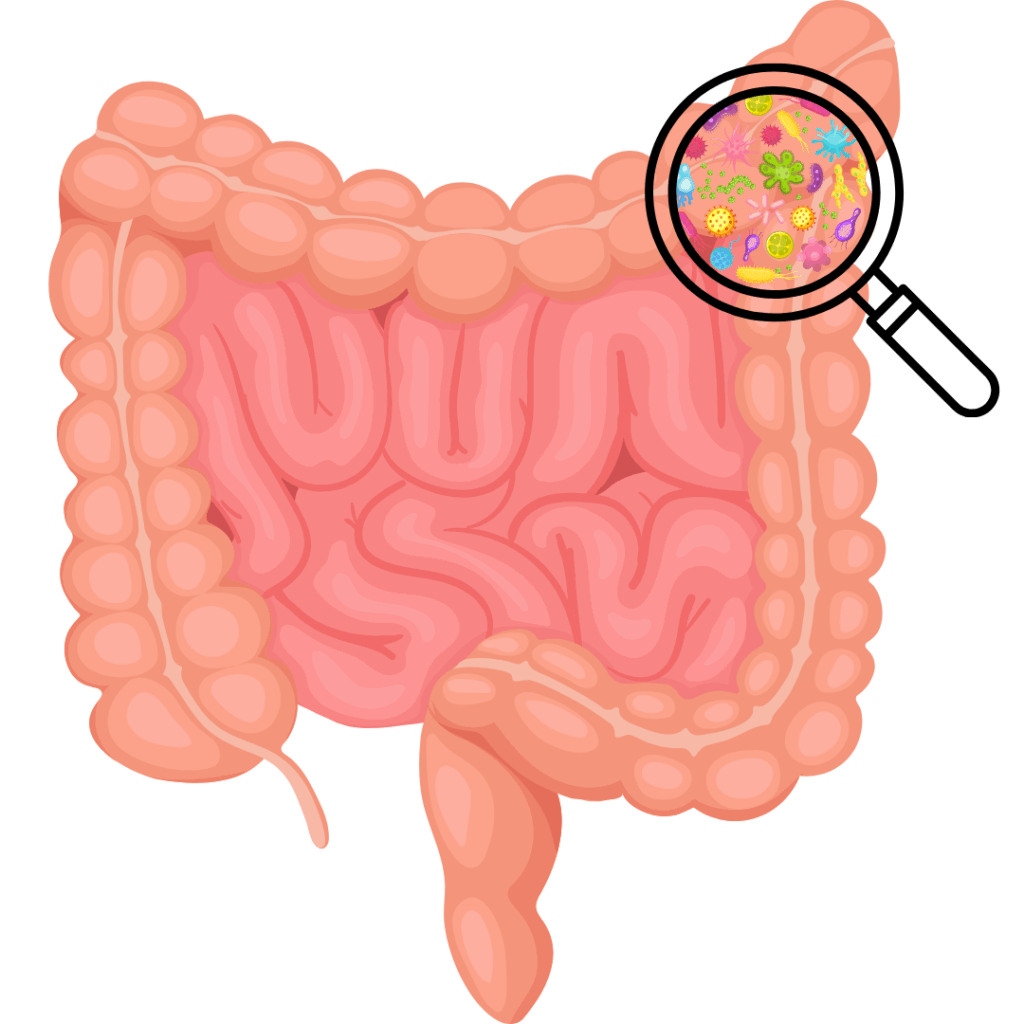
Your gut microbiota is the army of trillions of microbes residing in your digestive tract — bacteria, viruses, fungi, and archaea. These microbes assist digestion by breaking down fibers and complex carbohydrates into short-chain fatty acids that nourish colon cells and regulate metabolism. They also play a vital role in the metabolic profiles of individuals, influencing how efficiently our bodies manage nutrients.
Microbial diversity and balance are important for a healthy microbiome. A rich, diverse microbiome reinforces barrier function and lowers systemic inflammation, while a low-diversity state is often associated with metabolic diseases and an increased propensity toward disease. Diet, sleep, medications, and hormones can alter this delicate balance.
Menopause, for instance, brings lower circulating estrogen, which can disrupt the microbiota composition. Research demonstrates that these changes can significantly impact vitamin synthesis, immune tone, and overall metabolic control. Circadian disruption can also alter microbiome rhythms, which further affect metabolic health.
Certain microbes produce vitamins and mini hormones, while others impact bile acids and fat metabolism. Variations in these microbial activities can influence bone health, cardiovascular risk, and mood through estrogen and inflammation-related pathways.
Maintaining a healthy gut microbiome is crucial for overall well-being, as it can affect everything from fat mass to metabolic output. Understanding the gut microbiota perspective allows for better dietary patterns and lifestyle choices that support a balanced microbiome and promote health.
What is the Estrobolome?
The estrobolome, in turn, is the subset of gut bacteria able to metabolize estrogens. These bacteria secrete enzymes, including beta-glucuronidase, that decouple estrogen metabolites secreted into the bile, liberating them for reabsorption into circulation.
This expands the pool of bioactive estrogens available systemically and can alter tissue exposure. A healthy estrobolome promotes stable estrogen levels by facilitating proper clearance and re-circulation.
If the estrobolome is compromised by antibiotics, a bad diet, or a hormonal shift, the deconjugation patterns change. That can elevate active estrogen recirculation, stress the gut lining, and compromise barrier integrity.
This can lead to differences in fat storage, elevated inflammatory markers, and greater susceptibility to diseases associated with estrogen imbalance. Estrobolome dysfunction connects to gut barrier issues, immune tone alterations and downstream implications for bone, heart and mood.
Rebalancing microbes through diet, targeted probiotics and other lifestyle shifts might mitigate dangerous estrogen recirculation and associated health risks.
The Triad Explained
The triad positions lipedema, the gut microbiome, and estrogen recirculation as interconnected metabolic actors. Lipedema’s disproportionate fat deposition and pain sit at the center, while the estrobolome, a subset of gut microbes, governs estrogen deconjugation and therefore the pool of active hormone that can influence adipose tissue.
Disruption anywhere tips the entire system toward symptom exacerbation, so think about the triad as a whole rather than its components in isolation.
1. Gut Dysbiosis
Gut dysbiosis is an imbalance in microbial composition and diversity. The loss of beneficial strains like Lactobacillus and Bifidobacterium and the overgrowth of taxa that peak beta-glucuronidase create a toxic milieu.
This transition can increase gut permeability and allow inflammatory compounds to enter the bloodstream. Dysbiosis shifts estrogen metabolism by shifting which microbes conduct deconjugation.
If the estrobolome becomes imbalanced, more estrogens are reactivated in the gut and reabsorbed. Fixing dysbiosis with specific probiotics, fiber, and diet adjustments can potentially lower hormone recirculation and relieve lipedema symptoms.
2. Enzyme Activity
Microbial β-glucuronidase is at the heart of estrogen deconjugation and recirculation. When this enzyme is high, conjugated estrogens that should be excreted are cleaved and converted back into active forms.
High activity increases circulating free estrogen. Shifts in microbial enzyme profiles alter the estrogen load the body deals with.
Tracking β-glucuronidase activity can act as a biomarker for estrogen-related disorders and direct interventions. Factors that reduce enzyme activity increase fecal estrogen excretion and utilize probiotics proven to decrease the enzyme.
3. Estrogen Recirculation
Estrogen recirculation is deconjugated estrogens being reabsorbed into blood from the gut. Excess recirculation produces a relative estrogen dominance which can exacerbate lipedema’s fat expansion and pain.
The gut microbiome state and especially the estrobolome determine how much reactivation happens. Supporting estrogen clearance matters.
Improve phase II methylation if DUTCH patterns suggest problems and address phase III elimination when dysbiosis is present. High-fiber diets and specific probiotic strains, for example, help push estrogens into stool versus back in circulation.
4. Systemic Inflammation
When gut barrier function fails, gut-derived metabolites and endotoxins drive systemic inflammation. Leaky gut” allows lipopolysaccharides into circulation, giving inflammatory stress to adipose tissue.
Inflamed fat turns dysfunctional and exacerbates pain and metabolic stress. Anti-inflammatory measures should address both gut and adipose tissue.
Operationally, these tactics will include fiber, probiotics, and anti-inflammatory meals combined with those that increase gut barrier integrity.
5. Symptom Severity
Microbiome imbalance and increased estrogen recirculation link with worse lipedema symptoms: pain, swelling, nodularity, and metabolic shifts. Follow symptoms and gut and hormonal markers to personalize care.
Body composition measures, DUTCH or similar, and microbiome help to grade severity and guide personal plans.
The Missing Link
Lipedema research has tended to fixate on estrogen as the key hormonal driver. That fixation runs the risk of overlooking a larger endocrine and metabolic picture. A brief frame: “the missing link” in evolution refers to transitional fossils that connect ancestral and descendant species.
Similarly, a missing link in lipedema would be the set of interacting systems—gut microbiome, multiple hormones, and metabolic pathways—that together bridge cause and effect. Focusing on estrogen alone might be akin to searching for a single fossil and insisting it accounts for an entire branch of evolution.
Beyond Estrogen
Insulin, thyroid hormones, androgens affect fat growth, energy expenditure, and inflammation. Insulin resistance redirects nutrients into fat storage and can potentiate estrogens’ impact on adipose tissue. Thyroid dysfunction reduces metabolic rate and alters lipid metabolism.
Rogens modify adipogenesis and can antagonize or augment estrogenic signals. These hormones do not act solo, intersecting at signaling networks that sculpt adipocyte size, number, and inflammatory tone. Receptor sensitivity and downstream signaling alter the way tissues react to circulating hormones.
Two patients with similar estrogen levels can have very different tissue responses because of receptor expression, local enzyme activity such as aromatase, and co-activation by other hormones. Clinical evaluation should map out the entire hormonal landscape: insulin, TSH, free T4/T3, androgen panels, alongside estrogen to inform more targeted interventions.
Progesterone’s Role
Progesterone moderates certain estrogen-related activities and assists in fluid control. When progesterone dips, estrogen can run rampant, encouraging vascular permeability and pain, two lipedema hallmarks. Understanding the role of gut microbiota in hormone regulation is essential, as it may influence fat metabolism and adipose tissue function.
Progesterone impacts adipocyte differentiation as well; it directs precursor cells towards specific fat cell destinies and alters lipid storage patterns. By restoring progesterone balance, whether through lifestyle changes, targeted hormone intervention, or addressing the disrupted microbiome, you could relieve inflammation and decelerate diseased fat development.
Evidence is incomplete but plausible: balancing progesterone may reduce symptom flares tied to menstrual cycles or hormonal shifts. Considering the gut microbiome composition in diagnostics and trials could provide deeper insights into these changes instead of assuming estrogen explains all the fluctuations.
Cortisol Connection
Chronic stress raises cortisol, which reshapes energy metabolism and fat placement and may worsen lipedema. Cortisol promotes central fat deposition and affects subcutaneous compartments and can increase systemic inflammation.
Long-term cortisol elevation alters immune signaling and can disrupt sex hormone balance by changing SHBG and enzyme activity. Stress management can lower cortisol and improve metabolic markers. Techniques include sleep optimization, paced breathing, and graded exercise.
| Strategy | Effect on cortisol | Practical example |
|---|---|---|
| Sleep hygiene | Lowers nocturnal cortisol | Fixed wake time, dark room |
| Mindfulness | Reduces peak stress response | 10 min daily breathing |
| Moderate exercise | Regulates HPA axis | 30 min brisk walk most days |
| Social support | Buffers chronic stress | Regular peer or group contact |
Practical Management
A practical plan for lipedema would combine gut-based care with hormone balance and lifestyle changes. Personal variations in metabolism, microbiome, and symptom pattern provide many reasons for blanket advice to disappoint. Start with baseline measures.
Then stack diet, habits, and targeted supplements while recording changes over time.
Dietary Shifts
A fiber-rich, anti-inflammatory pattern nourishes good bugs and enhances short-chain fatty acid (SCFA) generation, which promotes insulin sensitivity. First, focus on vegetables, whole grains, legumes, and fruits like berries and apples.
Polyphenol-packed foods like green tea and berries promote microbial diversity and hormone balance. Cut down on processed foods and added sugars that encourage dysbiosis and inflammation.
Add in phytoestrogens, such as flaxseed and soy in moderation, and prebiotic foods, like onion, garlic, asparagus, and chicory, to effect estrogen recirculation and encourage the good strains.
Practical tips include swapping refined grains for whole grains, adding a daily serving of legumes, and aiming for 25 to 35 grams of fiber per day as a starting target. Adjust some parts to tolerance and metabolic requirements.
| Dietary pattern | Microbiome effects | Hormone/metabolic effects |
|---|---|---|
| High-fiber, plant-forward | Increases SCFAs; feeds bifidobacteria | Improves insulin sensitivity; supports estrogen clearance |
| Low-fiber, high-sugar | Encourages dysbiosis; lowers diversity | Raises inflammation; worsens insulin resistance |
| Polyphenol-rich | Promotes diverse microbes | Modulates estrogen metabolism; lowers oxidative stress |
Lifestyle Support
Daily exercise enhances metabolism and fat tissue. Target 150 minutes of moderate activity per week along with 2 to 3 strength sessions to help keep insulin in check and lower inflammation.
Exercise promotes gut motility, which can reduce enterohepatic recirculation of estrogen. Stress reduction reduces cortisol and systemic inflammation.
Five minutes of diaphragmatic breathing daily can reduce gut permeability and soothe the nervous system. Sleep hygiene is important because regular sleep promotes hormonal balance and microbiome health.
Build a daily routine that includes movement in daylight, short breathing breaks, regular meals, and a wind-down sleep ritual to sustain “happy hormones.
Targeted Supplementation
Lactobacillus and Bifidobacterium probiotics can promote estrogen balance, and in multi-strain formulas of 10 billion CFUs or more, may help reduce central adiposity. Omega-3s, vitamin D, and magnesium support metabolic and hormonal pathways and can reduce inflammation.
- Multi-strain probiotic (Lactobacillus + Bifidobacterium; ≥10 billion CFU)
- Omega-3 (EPA/DHA 1–2 g/day)
- Vitamin D (test-guided dosing)
- Magnesium (200–400 mg at night)
- Prebiotic fiber (inulin, FOS as tolerated)
Testing like the DUTCH panel and microbiome profiling directs dose and timing and helps monitor liver conjugation and estrogen metabolism. Continuous tracking of your body composition, fasting insulin, HOMA-IR and symptom change is necessary for tweaking.
Conclusion
We now have a clear line connecting lipedema, estrogen, and the gut. Gut bugs can alter estrogen recirculation. That shift can nourish fat growth and inflammation in legs and hips. Small changes in diet, fiber, and probiotic selection can reduce bad bugs and reduce estrogen recirculation. Consistent movement and weight-support care relieve symptoms and make the gut function more optimally. Clinical tests and targeted therapies could firm up the connection. For lipedema folks, such a stepwise strategy combining nutrition, gut health, and symptom care provides immediate benefits and developing insight.
Work out a gut-centric plan with your care team and monitor shifts over eight to twelve weeks.
Frequently Asked Questions
What is lipedema and how does it differ from regular fat?
Lipedema is a relapsing condition characterized by bilateral, agonizing fat accumulation in the lower extremities and arms, often linked to disrupted microbiome and inflammatory taxa. Unlike regular obesity, it remains unresponsive to diet and exercise and can include soreness, easy bruising, and difficulty walking.
Can estrogen influence lipedema?
Yes. Estrogen and hormonal fluctuations frequently accompany lipedema onset or exacerbation, such as during puberty, pregnancy, or menopause, affecting the gut microbiota and potentially influencing fat metabolism.
How does the gut microbiome affect estrogen recirculation?
The gut microbiome can significantly modify estrogen recirculation, as certain bacteria generate enzymes that deconjugate estrogen, allowing it to recirculate and potentially elevate systemic estrogen levels, impacting hormone-sensitive tissues.
Is there a proven link between gut microbiome, estrogen recirculation, and lipedema?
Research does provide a link of plausibility rather than definitive proof. Studies indicate that gut microbiota-driven estrogen alterations may influence adipose tissue function and inflammation, potentially contributing to lipedema, but clinical evidence remains sparse.
What practical steps can help manage lipedema related to gut and hormones?
Focus on an anti-inflammatory diet rich in fiber to support a healthy microbiome, regular low-impact exercise, compression therapy, and specialist care. These steps can minimize symptoms, enhance gut microbiota health, and help balance hormones.
Should I get microbiome or hormone testing for lipedema?
Discuss testing with a specialist. Hormone panels and targeted gut microbiota assessments can offer useful information. Testing should guide treatment decisions and be interpreted by clinicians experienced with lipedema features.
Can modifying the gut microbiome reduce lipedema symptoms?
Altering the gut microbiota can potentially assist by reducing inflammation and optimizing estrogen metabolism, as the microbiome composition varies among individuals. This response can range from dietary adjustments to probiotics or even medically treating a disrupted microbiome, necessitating medical monitoring.
 Directions
 Call Us
 Email Us