
Lipedema: You Are Not Imagining It — Validation, Diagnosis & Treatment
Key Takeaways
- Lipedema is a unique, medically recognized adipose tissue disorder that results in disproportionate and often painful fat accumulation in the arms and legs and is not due to overeating or sedentary behavior.
- Early recognition and diagnosis via clinical evaluation, symptom history, and targeted imaging enhance management and help slow progression. Maintain a symptoms diary and bring photos to appointments.
- Conservative care, including compression, manual lymphatic therapy, tailored exercise, and self-care, is the first-line approach. Surgery, which involves specialized liposuction, is offered by experienced clinicians when appropriate.
- Hormonal shifts and family history are common culprits, with issues frequently exacerbating at puberty, pregnancy, or menopause. Mapping symptom rhythm with hormonal events can assist treatment plans.
- Misdiagnosis and medical dismissal are rampant and toxic. Recommend referral to a lipedema specialist or multidisciplinary team and validate diagnosis with accepted clinical criteria.
- Treatment for lipedema: Don’t forget to address mental health and body image as part of care. Seek emotional support, patient communities, and integrate psychological services in treatment plans.
‘Lipedema you are not imagining it validation’ is all about identifying lipedema as a genuine, persistent fat condition that leads to disproportionate leg and arm swelling and pain.
Medical exams, imaging, and patient history validate diagnosis and exclude other causes like obesity or lymphedema. Early diagnosis means better symptom management, including compression, movement, and surgery when necessary.
Below, they detail symptoms, diagnostics, and concrete actions to get the right treatment.
Understanding Lipedema
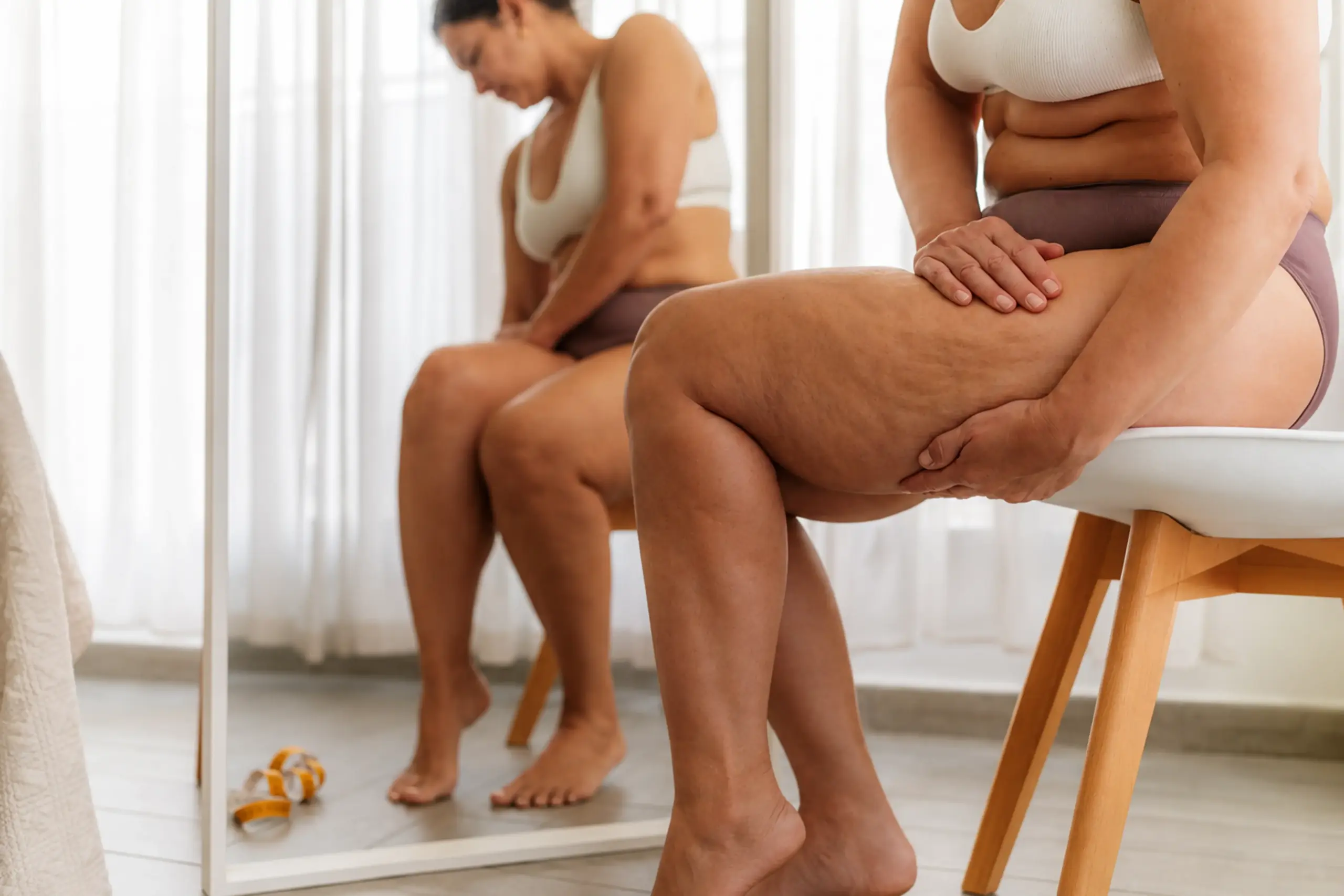
Lipedema is a chronic adipose tissue disorder that results in abnormal, usually symmetrical fat deposits, primarily on the buttocks, hips, and legs, and occasionally on the arms. Because of its unique distribution, resistance to common weight-loss strategies, and accompanying symptoms including pain, bruising, and swelling, it’s not like typical body fat or straightforward obesity.
Early diagnosis helps slow progression, minimize complications, and increase quality of life.
The Symptoms
- Disproportionate fat deposits are concentrated in the buttocks, hips, thighs, lower legs, and occasionally arms. The upper body tends to be spared.
- Pain and tenderness in affected areas result in a deep, aching, sore sensation when touched or after standing.
- Easy bruising from minor impacts is a result of fragile capillaries in the affected tissue.
- Skin that feels nodular or lumpy under the surface, as opposed to smooth normal subcutaneous fat.
- Ongoing swelling that never completely goes away with usual weight loss or rest and can even increase during the day.
- A distinct upper and lower body circumference discrepancy typically makes its initial appearance around puberty, pregnancy, or menopause.
- Limited mobility, heaviness when ambulating, and discomfort with activity due to bulk and sensitivity.
Lipedema fat often is firm, lumpy or nodular to the touch, as opposed to soft, even fat. Women often experience a flare-up of symptoms during hormonal shifts like puberty, pregnancy or menopause. Many people experience lipedema beginnings or a noticeable shift in leg shape as a teenager.
Heaviness and lack of joint comfort can restrict your ability to walk and perform activities of daily living.
The Stages
| Stage | Clinical features |
|---|---|
| Stage I | Smooth skin surface; underlying fat feels soft but increased in volume; minimal nodularity. |
| Stage II | Skin surface shows indentations; fat is more nodular and uneven; bruising common. |
| Stage III | Large deforming fatty masses; skin shows significant irregularity; mobility more limited. |
| Advanced / Lipolymphedema | Secondary lymphatic impairment, pitting edema, recurrent swelling, higher risk of complications. |
Symptoms progress from mild, diffuse thickening of fat to overwhelming hypertrophy with skin unevenness and fibrosis. In late stages, lymphatic flow can be compromised, leading to lipolymphedema and further swelling and skin alterations.
By comparing clinical features stage by stage, patients and clinicians can identify progression earlier and intervene sooner.
The Causes
A family history is a powerful risk factor. Lipedema tends to be hereditary, indicating a genetic factor. Hormones, particularly estrogen, seem to precipitate onset or exacerbation, which accounts for frequent beginnings at puberty, pregnancy, or menopause.
The precise cause is unknown but likely involves abnormal adipogenesis, fibrosis, and lymphatic dysfunction. Lifestyle, diet, or lack of exercise do not cause lipedema, though they may impact overall health and symptom management.
Treatment addresses these issues to relieve pain and improve function by tackling inflammation, restoring the flow of lymph, and reducing fibrosis.
Your Experience is Real
Lipedema is a painful fat disorder that results in the abnormal accumulation of adipose tissue in targeted areas, typically the legs. This accumulation results in pain, swelling, heaviness and restricted motion. Symptoms tend to begin during periods of significant hormonal flux, such as puberty, pregnancy, and menopause, though onset can come after other life events that alter fat stores.
Family history matters: about 15% of people with lipedema report a relative with the condition. These realities demonstrate the disease has a biological foundation and tangible effects in daily living.
Medical Dismissal
Most lipedema patients are told their legs are the result of being overweight or lazy. Clinicians may call it obesity or suggest psychiatric symptoms. This occurs because lipedema is undertaught in numerous medical curricula and resembles superficially similar fat disorders.
Being dismissed postpones diagnosis and treatment. Untreated care means more pain, more severe swelling, less mobility and a higher chance that Stage I will advance to Stage II without weight and symptom control. Seek a second opinion and whenever possible, be referred to a clinician with experience in lipedema.
Scientific Proof
Through research and advocacy, lipedema is now recognized as a separate fat disorder. Imaging, both ultrasound and specialized MRI, reveals patterns in fat and connective tissue that are distinct from typical obesity. Clinical guidelines and papers provide diagnostic criteria and stage definitions.
Patient registries and ongoing lymphatic research are gathering data to connect symptoms to observable changes in tissue and lymph flow. Lipedema shows up in international disease classifications and medical literature. All of this helps clinicians recognize it and backs insurance and policy work.
Hormonal Links
Hormonal shifts frequently initiate or exacerbate lipedema. Some experience initial symptoms at puberty, while others see onset post-pregnancy or at menopause. The female preponderance of lipedema points to a hormonal contribution.
Hormone therapy can alter symptom intensity in certain individuals, but its impact fluctuates. Record pain, swelling, and mobility in conjunction with menstrual cycles, pregnancies, or hormonal treatments to identify correlations. That record may allow clinicians to customize management and determine if hormone-centric strategies could assist.
Patient Stories
Real-life stories detail the extended waits for diagnosis and the relief when it does. Others talk about years of being directed to lose weight before anyone sought other triggers.
Others narrate proud episodes of enhanced self-esteem and minimized pain subsequent to receiving appropriate treatment and becoming members of support groups. Experiences vary: onset ages differ, severity ranges from mild to disabling, and emotional responses include low energy, depression, or eating issues.
There’s nothing like connecting with peers for practical tips, emotional support, and validation.
Key Differences
Lipedema, lymphedema, and obesity can appear similar on initial observation but have distinct differences in cause, distribution, symptoms, and treatment considerations. The table below provides a rapid visual reference, followed by the section that breaks down key differences and why proper identification is important.
| Feature | Lipedema | Lymphedema | Obesity |
|---|---|---|---|
| Primary cause | Abnormal subcutaneous fat deposition (hereditary links) | Lymphatic fluid buildup due to vessel/ node dysfunction | Excess caloric storage as fat |
| Pattern | Symmetrical, usually lower body, spares feet | Often asymmetrical, may affect one limb, includes feet | Generalized or regional, proportional |
| Pain & bruising | Painful, tender, easy bruising | Early: heaviness, less painful; later may hurt | Usually not painful; discomfort from weight |
| Skin/fat feel | Soft skin, nodular fat | Skin may thicken, fibrosis, risk infection | Skin varies; fat more uniform |
| Pitting (thumb test) | No initial pitting | Pitting common (indent fills) | No pitting unless fluid present |
| Progression | Can worsen, may develop lymphedema (lipolymphedema) | Progressive without care | Variable; responds to diet/exercise |
| Response to diet/exercise | Resistant | Not primarily affected | Generally responsive |
Versus Obesity
Lipedema fat doesn’t respond to diet and exercise. That difference is important when managing expectations. Individuals with lipedema can lose upper-body weight, but their legs stay large.
The lower-body disproportion is a hallmark. Hips, thighs, and lower legs hold excess fat while the torso and arms may stay lean. Key differences include that BMI can be deceptive. A patient can have normal upper-body BMI and significant leg enlargement.
It’s not failure or weakness of will. It’s unfair and wrong to blame sufferers. Clinicians must consider body fat distribution and response to interventions when planning care.
Take, for instance, the suggestion of merely restricting calories in the absence of considering lipedema. This advice can delay appropriate treatment like compression, manual therapy, or surgery such as liposuction.
Versus Lymphedema
- Swelling symmetry: Lipedema is usually symmetrical. Lymphedema typically involves a single limb.
- Location: Lipedema commonly spares the feet and lymphedema usually involves the foot.
- Thumb pressure test: Pitting suggests fluid-based lymphedema. Lipedema usually has no pitting at first.
- Sensation: Lipedema is painful and bruises easily. Early stages of lymphedema more frequently induce heaviness.
- Skin changes: Lymphedema can lead to firm, thick skin and an increased risk of infection. Lipedema skin remains soft with nodular fat.
- Cause: Lipedema is a fat disorder with hereditary links. Lymph edema is a lymph transport failure.
- Progression: Advanced lipedema can add a lymphedema component, known as lipolymphedema, which changes treatment needs.
Understanding these differences guides treatment: conservative care, lymph drainage, compression, and surgical options vary by diagnosis.
Make it a comparison chart for rapid clinic and patient reference to accelerate proper referral and planning.
Seeking Diagnosis
A prudent, thorough clinical evaluation by a lipedema savvy clinician provides the best opportunity for an accurate diagnosis. This frequently starts with a targeted medical history and physical exam that seek out typical patterns of the disease while aggressively excluding alternative explanations.
Early diagnosis matters because it can slow progression, reduce pain, and guide treatment that prevents or limits secondary lymphatic damage.
The Specialists
Find a provider experienced in lipedema or lymphatic conditions. True specialists are lymphedema therapists, vascular surgeons, dermatologists, liposuction for lipedema plastic surgeons, and lymphatic disease centers physicians.
Multidisciplinary care is useful for complicated or nuanced cases, with teams comprising nutritionists, physiotherapists, pain specialists, and mental health providers. Before considering treatment, ask clinicians how many lipedema patients they have treated, which diagnostic criteria they use, and whether they track outcomes after conservative or surgical intervention.
The Criteria
Use a practical checklist to guide discussion with your clinician: symmetrical fat on the legs (often sparing the feet), painful or tender fatty tissue, easy bruising, disproportion between upper and lower body, family history, and stages of change in fat texture or swelling.
Note exclusion criteria: primary lymphedema often shows an early positive Stemmer’s sign (skin at the toe that cannot be pinched), while obesity alone does not produce the same painful, nodular fat distribution. Imaging such as ultrasound or MRI can aid in evaluating subcutaneous fat layers and lymphatic structures and may demonstrate characteristic changes.
It is essential to rule out venous disease, medication causes, or endocrine disorders. Consider making your own checklist to take along with you so you can go over each item with your clinician.
The Process
Typical steps start with an initial consultation that records symptom onset, family history (about 15% report a relative with lipedema), and patterns of weight change.
The physical exam inspects symmetry, texture, and mobility of tissue, and looks for signs like a positive Stemmer’s sign to distinguish lymphedema. Diagnosis is primarily clinical. History and exam guide the conclusion.
Imaging, such as ultrasound for subcutaneous tissue and MRI for deeper assessment, may be used when the picture is unclear. Lab tests mainly exclude other medical causes.
Bring a symptom diary and photos showing progression over months to years. These documents often make subtle changes clear. Include notes on pain, bruising, and response to diet or exercise since many patients have obesity and weight gain that interact with lipedema and lymphedema.
Treatment Pathways
Lipedema treatment ranges from conservative therapies to surgery. Selection is based on disease stage, symptom burden, comorbidities, and goals of the patient. Combination approaches often provide the best results and strategies should be reviewed and modified as time goes on.
Conservative Care
- Checklist of conservative options:
- Compression garments (10–20 mmHg for Stage 1, 20–40 mmHg for Stage 2–3).
- Manual lymphatic drainage and specialized massage.
- Physical therapy and low-impact exercise (walking, aquatic).
- Nutritional programs, such as low-carb where applicable.
- Weight management and, if indicated, referral for bariatric surgery.
- Skin care and wound prophylaxis.
- Psychosocial support and patient education.
Supportive therapies reduce pain, swelling, and bruising and can slow progression. Compression minimizes orthostatic fluid shifts and decreases pain, with pressures selected to suit stage and tolerance. Manual lymphatic drainage, while effective at helping control symptoms, requires trained therapists and ongoing sessions.
Conservative care is generally the first step before surgery. Clinical data demonstrates that diet modification can result in clinically significant weight loss and symptom relief in lipedema with obesity. One study showed that low carbohydrate diets were particularly effective. Bariatric surgery may help selected patients. Many who had sleeve gastrectomy or Roux-en-Y saw substantial weight loss, though fat redistribution specific to lipedema varies.
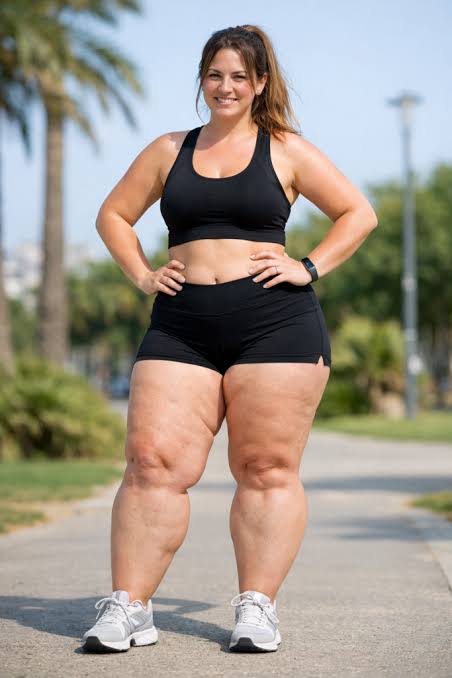
Design a daily rhythm of motion, compression and nurture. A sample routine includes morning compression and gentle mobilization, a mid-day walk or pool session, evening manual drainage or self-massage, and consistent skin checks. Monitor symptoms and how your clothes fit to direct changes.
Surgical Options
Surgical options focus on excision of pathologic fat. Treatment options encompass tumescent liposuction, wet liposuction, and lipectomy. Tumescent liposuction with micro-cannulas under tumescent anesthesia demonstrates good long-term results and has been successful in case series, with one series of 111 patients treated with the low-volume micro-cannular technique reporting significant improvement.
With liposuction, studies report average circumference reductions of 6 to 8 centimeters and leg volume decreases of 6.9 percent. Surgeons should be experienced in lymphatic-preserving techniques. Preservation lowers the risk of chronic lymphedema and enhances functional outcomes. Brazilian recommendations imply aspirated volumes should not surpass 7% of weight, leading to multi-staged operations.
Advantages are increased mobility, reduced pain and an enhanced quality of life. Risks included lymphatic injury, scarring and transient complications including burning. Rare but reported issues included methemoglobinemia and microscopic pulmonary fat embolism. Postoperative care often necessitates continued conservative care, compression and potential additional treatments.
Systematic review backs liposuction for lipedema and urges more quality research to outline long-term effectiveness and best protocols. Continuous monitoring, shared decision-making, and personalized plans are key.
The Emotional Toll
Lipedema has a quiet emotional toll to it in addition to its physical manifestations. Knowing that it is a chronic, frequently misunderstood condition that defies normal weight-loss approaches informs your everyday existence and how you see yourself. Symptoms like mobility limits, chronic pain, fatigue, and brain fog make even routine tasks harder and eat away at your confidence.
These impacts provide a backdrop for the following three topics.
Body Image
Disproportionate, symmetrical fat accumulation in your legs and arms affects the way you view yourself. Things don’t fit or used to fit, and shopping or picking out clothes is a constant challenge. Social activities focused on appearance, sport, or travel can feel fraught due to physical restrictions and apparent difference.
When neither exercise nor diets can change the affected fat, this can feel like a personal failing, not a medical one, amplifying shame and low self-worth. Positive self-talk and function-focused practices, not just look-focused ones, help change that perspective. Little things like opting for comfort in your clothing selections, recalibrating what you expect to look like, and toasting mobility victories count.
Attending support groups or seeing a therapist who specializes in body-image issues gives you tools to regain your confidence. Listening to others’ useful advice about apparel or adaptive sports can simplify day-to-day life.
Mental Health
Depression and anxiety rates increase in lipedema patients, in part because chronic pain and physical limitations sap psychological resources. Chronic pain, the anxiety of symptom control, and the hormonal fluctuations associated with puberty, pregnancy, or menopause can all cause mood swings.
Because lipedema fat is resistant to nutrition, exercise, and even bariatric surgery, it can generate hopelessness, which only exacerbates emotional turmoil. Psychological care ought to be included in therapy. Cognitive-behavioral strategies, pain-coping skills, and medication when necessary can alleviate symptoms and boost function.
Mood-boosters, such as mild exercise within limits, mindfulness, and social connection, bolster resilience. Clinicians and patients require explicit strategies connecting physical symptom management with psychiatric support.
Finding Community
Connection alleviates isolation and provides tangible assistance. Through online groups, patient organizations and advocacy networks, experience, research updates, and coping strategies are shared across borders. Local meetups, webinars, and educational events from lipedema foundations create spaces that encourage learning and affirm experiences.
Story sharing helps normalize frustration and provides tangible tips for everyday care such as compression options, lymphatic massage alternatives, or travel advice. Community intensifies advocacy for medical acknowledgment, which can lessen the sense of being brushed off.
Signing up for group sessions or webinars provides emotional solace and the means to increase quality of life.
Conclusion
Lipedema manifests in distinct, consistent ways. Pain, swelling, and easy bruising indicate a legitimate disorder and millions of others endure years of misdiagnosis. That wait injects stress and doubt and puts a strain on daily life.
Seek out a clinician who understands the signs of lipedema and who listens. Track symptoms with photos and easy notes. Attempt both lifestyle measures and medical alternatives. Little shifts can reduce pain and assist mobility. Surgery can assist in some instances and rehab care supports recuperation.
Other people’s stories count. Peer groups provide advice, solace, and concrete care leads. If you suspect lipedema, schedule a consultation and bring your notes. Take one crystal step today toward care and answers.
Frequently Asked Questions
What is lipedema and why am I not imagining my symptoms?
Lipedema is a long-term fat disease resulting in disproportionate fat accumulation, discomfort, and easy bruising. Symptoms are real, biologically driven, and not caused by weight or lifestyle alone. Validation comes from science and clinical experience.
How can I tell lipedema apart from regular obesity or lymphedema?
Lipedema presents with symmetrical fat on the hips, thighs, and arms with sparing of the hands and feet, bruising, and pain. Lymphedema typically presents with swelling of the hands and feet and a positive Stemmer sign. A specialist evaluation validates distinctions.
When should I see a doctor about my symptoms?
Go see a specialist if you experience stubborn disproportionate fat, pain, easy bruising, or mobility restrictions. Early evaluation optimizes treatment opportunities and rules out other diseases.
What tests confirm a lipedema diagnosis?
Diagnosis is primarily clinical by history and exam. Imaging such as ultrasound and lymphoscintigraphy and exclusion of other causes may be employed. Experienced clinicians give the most accurate diagnosis.
What treatment options help relieve lipedema symptoms?
Conservative care helps with compression garments, manual lymphatic drainage, exercise, and weight management. Surgical options such as lipedema-specific liposuction can minimize fat and pain for appropriate patients.
Will losing weight cure lipedema?
Weight loss can enhance health but typically doesn’t eliminate lipedema fat. Targeted treatments are often required for symptom relief and shape changes.
How can I manage the emotional impact of lipedema?
Look for support from healthcare teams, mental health providers, and peers. With education, validation, and practical symptom control, you can dramatically reduce anxiety and improve quality of life.
 Directions
 Call Us
 Email Us