
Liposuction 2.0: Revolutionizing Precision with Robotic Technology and Smart Analysis
Key Takeaways
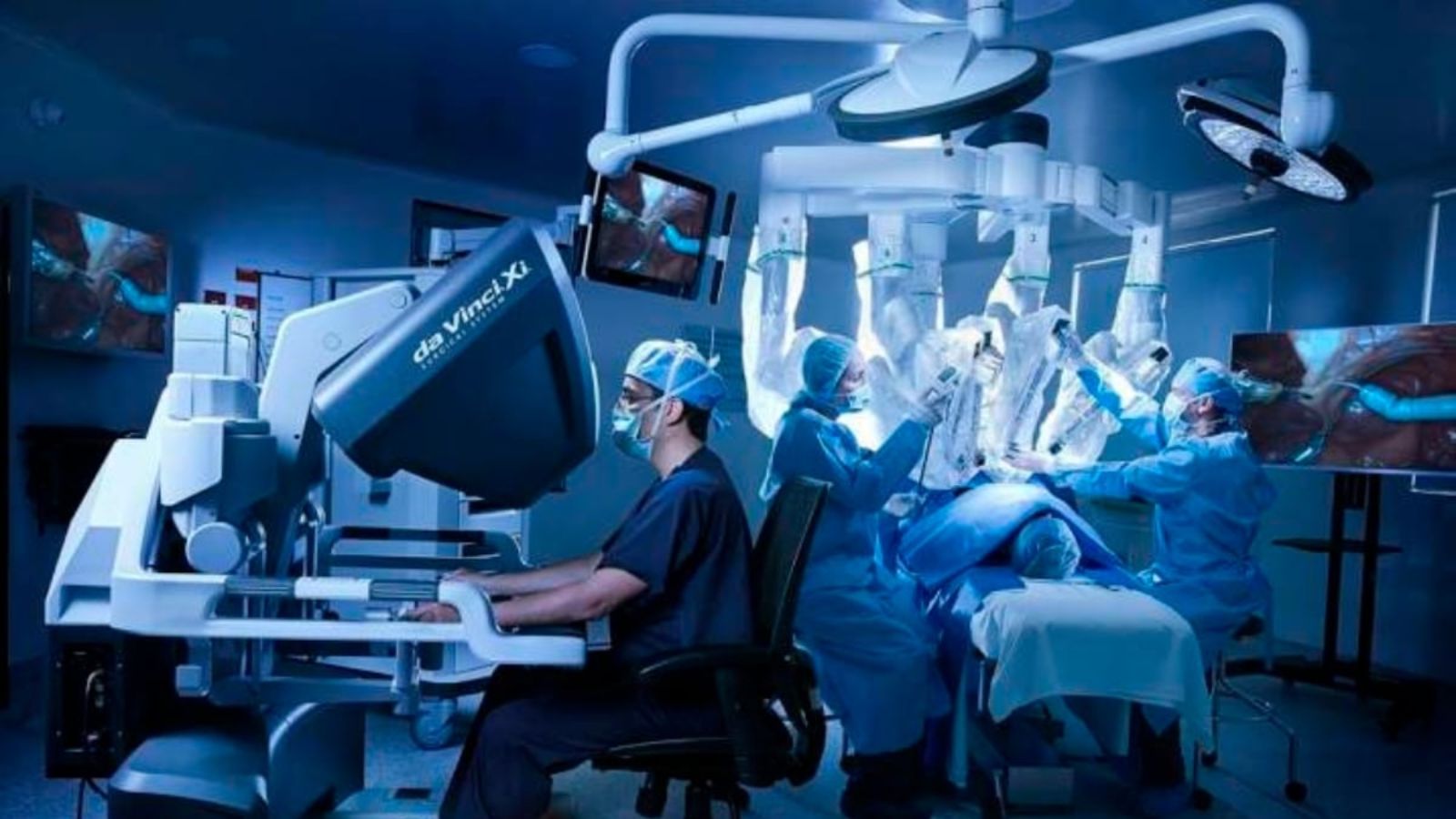
- Liposuction 2.0 changes the game for how we remove unwanted fat. It employs proprietary robotic guidance and smart analysis to enhance precision and safety in every procedure. Compared to traditional methods, this innovation allows for much greater precision resulting in significantly better patient outcomes.
- Robotic systems greatly enhance the art and science of modern liposuction. They improve control and accuracy, reduce surgical risk, and increase overall patient safety by guaranteeing the most precise fat removal.
- Smart analysis, powered by data-driven tools and AI technologies, helps guide surgical decisions and create personalized treatment plans. With enhanced precision, this approach delivers more personalized care for each patient, resulting in better aesthetic outcomes.
- Less trauma to the treated area with enhanced precision in liposuction allows for shortened recovery times. It reduces trauma to adjacent tissues, enhancing patient comfort and allowing faster resumption of normal activities.
- Next-level technologies such as robotic and artificial intelligence tools are opening new horizons for cosmetic surgery practitioners. This paradigm shift calls for new training protocols, and it fundamentally alters what patients should expect from their procedures.
- Future developments to liposuction technology, including emerging robotic systems and AI tools, promise even greater precision and safety. Clinics need to be out in front of these trends to set themselves apart. It’s an important part of their development in the increasingly competitive cosmetic surgery industry.
Using robotic systems, this technique enables more precise fat removal with greater accuracy than conventional methods. The robotic guidance equips surgeons with a new level of steady control to limelight precision, guaranteeing even greater outcomes.
Smart analysis tools help map the body to determine the best fat removal, allowing for customized treatment plans. This innovative approach makes for a quicker recovery and is better tolerated and more satisfying for patients.
By incorporating these technologies into the process, that experience becomes safer, faster, and more efficient—creating a better experience for patients and practitioners alike. This new approach would be a huge improvement in getting people the outcomes they want, while still delivering them – safely.
On a wider aesthetic scale, Liposuction 2.0 is raising the bar for precision.
What Is Liposuction 2.0
Define Liposuction 2.0
Liposuction 2.0 represents a new age in fat removal techniques by combining classic methods with cutting-edge technology. This method is facilitated by robotic systems specifically engineered to maximize surgical precision and performance.
Intraoperative Ultrasound-Assisted Liposuction (UAL) and Laser-Assisted Liposuction (LAL) provide important differences. They give real-time feedback and streamline the entire process. Such technologies provide a more personalized experience, targeting procedures to each patient’s unique physiology for precise fat removal and optimal body contouring.
AI adoption in this process allows for advanced analysis of body structure. This technology does the heavy lifting of recommending the best approaches, which drives 25% better outcomes in some clinics.
Compare Traditional and Modern Techniques
| Feature | Traditional Liposuction | Liposuction 2.0 |
|---|---|---|
| Recovery Time | Longer | Shorter |
| Precision | Lower | Higher |
| Patient Satisfaction | Moderate | Increased |
| Invasiveness | More | Less |
| Downtime | Significant | Reduced |
Thanks to advances in technology and technique, today’s liposuction is much less invasive and requires significantly less downtime.
Thanks to innovations such as robotic technology, procedure time is reduced by 30%. By incorporating real-time monitoring, ethics are raised by improving the safety of procedures.
One Miami clinic has seen a 50% increase in return patients as a result of these upgrades. This patient-centric approach creates an experience which radically reshapes the limits of possibility within cosmetic surgery.
Advancements in Robotic Guidance
1. Explain Robotic Assistance
Guiding such modern liposuction procedures with robotic assistance greatly enhances the precision of the surgery. It equips surgeons with innovative tools that provide more accuracy in fat removal techniques. These robotic arms are now fitted with machine vision sensors and advanced control systems, allowing them to perform intricate tasks and significantly reducing the likelihood of human error.
Robotic systems require little or no change to current surgical workflows, making them an ideal choice for effective liposuction treatments. This advancement simplifies surgical tasks and enables surgeons to focus on healing patients rather than technical skill. The integration of robotic technologies not only makes treatments more efficient but also allows for better liposuction outcomes with predictable, even fat removal.
By incorporating robotics into the surgical field, surgeons gain enhanced confidence for navigating challenging anatomical structures, leading to improved surgical success at lower risk.
2. Discuss Precision in Procedures
Liposuction requires precision. The ability to target only the unwanted areas of fat and remove just the right amount is critical to achieving a natural-looking result. Robotic guidance allows a surgeon to identify these areas with extreme accuracy.
This technology allows for exact navigation through complex body curves, providing safe, controlled, and effective removal of unwanted fat. The accuracy in treatment is most palpable when examining the beautiful cosmetic outcomes. Patients are left with softer, more natural, and more harmonious body shapes as a result.
Robotic systems have revolutionized liposuction, allowing for a more precise approach compared to older techniques. Today, both patients and surgeons alike are sold on this cutting edge approach.
3. Highlight Real-Time Adjustments
Another key feature of robotic systems in liposuction is their ability to make real-time adjustments. In the middle of a procedure, these systems offer real-time guidance, enabling surgeons to adjust their approach in real-time for improved surgical results.
The availability of intraoperative metrics provides the surgeon with greater power through improved informed decision-making. This constant feedback loop means that if there are any deviations, they’re quickly corrected, producing more precise and streamlined processes.
It’s obvious that adaptability in real-time improves the accuracy of fat removal. This improvement helps mitigate risk and improves patient experience and safety in the long term.
Role of Smart Analysis
The liposuction 2.0 philosophy focuses on utilizing data-driven tools to improve pre-operative and intra-operative decision making. It revolutionizes how we plan and perform tasks. AI technologies help us predict what patients need, and what their likely outcomes will be, with more precision.
This new development increases the ease and impact of the process tenfold.
1. Describe Smart Analysis Tools
Smart analysis tools provide detailed visuals of patient anatomy, crucial for understanding the unique contours and structures involved. These tools work behind the scenes, deciphering complex data to inform surgical strategies.

Predictive Analytics: Anticipates potential challenges and optimizes patient care.
These tools are indispensable in the preoperative workup, allowing us to see the full picture before moving forward. Data visualization especially provides a sharp landscape, allowing for informed targeting and action.
2. Explain Data-Driven Decisions
Data forms the basis of every individualized treatment plan. AI can help determine the best approach by analyzing a patient’s body composition, improving surgical performance and patient safety.
Data from the past help control the narrative, allowing AI models to forecast outcomes with greater accuracy.
3. Discuss Patient-Specific Customization
Smart analysis makes it possible to create truly personalized treatment plans. By taking into account local context and community priorities, we can tailor the process to get the aesthetic results people want.
One clinic in California, for example, has achieved a 25% increase in successful outcomes thanks to AI customization.
Benefits of Enhanced Precision
Enhanced precision in liposuction 2.0 is one of the most notable advancements that greatly increase the safety and effectiveness of procedures. This enhanced precision reduces the risk of complications by precisely targeting fat deposits, therefore minimizing damage to the tissue around deposits.
Precision at the robotic system level is as important as the precision at the individual instrument level. They offer superior control and precision, improving patient safety. Precision targeting of fat naturally eliminates stubborn pockets of fat for incredible aesthetic results. This translates into a more natural looking and higher patient satisfaction.
Improve Patient Safety
Enhanced precision provides a much more controlled experience, improving safety when performing liposuction. By eliminating damage to surrounding tissues through precise fat targeting, technologies like robotic systems have been developed to create a safer and more accurate approach.
These systems produce repeatable results, enabling surgeons to perform surgeries in 30% less time compared to manual techniques. This efficiency doesn’t just keep patients safe; it helps create the best possible surgical experience for patients.
Enhance Aesthetic Outcomes
Precision in fat removal is crucial to achieving the most natural-looking results. Contouring is critical to achieving aesthetically pleasing body contours, and new robot-assisted methods improve cosmetic outcomes.
AI analyzes body structures, recommending optimal approaches for fat removal based on extensive data, ensuring tailored and satisfying outcomes.
Reduce Recovery Time
Improved precision reduces recovery time, so patients can return to their normal routine more quickly. Postoperative healing is supported through minimally invasive techniques, and faster recovery leaves patients more satisfied.
AI monitors healing, providing patients with tailored advice and automatically notifying doctors to possible complications, improving recovery journeys.
Transforming Cosmetic Surgery Practices
Technological advances have significantly transformed the practice of cosmetic surgery, with innovations like robotic liposuction exemplifying these remarkable changes. Aesthetic practices, robotic guidance, and smart analysis are revolutionizing surgical practices at breakneck speed. In this modern liposuction procedure landscape, these technologies enhance the surgical field by enabling more accurate, less invasive, and patient-centered procedures.
Robotic-assisted liposuction provides surgeons with an incredible degree of precision in fat removal, offering effective liposuction treatments that can reduce fat by 20% to 25% in a single session. This demonstrates a substantial improvement over traditional lipo methods. Clinical studies have shown that these modern liposuction techniques yield significant results compared to non-invasive approaches, enhancing overall liposuction outcomes.
Moreover, AI-driven, 3D imaging systems further refine this precision, facilitating sophisticated preoperative evaluations and personalized outcomes predictions for each patient. This renders the entire process more predictable and tailored to individual needs, showcasing the advancements in health technology and surgical assessment in the cosmetic surgery landscape.
Integrate Advanced Technologies
It’s important for cosmetic surgery practices to adopt these new emerging technologies to remain competitive. Now, robotic systems and smart analysis tools deliver more precise procedures and better outcomes for patients. For instance, clinics that have implemented these technologies found that their procedures take less time and patients are more satisfied.
One example from the first cohort, a clinic in Seoul, found a 30% decrease in time taken per procedure, underscoring the efficiency improvements. VR-assisted planning, which allows for more accurate surgical preparation using a patient-specific model, further enhances the patient experience. These technologies allow for a much more personalized experience, helping to improve not just the surgical process, but the resulting outcome from surgery for patients.
Adopt New Training Protocols
Training surgeons in the use of robotic and AI technologies therefore is critical in this rapidly changing landscape. Continuing education helps to make sure that surgeons are always experts at using the most recent advancements in liposuction techniques.
When new training protocols, using VR and AI tools, are employed, they can have a tremendous impact on improving surgeon performance and patient outcomes. These protocols serve to expose surgeons to state-of-the-art technologies and further sharpen their skills in performing intricate procedures.
VR, for example, has demonstrated tremendous value in super-microsurgical cases. It’s invaluable in lymphoedema therapy, where surgeons need to work on the tiniest of vessels. In turn, patients receive more precise and targeted therapies.
Influence Patient Expectations
Advancements in liposuction technology play a large role in setting the bar for what patients expect from their results. What’s most important, she said, is to continue educating patients on what today’s techniques can really do, so they’re setting expectations that are achievable.
Understanding the precision and potential of robotic-assisted liposuction helps patients appreciate the outcomes and align their expectations with what is achievable. When patients understand their procedure inside and out, they’re more satisfied with the outcome.
Having a clear understanding of what’s possible creates a healthy anticipation of the final outcome, and that’s key to being pleased with cosmetic treatments.
Future of Liposuction Technology
Predict Emerging Innovations
The future of liposuction technology continues to hold amazing innovations that will sure to raise industry standards even higher. At the vanguard, robotic systems have shown promise in robotic advances, boosting surgical potential. These systems can provide increased precision, enabling better targeted fat removal and body sculpting.
AI fuels this advancement by creating better and more intelligent methods. It scans the body structures and suggests the most effective approaches for fat removal. This AI-driven customization is what allows each procedure to be specifically tailored to each person’s body type and desired results.
Innovation is the great equalizer. Research and development are an important part of creating our future. In fact, one California-based clinic has seen a 25% increase in successful outcomes just by utilizing AI to better inform personalized procedures.
Discuss Potential Challenges
Integrating new technologies into ingrained surgical practices, such as robotic liposuction, is no small task. Navigating this transition requires careful surgical planning. The first step involves overcoming patient apprehension regarding robotic-assisted surgeries while providing the promise of safety through modern liposuction procedures.
While enhanced real-time monitoring systems have created previously unattainable safety profiles, the regulatory considerations surrounding robotic surgery precision must be of utmost importance. As demonstrated through the examples provided above, the need for guidelines to govern the adoption of advanced robotics in liposuction options is critical.
Without confidence in the safety and efficacy of effective liposuction treatments, patients will reject treatment. That’s precisely why it’s essential for practitioners to address these issues directly.
Explore Opportunities for Growth
Technological advancements in liposuction procedures present tremendous growth prospects. Clinics can set themselves apart by being the most innovative clinics, first to practice new techniques, answering the increasing patient-driven demands for individualized, cosmetic solutions.
Embracing change will be key to ensuring a healthy, vibrant, and growing industry. Additionally, it satisfies patient demand for less invasive procedures with shorter downtimes and more tailored results.
AI holds promise in helping track processes of healing and offering real-time recommendations. This amazing new capability underscores the importance of innovation to stay ahead of developing needs.
Conclusion
Liposuction 2.0 is a game-changer with enhanced precision and robotic guidance with smart analysis. Here’s the real deal Robotic guidance is a game-changer, enhancing surgical precision. Enhanced precision, supported by smart analysis Smart analysis provides predictive data that gives surgeons the foresight to make critical decisions. This technological combination doesn’t only enhance precision, but fundamentally transforms the world of cosmetic surgery. Patients are benefiting through shorter recovery times and superior results. Taking a step back as technology continues to advance, the future of liposuction is indeed bright and promising. The future is here and it’s time to be proactive by adopting these technologies. Learn more about the Liposuction 2.0 revolution, and discover how it’s raising the bar on what’s possible in cosmetic surgery. Stay tuned to these advances, and learn how the latest tech can improve surgical outcomes in a substantive way.
Frequently Asked Questions
What Is Liposuction 2.0?
Liposuction 2.0 represents the next evolution of this popular cosmetic procedure, utilizing advanced robotics for enhanced surgical precision and smart liposuction techniques. This modern liposuction procedure not only optimizes fat reduction but also ensures improved liposuction outcomes with reduced recovery time.
How Does Robotic Guidance Enhance Liposuction?
With robotic liposuction, surgeons gain increased control and precision, enabling greater targeting of stubborn fat deposits while minimizing damage to surrounding tissue, ultimately maximizing the effectiveness and safety of modern liposuction procedures.
What Is the Role of Smart Analysis in Liposuction 2.0?
Smart analysis powers modern liposuction procedures with data-driven insights to improve the precision and outcomes of every liposuction treatment. It allows surgeons to better customize surgical planning to the unique needs of patients, guaranteeing optimal fat removal in their desired areas. This method increases patient satisfaction and enhances liposuction outcomes.
What Are the Benefits of Enhanced Precision in Liposuction?
Further precision in robotic liposuction means smoother, natural-looking contours and more even results. It minimizes the chance of irregularities while increasing the overall safety of patients, leading to quicker recovery and improved cosmetic outcomes.
How Is Liposuction 2.0 Transforming Cosmetic Surgery Practices?
By integrating augmented reality and advanced robotics into liposuction, Liposuction 2.0 raises the bar for surgical precision and safety standards in cosmetic surgery. This modern liposuction procedure minimizes complications, enhances surgical outcomes, and maximizes patient satisfaction, ultimately changing the landscape of body contouring and how surgeons approach it.
What Does the Future Hold for Liposuction Technology?
The future of robotic liposuction technology is bright, and with each passing year, new innovations continue to emerge. Stay tuned for enhanced precision, safety, and liposuction outcomes as these fields continue to converge. Emerging technologies will help further personalize modern liposuction procedures, making treatments even more effective and patient-friendly.
 Directions
 Call Us
 Email Us