
Liposuction Bruising: Tips for Quick Recovery & Healing

Understanding Liposuction Bruising
Definition
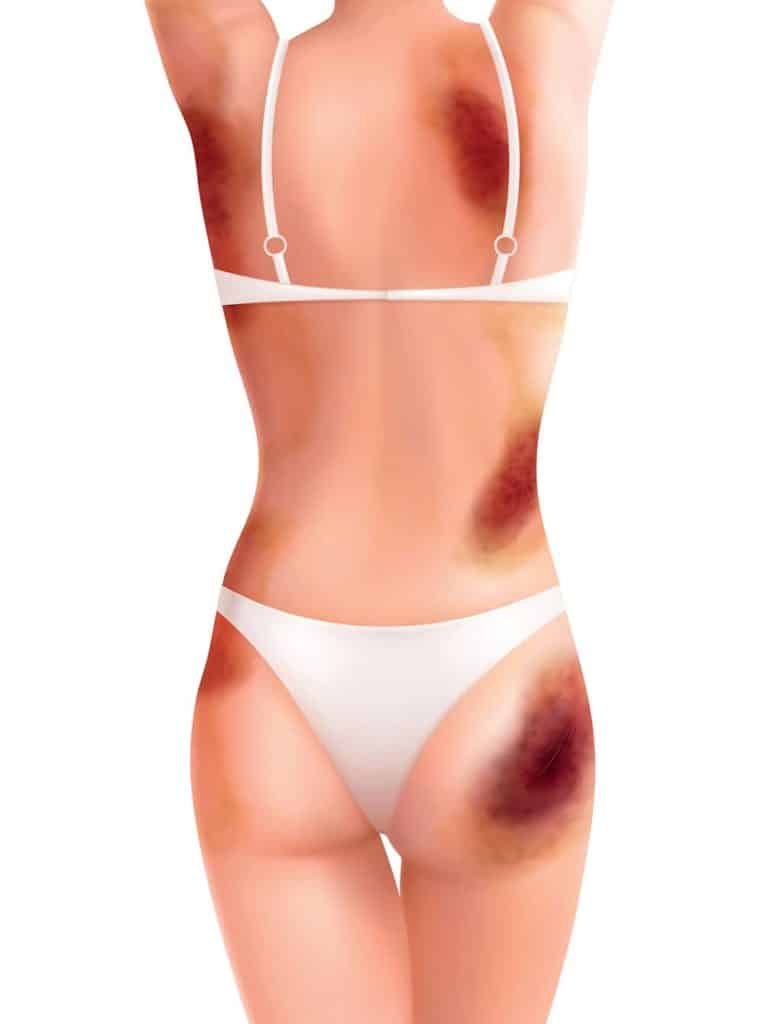
Liposuction bruising is a combination of oedema and ecchymosis. Oedema refers to swelling caused by fluid accumulation. Ecchymosis means blood collecting under the skin, leading to discoloration and haematoma in the dermis. These are normal responses to liposuction surgery.
Causes of Severe Bruising
Certain factors can lead to unusually severe or persistent bruising in the patient, potentially requiring blood transfusion due to significant blood loss. Smoking affects blood circulation, slowing down healing. Blood thinners, such as aspirin or certain supplements, can also increase bruising in a patient after a plastic surgery procedure like laser liposuction. It’s important for the patient to disclose all medications pre and aft a successful liposuction surgery.
Compressive Garments
Compressive garments play a crucial role in liposuction recovery. They help reduce swelling and support the treated area. Wearing these garments consistently can minimize bruising and speed up healing for the patient aft laser liposuction. Most surgeons recommend wearing them for several weeks after the laser liposuction procedure.
Manual Lymphatic Drainage
Manual lymphatic drainage (MLD) is another method to reduce post-operative swelling and bruising after laser liposuction. MLD involves gentle massage techniques that stimulate the lymphatic system, often used post-lipo and with suction. This helps remove excess fluid and reduces oedema. Many patients find MLD beneficial during their liposuction treatment.
Proper Technique
Using a proper liposuction technique can also impact bruising levels. Surgeons who use modern methods, like laser liposuction, often see less bruising in patients. Laser liposuction uses heat to liquefy fat, making it easier to remove with less trauma to tissues.
Patient Care
Following post-operative care instructions is vital for reducing bruising after lipo and suction. Patients should avoid strenuous activities and follow their surgeon’s guidelines closely after suction lipo. Proper rest and hydration also play a significant role in recovery.
Timeline of Bruising Recovery
Initial Days
Bruising starts immediately after liposuction. The first 2-3 days are crucial. Blood vessels break, causing discoloration.
Swelling also begins in this period. Patients might feel discomfort and see visible bruises. Blood loss during surgery contributes to the initial bruising.
Peak Bruising
By day 7-10, bruising reaches its peak. The affected areas appear dark purple or blue. This is a normal part of healing.
Swelling intensifies around this time. Pain may still be present but should lessen gradually. Follow post-operative care instructions closely.
Two Weeks Post-Surgery
Bruises start to fade after two weeks. Colors change from purple to yellow or green. Blood loss effects diminish.
Swelling begins to reduce noticeably. Adherence to care routines speeds up recovery. Some patients might still experience mild discomfort.
Four Weeks Post-Surgery
By week four, most bruising resolves. Skin color returns to normal for many patients. Swelling continues to decrease.
However, some might still see minor discoloration. Following doctor’s advice remains critical for full recovery.
Extended Recovery
Excessive swelling can prolong recovery beyond six weeks, especially after abdominal liposuction. This might lead to scarring and contour irregularities if lipo suction is not managed well.
Patients with underlying health issues might face longer recovery times. Proper hydration, diet, and rest are essential.
Individual Factors
Recovery timelines vary based on individual factors:
- Health status
- Age
- Skin type
- Adherence to post-operative care
Younger, healthier individuals often recover faster. Those who follow their doctor’s instructions tend to have better outcomes.
First Days After Surgery
Immediate Appearance
Bruising and swelling are common after a cosmetic surgery procedure like liposuction. The treated area will look discolored and swollen. This is normal and expected. Bruising can appear dark purple or blue initially. Swelling might make the area feel tight and puffy.
Practical Comfort Measures
Rest is crucial in the first few days following the surgery. Elevating the treated area helps reduce swelling. Use pillows to prop up the affected part of your body. Avoid strenuous activities to prevent further injury.
Compression Garment Importance
Wearing a compression garment is vital for recovery. Surgeons recommend wearing it as directed to minimize swelling and support skin retraction. The garment applies gentle pressure, aiding in proper healing.
Pain Management
Pain and discomfort are normal post-surgery. Over-the-counter pain relievers can help manage this. Follow your surgeon’s advice on medications. Avoid aspirin as it can increase bruising.
Incision Care
Keep incisions clean and dry to prevent infections. Follow the instructions provided by your surgeon for wound care. Use mild soap and water for cleaning if advised.
Monitoring for Complications
Watch for signs of complications such as excessive bleeding or severe pain. Contact your surgeon if you notice unusual symptoms. Early intervention can prevent serious issues.
Nutrition and Hydration
Stay hydrated by drinking plenty of water. Proper nutrition supports healing. Eat balanced meals rich in vitamins and minerals.
Managing Bruises in Early Weeks
Gentle Movements
Gentle activities can help manage bruising. Walking around the house promotes circulation. This helps reduce ecchymosis and swelling. Avoid strenuous exercises or heavy lifting.
Light stretching can also aid recovery. It prevents stiffness without causing trauma to healing tissues. Always move slowly and carefully.
Post-Operative Care
Following post-operative care instructions is crucial. Compression garments must be worn as directed. These garments reduce bleeding and support healing tissues. They also minimize surface irregularities.
Attend all follow-up appointments. Doctors assess healing progress and address any concerns. Missing these appointments can delay recovery.
Avoiding Exacerbation
Certain activities can worsen bruising. Avoid bending over or lifting heavy objects. These actions increase internal blood loss and swelling.
Stay upright as much as possible. Lying down too much can lead to fluid accumulation. This causes more bruising and erythema.
Proper Dressings
Use proper dressings on the affected areas. Compression dressings help control bleeding and reduce swelling. Change dressings as instructed to prevent infection.
Keep the area clean and dry. Moist environments can lead to complications like infection or poor skin elasticity.
Massage Techniques
Gentle massage can help with bruising. Lightly massaging the area promotes better blood flow. It helps disperse trapped fluids under the skin.
Avoid deep tissue massage during early weeks. Deep massage can cause more injury and worsen bruising.
Hydration and Nutrition
Staying hydrated aids in recovery. Drink plenty of fluids to keep your body functioning well. Proper hydration helps flush out toxins from the body.
Eat a balanced diet rich in vitamins and minerals. Nutrients like Vitamin C and zinc support healing processes.
Healing in Weeks 3 to 4
Bruising Reduction
By weeks 3 to 4, bruising from liposuction has significantly reduced. Most patients notice that bruises have faded. The body continues to heal, and the skin’s appearance improves. Swelling also starts to decrease during this period.
Continued Compression
Surgeons often recommend wearing compression garments. These garments help reduce residual swelling. They also support the tissues as they heal. Patients should follow their surgeon’s advice on how long to wear these garments.
Normal Activities
Patients can start returning to normal activities gradually. However, it’s important to do this under a healthcare professional’s guidance. Light exercises can be resumed, but strenuous activities should still be avoided.
Monitoring for Complications
Though rare, complications like skin necrosis or seroma can occur. Skin necrosis involves the death of skin cells due to lack of blood supply. Seroma is the collection of fluid under the skin. Any unusual symptoms should be reported to a doctor immediately.
Pain Management
Pain usually decreases by this stage. Over-the-counter pain relievers can help manage any discomfort. If pain persists or worsens, consult with a healthcare provider.
Lymphatic Drainage
Lymphatic drainage massages may be recommended by some surgeons. These massages help reduce swelling and improve healing. They also prevent the formation of bulges under the skin.
Ultrasound Therapy
Ultrasound therapy can be used as part of the treatment plan. It helps break down fat cells and smooth out the skin. This therapy also promotes better blood flow and reduces swelling.
Infection Prevention
Infections are rare but possible. Keep an eye on incision sites for signs of infection, such as redness or pus. Follow all post-operative care instructions given by your surgeon.
Age Factors
Healing time can vary based on age and overall health. Younger patients might heal faster than older ones. It’s essential to maintain a healthy lifestyle to aid recovery.
Recovery Beyond the First Month
Swelling Reduction
By the end of the first month, most swelling should have reduced significantly. The treated area will start to look more normal. Some patients may still notice minor swelling. This is common and usually not a cause for concern.
Appearance Normalization
The skin and tissues in the treated area begin to settle. This process can take several months. It is important to be patient. The final results of liposuction often become visible after six months to a year.
Lingering Effects
e individuals may experience minor contour irregularities. These usually resolve over time. If concerns persist, consult your doctor. They may provide additional guidance or treatments if necessary.
Importance of Rest
Rest remains crucial during this period. Avoid strenuous activities that might strain the treated areas. Light exercises can help improve circulation and aid recovery.
Healthy Lifestyle
A healthy lifestyle is key to maintaining long-term results. Proper nutrition supports healing and overall well-being. Include:
- Fruits and vegetables
- Lean proteins
- Whole grains
- Plenty of water
Avoid excessive salt and sugar intake.
Long-Term Care
Follow-up visits with your doctor are important. They can monitor your progress and address any concerns. Adhering to post-operative care instructions ensures better outcomes.
Tips for Minimizing Bruising
Pre-Operative Steps
Avoid blood thinners before surgery. Medications like aspirin and ibuprofen can increase bruising. Stop these at least two weeks prior to the procedure. Consult your doctor for alternatives if needed.
Quit smoking to improve blood flow. Smoking can constrict veins, making bruising worse. Aim to stop smoking at least a month before surgery.
Immediate Post-Operative Care
Apply cold compresses in the first 48 hours. This helps reduce swelling and bruising. Use ice packs wrapped in cloth for 15-minute intervals.
Follow prescribed lymphatic massages. These can help move excess fluids and reduce haematomas. Your surgeon will guide you on the technique and frequency.
Hydration and Diet
Maintain adequate hydration. Drink plenty of water to keep your blood volume stable. Proper hydration aids in faster healing.
Eat a balanced diet rich in vitamins. Focus on foods high in Vitamin C and K. These vitamins help strengthen blood vessels and reduce skin hyperpigmentation.
Medication and Supplements
Heparin may be recommended by your doctor. It helps prevent DVT (deep vein thrombosis) and reduces bruising risks. Always follow the dosage instructions carefully.
Consider supplements like arnica or bromelain. They are known to reduce inflammation and bruising. Consult your healthcare provider before starting any new supplement.
Clothing and Compression Garments
Wear loose-fitting clothes post-surgery. Tight clothing can irritate the skin and worsen bruising.
Use compression garments as advised by your surgeon. They help contour your body and minimize swelling and bruising.
Addressing Common Concerns
Common Issues
Bruising is a common issue after liposuction. It usually appears in the treated areas. Bruises form due to blood vessels breaking during the procedure. This is a normal part of the healing process.
Most bruises resolve within two to three weeks. Some may take longer, depending on individual cases. Proper post-operative care can help speed up recovery.
When to Consult
Severe or persistent bruising can be concerning. If bruising does not improve after three weeks, consult your healthcare provider. Swelling and discomfort should also lessen over time.
Seek medical advice if:
- Bruises are unusually large
- Pain intensifies instead of improving
- Swelling increases significantly
These could indicate complications that need prompt attention.
Misconceptions About Bruising
Many believe bruising from liposuction is permanent. This is not true. Bruising is temporary and fades with proper care. Post-operative techniques like compression garments can reduce swelling and bruising.
Bruising does not mean the procedure was unsuccessful. It’s a standard part of recovery.
Effective Post-Operative Care
Effective care can mitigate long-term complications. Following your surgeon’s advice is crucial. Use prescribed medications to manage pain and inflammation.
Compression garments provide support to treated areas. They help reduce swelling and bruising. Wearing them as instructed enhances recovery.
Local Complications
Local complications can occur but are rare with proper training and techniques. Infections, hematomas, and seromas are potential issues.
Signs of infection include:
- Redness around the incision
- Pus discharge
- Fever
Hematomas and seromas involve fluid collection under the skin. These may require drainage by a healthcare provider.
Emotional Support
The recovery process can be emotionally challenging. Seeing bruises and swelling might cause distress. Understanding that these are temporary helps manage expectations.
Consultation with your surgeon for reassurance is beneficial. They can address concerns and provide guidance on what to expect during recovery.
Summary
You’ve got the lowdown on liposuction bruising, from understanding and managing it to tips for speeding up recovery. Each phase of healing has its quirks, but knowing what to expect makes the journey smoother. Remember, patience is key, and those bruises will fade with time.
If you’re gearing up for liposuction or in the midst of recovery, keep these insights handy. They’ll help you breeze through the process. Got questions or need more tips? Dive deeper into our resources or consult your surgeon. Take charge of your recovery and get back to feeling your best!
Frequently Asked Questions
What causes bruising after liposuction?
Bruising occurs due to blood vessels being disrupted during the procedure. This is a normal part of the healing process.
When will the bruising start to fade?
Bruising typically starts to fade within the first two weeks. Full recovery can take up to four weeks or more.
How can I reduce bruising after liposuction?
To reduce bruising, follow your surgeon’s post-op care instructions. Apply cold compresses and avoid strenuous activities.
Is it normal for bruising to be severe in the first few days?
Yes, it’s normal for bruising to be more pronounced in the first few days post-surgery. It gradually improves with time.
Can certain medications help with bruising?
Yes, arnica and bromelain supplements may help reduce bruising. Always consult your surgeon before taking any medication.
Are there any foods that can help with bruise healing?
Foods rich in vitamin C and K can aid in bruise healing. Include citrus fruits, leafy greens, and berries in your diet.
When should I be concerned about my bruising?
If bruising worsens after two weeks or is accompanied by severe pain, contact your surgeon immediately.
 Directions
 Call Us
 Email Us