
Questions to Ask at Your Liposuction Consultation Before Surgery
Key Takeaways
- Ask your surgeon about their board certification, experience with liposuction, and complication rates to confirm their clinical competence and safer outcomes prior to surgery.
- Compare recommended techniques like tumescent, ultrasound-assisted, and laser-assisted liposuction to discuss benefits and risks and what best suits your body areas and goals.
- Establish anesthesia type and provider credentials. Discuss pain management and monitoring procedures to ensure you’re ready for procedure-day safety and comfort.
- Have the surgeon give you a full section of everything that goes into the cost — surgeon, anesthesia, facility, compression garments, medications, follow-up care, etc. See if you have payment or financing options available.
- Determine if you’re a candidate. Discuss your health, BMI, medications, and expectations to see if liposuction is appropriate. Inquire about alternatives if you’re not a good fit.
- Provide detailed pre-surgery and recovery protocols such as necessary tests, preparing your home, warning signs of complications, follow-up appointments, and a stepwise return to activity.
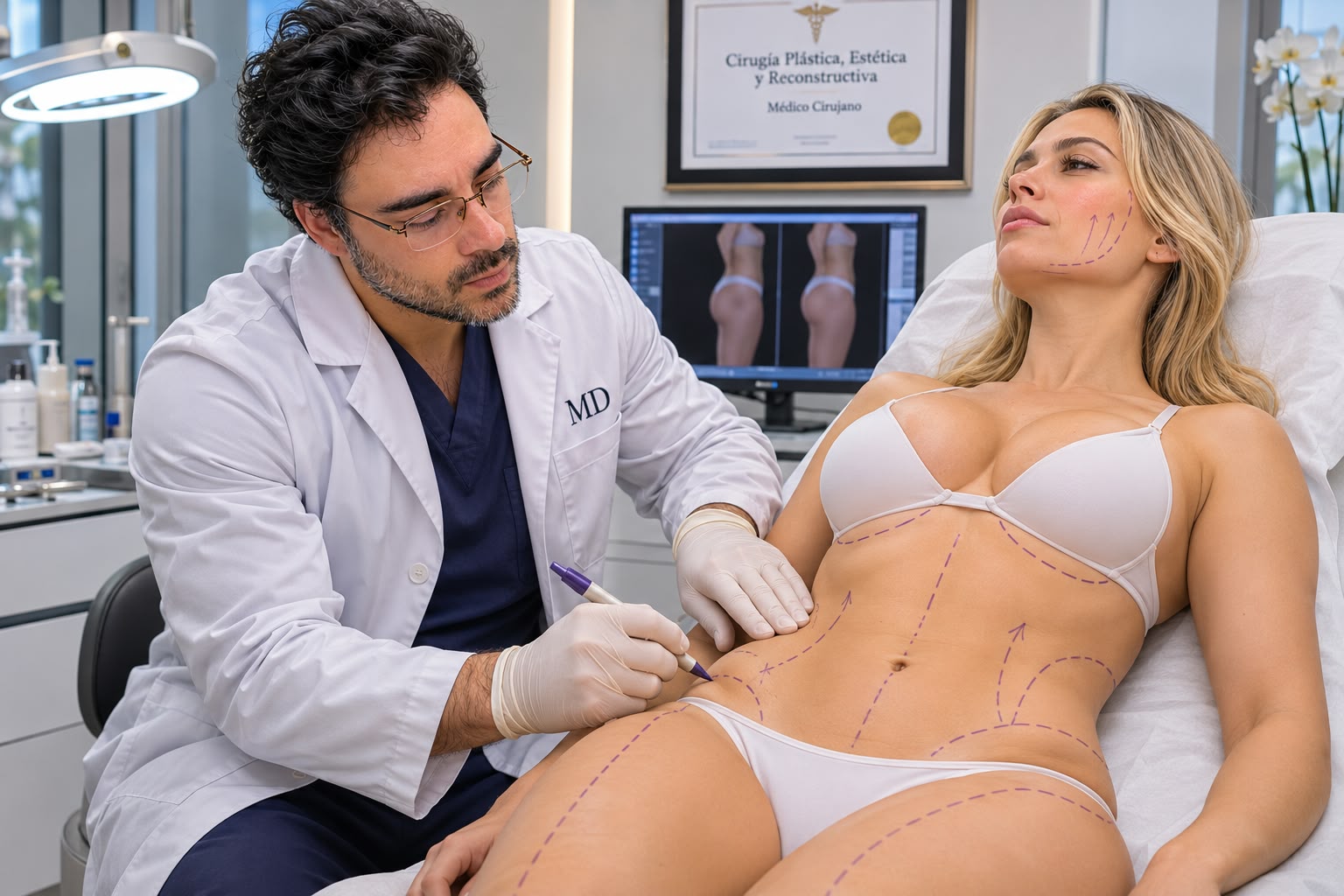
Questions to ask at a liposuction consultation, these are the questions you want to ask your surgeon to evaluate safety, results, and recovery. They span surgeon credentials, technique choices, anticipated fat removal, risks, scarring, and what you can realistically expect in terms of healing and results. Cost, anesthesia, and before-and-after photos help set expectations. Inquiring about follow-up care and revision policies helps you make informed decisions and plan more clearly for surgery and recovery.
Consultation Checklist
Consultation is an opportunity to get the facts, explore your options, and make a decision without feeling pressured. Leverage this section to arm yourself with specific questions for plastic surgeons, verify credentials, and understand the cost of liposuction, including fees and various liposuction techniques.
1. Surgeon Credentials
When considering liposuction, it’s crucial to check for board certification and membership in reputable surgical societies. Specifically, inquire if the surgeon is board-certified by the American Board of Plastic Surgery and request proof of current certification. Additionally, ask about their experience with various liposuction techniques and how many procedures they perform annually, as well as their complication rates. Understanding the cost of liposuction is also essential, so be sure to discuss fees and prices upfront. Lastly, demand testimonials or references and speak with an ex-patient if possible.
2. Technique Selection
Discuss with the plastic surgeons which type of liposuction they prefer for your objectives, such as tumescent, ultrasound-assisted, or laser-assisted. Inquire about the cost of liposuction and how each technique functions, including its anticipated efficacy on your fat type and the compromises in safety and recovery duration. Specify if they use one technique or a combination of liposuction techniques for contouring. Request examples: for fibrous areas like the back, ultrasound or power-assisted approaches may be better. For small areas such as the double chin, local tumescent techniques might suffice.
3. Anesthesia Protocols
Is the planned anesthesia local with sedation or general, and why does that fit your procedure? Inquire who will administer anesthesia, their credentials, and what monitoring will occur during surgery. Discuss the cost of liposuction and risks linked to each anesthesia choice, along with measures to minimize those risks. Confirm pain management plans: intraoperative measures, immediate post-operative medication, and prescriptions for home use. Additionally, ask about the fees associated with various liposuction techniques and if you need to fast, usually nothing to eat or drink for approximately 12 hours prior to the visit.
4. Recovery Timeline
When discussing your recovery timeline for swelling, pain, and return to normal activities, it’s essential to ask your plastic surgeons about the anticipated cost of liposuction. Inquire when you will be cleared to take time off work, usually a few days, and when light exercise and full activity are allowed, typically two to four weeks for most patients. Additionally, recognize signs of trouble and who to call after hours. Anticipate that final results will shift over weeks to months, with the most obvious results by around six months.
5. Total Expenses
Obtain a detailed cost breakdown that includes the surgeon’s fees, anesthesia, facility charges, and post-op care. Inquire about additional costs such as compression garments, medications, lab work, and imaging. When consulting plastic surgeons, ask for per-area pricing — stomach versus love handles — and if discounts exist for treating multiple areas. Check for payment plans or financing and request a written itemized estimate.
Procedure Options
Each liposuction procedure is best for different objectives, locations, and skin qualities. Explore the various liposuction techniques your plastic surgeon offers and understand why one might be best suited for you. Question how your skin quality, fat distribution, and any previous surgeries influence selection. Additionally, verify the cost of liposuction, anesthesia options, average procedure duration, and if the clinic treats the area outpatient so you can head home that same day.
Tumescent Method
Tumescent liposuction is a technique that injects a significant amount of saline solution combined with lidocaine and epinephrine to inflate the fat, minimize blood loss, and facilitate fat extraction. This skill usually translates to less blood loss and cleaner planes for suctioning, which can reduce post-operative bruising and swelling. The routine liposuction techniques can be performed under local anesthesia with sedation or under general anesthesia. Shorter procedures may take around 45 minutes, while larger ones may take several hours. Tumescent liposuction suits many regions: abdomen, flanks, thighs, and submental fat respond well, though plastic surgeons may avoid areas with very loose skin unless combined with other procedures. Inquire about the anticipated duration of your session, the cost of liposuction, and what anesthesia the surgeon suggests for your scope.
Ultrasound Assistance
Ultrasound assisted liposuction (UAL) applies high-frequency ultrasound waves to liquefy fat prior to suction, facilitating fat removal in dense or fibrous areas. This can be especially beneficial on the back, male chest (gynecomastia-associated fatty tissue), and surgically scarred areas. The advantages of UAL include possibly easier contouring in challenging areas where fat is more difficult to remove. However, this method introduces its own set of dangers, as improperly used heat can lead to burns or nerve irritation. Patients should discuss the cost of liposuction with their surgeons to compare anticipated downtime and complication rates against other liposuction techniques for their objectives.
Laser Assistance
Laser-assisted liposuction, a popular method among plastic surgeons, liquefies fat with thermal energy, promoting a degree of skin retraction. This technique is frequently employed for tiny, exact, or sensitive areas such as the jawline or ankles, making it ideal for small pockets that require fine shaping. When considering the costs, inquire about the cost of liposuction and how this method compares to tumescent or ultrasound in terms of safety and results.
| Method | How it works | Best for | Common risks |
|---|---|---|---|
| Tumescent | Fluid + suction | Large areas, general contouring | Bleeding, bruising, swelling |
| Ultrasound | Sound waves liquefy fat | Fibrous/dense areas | Burns, nerve injury |
| Laser | Heat melts fat, tightens skin | Small, precise zones | Burns, skin irregularity |
Candidate Assessment
An obvious reality check of candidacy helps you decide whether or not liposuction is right for you and what results to anticipate. The consultation is the moment to discuss health, objectives, and logistical matters so the patient and plastic surgeons can arrive at a conscientious plan. Understanding the cost of liposuction is also vital during this phase, as it can influence your decision-making process.
Determine whether your health, BMI and fat distribution qualify you as a candidate for liposuction. Good candidates are typically within around 9 to 14 kg (20 to 30 pounds) of their ideal weight, in good physical health, and have localized fat deposits that won’t respond to diet or exercise. Skin elasticity matters: firm skin retracts better after fat removal, while loose or severely stretched skin may need a skin-tightening procedure or excision. Bring pictures of your objective and wear skinny clothes so the doctor can examine your fat distribution and talk about realistic transformations in areas such as your tummy, flanks, thighs or arms.
Mention if you have any medical conditions, medications, or allergies that could affect surgery or recovery. Discuss your entire medical history, including heart disease, bleeding disorders, diabetes, autoimmune issues, previous surgeries, and implants. Name prescription, over-the-counter medications, supplements, and herbals, such as blood thinners and NSAIDs, which increase bleeding risk. Record allergies to anesthesia or antibiotics. This context informs safety decisions, anesthesia type, and perioperative planning, such as pre-operative labs or cardiac clearance if necessary.
Define what to reasonably expect in terms of fat removal, body sculpting, and skin contraction. Liposuction techniques shape and contour the body by removing fat volume. It is not a weight-loss method, so anticipate modest differences, not a dramatic drop in pounds. Inquire about the maximum volume safe to extract in one session and what the results appear to be at 3, 6, and 12 months. Ask for the surgeon’s recent before-and-afters, preferably from patients with similar body types. Talk about probable scarring, risk of asymmetry and contour irregularities, and the possible need for touch-ups. A surgeon who has performed hundreds of cases every year for the last several years will be much more consistent in his results and ought to discuss risks and complication rates openly.
Inquire about different paths if you aren’t an optimal candidate. Options range from non-invasive fat reduction, localized skin tightening treatments, or combination procedures such as abdominoplasty when excess skin is a factor. If medical issues contraindicate surgery, inquire about staged approaches or referrals to pertinent specialists. Cover aftercare: compression garments, expected downtime, pain medication options, and signs of complications. Make sure your surgeon is board certified by an established surgical board and do not hesitate to get a second opinion if you’re unsure about their advice.
Preparation Steps
Preparation makes for a safer process and easier recuperation, especially when considering the fees and prices of various liposuction techniques.
- Observe any pre-surgery directions your surgeon provides. These typically come a few days prior to the procedure and provide details such as which medications to discontinue, what to wear, and what time to arrive. Discontinue blood thinning supplements and specific anti-inflammatories as directed. Don’t engage in any grueling workouts in the few weeks leading up to surgery. Maintain mild exercise, like a daily walk, to promote good circulation and spirits. Be at a healthy weight. Most surgeons recommend being within 4 to 7 kg (10 to 15 lb) of your goal weight to get consistent results.
- Double check necessary lab tests and medical clearances. Inquire about necessary lab work. Standard tests are a complete blood count and coagulation profile. Check if a recent physical or clearance from your PCP or cardiologist is needed. Provide a complete pharmacy of medications, including over-the-counter and supplements, along with herbal medicines. For example, if you have diabetes or hypertension, make sure these are well controlled and documented before surgery.
- Respect fasting rules and medication timing. Patients are generally requested to fast for approximately 12 hours prior to general anesthesia or specific types of sedation. Make clear if you should take crucial morning meds with a little sip of water and which meds you must bypass. Double check when fasting starts and verify rides. You can’t drive for 24 hours after anesthesia.
- Organize assistance for the journey and immediate recuperation. Liposuction is usually outpatient, so you can frequently go home the same day. Make sure you have a good friend or family member willing to drive you to and from the surgical center and assist at home for at least the initial 24 to 48 hours. Arrange for someone to be close by for that first week if possible, particularly if multiple areas are treated.
- Set up your home recovery room and provisions. Be sure to have on hand your compression garments in the appropriate sizes, prescribed pain meds, stool softeners, wound care supplies, and a thermometer. Arrange a pillow-filled nest to prop up treated areas, and have water, snacks, and phone chargers within easy reach. Plan to rest for a day or two after surgery and adjust activities for a few weeks while minimizing lifting, bending, or heavy exertion according to your surgeon’s schedule.
- Check diet and hydration to maximize healing. Keep hydrated and eat a well-protein and vitamin/mineral rich diet in the days leading up to and following your surgery. No alcohol 48 hours before surgery and until cleared after surgery. Proper nutrition and hydration decrease infection susceptibility and promote tissue healing.
Recovery Management
Lipo recovery is different for each patient, area treated, and amount of fat removed. There are obvious milestones to prepare for. General anesthesia is used, and patients should be NPO for approximately 12 hours pre-op. Same-day discharge occurs in most cases. Set up someone to drive you home and stay with you for the first day or two. Pain is generally mild to moderate in week one and is managed with prescribed medication, after which over-the-counter options are often sufficient.
- Strategies for managing recovery: * Arrange immediate help: have a friend or family member with you for 24 to 48 hours after surgery to assist with basic needs.
- Take prescribed pain meds as directed the first week, then switch to over-the-counter pain relievers after if necessary.
- Use a compression garment over treated regions for multiple weeks to minimize swelling and facilitate tissue repair.
- Initiate mild daily walks as early as you are capable to prevent blood clots and promote lymphatic drainage.
- Don’t do any heavy lifting or intense workouts for several weeks; have your surgeon provide you with a customized timeline.
- Protect incision sites—keep them clean and dry and follow wound care guidance from your surgical team.
- Record progress with pictures and captions to show swelling and contour.
Recovery Management
We schedule follow-up visits to track healing, take out stitches and answer questions. Usual appointments are during the first week, two to three weeks and six weeks, but your surgeon will establish a schedule specific to your situation. These visits allow the clinician to monitor for infection, fluid collections, or irregular contours and to recommend when to reintroduce activities such as running or weight lifting.
Know when to seek immediate care: increasing redness, spreading warmth, a fever over 38°C, sudden severe pain, heavy bleeding, or rapidly worsening swelling are all signs of possible infection or other complications. Report ongoing numbness beyond the anticipated timeframe or any breathing difficulties post anesthesia.
Organize your return to work and normal life in a slow and steady way. Many patients return to desk work within a few days. If you have a physically demanding job, you should anticipate taking several weeks off or at least modified duties. Strenuous workouts and heavy lifting are generally restricted for several weeks. Low-impact activity like walking should start immediately to assist healing. Swelling can linger for several weeks, and skin tightening and final contour may not be apparent for months post procedure.
Critical Perspective
Liposuction is a serious surgery that involves unique risks and potential rewards. Prior to diving into the details, it’s essential to understand that liposuction should be viewed as a body-shaping tool rather than a weight loss or lifestyle solution. Keeping this perspective in mind will help you as you explore the results, safety, and maintenance associated with this procedure. Understanding the cost of liposuction is also crucial for making an informed decision.
Consider the long-term advantages and disadvantages of liposuction compared to non-invasive fat reduction alternatives. Inquire about the regions that are most surgically responsive and which can be addressed by cryolipolysis, ultrasound, or injectable deoxycholic acid. Get data on the expected fat volume removed in milliliters, likely contour change, and published results for patients with your body type. Compare downtime. Surgical liposuction often means several weeks before normal activity, versus a few days for some non-surgical methods. Inquire about longevity. Liposuction eliminates fat cells in the target region, but residual fat cells may increase with weight fluctuations, whereas non-invasive techniques might need to be repeated to maintain results. Request examples. Show before-and-after photos from patients with similar BMI, age, and skin quality, and ask how often non-surgical treatments were repeated to match surgical outcomes.

Imagine the emotional and psychological effect of a body contouring surgery. Ask whether your surgeon evaluates body image expectations and screens for body dysmorphic disorder. Mention probable alterations in self-image and possible regrets if outcomes don’t meet expectations. Request information on support, such as pre-op counseling, access to mental health resources, and peer support groups. Request the surgeon for instances where patients stated improved confidence and those that were let down, and how his or her team took care of them.
Consider the value of results through lifestyle and weight maintenance. Ask for concrete plans: recommended exercise routines, dietary guidance, and follow-up schedules in months and years. Inquire about how much weight gain would impact outcomes and what the indications are for fat returning versus post-surgical contour alteration. Ask for a schedule of follow-up measurements or pictures at specified intervals and if the clinic provides refresher treatments or referrals to nutritionists.
Lastly, remember that liposuction is not a weight loss solution or a remedy for an unhealthy lifestyle. Inquire about how your current weight and any co-morbidities might affect your eligibility and the associated risks. Seek information on complication rates, common side effects, and how complications are managed. It’s vital to ask about the training and certification of your surgeons, as well as facility accreditation and revision policies. While studies indicate that numerous patients experience benefits, responses can vary widely. Use clear, targeted questions to assess whether liposuction aligns with your long-term aspirations and to understand the fees associated with the procedure.
Conclusion
A well-defined list of questions makes your liposuction consult work better. Inquire about your surgeon’s training, experience with cases like yours, and rates of complications. Inquire about which technique suits you, duration of results, and how scars and follow-up appear. Get a step-by-step guide on prep, pain control, and recovery in days and weeks. Ask to see before and after pictures of actual patients as well as pictures of any complications. Verify costs, what the fee includes, and if additional visits or drains incur a charge. Note any red flags: vague answers, pressure to book, or refusal to show credentials. Bring a list, write answers down, and trust clear, direct information. Let’s get your questions ready. Begin your list today.
Frequently Asked Questions
What key questions should I ask about the surgeon’s qualifications?
Inquire about board certification, experience, and the various liposuction techniques used by plastic surgeons, along with their fees and the cost of liposuction.
How do I know which liposuction technique is best for me?
Inquire about which liposuction techniques the plastic surgeons provide, such as tumescent, ultrasound, laser, and power-assisted, and why one is appropriate for your body, skin elasticity, and goals, including the cost of liposuction.
What realistic results and risks should I expect?
Ask about anticipated contour changes, the average amount removed, and complications such as infection, asymmetry, numbness, and contour irregularities when consulting with plastic surgeons about the cost of liposuction.
What is the total cost and what does it include?
Ask for a full price breakdown, including the surgeon fees, anesthesia, facility costs, and any additional expenses related to liposuction techniques, pre-op tests, garments, and follow-up visits.
How should I prepare before the procedure?
Inquire regarding which medications to discontinue, smoke cessation, blood work, and fasting before the procedure. Your plastic surgeon should provide a clear risk-reduction checklist and discuss the cost of liposuction.
What does recovery look like and when can I return to activities?
Be sure to inquire about the fees associated with various liposuction techniques, downtime, pain control, compression garment schedule, follow-up visits, and timelines for work, exercise, and travel.
When will I see final results and will they be permanent?
Ask surgeons about when swelling generally goes away and final contours reveal themselves, usually a few months. Understanding the cost of liposuction and liposuction techniques can help with decision-making.
 Directions
 Call Us
 Email Us