
Liposuction Diet Plan: Essential Guidelines for Post-Op Recovery
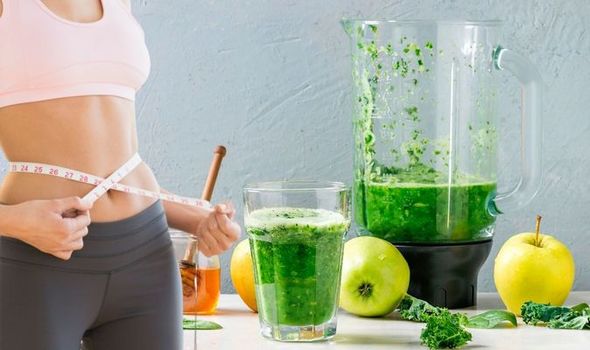
Liposuction, along with laser lipolysis and fat transfer, has become a popular cosmetic procedure since its introduction in the late 20th century, particularly for loss surgery targeting fat cells. Many people seek laser lipolysis, liposuction surgery, and smartlipo laser liposuction to remove stubborn fat and achieve a desired body shape. However, a liposuction diet plan is crucial for the patient in maintaining results post-procedure and avoiding unhealthy eating habits that can lead to fat cells returning. It focuses on balanced nutrition and healthy habits that support long-term weight management, unlike a fat diet or liposuction surgery, while considering liposuction diet recommendations and smartlipo laser liposuction.
This diet helps individuals avoid regaining fat through healthy eating habits and promotes overall wellness with smartlipo laser liposuction. Incorporating whole foods, lean proteins, and plenty of fruits and veggies can make all the difference in healthy eating habits and a healthy diet, unlike a fat diet. Understanding what to eat after liposuction, especially a fat diet, is key to enhancing recovery and sustaining your new look. Get ready to dive into effective strategies for a successful liposuction diet plan.
Importance of Diet After Liposuction
Recovery Speed
A proper surgery diet plan plays a crucial role in recovery. After liposuction, the body needs nutrients to heal. Foods rich in vitamins and minerals support this process. Lean proteins help repair tissues. Fruits and vegetables provide antioxidants that reduce inflammation.
Hydration is also vital. Drinking enough water aids in flushing out toxins. It helps maintain skin elasticity, which is important for achieving desired results. Staying hydrated can also prevent complications during recovery.
Weight Management
Following a liposuction diet is essential for maintaining results. Many patients worry about regaining weight after surgery. A balanced diet helps prevent this issue. Avoiding fatty foods is key. These foods can lead to weight gain and negate the benefits of liposuction.
Incorporating whole grains, lean meats, and healthy fats is beneficial. These foods provide energy without adding excess calories. Portion control matters too. Eating smaller meals throughout the day keeps metabolism active.
Reducing Swelling
Diet impacts swelling after liposuction. Certain foods can help minimize it. Consuming anti-inflammatory options like berries and leafy greens reduces swelling effectively. Omega-3 fatty acids found in fish are also helpful.
Avoiding salt is crucial as well. Salt can cause water retention, leading to increased swelling. Limiting processed foods often high in sodium can make a difference.
Long-Term Health
Maintaining a healthy lifestyle post-surgery is vital for long-term success. A surgery diet should focus on sustainable habits rather than quick fixes. This approach promotes overall health and wellness.
Regular exercise complements dietary changes. Light activities such as walking can enhance recovery while preventing weight gain. Gradually increasing activity levels helps maintain physical fitness.
Emotional Well-being
Diet affects not only physical health but emotional well-being too. Eating nutritious foods boosts mood and energy levels. This positive mindset aids in sticking to the recovery plan.
Support from friends or family can help reinforce healthy eating habits. Sharing meals with loved ones encourages better choices and accountability.
Foods to Eat for Optimal Recovery
Nutrient-Rich Foods
Eating nutrient-rich foods is essential after liposuction. Fruits and vegetables provide vitamins and minerals that help the body heal. Fresh fruits like berries, oranges, and apples are great choices. They contain essential nutrients and antioxidants. Leafy greens such as spinach and kale also offer vital nutrients. Whole grains like brown rice and quinoa provide energy and fiber.
Fiber aids digestion, which is important post-surgery. These foods support a healthy recovery process. They can help manage weight too. A balanced diet will assist in achieving your goals after surgery.
Lean Proteins
Incorporating lean proteins is crucial for tissue repair. Foods like chicken, turkey, fish, beans, and legumes promote healing. Protein helps rebuild muscles and tissues damaged during surgery. Aim for grilled or baked options instead of fried ones.
Eggs are another excellent source of protein. They contain all essential amino acids needed for recovery. Including these proteins in your meals supports overall health. It also helps maintain muscle mass during the recovery phase.
Antioxidant-Rich Foods
Antioxidants play a key role in reducing inflammation after liposuction. Consuming foods high in antioxidants can speed up recovery. Berries, nuts, dark chocolate, and green tea are rich in these compounds. They fight free radicals that may cause damage to cells.
Including colorful fruits and vegetables enhances antioxidant intake. Carrots, sweet potatoes, and peppers are good examples. These foods not only aid healing but also improve overall well-being.
Temporary Diet Changes
A temporary diet plan may be beneficial during recovery. Focus on whole foods while avoiding processed items. Processed foods often contain added sugars and unhealthy fats that hinder healing.
Staying hydrated is also important. Drinking plenty of water helps flush out toxins from the body. Herbal teas can be a soothing option too.
Healthy Lifestyle Strategies
Adopting healthy lifestyle strategies can enhance recovery efforts. Regular light exercise, such as walking, can boost circulation. Good sleep patterns also support healing processes.
Avoiding alcohol and smoking is crucial during this time. Both can slow down recovery and impact results negatively.
Essential Nutrients for Healing
Vitamins A, C, and E
Vitamins play a crucial role in the healing process after surgery. Vitamin A supports skin health and tissue repair. It helps maintain the integrity of epithelial tissues. This vitamin can be found in foods like carrots, sweet potatoes, and spinach.
Vitamin C is vital for collagen synthesis. Collagen is essential for wound healing. Foods rich in vitamin C include oranges, strawberries, and bell peppers. Many patients benefit from increased vitamin C intake post-surgery.
Vitamin E acts as an antioxidant. It protects cells from damage during recovery. Nuts, seeds, and green leafy vegetables are good sources of this vitamin. Including these vitamins in your diet aids the healing process significantly.
Zinc and Iron
Zinc plays a significant role in promoting wound healing. It helps with cell division and protein synthesis. This mineral can be found in meats, shellfish, legumes, and seeds. Many patients notice improved recovery rates when zinc is included in their diet.
Iron is another critical nutrient that supports recovery. It helps transport oxygen to tissues, which is essential for healing. Patients should consider iron-rich foods like red meat, beans, and fortified cereals. Adequate iron levels can prevent fatigue and support overall well-being during recovery.
Omega-3 Fatty Acids
Omega-3 fatty acids have anti-inflammatory properties. They help reduce swelling around surgical sites. These fatty acids are found in fish like salmon, walnuts, and flaxseeds. Including omega-3s in the diet can enhance recovery by minimizing inflammation.
Patients recovering from liposuction may find that omega-3s assist in pain management as well. They can help reduce the need for medication post-surgery. Focusing on these healthy fats can lead to a smoother healing process.
Hydration Matters
Staying hydrated is essential for recovery. Water aids in nutrient absorption and waste elimination. Many patients overlook this aspect of their diet but should prioritize it after surgery. Drinking plenty of fluids helps keep the body functioning optimally.
Incorporating herbal teas or broths can also provide hydration while offering additional nutrients beneficial for healing.
Balanced Diet
A balanced diet is vital during the recovery phase. Combining all these nutrients ensures that the body has what it needs to heal effectively. Focusing on whole foods rather than processed options will enhance nutrient intake.
A well-rounded diet supports not only physical healing but also emotional well-being during recovery from surgery.
Lean Proteins and Their Benefits
Muscle Repair
Lean proteins play a crucial role in muscle repair. Foods like chicken, fish, and legumes provide the body with essential amino acids. These amino acids help rebuild muscles after physical stress. Recovery becomes faster and more efficient with adequate protein intake.
Chicken is a popular choice for lean protein. It contains low fat and high protein content. Fish, such as salmon or tuna, also offers healthy fats along with protein. Legumes, including beans and lentils, are excellent plant-based options. They are not only rich in protein but also packed with fiber.
Maintaining Muscle Mass
Protein intake is vital for maintaining muscle mass during recovery. After liposuction, the body undergoes significant changes. It needs support to heal properly. Consuming enough protein helps prevent muscle loss. This is particularly important for individuals who may be less active during recovery.
Studies show that higher protein diets can preserve muscle mass better than lower protein diets. A diet rich in lean proteins supports the body’s healing process. It ensures that muscles remain intact while fat is being reduced.

Plant-Based Proteins
Including plant-based proteins in your diet creates balance. Options like quinoa, tofu, and chickpeas provide necessary nutrients without excess fat. Quinoa is a complete protein, meaning it contains all nine essential amino acids. Tofu offers versatility in meals and can be added to various dishes.
These plant sources also offer additional health benefits. They are often lower in calories compared to animal proteins. This can be beneficial for those looking to maintain a healthy weight post-surgery.
Incorporating both animal and plant-based proteins ensures a well-rounded diet. This approach helps meet daily protein requirements while providing variety in meals.
Practical Tips
- Plan meals: Include lean proteins at every meal.
- Snack wisely: Choose snacks like Greek yogurt or nuts.
- Stay hydrated: Drink plenty of water to aid recovery.
- Monitor portions: Ensure balanced servings of proteins, carbs, and fats.
Focusing on lean proteins aids recovery after liposuction. They support muscle repair, maintain muscle mass, and ensure a balanced diet with plant-based options.
Role of Probiotics Post-Liposuction
Gut Health
Probiotics play a crucial role in supporting gut health. They are live bacteria that help maintain a balanced gut microbiome. This balance is essential for proper digestion and overall health. After liposuction, the body may experience changes in digestion due to anesthesia and medication. Probiotics can help restore this balance.
A healthy gut can improve nutrient absorption. This is important for recovery after surgery. Probiotics can also help prevent constipation, which is a common issue post-surgery. A well-functioning digestive system aids in healing and boosts energy levels.
Recommended Foods
Including probiotic-rich foods in your diet can enhance recovery. Foods like yogurt, kefir, and fermented vegetables are excellent sources of probiotics. Yogurt contains live cultures that promote gut health. Kefir is a fermented drink that offers even more strains of beneficial bacteria.
Fermented vegetables, such as sauerkraut and kimchi, are also rich in probiotics. These foods not only support gut health but also add flavor to meals. Incorporating them into your diet can make eating enjoyable while aiding recovery.
Reducing Bloating
Post-surgery bloating is a common concern. Probiotics have the potential to reduce this uncomfortable symptom. They help break down food more effectively, which can ease gas and bloating. Research shows that certain strains of probiotics can specifically target bloating issues.
Bloating often happens when the digestive system is sluggish. With liposuction, the body undergoes stress, which can slow digestion. By consuming probiotics, you may find relief from discomfort.
Timing Matters
The timing of introducing probiotics is important after liposuction. Start incorporating these foods into your diet gradually. Begin within a few days post-surgery to support your system early on. Consistency is key; regular consumption will yield better results.
Aim to include some form of probiotics daily for optimal benefits. This could be as simple as a cup of yogurt or a serving of fermented vegetables with lunch or dinner.
Easily Digestible Foods
Soups and Smoothies
ps and smoothies are excellent choices for a proper diet after liposuction. They are easy to digest and provide essential nutrients. Broths, in particular, offer hydration and can soothe the stomach.
Smoothies can include fruits, vegetables, and even yogurt. This combination adds vitamins and minerals while being gentle on the digestive system. Blending these ingredients makes them easier to consume.
Avoid Spicy Foods
Spicy foods can cause discomfort after surgery. They may irritate the stomach lining and lead to digestive issues. It’s best to avoid hot sauces, spicy seasonings, and fried dishes. Greasy foods can also upset the stomach. These types of meals can slow down recovery and affect overall health.
Eating bland foods helps maintain a healthy metabolism. Focus on options like rice, toast, or plain chicken. These choices support digestion without causing irritation.
Small Frequent Meals
Eating small, frequent meals is crucial for a healthy lifestyle post-liposuction. Large meals can overwhelm the digestive system. Instead, aim for five to six smaller meals throughout the day. This practice helps keep energy levels steady.
Frequent meals prevent hunger pangs and help manage cravings for unhealthy snacks. Incorporating healthy fats into these meals can also be beneficial. Options like avocados and nuts provide essential nutrients without overwhelming the body.
Healthy Eating Habits
Establishing healthy eating habits is vital during recovery. Focus on whole foods that nourish the body. Fresh fruits and vegetables should be staples in your diet plan.
Incorporating lean proteins like fish or chicken supports muscle repair. Whole grains such as quinoa or brown rice provide sustained energy without heavy digestion.
Lifestyle Changes
Making lifestyle changes can enhance recovery outcomes. Staying hydrated is essential. Drinking plenty of water aids digestion and keeps the body functioning well.
Avoiding fast food is another important step. Fast food often contains unhealthy fats and additives that can hinder recovery. Opt for home-cooked meals whenever possible to ensure quality ingredients.
Foods to Avoid After Liposuction
High-Sugar Foods
High-sugar foods and drinks can cause inflammation. This is not ideal after liposuction. Inflammation can slow down recovery and lead to complications. Items like candies, pastries, and sugary sodas should be avoided. They provide empty calories without nutrients. Instead, focus on natural sugars found in fruits. These are healthier options that support healing.
Sugar can also increase cravings for more unhealthy foods. This cycle can hinder your progress. Keeping away from sweets helps maintain a balanced diet. A balanced diet promotes better recovery after surgery.
Processed Foods
Processed and fast foods are often high in unhealthy fats. These types of foods can lead to weight gain and other health issues. After liposuction, it is crucial to eat clean. Foods like frozen meals, chips, and fast-food burgers contain trans fats. Trans fats are known to increase inflammation and slow healing.
Instead of processed options, choose whole foods. Fresh vegetables, lean proteins, and whole grains are better choices. They provide essential nutrients that help your body recover faster. Cooking at home ensures you know what goes into your meals.
Excessive Salt Intake
Excessive salt intake can have negative effects on your body after surgery. High sodium levels can cause swelling and water retention. This makes it harder for your body to heal properly. Many processed foods contain high amounts of salt. Items like canned soups, deli meats, and snack foods should be limited.
Instead, opt for fresh herbs and spices to flavor your food. This adds taste without the extra sodium. Staying hydrated is also important. Drinking enough water helps flush out excess salt from your system.
Summary of Foods to Avoid
Here’s a quick list of foods to avoid after liposuction:
- High-sugar items: Candies, sodas, pastries
- Processed foods: Frozen meals, chips, fast food
- High-salt products: Canned soups, deli meats
Weight Management Before Liposuction
Importance of Goal Weight
Achieving a healthy weight before liposuction is crucial. Being close to your goal weight can lead to a more successful liposuction journey. Surgeons prefer patients who are near their ideal weight. This helps ensure that the body responds well to the liposuction procedure.
Patients with a stable weight often experience better results. They tend to have less excess skin and fat. This can improve the overall outcome of the liposuction surgery. A well-managed weight also reduces risks during the procedure.
Avoid Crash Diets
Crash diets or extreme weight loss methods are not advisable. Rapid weight loss can harm your body. It may lead to nutrient deficiencies and muscle loss. These factors can negatively affect your recovery after liposuction treatment.
Instead of quick fixes, focus on sustainable changes. Gradual weight loss is healthier and safer. Aim for a balanced approach that includes nutritious foods. This will prepare your body for the liposuction procedures ahead.
Balanced Diet and Exercise
A balanced diet is essential for everyone considering liposuction. Incorporate fruits, vegetables, lean proteins, and whole grains into your meals. These foods provide necessary nutrients and help maintain energy levels.
Regular exercise complements a healthy diet well. Aim for at least 150 minutes of moderate aerobic activity each week. Activities like walking, swimming, or cycling can be beneficial. Strength training exercises should also be included twice a week.
Following these guidelines leads to a stable weight. A stable weight supports better outcomes in laser liposuction treatment as well. It helps keep the body in optimal condition for healing.
Consultation with Specialists
Before proceeding with liposuction, consult with a liposuction specialist. They can provide personalized advice based on your health history and goals. Discussing your current weight and lifestyle habits is important.
Liposuction doctors may suggest dietary changes or exercise routines tailored to you. They will guide you in developing a healthy weight loss strategy leading up to the surgery date.
Emotional Considerations
The decision to undergo liposuction involves emotional aspects too. Many people feel anxious about their appearance and weight. It’s essential to address these feelings before surgery.
Support from friends or family can be helpful during this time. Joining support groups or talking to others who have undergone similar experiences may ease concerns.
Consequences of Post-Lipo Weight Gain
Impact on Results
Weight gain after lipo surgery can severely affect the liposuction results. The procedure removes excess fat from specific areas. If a person gains weight afterward, they may see fat return in those areas or even new areas. This can lead to dissatisfaction with the results.
Studies show that patients who do not maintain their weight post-surgery often experience significant changes in body shape. They may notice that some regions gain more fat than others. This uneven distribution can make the body appear less toned and sculpted.
Fat Distribution Changes
Gaining weight after liposuction affects how the body stores fat. After the procedure, the body may prioritize storing fat in different locations. Some individuals report gaining weight in areas not previously affected by excess body fat. This can create an imbalance that contrasts sharply with the smooth silhouette achieved through surgery.
For example, if someone gains 10 pounds after lipo, they might find that their abdomen or thighs store more fat than before. This change can be frustrating for those who worked hard to achieve specific body contours through liposuction.
Importance of Healthy Lifestyle
Maintaining a healthy lifestyle is crucial for preserving liposuction results. A post lipo meal plan rich in nutrients helps control weight and supports overall health. Eating balanced meals and exercising regularly can prevent excess weight gain.
Patients should focus on whole foods, such as fruits, vegetables, lean proteins, and whole grains. These foods provide essential nutrients without excessive calories. Staying hydrated also plays a role in managing weight and reducing swelling after surgery.
Incorporating regular physical activity is vital too. Aim for at least 150 minutes of moderate exercise each week. Activities like walking, cycling, or swimming help burn calories and keep the body fit.
Avoiding crash diets and extreme weight loss strategies is important. These approaches can lead to muscle loss and negatively impact metabolism. Instead, gradual weight management helps sustain results over time.
Pensamientos Finales
Sticking to a solid diet after liposuction is crucial for your recovery. The right foods speed up healing and help you maintain your results. Focus on lean proteins, probiotics, and easily digestible options. Avoiding certain foods can prevent unwanted weight gain and keep your body in top shape.
Your journey doesn’t end with the procedure. Make smart choices about what you eat to support your new lifestyle. Stay informed and committed to your health goals. Ready to take charge of your post-lipo diet? Start planning today for a healthier tomorrow!
Frequently Asked Questions
What is the importance of diet after liposuction?
A proper diet post-liposuction aids in recovery, reduces swelling, and promotes healing. It helps maintain results and supports overall health.
Which foods should I eat for optimal recovery?
Focus on lean proteins, fruits, vegetables, and whole grains. These foods provide essential nutrients that support healing and energy levels.
What essential nutrients are needed for healing?
Key nutrients include protein for tissue repair, vitamins C and E for skin health, and omega-3 fatty acids to reduce inflammation.
How do probiotics benefit me after liposuction?
Probiotics help restore gut health, which can be disrupted during recovery. A healthy gut aids digestion and boosts the immune system.
What are easily digestible foods I can consume?
Opt for bananas, rice, applesauce, and toast (the BRAT diet). These foods are gentle on the stomach and easy to digest.
Which foods should I avoid after liposuction?
Avoid processed foods, high-sugar snacks, and excessive salt. These can lead to inflammation and hinder your recovery process.
Why is weight management important before liposuction?
Maintaining a healthy weight before surgery ensures better results and minimizes complications. It sets a solid foundation for your recovery journey.
 Directions
 Call Us
 Email Us