
Liposuction for Men After Weight Loss – What You Need to Know

Key Takeaways
- Post-weight loss liposuction for men can target persistent belly and love-handle fat that has been resistant to diet and exercise. It helps maintain a more contoured and proportionate physique.
- Clear goals and realistic expectations set with your surgeon ensure the procedure fits your body type and long term wellness.
- Knowing the nuances of liposuction techniques and the unique shape of the male body can optimize both outcomes and healing.
- Thorough pre-surgical health screenings and adherence to post-operative care instructions are critical for safe surgery and optimal recovery.
- Compression garments and a slow return to exercise aid recovery and preserve results.
- If you keep up with a healthy lifestyle, liposuction will serve you well in the long term.
Liposuction for men after weight loss is a method of removing fat that remains after significant weight fluctuations. Even the most extreme weight loss guys have stubborn fat pockets in areas such as the belly, chest, or flanks.
Liposuction can help shape these areas for a more even appearance. If you’re wondering if it’s right for you, find out the procedure, how it works, and the post-op expectations. The next sections dismantle these facts.
The New You
For me, after dropping a lot of weight, guys desire a body that reflects their effort and self-control. Liposuction can assist in smoothing the shape and eliminating fat that won’t disappear with diet or exercise. It is not only about looking smaller but feeling better and more confident with a body to match your new lifestyle.
- Trim the waistline for a more athletic look
- Flatten stubborn bulges on the lower belly
- Define the chest and reduce love handles
- Smooth the flanks and shape the thighs
- Achieve symmetry and balance in body contours
1. The Goal
Goal setting prior to liposuction is essential. Most guys want a fit looking body, not simply a thinner one. The goal is to achieve a toned, chiseled appearance, with sleek contours and an organic form.
Most are all about achieving a healthy BMI preoperatively, as liposuction is ideal for those who are near their ideal weight. It’s good to know that results are tied to your body type. For example, if you have thick skin or firm muscle, you may see crisper lines, whereas if you have loose skin, you may need additional steps.
Reasonable ambition will leave you happier with your result and less likely to be let down.
2. The Targets
As men, we have our own little special places where we like to store fat, and some of those spots are just impossible to shrink after a ton of weight loss. The abdomen, flanks, chest, and back are popular areas.
Surgeons will often recommend addressing one or more of these locations for optimal impact. Discuss with your doctor what would be best for you – traditional, VASER, or tumescent liposuction.
You may pair liposuction with a surgery like a tummy tuck if you have loose skin as well. By eliminating bulging pockets of hard-to-lose fat, liposuction can create a smoother contour and make clothes fit easier.
3. The Challenge
Loose skin and lumpy fat can make an appearance after such a major weight loss. These problems may prevent you from achieving the desired appearance with liposuction exclusively.
There may be swelling, bruising, and mild pain post-surgery, which typically improve within a few days. Some guys fret about maintaining their outcomes. Keeping active and eating right are your best ways to maintain your new shape.
Good aftercare, such as check-ups and tips from your surgeon, helps you heal well and sidestep problems.
4. The Methods
Liposuction can be performed in two ways. Conventional liposuction utilizes a cannula and suction to remove fat. Tumescent liposuction irrigates fat with fluid to make it easier to suction and decrease bleeding.
VASER liposuction utilizes ultrasound to disintegrate fat, making it gentler on the body. For most procedures, physicians employ either local or general anesthesia, depending on the size of the area.
Selecting a clinic with experienced personnel and appropriate technology makes the treatment secure and more pleasant.
5. The Difference
Men have thicker skin and more muscle than women, so his liposuction requires special skill. The emphasis is frequently on sculpting the body into a more square, firm shape, not curvy.
Some guys need a little extra time to heal or experience more swelling. Surgeons may carve that shape with different instruments or techniques.
By using methods tailored for the male body, the outcomes appear more natural and have greater longevity.
Your Consultation
An in-depth consultation is the first step for men thinking about liposuction post-weight loss. This allows us to determine if the procedure is right for you based on your health, body goals, and expectations.
Surgeons take advantage of this moment to review your medical history, discuss your lifestyle, and establish a realistic plan for surgery and recovery.
Candidacy
The surgeon will initially examine your general health and fitness to determine if you are a good candidate for surgery. Age, weight stability and any existing health problems are taken into account.
For instance, guys who have shed a lot of pounds but still have pockets of stubborn fat may be good candidates. Their weight would need to have stabilized for several months.
If you had previous surgeries or prior weight loss procedures, your surgeon will want to know that as well. This may influence the selection of liposuction method or your body’s healing process.
Your dedication to staying healthy post surgery is as important as your pre-surgery health state. Men who work out and maintain a healthy diet achieve superior, more durable outcomes.
Your consultation is the appropriate time to discuss what you want to alter. Surgeons inquire about your objectives and clarify what liposuction is capable of achieving and what it cannot achieve.
They might recommend alternatives if liposuction alone won’t answer your needs.
Health Check
We do a health screen to check for risk. The surgeon goes over your medications and informs you if you have to discontinue or modify any preoperatively.
Certain blood thinners and supplements that increase bleeding are discussed with explicit instructions provided. Pre-existing conditions, such as diabetes or heart disease, may require additional tests, or you might be recommended to control these conditions more before surgery.
Your surgeon will discuss any necessary modifications. This could be quitting smoking or changing your habits to optimize healing and reduce complications.
Lifestyle guidance comes from your personal health profile. If your health status changes or you’re unable to follow the steps needed, your treatment plan may have to be revised.
Expectations
- Recovery might take weeks, with swelling and bruising typical in the initial days.
- Results begin to emerge after swelling subsides, typically between one and three months.
- Final contour is best defined approximately six months after surgery.
- Some discomfort, numbness or tightness is normal as you heal.
- Good success is based on consistent weight and habits.
Most guys are after a leaner look. ‘Success’ is based on your initial goals.
The surgeon will provide you with before-and-after examples and educate you on what is feasible for your physique. Feel free to inquire about expectations, duration of recovery, and how to ensure a smooth healing process.
Surgery Day
Surgery day is the magic moment in your body contouring journey. Key to this is showing up at the facility rested and informed about what comes next. All paperwork, such as consent forms and health disclosures, should be completed prior to the procedure.
Surgeons commonly request patients to fast for a few hours prior to surgery, and recommendations for discontinuing some medications are frequent. These specifics assist in reducing risks and begin healing on the appropriate foot.
Anesthesia
Liposuction can be performed under either local or general anesthetic. Local anesthesia deadens just the treatment area, keeping you awake but pain-free. This technique is the most effective for small areas such as the chin or flanks.
General knocks you out for the entire procedure. It’s used for bigger or multiple sites, providing greater ease but extending your sedative recovery. All anesthesia carries its own risks, like grogginess or slight nausea upon awakening.
Post-procedure, staff will observe your vitals and provide you with detailed home care instructions. Most men are drowsy initially, but it usually wears off within a few hours.
Technique
Your surgeon will describe to you which liposuction technique is tailored to you. The most common technique is the use of a thin tube, a cannula, to liquefy and suction out fat.
The surgeon maneuvers the cannula delicately to contour the body and prevent bumps and irregularities, which can occur following weight loss when skin becomes lax. Tumescent liposuction, where fluid is pumped in first to loosen the fat, is the popular choice because it is safer and heals faster.
Certain procedures employ ultrasound or laser to additionally aid in melting fat prior to removal. Occasionally, the two are combined in order to get superior results, particularly if you have persistent pockets or desire smoother lines. The surgeon’s shaping skill is crucial for a natural appearance.
Duration
Liposuction generally lasts one to two hours, but the timing depends on how many areas were treated and how complicated your particular case is. Preparation, anesthesia, and post-op observation add even more time.
Addressing several areas can extend the surgery, and the procedure may be slowed by additional care required such as swelling or bleeding. Post-surgery, you can expect mild pain, swelling, and bruises.
Most men take it easy the first week, wearing compression garments to mold healing tissues. Short walks facilitate blood flow and reduce swelling, and the pain commonly subsides after two weeks.
Generally, most go back to light work and daily activities after around 7 days, when the swelling and pain have subsided.
The Aftermath
The care after liposuction is just as important as the surgery for men who lost weight. Recovery is about taking care of yourself and allowing your body the time it requires to heal and achieve the optimal result. By carefully following your surgeon’s directions, you can minimize complications, reduce the pain, and maximize the outcome.
Monitoring your healing, documenting strange symptoms, and attending follow-up visits are all important. Understanding what lies ahead allows you to prepare for each phase and make decisions.
Timeline
Immediately following surgery, the majority of men experience moderate pain, swelling, and minor bruising. These are all perfectly normal and generally persist for a few days. Swelling is the most frequent complaint and typically resolves within a few weeks, although it can persist for up to two months in some individuals.
Temporary pools of fluid, known as seromas, can form beneath the skin but typically subside without treatment. Most people feel ready to return to work within a few days, depending on the nature of their occupation and how much fluid was drained. Occasionally, an overnight hospital stay is required to ensure that there is no dehydration or shock from fluid loss, particularly with the larger procedures.
Liposuction final results are not immediate. Even once the acute swelling subsides, the ultimate impact can take anywhere from two to six months to become evident. Men typically observe subtle muscle and body shape enhancements as everything settles into its new shape.
Garments
Compression garments have a big role in recovery. They assist in managing edema, provide support to healing tissue, and create a more uniform final contour. Surgeons will typically have patients wear these for a few weeks, sometimes up to six, depending on the case.
A good fit is essential. If a garment feels too tight or loose, inform your care team. Choose breathable fabric for comfort, particularly if you’re going to be stuck wearing it all day. Proper utilization of these outfits is crucial for obtaining the optimal outcome.
Not heeding the directions can cause irregular scarring or extended swelling.
Activity
Checklist for returning to activity after surgery:
- Take it easy for the first few days. If necessary, take either prescribed or non-prescribed pain medicine.
- Begin moving with light walks when you feel up to it. This assists circulation and decreases the chances of blood clots.
- Steer clear of heavy lifting, vigorous workouts, or sports for a minimum of two to three weeks.
- Ask your surgeon prior to going back to full exercise. Others have found that low-impact activities such as cycling or swimming serve them well in making a soft re-entry into fitness.
- Once clear, maintain a regular exercise regimen to assist in preserving your results and promote your overall health.
Scars
Liposuction incisions are tiny, but scarring can occur depending on which areas required work, like the belly, flanks, or chest. While most scars do fade, it depends on both skin type and healing.
Keeping incisions clean and dry, applying scar creams if recommended, and protecting from sun exposure all aid in minimizing marks. Silicone sheets or gels may be recommended to assist in scars healing flat and smooth. If scars are left raised or dark, consult your provider. Options such as laser treatments or steroid injections may be available.
Beyond The Fat
These liposuction after weight loss surgeries are about more than just getting rid of fat. They can sculpt the physique, highlight muscle definition and even alter how someone perceives their own body. The skin’s rebound, the mental transformation, and post-op lifestyle decisions all factor into the outcome.
Muscle Definition
By eliminating pockets of hard to lose fat, we can reveal hidden muscle definition, exposing toned abs, arms, or chest. That’s why so many hard-working men at the gym with stubborn “trouble spots” resort to liposuction. The doctor can focus on these zones, assisting in accentuating that hard-earned shape men have strived for.
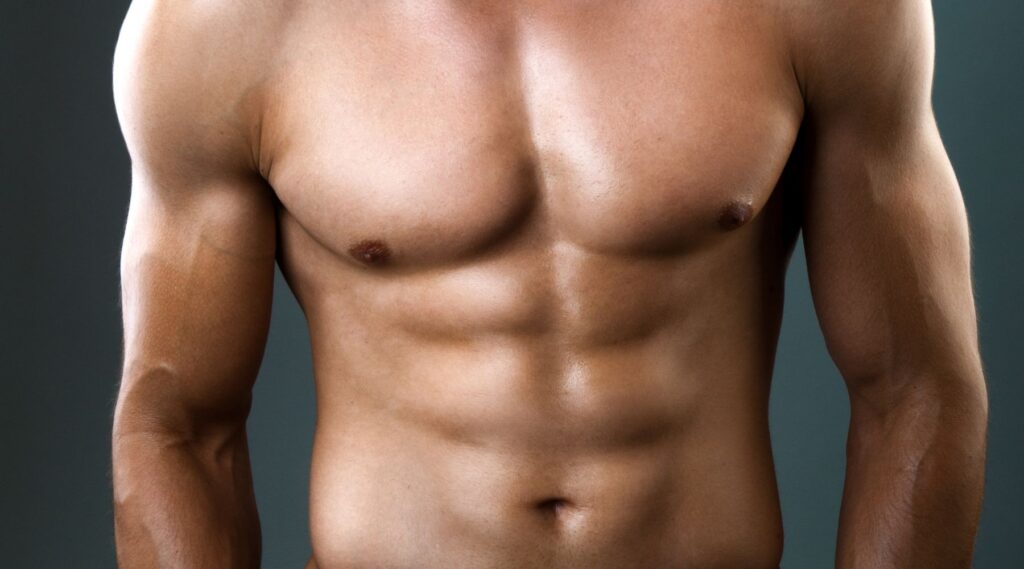
The outcomes improve over time. Swelling usually subsides within weeks, but your final appearance may take months. To maintain the shape, it’s essential to stay on top of exercise and eat well. Liposuction is typically a one-time event, but the muscles will only continue to be cut if the pounds remain level.
Proper aftercare, such as compression garments and light activity, reduces post-operative swelling and encourages recovery. Soreness, pain or a burning sensation may persist for a few days, but this diminishes as the body heals.
Skin Reality
Skin doesn’t always snap back after fat is suctioned out, particularly for big weight losers or older patients. Skin can appear loose or saggy over the treated area. Hydration and good skin care can do the trick, but sometimes another procedure is necessary to tighten skin.
Seromas, or fluid-filled little pockets, can develop. They generally resolve themselves, but occasionally require drainage. How thick, firm, or stretchy your skin is plays a role in the outcome just as much as the fat removal itself. Drinking adequate water and applying moisturizers assist in recovery.
Skin sags with age, but everyone experiences permanent outcomes if they maintain good habits.
Mental Shift
Catching a glimpse of your new shape in the mirror can completely transform how you feel during your day. Almost all say they experience improved self-confidence and renewed motivation to be active and make healthy choices.
For others, it’s a mental health boost that sparks more social engagement and a richer quality of life. It’s natural to be filled with both anticipation and anxiety as the body transforms. A good attitude goes a long way.
Some require an adjustment period to their new look, while others find it easier to maintain healthy habits once they’ve witnessed tangible results.
Important Considerations
Liposuction for men after weight loss is about way more than the surgery. There’s risk and expense to balance and outcomes are a conglomeration of variables. Keeping these things in mind goes a long way toward setting realistic expectations and maintaining good long-term results.
Risks
| Risk Type | Description |
|---|---|
| Seromas | Temporary pockets of fluid may form under the skin post-surgery |
| Infection | Risk of infection at the incision sites |
| Swelling | Usually fades within weeks, but sometimes lasts for months |
| Pain/Soreness | Burning, tenderness, and pain can last for several days |
| Irregular Contours | Uneven fat removal may lead to lumpy or wavy skin |
| Numbness | Some numbness around the treated area is possible |
| Blood Clots | Very rare, but can be life-threatening |
| Scarring | Small scars at incision points, usually fade over time |
It’s all about adhering to the surgeon’s pre- and post-op instructions. Using compression garments, maintaining clean incisions, and resting for a month minimizes swelling and decreases the possibility of infection. Fluid accumulation, known as seromas, might require draining and infections, while uncommon, have to be addressed with antibiotics.
All patients need to be aware that pain, swelling, and bruising are routine. Burning and soreness are normal for a couple of days, but they dissipate. Swelling can obscure results for weeks or months. Maintaining reasonable optimism is wise as any surgery carries some risk.
Costs
| Region | Average Cost (USD) | Main Factors |
|---|---|---|
| North America | $3,000–$8,000 | Surgeon, clinic, area treated |
| Europe | €2,500–€7,000 | Technique, city, anesthesia |
| Asia | $2,000–$6,000 | Surgeon, hospital, recovery |
Expenses vary by the region addressed, surgeon’s expertise and technique. For instance, bigger regions or several locations increase the cost. A few clinics provide monthly payment plans or medical loans. Insurance almost never pays for cosmetic liposuction.
Opting for a board certified, experienced surgeon is more expensive, but can result in safer, more natural results.
Longevity
Liposuction is generally a one-time treatment. The effects can persist for years, but only so long as weight remains stable. Surgical weight gain can cause new fat, even in untreated zones.
Diet and exercise work alongside surgery for permanent results. Swelling subsides for most men within a few weeks, but final contour could take months to emerge. As the skin ages and loses some tightness, the results may start to look different. Touch-ups every now and then tend to keep the look even.
Conclusion
Liposuction can help a lot of guys smooth off those post-weight loss spots. It sculpts where nutrition and work-out fail. Some men use it to be more confident in their skin or fit into clothes better. The results may appear quick, but recovery is slow and must be attended to gently. We walk you through every step, so you know what to expect. There are always risks, but a good plan and defined objectives keep things relatively well-controlled. Start your own journey by consulting with a trusted physician who takes the time to hear you out and answer your questions. Your story is different, and your decisions count. Find out more, consider your alternatives, and proceed at your own speed.
Frequently Asked Questions
Is liposuction safe for men after significant weight loss?
Is liposuction safe for men after weight loss? A detailed consultation and health evaluation mitigate risks and promote safe, natural-looking outcomes.
How soon after weight loss can I get liposuction?
It’s best to wait until your weight has been stable for six months. This will help keep the results at their best and reduce the chance of complications.
Does liposuction remove excess skin?
No, liposuction simply takes off hard to shift fat. If you have loose skin after weight loss, other procedures such as skin removal surgery might be advised.
Will the fat return after liposuction?
Unlike diet fat, fat cells surgically removed by liposuction never come back. Bad eating habits or no exercise can stretch your remaining fat cells, impacting your outcome.
What areas can liposuction target for men?
Typical areas are the abdomen, chest, flanks, and back. Your surgeon will suggest the ideal strategy for you depending on your body and objectives.
How long is recovery after liposuction?
The majority of men resume light activities within one week. Complete recovery and final outcomes may range from weeks to months based on the severity of the procedure.
Are the results of liposuction permanent?
They are forever as long as you maintain a stable weight and healthy lifestyle. Excessive weight gain can change your natural contour over time.
 Directions
 Call Us
 Email Us