
Liposuction Pain Management: Navigating Medication and Alternatives
Key Takeaways
- Liposuction is an aesthetic procedure that reduces localized fat to improve the body contour, including tumescent and laser-assisted techniques. Speak with an experienced, board-certified plastic surgeon to determine the treatment plan that’s right for you.
- Pain and discomfort are expected following liposuction, typically reaching max discomfort between day two to four. Be sure to communicate with your healthcare provider any levels of pain you are experiencing to ensure proper management.
- Pain management alternatives include opioids, non-opioid alternatives to pain medications, acetaminophen, and/or ibuprofen. Be consistent with your medication schedule.
- Experiment with non-opioid pain management such as ice packs and compression garments. Gentle movement and relaxation techniques are part of the equation for recovering and needing less medication.
- Educating yourself about the risks and benefits of opioid use is key. Using a multimodal approach, both medications and non-pharmaceutical techniques, is more effective at relieving pain.
- Be mindful during recovery, respect activity limitations, and watch for signs of complications. These are common post-op symptoms. Contact your physician if you notice anything unusual.
Liposuction remains a popular choice for those seeking to reshape their bodies. Managing discomfort post-procedure is crucial for a smooth recovery. Pain medication plays a vital role in easing discomfort, making the recovery process more manageable.
With various options available, understanding the right medication helps in tailoring the pain relief to individual needs. Non-opioid analgesics, like acetaminophen and ibuprofen, often provide effective relief with fewer side effects. For some, prescription medications might be necessary to maintain comfort.
Always communicating with healthcare providers ensures that the chosen pain management strategy aligns with personal health profiles. Effective pain management not only speeds up recovery but enhances the overall experience, contributing to a more positive outcome.
What Is Liposuction
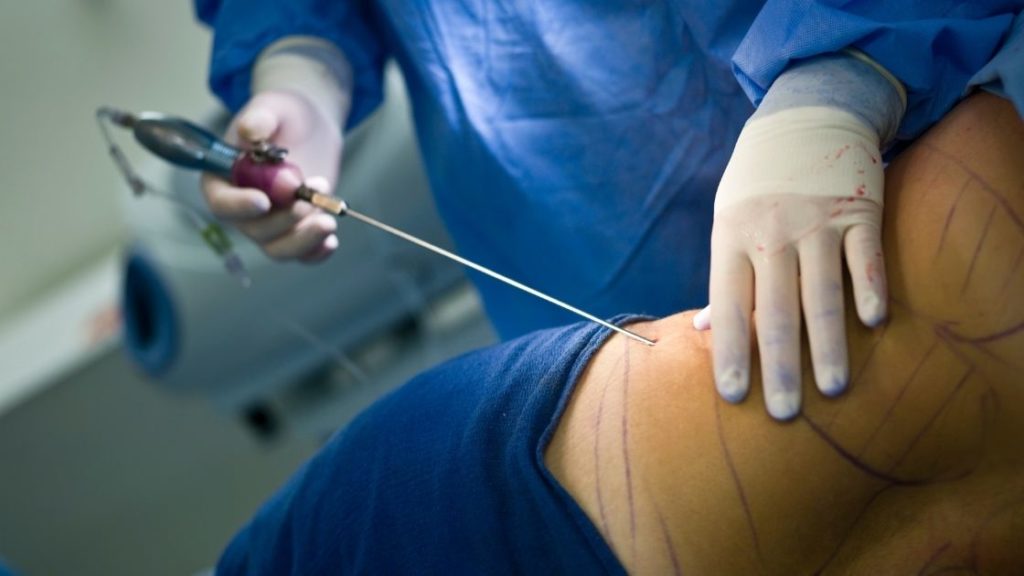
Liposuction is a largely cosmetic procedure that primarily aims to remove fat and reshape body contours. This effective treatment addresses the bulges of fat that are resistant to diet and exercise. It really makes all the difference in helping you get the shape you want.
Different approaches such as tumescent liposuction and laser-assisted liposuction are widely practiced, offering distinct advantages. The key is consulting with a highly skilled plastic surgeon. They will be able to tailor the procedure to best fit your individual needs and to maximize the optimal results.
Considering that liposuction represents 15%-20% of the total number of plastic surgeries on a global scale, its popularity speaks volumes about its efficacy.
Procedure Overview
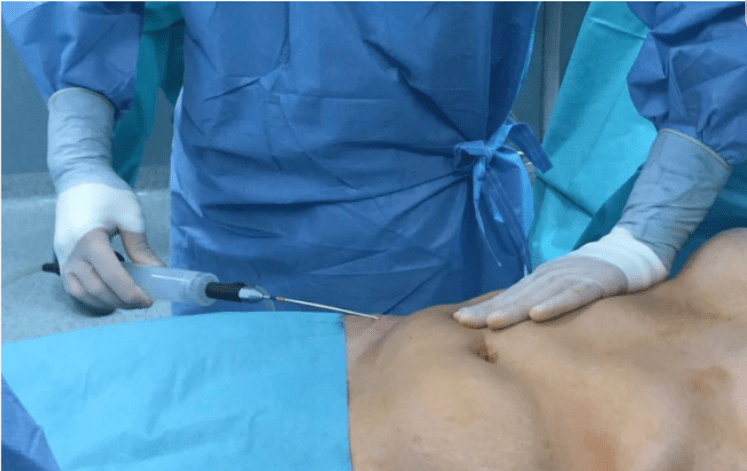
Liposuction starts with a comprehensive preoperative evaluation to maximize patient safety. Anesthesia is given to reduce pain, then fat is removed by suctioning with highly specialized tools.
Depending on how much fat is being removed, the procedure itself can take a few hours. Recovery times are relatively quick, as most patients resume normal activity within six weeks.
Final results surface slowly as swelling goes down, usually within three to six months.
Common Areas Treated
Commonly treated areas with liposuction include the abdomen, thighs, and arms. It’s safe and a great option for those stubborn, persistent pockets of fat that diet and exercise won’t get.
It can be used to treat larger areas such as the neck and back, enabling more complete contouring.
Expected Results
After liposuction, the body’s contours are permanently altered, making it important to continue a healthy lifestyle to ensure the results remain long-term. Skin elasticity and the way each person heals play a role.
As long as you don’t gain weight, the results are usually permanent.
Understanding Pain After Liposuction
Experiencing some degree of pain after liposuction surgery is normal due to the tissue trauma that occurs during the liposuction procedure. Pain perception varies among patients, influenced by factors such as emotional state and individual pain tolerance. With adequate pain management techniques, including analgesic therapy, pain can be minimized, leading to a more comfortable recovery process.
Typical Discomfort Levels
Pain after liposuction varies from minimal tenderness to severe discomfort. As a general rule, the more extensive the surgery, the more intense the pain will be. Patients need to be honest about the pain they are experiencing with their healthcare providers.
This allows you and your provider to make real-time adjustments to pain control strategies to keep you comfortable.
Recovery Timeline
Pain tends to be the worst on days two through four post surgery. Additionally, most patients see improvement after the first week. By week two, pain is almost gone for most patients.
Around the one-month mark, pain and soreness should be gone. Swelling will last for months, but at week two you should notice a marked improvement. This is why sticking with your care instructions is so important to a quick recovery.
Factors Influencing Pain
Personal pain tolerance levels affect how much discomfort you will feel. The kind of anesthesia used may play a role in postoperative pain as well.
The choice of the surgical technique and the amount of fat removed contribute to the amount of pain experienced. Most patients are able to switch to over-the-counter pain medication within a week.
Pain Management Options
Liposuction patients can choose from various pain management techniques, each capable of fulfilling specific needs during the liposuction procedure. A personalized pain management plan, formed around each person’s unique situation, can make all the difference in a smoother and faster liposuction recovery process. By discussing your preferences and expectations openly with your surgical team, you can help ensure you are treated in the most effective and appropriate way.
1. Role of Pain Medication
Pain medications are important for managing pain after liposuction. The most commonly prescribed pain medications are opioids as well as non-opioid alternatives. While opioids often play an important role in treating severe pain, they should be used with caution for fear of dependency.
Non-opioid medications such as acetaminophen offer a safer alternative for many individuals. They may be used in conjunction with prescription medications to increase pain relief. Staying on the recommended regimen is important to ensure optimal results.
2. Non-Opioid Medications
Non-opioid pain medications, such as acetaminophen and nonsteroidal anti-inflammatory drugs, or NSAIDs, work well for mild to moderate pain. These options offer great promise by alleviating pain with a much lower potential for dependency.
Don’t use it all the time. Instead, try arnica or bromelain supplements to reduce swelling and speed healing.
3. Opioid Use Considerations
Opioids should be used cautiously due to potential side effects and the risk of developing dependency, especially in the context of liposuction procedures. Healthcare providers must prescribe them responsibly, while patients undergoing cosmetic surgery should inquire about pain management techniques with their surgeon to address any pain concerns.
Considering non-opioid alternatives as part of a multimodal pain management plan, including analgesic therapy, is crucial in enhancing the liposuction recovery process and minimizing postoperative discomfort.
4. Over-the-Counter Options
- Acetaminophen: Mild pain relief
- Ibuprofen: Reduces inflammation and soreness
- Avoid NSAIDs: If bleeding risks are present
- Consult a doctor: Before combining medications
Alternative Pain Management Methods
It takes creativity and effort, but finding ways to manage discomfort from lipo without medication is a more holistic and worthwhile approach. By integrating these holistic approaches, patients are able to improve their recovery experience and rely less on traditional pain medications, such as opioids.
These approaches not only help prevent and manage pain, but they support health and wellness.
Cold Compress Application
Cold compresses are great for reducing swelling and helping to numb pain in surgical areas. To use a cold pack correctly, wrap the pack in a towel or other cloth before placing it on your skin.
Next, once you have it, use it in chunks of 15-20 minutes. Cold therapy provides the most effective relief during the early stages of recovery while swelling is at its worst.
Compression Garments Benefits
Compression garments are essential for reducing swelling and supporting healing. By wearing these garments as prescribed by physicians, sometimes for weeks at a time, patients are able to enjoy improved comfort and lessened pain.
Many patients will feel a remarkable difference in pain relief within a few days after surgery.
Gentle Movement and Exercise
Gentle activities such as walking stimulate blood flow to the area, aiding healing and recovery. It is important to rest and to eschew vigorous movements at first, slowly returning to higher levels of activity as tolerance improves.
Tuning into the body will help you make sure the recovery process is going as it should.
Relaxation Techniques
Methods including deep breathing, meditation, or guided imagery work to control pain partly by lowering stress levels. Encouraging patients to explore different relaxation techniques helps them discover what most effectively supports their recovery.
As stress reduction is known to have a positive effect on healing, these techniques can be excellent additions to any pain management regimen.
Reducing Opioid Use Post-Surgery
Educate on Risks and Benefits
The first step to understanding opioids is understanding what to expect from pain management techniques after a liposuction procedure.
- Opioids can cause drowsiness, constipation, and nausea. Long-term use can result in addiction.
- Changes in mood, increased dosage needs, or withdrawal symptoms may indicate a problem.
- Explore other options like physical therapy, acupuncture, or over-the-counter painkillers.
- Discuss any worries with healthcare providers for tailored advice.
Utilize Multimodal Approaches
A multimodal strategy combines different methods for pain relief. This approach often means using fewer opioids, which can significantly benefit recovery.
For instance, in a recent study, patients using multimodal analgesia consumed fewer narcotics, with some needing no narcotics at all.
Collaboration with healthcare teams to create a comprehensive plan enhances recovery, as seen in the treatment group that reported better pain control with reduced narcotic use.
Encourage Open Communication with Doctor
Maintaining an open line of communication with your surgical team is important.
Tell us about your pain and what you’re concerned about to help us create the best pain management plan.
Feedback is important because it allows us to customize our approach to best meet your needs and promote the best recovery possible.
Patient Expectations During Recovery
Right after, you’ll likely be swollen and bruised, which are normal post-op symptoms. These symptoms slowly improve over time, typically within a few weeks. The majority of patients notice a significant reduction in discomfort in the first two weeks.
In fact, major improvements are often apparent only a few weeks following the procedure! Full recovery might take several weeks to months. Your body will continue to adjust to its new contours for roughly half a year.
Swelling and Bruising Insights
Swelling and bruising are common after any surgery as part of the natural healing process. They begin to diminish almost immediately, within the first two weeks, and dramatic changes occur as the body begins to heal.
Keeping an eye on these symptoms and notifying your surgeon of any concerning changes will help ensure a successful and uneventful recovery.
Activity Restrictions Guidelines
- Avoid heavy lifting and strenuous exercise for several weeks.
- Limit activities that may strain the surgical area.
- Gradually reintroduce normal activities based on your comfort level.
- Adhere to the surgeon’s guidelines for resuming daily routines.
Monitoring for Complications
Be sure to keep an eye out for any sign of complications such as extreme swelling, abnormal pain, or infection. If you experience alarming symptoms, such as excessive bleeding or shortness of breath, seek emergency care immediately.
Drinking eight glasses of water daily, getting 7-8 hours of sleep, and planning rest periods can aid in a smooth recovery.
Conclusion
Liposuction recovery doesn’t have to be intimidating. If handled properly, pain from the surgery can be easily managed and the healing experience can be comfortable and stress-free. By educating yourself on the anticipated discomfort you’ll experience after surgery, you can foster realistic expectations. Opioids, while effective, are not the only choice. Over-the-counter medications, physical therapy, and mindfulness techniques help just as much. Patients are the ones who benefit from understanding these choices and engaging in an open dialogue with their care team.
Being educated puts you in control to make the best decisions. While this journey can be difficult at times, it is a journey that can be successfully navigated with the proper help and tactics. Whether you’re still deciding or have already made your liposuction plans, these takeaways provide a step-by-step guide. Want to learn more about managing discomfort after surgery? Contact a qualified healthcare provider today to find out what’s available to you.
Frequently Asked Questions
What is liposuction?
Liposuction is a cosmetic surgical procedure primarily aimed at removing unwanted fat from the body. This invasive procedure is predominantly performed by qualified plastic surgeons to sculpt and contour the body, ensuring adequate pain management throughout the recovery process.
How painful is liposuction recovery?
Pain is a subjective experience, and nearly all patients report substantial pain following the liposuction procedure. Discomfort typically peaks in the first 48–72 hours, making adequate pain management techniques crucial for your recovery plan.
What pain medications are typically prescribed after liposuction?
The medical establishment has heavily promoted the use of opioids alongside over-the-counter painkillers for effective pain management techniques. As with any liposuction procedure, listen to your physician to ensure your pain is managed safely and effectively.
Are there non-opioid pain relief options after liposuction?
The answer is yes, acetaminophen and NSAIDs should be used as alternatives for managing postoperative pain. Local anesthetics, including peripheral nerve blocks, are effective during the liposuction procedure. Talk to your surgeon about all available pain management techniques to determine which is the ideal option for your individual needs.
How can I reduce opioid use after surgery?
When considering a liposuction procedure, it’s essential to ask your doctor about effective non-opioid pain management strategies. Incorporating techniques like ice packs, elevation, or compression garments can help minimize postoperative pain and discomfort, reducing our reliance on prescription pain medication.
What should I expect during liposuction recovery?
Swelling, bruising, and postoperative discomfort are par for the course following liposuction procedures. Following your surgeon’s operative care instructions is crucial. Full recovery can take anywhere from a few weeks to a few months, so rest and recovery are essential for optimal liposuction results.
Can lifestyle changes aid in liposuction recovery?
Yes, yes, and yes! A consistent healthy diet and light physical activity will aid in your liposuction recovery process. Stay hydrated and stop smoking to improve your recovery and results.
 Directions
 Call Us
 Email Us