
Liposuction and Tendon Healing: Considerations for Tenocyte Biology and Regenerative Therapies

Key Takeaways
- Liposuction changes the local tissue environment and blood supply, which could impact tenocyte healing by diminishing nutrient and oxygen delivery to surrounding tendons. It is important to monitor healing closely following procedures near tendon sites.
- Surgical wound and post-procedure inflammation can alter signals that direct tenocyte. Control inflammation with proven methods such as controlled cold and prescribed anti-inflammatories when necessary.
- Maintaining fascial planes and limiting blunt trauma in liposuction preserves tendon health and enables more effective tenocyte healing. Select tissue-sparing surgical techniques.
- Schedule rehab to bring back load slowly and a phased return to activity to promote tenocyte remodeling. Avoid excess load on healing tissue. Coordinate with physical therapy for progressive loading protocols.
- Timing of elective liposuction in relation to active tendon injuries is important. Delay cosmetic interventions until tendon healing is far along to minimize the risk of impaired repair.
- Support multidisciplinary care with the surgeon, sports medicine specialist, and physical therapist to tailor treatment, track healing indicators, and modify treatment according to patient response.
About: liposuction and tenocyte healing consideration science.
It discusses cellular reactions, microvascular adaptations, and inflammation signals post-lipo. Research connects surgical method, fat stem cell depletion, and local oxygenation to delayed or modified tendon recovery.
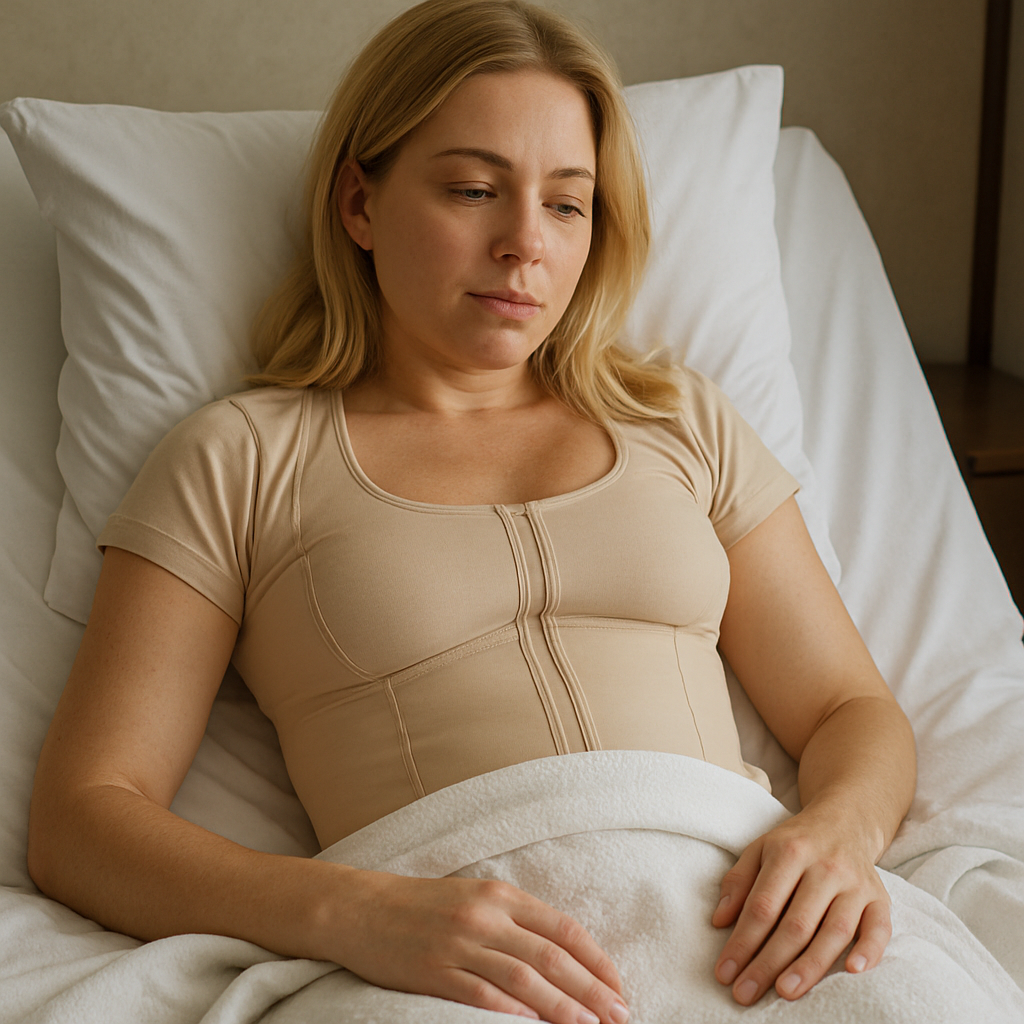
Clinicians apply these discoveries to better time tendon repair and rehab plans. The discussion covers related studies, practical considerations, and patient aspects.
Conclusion
Liposuction can alter the local tissue environment. Liposuction changes circulation, reduces local growth factors, and redirects mechanical load onto adjacent tendons. Tenocytes require consistent blood, signals, and rigid support to mend. Post-liposuction healing could be sluggish, scar tissue could develop, and pain can linger more than expected. Simple steps can help: plan surgery with a surgeon who knows tendon care, allow time for gradual rehab, and use gentle load and range-of-motion work early on. An athlete who had 1 to 2 centimeters of lipo near a tendon could feel tight for weeks and require specialized rehab. Talk with your care team about timing and rehab. Schedule a follow-up to monitor healing and tweak the plan.
Frequently Asked Questions
What is the relationship between liposuction and tenocyte healing?
Liposuction extracts subcutaneous fat and can alter the local tissue milieu. It possibly changes blood flow and mechanical support around tendons, which can affect tenocyte healing after injury or surgery.
Can liposuction directly damage tendons or tenocytes?
Direct tendon injury from appropriate, well-performed liposuction is uncommon. Aggressive or poorly placed cannulas can damage adjacent structures by compromising tenocyte health and tendon function.
Does liposuction slow tendon recovery after an injury?
Liposuction can minimally impact healing by altering local vascularity and soft-tissue padding. There isn’t a lot of proof; it depends on where the procedure was performed, how much fat was removed, and your body’s own healing abilities.
Should I avoid liposuction if I have a tendon injury or repair planned?
Talk about timing with your surgeon. Frequently, you’re better off waiting on liposuction until tenocyte mending is done to avoid disrupting blood supply, inflammation, or rehab.
Are there specific areas where liposuction poses higher risk to tendon healing?
Locations with thin fat layers in proximity to superficial tendons, such as the ankle or wrist, might have increased risk. Surgeons usually exercise extra caution in these areas to safeguard underlying tendons.
What precautions do surgeons take to protect tenocytes during liposuction?
Surgeons rely on meticulous preoperative mapping, proper cannula selection, a controlled technique, and imaging when necessary. They recommend timing around other procedures to reduce healing interference.
Where can I find reliable research about liposuction and tendon healing?
Search for articles in peer-reviewed surgical and orthopedic journals, clinical guidelines, and reviews from trusted medical centers. See your trusted surgeon for interpretation relevant to your personal situation.
 Directions
 Call Us
 Email Us