
Liposuction vs Ozempic: Understanding the Best Approach for Your Body Goals
Key Takeaways
- Both liposuction and GLP-1 therapy offer distinct approaches for weight management, with liposuction focusing on immediate fat removal and body shaping, while GLP-1 medications support gradual, sustained weight loss through hormonal regulation.
- Blending surgery and pharmaceuticals might optimize the results, but individual treatment plans and careful medical supervision are key.
- Liposuction recovery has a specified period of downtime, while GLP-1 therapy necessitates continuous care and monitoring for best results.
- Long-term success with either or both methods revolves around healthy lifestyle habits and consistent follow-up with medical professionals.
- Knowing the metabolic and psychological effects of each strategy goes a long way toward helping you set realistic expectations and make more informed decisions.
- Technology and patient-centric care continue to define the future of body sculpting and weight loss treatments around the world.
Liposuction and Ozempic are two common ways to help with weight loss, but some people now talk about using both together.
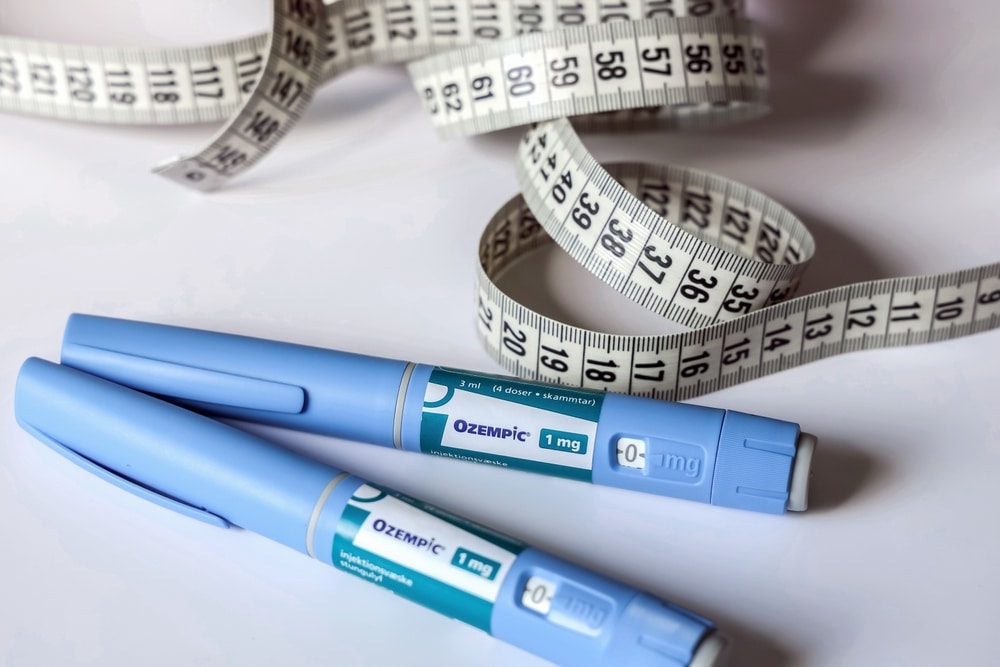
Liposuction alters body physique by removing fat, whereas Ozempic, a GLP-1 drug, reduces appetite and blood sugar.
A few clinics have been willing to blend these for enhanced effect.
This post shares what happens when surgery teams up with medicine, how safe it is, and who might consider both options.
Foundational Mechanisms
Liposuction and GLP-1 therapy each provide alternative approaches to weight loss and body contouring. Each has its own approach, and knowing how they work can assist individuals to select the optimal strategy for their situation.
Surgical Sculpting
Liposuction is a surgical technique that extracts fat from localized areas. It’s the one selected by individuals looking to eliminate stubborn fat resistant to diet or exercise. More often, it sculpts the stomach, thighs or arms.
There are now more options to sculpt your body than before. Conventional liposuction suctions fat. Laser lipolysis liquefies fat with heat prior to its extraction. Not to mention, ultrasound and water jet-assisted ones, as well.
These are all designed to focus fat without damaging surrounding tissue. Results tend to be rapid and have a more sculpted contour than can be achieved with non-invasive alternatives. Individuals who maintain a consistent weight for at least 6 to 12 months experience the most optimal results in the long term.
Losing 5–10% of your weight prior to surgery can help make it safer and more exact.
Hormonal Regulation
GLP-1 drugs, typically for diabetes, cause the body to produce greater amounts of insulin and stabilize blood sugar. This helps keep hunger at bay and may reduce cravings.
These medications delay gastric emptying and therefore make people feel full for longer. This can assist with controlling portions. With continued use, GLP-1 treatment can aid the body burn more fat and even shift where fat is kept.
This can equate to less flab in trouble spots! When paired with healthy eating—like incorporating more fruits, vegetables, and whole grains—GLP-1 therapy can deliver superior outcomes.
It matters that you drink enough water, sleep well, and manage stress with things like meditation. All these steps assist with losing weight and maintaining long-term weight loss.
Impact of Hormonal and Surgical Approaches
Surgery and hormones both alter body fat management, but in different ways. Surgery extracts fat immediately, and GLP-1 medications assist the body in utilizing and storing less fat with the passage of time.
The mix of the two can provide a more normalized and sustainable result for those with significant weight fluctuations. As are tracking your food, regular exercise, and self-monitoring on either approach.
Backing from friends or support groups help people stay on track and hold onto their results.
Importance of a Combined Approach
By understanding how both liposuction and GLP-1 therapy work, they can select the appropriate combination for their needs.
A Direct Comparison
Liposuction and GLP-1 therapy emerge as two distinct approaches to weight control. Liposuction is a surgical procedure that extracts fat from targeted locations and provides near immediate shape transformations. GLP-1 medications operate through the body’s metabolism-inducing pathways to assist in weight loss over time.
So here’s a direct comparison of how they compare.
| Aspect | Liposuction | GLP-1 Therapy |
|---|---|---|
| Primary goal | Targeted fat removal | Sustained weight loss |
| Timeline | Immediate results | Gradual, weeks–months |
| Recovery | Several weeks | Minimal (ongoing use) |
| Health impact | Cosmetic | Metabolic improvement |
| Cost | One-time, high | Recurring, moderate |
| Skin change | Some tightening | Risk of loose skin |
| Body comp. | Fat cell removal | Possible muscle loss |
| Result permanence | Varies, risk of regain | Needs ongoing care |
1. Primary Goal
Liposuction chisels away fat from fixed body areas, such as the tummy, thighs, or arms. It’s perfect for those who like to sculpt their physique and get fast, compact results in specific areas.
GLP-1 therapy is unique. It helps reduce overall body weight by modifying your body’s processing of both hunger and sugar, resulting in stable weight loss.
A lot of folks opt for liposuction as a quick fix, or to sculpt shape post-weight loss. Some turn to GLP-1 drugs for assistance when diet and exercise aren’t effective enough.
Patient expectations differ—surgery patients typically desire a chiseled appearance, whereas pill poppers may seek improved well-being and a gradual decrease in weight. Realistic goals are important in this context.
Liposuction won’t prevent future weight gain and GLP-1 therapy only works while you’re taking it.
2. Body Impact
Liposuction offers immediate body-contouring results. Fat doesn’t return to treated spots, which helps individuals visualize results quickly.
GLP-1 treatments have the body lose weight everywhere, so the transformation is more gradual and diffuse. Rapid weight loss from either approach can still stretch the skin, at times creating some looseness.
Liposuction can firm up skin some, but the bigger shifts or rapid weight loss—frequently with GLP-1 treatment—greatly increases skin sagging risk. Another thing to note: GLP-1 medications can lead to muscle loss along with fat, but liposuction only removes fat.
Both methods alter the appearance of the eye for different reasons. Liposuction sculpts, GLP-1 reshapes your entire body over time. The winner is what they want to look like and their health requirements.
3. Recovery Period
Liposuction requires a fixed recovery period. Generally speaking, the majority of individuals require a week or two of downtime and experience swelling and bruising for a month or even longer.
Problems like infection, seroma or decreased sensation can delay healing. Physical therapy or some gentle movement might be required to assist the body in healing and regaining strength.
GLP-1 drugs don’t require any downtime but side effects such as upset stomach or nausea are possible. Continued care is critical for both—healthy habits and a doctor’s follow-up have a major impact on long-term outcomes.
4. Metabolic Health
GLP-1 therapy can actually move the needle on blood sugar and reduce diabetes risk. It aids insulin resistance, too, which makes it a compelling option for individuals with metabolic issues.
Liposuction, for example, alters appearance, but does not impact blood sugar or future weight gain. Maintaining a healthy metabolism is what counts for enduring outcomes regardless of the path followed.
Surgery by itself does not correct the underlying drivers of obesity.
5. Result Permanence
Liposuction’s benefits are enduring, but only if the subject maintains healthy habits. The fat cells have been eliminated in the treated areas—up to 80 percent—but new fat can appear elsewhere.
GLP-1 therapy must be maintained to maintain the weight loss. Cessation brings back the kilos. Lifestyle changes—healthy eating, movement and support—are needed for both.
Research indicates that patients are often satisfied with their new look immediately following liposuction. Long-term satisfaction correlates with how well they maintain new habits.
The Combined Approach
Employing both liposuction and GLP-1 therapy can signify something more than just accelerated weight loss. This combined approach attacks hard-to-lose fat, sculpts your physique and supports sustainable weight control. We observe differences in weeks, but safety is crucial.
Each treatment does different things. GLP-1s make fat cells smaller all over, and liposuction extracts them from problem areas. The combo delivers a potent one-two punch, particularly for those looking to maintain results and prevent weight regain after discontinuing GLP-1s.
Synergistic Benefits
GLP-1 therapy assists with appetite regulation and consistent weight loss, which can enhance the impact of liposuction. While by shrinking fat cells throughout the body, it complements surgical fat removal from targeted areas, such as the abdomen or thighs. Together, they produce more balanced outcomes.
This allows patients to experience more refined body lines with improved contours. Liposuction sculpts and GLP-1s prevent new fat from accumulating, particularly in the most diet and exercise-resistant areas.
To be honest, a lot of people find they just feel better in their bodies, as this can positively impact mental health and self-image. The combined approach may be more economical in the long term, as it can mitigate the need for additional surgeries or increased medication dosages if effectively controlled.
Ideal Candidates
- Overweight or obese adults
- Patients with local fat deposits resistant to diet or exercise
- Patients who have stable medical conditions and no contraindications to surgery or GLP-1 therapy
- They are for those prepared to make a lifetime of healthy habits.
Both treatments require a full health check before beginning. This aids identify any dangers and establish clear objectives. Motivation counts as well.
Patients who do best are the ones who are truly committed to making lifestyle changes, not quick fixes. They should realize that mixing these therapies has dangers, such as muscle weakness or weight fluctuations, and that outcomes must be maintained with nutritious options.
Treatment Timeline
First, the physicians will check health history, perform tests and establish a personalized program. Most initiate GLP-1 therapy first, allowing for an adaptation period before undergoing liposuction.
The two treatments are typically spaced a few weeks apart for safety and optimal results. Follow-up visits are scheduled to monitor healing and track gains. Others utilize digital apps or journals for tracking weight, measurements and shape shifts.
Ongoing check-ins help spot issues early. A measured approach means better, lasting results.
Metabolic Consequences
Both liposuction and GLP-1 therapy alter the body’s metabolic consequences of fat and weight. Understanding what’s going on inside the body — in the short term and long term — allows individuals to make an informed decision about which plan best fits their needs and goals.
Fat Cell Removal
Liposuction operates by actually removing fat cells from specific areas such as the abdomen, thighs, or arms. It molds the physique quickly, but doesn’t alter the metabolic aftermath. Once fat cells are eliminated from an area, they don’t come back in that location.
The body can generate new fat cells in other locations if someone gains significant weight following surgery. This means that the contour can shift, and fat can appear in surprising places.
GLP-1 therapy does not eliminate fat cells. It does so by reducing fat cells throughout the body. This is why GLP-1s weight loss looks different than surgery’s. You lose fat everywhere, not spot.
GLP-1 drugs alter the way your body processes, stores, and burns fat — all of which can aid insulin resistance and other metabolism-related complications. Knocking off 5–10% body weight with GLP-1s before surgery can allow surgeons to achieve enhanced results, as less fat = more chiseled contours.
Systemic Changes
Post-liposuction, the body experiences hormonal fluctuations. Extracting substantial fat deposits can reduce certain hormones associated with appetite and fat storage. Because it doesn’t alter appetite signals in the brain, individuals still need to maintain healthy habits to avoid new fat accumulation.
There’s the danger of patchy fat storage if you put the weight back on. GLP-1 therapy actually modifies the hunger signals in the brain itself. These drugs mimic a gut hormone that makes you feel satiated and suppresses your appetite.
It causes them to eat less and to drop pounds. If you discontinue the medicine and the old habits return, weight gain is probable. Another problem is that some individuals shed muscle alongside fat, which can reduce metabolism and make maintaining weight loss challenging.
Both approaches carry their own hazards. Liposuction provides immediate gratification but fails to address the metabolic consequences of weight gain.
GLP-1s act on the entire body but need continuous use and lifestyle modifications for long-term metabolic success. Rapid weight loss from GLP-1s can cause loose skin, a worry for many.
The Patient Roadmap
Patients considering liposuction or GLP-1 therapy have several trade-offs and decisions. Charting this path — from initial appointment to recovery — establishes defined expectations and makes for better outcomes.
Initial Consultation
A first appointment for liposuction or GLP-1 treatment begins with a deep medical history and targeted physical exam. They look at BMI, medical history, and lifestyle to determine if the patient is a candidate for surgery, medicine or both.
This is when risks and side effects—like those that come with GLP-1s, such as nausea or rare but serious complications—are discussed in detail. For instance, talking about how losing 5–10% of your body weight prior to surgery can result in improved outcomes.
Patients should use this opportunity to inquire about the process and what to expect from each option and how combination treatments might work. Open, honest, two-way communication is key. Providers need to hear the patient’s goals and worries, and patients should be open to sharing any concerns and preferences.
Pre-Treatment Protocol
A patient checklist enhances preparedness for both surgical and medical preparation. This covers lab test coordination, medicine discontinuation and, for those on GLP-1s, discussing timing—most providers now recommend cessation two weeks prior to surgery, however guidelines vary.
Surgery candidates need to have maintained a stable weight for six to 12 months. Healthy habits matter: regular exercise, a balanced diet, and quitting smoking help healing and lower risks.
Following all pre-op or pre-medication rules—like fasting, hydration, and pausing supplements—keeps things safe and effective. These are the steps supported by research and that patients who adhere to them often experience less bumpy recoveries and more successful outcomes.
Post-Treatment Care
After surgery focus is on controlling swelling, bruising and pain—these can all persist for weeks, so doctor’s orders are key. Wear compression gear, minimize activity initially, and monitor for infection or unusual symptoms.
Patients on GLP-1 therapy require follow-up, as medicine can evolve. Standard follow-ups monitor for side effects and monitor weight or metabolic changes.
Keeping results takes work: steady activity, mindful eating, and good sleep all help, as does not skipping check-ins with the care team. It’s the marriage of GLP-1s and lipo that can really help you target both total and stubborn fat, but the results are inconsistent.
Future Perspectives
Body sculpting and weight management is evolving rapidly. New treatments, devices, and drugs are defining what’s achievable for individuals looking for lasting outcomes. Tastes are changing, patient needs and moral imperatives are compelling the field to consider future horizons.
Evolving Aesthetics
Cultural beauty standards inform body shaping decisions. For decades, it was cool to be dramatic, but now they’re looking for subtle tweaks and a natural look. This transition is evident in how liposuction is approached today—less aggressive, with more seamless results that align with the patient’s natural physique.
Social media piles on. Instagram and TikTok set the standard of what people saw as ‘perfect’ and those images created a desire for surgical, as well as non-surgical options. The drive for “filter-free” beauty and real, unfiltered bodies is generating more demand for treatments that add to, not subtract from.

They want less downtime. Minimally invasive alternatives continue to gain traction because they’re compatible with busy schedules. Liposuction techniques are combined with smaller incisions, minimal scarring and quicker recovery. Injectables such as semaglutide and liraglutide are gaining momentum, as they offer the prospect of surgical-free weight loss.
Still, numerous patients on GLP-1 receptor agonists experience weight rebound once they halt the medications. For instance, an extension trial discovered that 2/3rds of lost weight was regained one year after discontinuing semaglutide.
Psychological Factors
Psychological assistance is critical in pre and post body carving. Screening for eating disorders or depression improves outcomes. Ongoing counseling helps set realistic goals. Peer or group support aids long-term weight management.
How individuals feel post-treatment is equally important as the physical outcomes. Surgery or medicine can increase confidence, but it can introduce fresh anxiety—particularly if the outcomes don’t live up to aspirations. Others who lose a great deal of weight may observe changes in facial aging, appearing up to 5 years older than their peers, despite weight returning.
This requires candid discussions about potential futures and emotional shifts. Support — be it from family or from online communities — shepherd people through these transformations. Such an emphasis on mental health not only increases contentment, but can reduce the probability of bad habits resuming.
Ethical Dialogue
| Ethical Concern | What It Means |
|---|---|
| Informed Consent | Clear info on risks, benefits, and limits |
| Autonomy | Patients choose their path |
| Safety | Only proven, safe treatments |
| Marketing Ethics | Honest, not misleading, ads |
Transparent consent is non-negotiable. Patients require reality on surgery and medications, with risks like weight regain after GLP-1s or the plateau that follows bariatric surgery. Providers should steer patients toward prudent decisions and allow patients to take the helm.
The aesthetics world has become no different in treatment advertisement—claims have to be fair and representative of actual outcomes to avoid creating false hope.
Pharmacological Innovations
New drugs are under development, looking for more durable responses and less toxicity. Injectable therapies like GLP-1 receptor agonists have changed the game, but they may require long-term use to maintain weight loss. This prompts questions about expense, availability and patients’ desire to remain on medications for years.
Surgery, such as bariatric surgeries, remained the more robust choice for a lot of people. A review demonstrates that weight loss can persist 10+ years, and less patients regain large amounts of weight.
Still, medicine and surgery are not opponents—they can team up. For injectables, top experts now advise a minimum 6 months of weight stability post-injectables before body contouring, to aid results longevity.
Conclusion
To pros and cons liposuction and ozempic is to fact check your ambitions, your well-being, and the data. Liposuction can sculpt the body quickly but doesn’t change your body’s relationship with weight. Ozempic can reduce weight gradually and reinforce new behaviors. Both can assist certain individuals achieve improved outcomes, but it requires collaboration between you and your care team. Real results come from consistent maintenance and candid discussion about risks and rewards. So many people experience real transformations by combining innovative medicine with old-fashioned action. If you’re interested in taking the next step, discuss with your doctor or care team. Inquire about what suits your needs and lifestyle. Stay informed, and choose well.
Frequently Asked Questions
What is the difference between liposuction and GLP-1 therapy like Ozempic?
Liposuction is a surgical fat removal procedure targeted at isolated areas of the body. GLP-1 therapy, like Ozempic, is a drug that regulates appetite and blood sugar, resulting in slow weight loss.
Can liposuction and Ozempic be used together?
Yes, some patients might benefit from marrying the two. Liposuction rapidly takes away localized fat, whereas Ozempic can serve to sustain weight loss and enhance metabolic health down the road.
Are there risks in combining surgery and GLP-1 therapy?
Hybridizing the two can be risky if not done carefully. Never proceed without consulting a healthcare provider to confirm that it’s safe considering your health, recovery, and medication interactions.
Will combining liposuction and Ozempic improve weight loss results?
Pairing both can create better, sustainable weight loss. Liposuction is instant gratification, Ozempic is long-term weight management and metabolic health.
Who is a good candidate for combining liposuction and GLP-1 therapy?
Good candidates are healthy adults who have not obtained the desired results from lifestyle changes alone. Consultation with your doctor required.
What are the metabolic benefits of this combined approach?
GLP-1 therapy helps with glucose control and appetite regulation. Pairing it with liposuction could sustain fat loss and metabolic health.
What should patients expect in a combined treatment plan?
Patients should expect a personalized plan. This often includes medical evaluation, surgery, ongoing medication, lifestyle support, and regular follow-ups to track progress and safety.
 Directions
 Call Us
 Email Us