
Male Arm Contouring Guide Techniques, Recovery, and Scarring
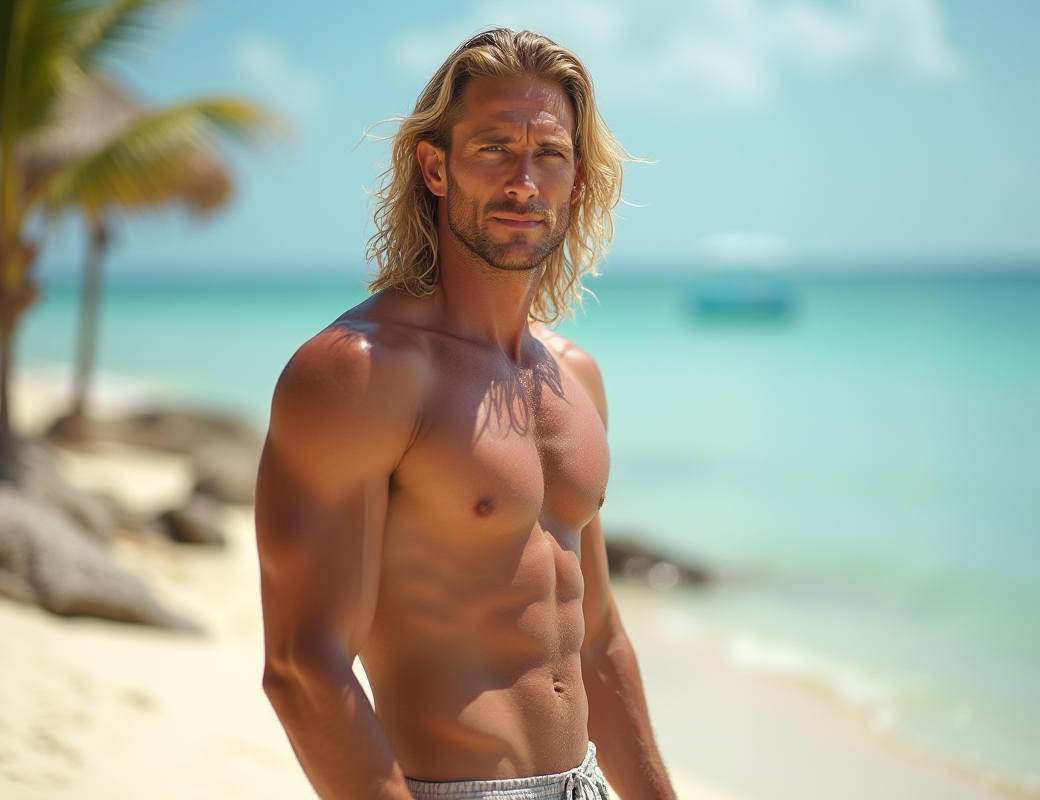
Key Takeaways
- Male arm contouring can employ liposuction, brachioplasty, radiofrequency, muscle etching, or hybrids to minimize fat, tighten skin, and sculpt a masculine arm profile with the compromise of permanent scars.
- Liposuction is best for individuals with good skin elasticity to minimize scarring and downtime. Brachioplasty removes excess skin for large tightening needs and leaves visible medial-arm scars.
- Radiofrequency and adjunctive energy treatments provide less invasive tightening with less downtime and more subtle results. Muscle etching sculpts definition when combined with fat removal for a more chiseled appearance.
- Being a candidate is contingent on a stable body weight, skin tone and elasticity, realistic expectations regarding scars and recovery, and no major medical conditions. Massive weight loss patients frequently require excisional procedures.
- Recovery includes 2 to 3 weeks of significant swelling and bruising, activity limitations for 4 to 6 weeks, and scar maturation up to 12 months. Adhere to post-op guidelines and don compression garments to facilitate recovery.
- Long-term results persist with a stable weight and scars treated with structured scar care, sun protection, and a healthy lifestyle. A large change in weight can change contours and scar location.
Male arm contouring is a surgery to re-sculpt the upper arm through fat elimination and skin tightening. It involves liposuction, skin excision, or a combination depending on arm size and skin quality. These results target tighter, more sculpted arms and typically require three to six months to stabilize. Applicants typically maintain consistent weight and have achievable expectations. The meat details techniques, recoveries, risks, and results.
Procedure Overview
Male arm contouring encompasses a variety of surgical and energy-based treatments designed to enhance the appearance of the upper arms. A chiseled, masculine arm profile features less loose skin, rejuvenated contours, and a more robust visual delineation from shoulder to elbow. Results can provide a more toned arm look, but the compromise may be permanent scarring and unpredictable recovery. These procedures are performed under local or general anesthesia, typically last no more than three hours when both arms are addressed, and can include drains for several days to avoid seroma formation.
1. Liposuction
Liposuction provides a means to invasively reduce localized upper arm fat. Small ports are incised, instruments are inserted, and fat is suctioned with minimal scarring and usually a quicker recovery than excisional surgery. Donors with skin that is still very elastic and only mildly loose are the best candidates because the skin can then contract after fat extraction and give better contour. Liposuction by itself cannot fix massive loose skin or significant arm contour irregularity. A patient with focal posterior arm fullness but intact skin tone often sees clear contour change with minimal downtime.
2. Brachioplasty
Brachioplasty is an excisional procedure that trims excess skin and fat to tighten the upper arm. Incisions typically follow the medial arm and can extend from the axilla to the elbow depending on how much tissue needs to be excised. This is a nice technique for post-massive weight loss patients or anyone with significant skin laxity. The compromise is a permanent scar in return for significant firming. Surgery can take up to three hours for both arms. A drain may need to remain in place for a few days, and initial scar healing is approximately two weeks.
3. Radiofrequency
Radiofrequency devices provide a non-surgical or adjunct option to tighten mild skin laxity on the arms. Energy heats the dermis and subdermal tissues, stimulating collagen production and slow skin contraction over weeks to months. It is good for small amounts of excess skin and no severe deformity. Results aren’t as dramatic as open excision, but there is less downtime, there are no big scars, and it can be combined with liposuction for added impact.
4. Muscle Etching
Muscle etching is the procedure that sculpts the area surrounding the biceps and triceps to highlight those classic, manly arm lines. The surgeon carefully excises fat and carves soft tissue to define angular contours and emphasize muscle bulk. This can be combined with liposuction or brachioplasty for a comprehensive outcome. Accurate awareness of the male arm anatomy must be known to prevent irregularity or contour deformities.
5. Hybrid Approach
- Hybrid — combines liposuction and brachioplasty and/or radiofrequency for both fat excess and skin redundancy. The strategy is individualized to anatomy and objectives. It can add operative time and requires meticulous technique. Most patients are back to normal activities within two weeks and exercise by four to six weeks.
Anatomy Differences
Male and female upper arms are different in certain predictable ways that influence surgical planning and results. This anatomy differences recap overview summarizes those differences and how they translate into incision placement, contouring strategy, and complication risk. Skin thickness, muscle bulk, and fat distribution are compared in the table below to provide context for the targeted subtopics that follow.
| Feature | Male Upper Arm | Female Upper Arm |
|---|---|---|
| Skin thickness | Generally thicker (more dermal collagen) | Generally thinner, more elastic |
| Muscle bulk | Greater deltoid and triceps development common | Less pronounced muscle bulk on average |
| Fat distribution | More central or posterior fat, often firmer | More diffuse subcutaneous fat, softer feel |
| Fibrous stroma | Denser connective tissue in some men | Looser fascial planes in many women |
| Typical contour goal | Sharper, more defined landmarks | Smoother, gentle curves |
Skin Thickness
Male upper arm skin tends to be thicker, with more dermal collagen and different elastic properties than female skin. Thicker skin can cause separate scar quality and a more aggressive healing response, with scars being less obvious when buried in well-designed creases, but requiring delicate closure method. Thickening also alters the anticipated amount of skin retraction after surgery, and surgeons cannot count on the same contraction as they see with thinner skin, so excisional patterns may need to be modified. Flap elevation and dissection should respect the fascial system and the skin’s vascularity, with insufficient subcutaneous undermining or rough handling increasing wound tension and delaying healing.
Muscle Bulk
Men often have larger deltoid and triceps mass, which impacts surface anatomy and the feel of the arm after contouring. Muscle bulk guides the depth and orientation of incisions. More superficial dissection risks uneven contours, while deeper cuts near muscle fascia risk injury. Intraoperative mapping and palpation assist in confirming the muscle borders and avoiding unintentional fascia breaches. Holding a masculine profile means sculpting fat and skin to reveal natural muscle lines instead of smoothing it into a rounded contour. That objective influences decisions about how much tissue to eliminate and where to position scars.
Fat Distribution
Men store upper-arm fat differently than women, with firmer, more localized deposits and stronger fibrous septa. Targeted fat removal is required to prevent an over-resected appearance that minimizes the masculine anatomy landmarks. Conservative liposuction combined with selective excision often yields the best results. Fat grafting can add subtle volume to balance contours, such as the détoid sweep. Old-school liposuction can be challenged in areas where fibrous strands are thick. There, manual dissection or ultrasonic-assisted technologies can come in handy. Surgical plans should be customized to each patient’s anatomy, objectives, and anticipated recovery.
Candidacy Factors
Male arm contouring is a procedure that contours the upper arm through the elimination of excess fat and skin and the sculpting of the underlying tissues. Candidacy is determined by a combination of anatomical, medical, and lifestyle factors that impact both safety and outcomes. Preoperative evaluation criteria are summarized in the list below.
- Stable body weight for several months prior to surgery
- Predominant concern: loose skin rather than isolated fat
- Degree of skin redundancy (mild, moderate, severe) and elasticity
- General good health and no major medical conditions such as heart issues, bleeding disorders, or uncontrolled diabetes.
- As a non-smoker or willing to give up tobacco use before and after surgery.
- Reasonable expectations regarding scars, healing time, and potential for revision.
- Previous surgical or body-contouring experience that can help you commit to recovery.
- Physical exam findings include skin tone, pinch test, fat distribution, and arm muscle anatomy.
H3: Skin Tone
Good skin tone and elasticity enhance the surgical result and minimize the risk of contour deformities. Skin that snaps back nicely after stretching is more likely to settle elegantly to a new underlying contour, reducing the risk of that lingering sag. Bad skin tone is the reason a patient will still see folds or loose pendulous skin after an arm lift because the skin simply cannot tighten down to the new shape. Younger patients and those with less weight change typically provide better skin quality. For instance, a 28-year-old who has maintained the same weight since their teenage years will almost always have firmer tissue than a 50-year-old with a history of yo-yo dieting. Surgeons conduct a targeted PE to evaluate skin thickness, elasticity, and redundancy, measuring and pinch-testing to design a plan on whether skin excision or less invasive liposuction is feasible.
H3: Body Weight
Candidates should be at a stable, healthy body weight prior to arm contouring. Weight stability for a few months is more crucial than making a specific number. There is no magic weight cutoff. Large weight fluctuations post surgery can warp results, shift scars and stretch residual skin, sabotaging contour. Massive weight loss patients do typically have both excess skin and stretched tissue support and often require larger excisional procedures to address redundancy. Body weight impacts how much fat and skin need to be excised to achieve the desired arm contour, determining a liposuction-only approach versus a combined excision. A comprehensive health history and physical examination is still important to confirm candidacy and to establish expectations about scars and a multi-week healing.
Surgeon Perspectives
Surgeons emphasize customization for male arm liposuction, tailoring technique and incision placement to each patient’s anatomy and goals. Choice of open excision, traditional liposuction, ultrasound-assisted lipectomy, or radiofrequency-assisted liposuction often depends on skin quality, fat distribution, and the type of ptosis. Surgeon preference and experience heavily influence that decision. Seasoned surgeons tend to prefer techniques that balance contouring with scar concealment and tend to position incisions where scars lie in natural creases or on the medial arm.
Precise technique counts not only to minimize complications but to optimize scar appearance. Surgeons recommend using lower energy settings and not applying energy within 2 to 5 cm of the incision edge to preserve skin viability and wound healing. In practice, this translates into precise energy delivery, slow passes with the device, and direct visual control whenever possible. Meticulous haemostasis, atraumatic tissue handling, and layered closure all contribute to superior scar outcomes. Experienced NHS consultant plastic surgeons and ASPS member surgeons stress these steps as routine.
Surgeon perspectives: Nerve and vascular anatomy guide distal arm work In the distal one-third of the arm, sensory branches are commonly encountered approximately 7 to 14 centimeters proximal to the medial epicondyle, so dissection or cannula passes in that area should be guarded. Surgeons often mark these areas prior to surgery and rotate cannula angles to prevent nerve stretching. This minimizes the risk of numbness and dysesthesia while maintaining sensation.
Adjuncts like fat grafting and RF tightening are employed judiciously. Small intramuscular fat grafts, usually less than 50 cc each arm, can restore contour and soften transitions where desired. RF machines have been cited to heat stromal fibers to approximately 85 °C and generate a 40 to 50 percent reduction in fiber length, resulting in contraction. According to some surgeons, RFAL generates significant skin retraction, including in studies where it observed a 33.5 percent reduction in surface area at 12 months in cases with moderate to severe ptosis, and frequently without an extensive visible scar.
Results, recuperation, and patient profile are similar among series. Mean patient age for these procedures is about 32 years, with a range of 20 to 59 years. These patients experience less pain and are returning to work sooner, typically in less than a week. Objective measures show improvement as well. One study recorded a CR-MASJ score change from 2.12 at baseline to 0.68 at 3 months and 1.27 at 12 months, indicating durable but variable improvement over time.
Healing Journey
Your healing journey following male arm contouring is a guided experience designed to maximize your skin’s healing tissue and unveil your new, sculpted contour. Plan on a theatrical healing process mixing rest, slowing ramp back up, and focused aftercare. Most patients experience their biggest transformation in the initial months. Complete optimization and scar maturation can take up to a year.
Timeline
Initial recovery usually necessitates 7 to 14 days off work for most patients, depending on job demands. The first 48 to 72 hours have the most pain and swelling being the most apparent. Oral pain meds and elevation keep this in check. Swelling and bruising typically subside substantially within 2 to 3 weeks. However, residual swelling can linger and gradually dissipate for months.
Do not lift your arms above shoulder level or reach behind your back for the initial weeks to avoid tension on incisions. Arm straining and weight training should be postponed for 4 to 6 weeks. Gentle walking and non-strenuous activities tend to be fine earlier. Numbness in and around incision sites is common and will often gradually resolve over a period of a few months as nerves heal. The final aesthetic result and full scar maturation can take 6 to 12 months, although most patients observe the most obvious changes within the first several months.
Restrictions
- Checklist of common postoperative restrictions with brief notes: * No heavy lifting (steer clear of more than 5-10 kg) for 4-6 weeks to minimize tension on the repair.
- No reaching overhead or behind the back for the first 2-3 weeks to safeguard sutures.
- No intense upper-body workouts, no contact sports or weight training for at least 4-6 weeks, sometimes longer if healing is slow.
- Avoid sun exposure to scars for months, use protective clothing or SPF 50 or higher when outside.
- Stay away from smoking and nicotine for weeks before and after the operation as they inhibit wound healing.
- Adhere to any antibiotic or wound care regimes if provided.
Wear compression garments day and night for four to six weeks to assist the new contour and aid in swelling reduction. Keep incisions clean and dry, shower as directed by your surgeon and do not tub soak until you are cleared. Begin gentle scar massage with medical-grade silicone gel or sheets at two to three weeks post-op to enhance scar quality.
Complications
- Possible complications include: * Infection in the incision or the area.
- Prolonged swelling or seroma.
- Contour irregularities or under-resection or over-resection.
- Scar migration, hypertrophic scars, or wide scars.
- Transient or extended numbness and infrequent permanent sensory alterations.
- Suture extrusion and wound disruption in certain instances.
- Seldom, the requirement of revision surgery or complications of axillary nodal dissection.
Careful surgical technique, patient selection, and compliance with post operative instructions minimize these risks. A quick response from the surgical team to any signs of infection, increasing pain, or wound changes enhances healing outcomes and restricts chronic problems.
Result Longevity
Arm contouring results are dependent on the procedure performed, patient biology and post-operative care. Here’s a snapshot of the key components impacting result longevity, followed by targeted guidance on scar care and weight management to preserve a masculine arm shape.
| Factor | How it affects longevity | Practical note |
|---|---|---|
| Body weight changes | Weight gain stretches tissue and scars; weight loss can reveal lax skin | Stable weight best; track regularly |
| Aging | Skin loses elasticity, soft tissues descend over time | Younger patients often see longer benefit |
| Sun exposure | UV damage accelerates skin aging and scar darkening | Use sunscreen, cover scars when outdoors |
| Surgical technique & scar location | Technique affects residual contour and scar visibility | Choose surgeon with arm-contouring experience |
| Post-op care | Proper wound care reduces complications and poor scarring | Follow instructions; scar protocols matter |
| Lifestyle (diet/exercise) | Muscle tone supports contour; fat changes alter shape | Arm-focused strength work helps preserve results |
| Timeframe | Results may last many years; revisions sometimes needed | Some patients benefit up to 10+ years; average revision 5–10 years |
Remember, scarring is permanent. Contour enhancements can last if your weight is steady. Major weight gain or loss will alter the new contour and may stretch or expand scars. Follow-up care and wise decisions prolong arm contouring’s aesthetic appeal.
Scar Protocol
- Clean and protect: Gently cleanse incision daily with mild soap and water, then pat dry. Use prescribed topical ointment or silicone gel to assist skin healing and minimize raised scar formation.
- Compression and support: Wear compression garments as directed to reduce swelling and keep tissues in place. This reduces tension on incisions and enhances scar outcome.
- Sun protection: Block UV exposure to healing scars using broad-spectrum sunscreen (SPF 30+) or clothing. This helps to prevent hyperpigmentation and premature aging of scar tissue.
- Massage and mobility: Begin gentle scar massage after the wound is closed to soften tissue and improve mobility. Pair with ROM work to avoid tightness.
- When to seek help: Report redness, fluid, widening scars, or persistent pain. Early intervention through steroid injections, laser, or revision can potentially limit long-term issues.
Typical scar locations are along the medial arm from the axilla toward the elbow. Concealment means placing scars in natural creases, using shorter exposed lines in active men, and planning incision curves to fall where sleeves lie. Scar revision or repositioning may be considered should scars become prominent, symptomatic, or inhibit motion. Anticipate scar maturation and fading to be twelve to eighteen months; patience is key.
Weight Control
Stable body weight preserves surgical results. Fluctuations create repeated skin redundancy and contour changes. Consistent aerobic and resistance exercises help preserve arm muscle tone and the contour created surgically. Targeted resistance work, such as rows, tricep extensions, and push variations, populate the new frame without becoming oversized.
Lean nutrition that manages body fat sustains shape longevity. Monitor weight and arm circumference every so often. Small increases tend to show up first in the upper arm. Significant weight fluctuations tend to cause a need for revisional surgery within five to ten years in many patients.
Conclusion
Male arm contouring provides a crisp, sustained transformation to contour and tone. The surgery removes fat through liposuction or by cutting and tightens skin to reveal muscle lines. Surgeons select methods based on body fat, skin type, and arm musculature. Recovery takes weeks. Most men experience consistent results by three months. Proper weight control and strength work help those results last for years. Scars fade but remain visible. There are risks, but good planning and a skilled surgeon reduce them.
Example: A 38-year-old who kept steady weight and did twice-weekly arm work maintained a sharper shape for five years. For next steps, consult with a board-certified plastic surgeon, see before-and-afters, and establish realistic expectations. Book a consultation to discover your options and plan your care.
Frequently Asked Questions
What is male arm contouring and how does it work?
Male arm contouring sculpts your upper arm by removing fat and tightening skin. It includes liposuction, skin excision, or a combination. Male arm contouring naturally has specific techniques adapted to your unique male anatomy and defined musculature for an optimal outcome.

Am I a good candidate for male arm contouring?
Ideal candidates are healthy adults with reasonable expectations. The best candidates have localized fat, mild to moderate skin laxity, and want durable contour refinement after diet and exercise. You are subject to a surgeon evaluation that deems you a candidate.
How long is recovery after arm contouring?
The majority of patients return to light activities in 1 to 2 weeks. Swelling and bruising peak early and dissipate over 4 to 6 weeks. Complete healing and ultimate contour may require 3 to 6 months. Follow your surgeon’s aftercare for optimal results.
What risks and complications should I expect?
Typical risks are swelling, bruising, numbness, infection, scarring, and contour irregularities. With a board-certified surgeon, serious complications are rare. Discuss risks, medical history, and safety during consultation.
Will arm contouring affect muscle definition?
Yes. When done right, contouring can make muscles pop, zapping away excess flab and firming skin. Outcomes are contingent upon base muscle tone and patient adiposity. Pairing surgery with strength training maximizes the look.
How long do results last for male arm contouring?
Results are permanent if you keep your weight down and live a healthy lifestyle. Fat cells eliminated do not come back, though weight gain or aging can alter contours with time. Periodic follow-up helps monitor long-term results.
How do I choose the right surgeon for male arm contouring?
Select a board-certified plastic surgeon experienced in male body contouring. Check out before and after photos, patient testimonials, and inquire about their complication rates. An obvious consult and a feasible plan show you’re really good at this.
 Directions
 Call Us
 Email Us