
What to know about lymphatic massage after a Brazilian butt lift
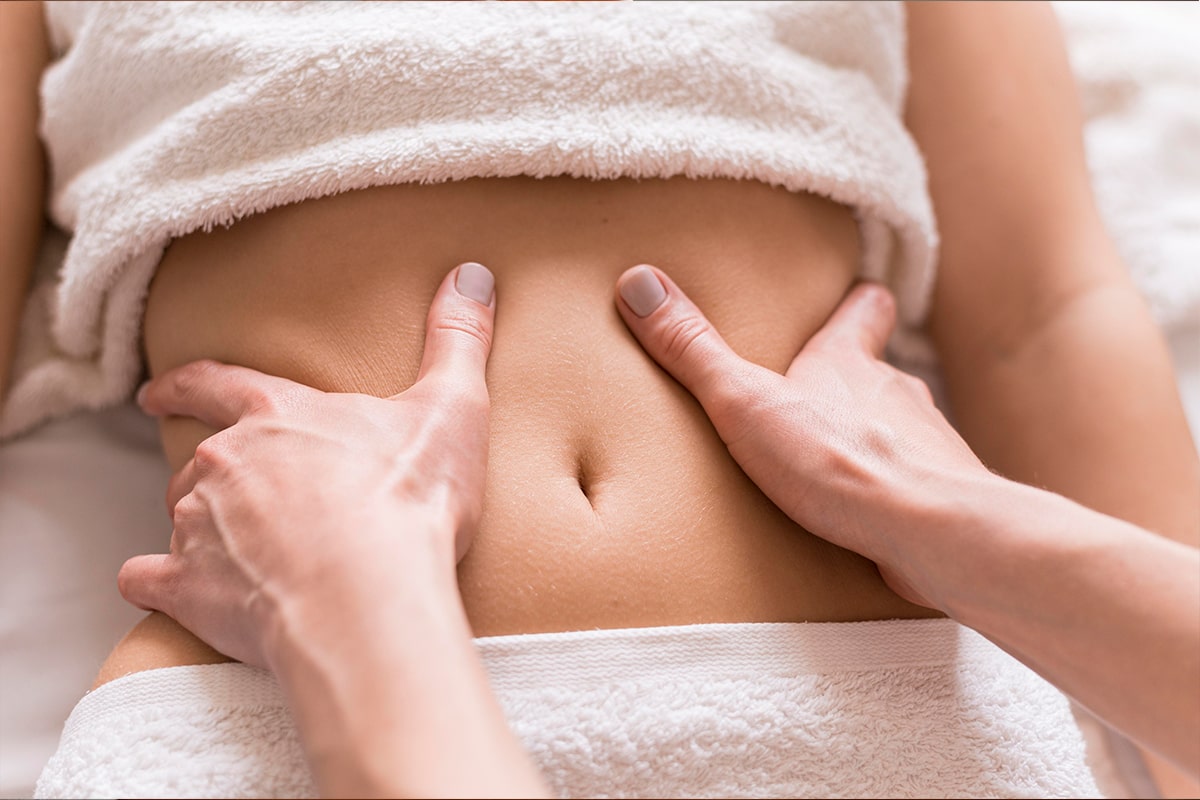
Key Takeaways
- Lymphatic massage benefits healing post-BBL by decreasing inflammation, mobilizing fluid, and mitigating complication risks for an enhanced and expedited recovery.
- Start massaging only when your surgeon gives you the green light, usually after the initial few days to weeks post-op, depending on your healing progress. Adhere to precise timing and technique guidelines to prevent grafts from being dislodged.
- Utilize gentle, pulsating, surface strokes in each session. Anticipate a slight soreness, but no deep work. Receive consistent appointments early in recovery, then taper with swelling.
- Check for red flags prior to every session. These include open wounds, active infection, heavy bleeding, or severe pain. Delay massage until those are resolved and your provider approves.
- Bad or harsh massage can harm fat grafts, exacerbate swelling, or promote infection. Select skilled therapists and don’t hesitate to express concerns about pain and pressure.
- With regular, well-timed lymphatic massage, you will soften tissues, prevent fibrosis and contour irregularities, and help your long-term fat retention and BBL results satisfaction.
Lymphatic massage after a Brazilian butt lift aids in minimizing swelling and directing fluid away from the surgical site. It promotes recovery by reducing swelling, relieving pain, and enhancing shaping in the initial weeks post-surgery. Sessions typically begin a few days post-op and repeat over weeks, with soft, directional strokes and skilled therapists. Discuss timing, pressure, and frequency with your surgeon to tailor your recovery plan.
Recovery Role
Lymphatic massage assists BBL recovery by helping the body mobilize excess fluid and decrease local inflammation. This soothing treatment focuses on superficial lymphatic vessels to assist clearance of the fluids that congest after tissue injury. The method can reduce how long swelling and bruising are visible in the early recovery weeks, when swelling usually hits its maximum three to five days out. Some surgeons advocate it as an adjunct, while others don’t think it’s necessary. Patients should factor that difference and speak to their surgeon prior to therapy initiation.
Fluid Clearance
Lymphatic massage encourages movement of lymphatic fluid, which contributes to detoxification and improved circulation. Therapists apply light, rhythmic strokes focused on opening lymph pathways. Each stroke pushes fluid away from the surgery site and toward draining areas such as the groin. Proper drainage decreases swelling and bruising by clearing blood breakdown products faster. When fluid pools, it can become a seroma, and quick, effective drainage reduces that risk and the need for needle drainage. More rapid fluid movement typically translates to earlier visible improvement in shape and less tightness that delays return to normal clothes.
Tissue Softening
Post-BBL, fat transfer sites can become firm as a natural healing response. Targeted massage breaks up early fibrotic bands and adhesions that cause lumps or uneven texture. Frequent sessions, daily or every other day for the first two weeks, approximately 10 to 15 sessions, lessen the likelihood of long-lasting lumps and encourage a flatter contour. Soft tissues conform easier to the desired form, creating more organic outcomes. Increased tissue elasticity reduces regional pain and helps sitting and moving feel less painful during recuperation.
Pain Relief
Lymphatic massage reduces tenderness and soreness post-operative by relieving pressure from fluid that’s pooled and minimizing local inflammation. Soft manipulation relieves mechanical stress in inflamed tissues that allows the nervous system to feel less pain. This comfort encourages better rest and mobility and helps reduce the need for pain medications when utilized as a component in an overall recovery strategy. Remember that recovery advantages are time-based. Massage relieves symptoms in the weeks following surgery but does not re-script surgical results. It’s not for everybody. Medical issues and complications need surgeon approval before beginning therapy.
Key Protocols
The goal of post-BBL lymphatic massage is to help reduce swelling, direct fluid away from treatment areas and assist in graft survival. Here’s a succinct, numbered checklist of key steps, along with expanded protocols on timing, frequency, session experience, techniques, and safe integration. Follow your surgeon’s key protocols. They all vary and your surgeon must approve all massage before you start.
- Pre-approval and baseline check: Confirm with your surgeon that wounds are stable, there is no active bleeding or infection, and vital signs are normal before scheduling massage.
- Start window: Plan initiation according to your surgeon’s timeline. Common windows range from 24 to 72 hours, up to one week, or in some protocols around four weeks for more conservative care.
- Session plan: target 8 to 12 sessions in the first 2 to 4 weeks. More elaborate routines can take as many as 20 meetings. Normal protocol indicates 10 to 15 sessions altogether, with daily or every other day visits initially.
- Session length and spacing: Schedule 30 to 60 minutes per session. The acute phase typically occurs every other day or three times weekly. Taper as swelling subsides.
- Technique limits: use only light, superficial strokes. Avoid firm pressure on the buttocks in early weeks to prevent graft displacement.
- Monitoring: Check skin color, temperature, drainage sites, and pain before and during each session. Watch for warning signs of infection, increased pain, or odd bruising and inform the surgeon!
- Review and taper: Conduct a six-week review to assess swelling and outcomes and decide on further sessions. Reduce frequency as tissue firmness improves.
1. Ideal Timing
Start only after surgeon clearance. Some teams initiate 24 to 72 hours post-op to assist early fluid shift. Others wait a week or delay up to four weeks for slower healers. Too early can disturb grafts or open wounds. Align start to your surgical notes, clotting status, and skin integrity. Space sessions to coincide with dressing changes and any drains in place.
2. Session Frequency
Early recovery typically demands every other day or three times weekly visits. Most protocols recommend 8 to 12 sessions during the initial 2 to 4 weeks. Large cases might require as many as 20 sessions. As swelling drops, taper to twice weekly, then weekly. Consistency matters: regular treatments yield steadier outcomes than sporadic care.
3. Session Experience
Plan on 30 to 60 minutes per visit. Therapists employ gentle, rhythmic strokes that follow lymph pathways to the inguinal nodes. The glutes get just a soft squeeze in the beginning. Most of the work is on adjacent areas. Patients might experience slight tenderness, warmth, or comfort as fluid moves.
4. Gentle Techniques
Agitate slowly, swagging to move fluid but not to press the grafts. No deep tissue, cupping, or rough kneading. Ask the therapist for feedback throughout. Stop or ease up if pain or sharp sensations occur.
5. Safe Integration
Plan massage around wound care and when compression garments are off for a short time. Verify no contact with meds or recent procedures. Look for infection signs prior to each visit and coordinate the six-week review with your surgeon.
Critical Risks
Lymphatic massage after a BBL can assist recovery, but there are obvious dangers when it’s not done correctly. The goal is to minimize swelling and fibrosis without agitating the newly transferred fat. Knowing what can go wrong and where to concentrate care minimizes the risk of long-term issues.
Graft Damage
Improper massage could dislodge or harm fat grafts through direct, deep or repetitive pressure over the transplanted tissue. Transplanted fat is unstable at first and depends on revascularization, while excessive pressure can crush the cells and result in fat necrosis and irregularities or asymmetry. Deep tissue work in the initial weeks risks bruising, heightened swelling and primes the body for fat necrosis, which are firm nodules that sometimes require later intervention. Graft instability can alter the surgical result and create contour defects that are hard to correct without revision surgery.
Too much pressure can cause uneven resorption, so one butt cheek can lose volume quicker than the other. That irregular resorption often accounts for visible asymmetry after BBL when patients or therapists press too hard. Do not directly manipulate the buttocks at all during this early phase; only on donor sites where liposuction took place. If professional manual lymphatic drainage isn’t accessible, gentle self-drainage is one alternative, but never replace it with intense kneading or deep strokes.
Early Contraindications
- Open wounds at the surgical sites
- Active infection or fever
- Severe, worsening pain beyond expected post-op levels
- Ongoing heavy bleeding or continuous drainage
- Significant ecchymosis with skin compromise
- Uncontrolled medical conditions like unstable diabetes or clotting disorders
Postpone massage until initial healing milestones are met. Swelling typically peaks around days three to five. Gentle lymphatic drainage can help then, but only off the buttocks. Performing drainage directly over fat transfer zones increases the risk of displacing grafts and causing fat necrosis. Wait at least six weeks before applying any firm pressure on the buttocks. Many surgeons recommend avoiding deep work for longer depending on healing.
Postponing or neglecting proper lymphatic drainage can extend swelling, increase seroma risk, and let fibrosis take hold. Established fibrosis typically requires months of intervention, including ultrasound, multiple specialized massages, or other treatments, which is expensive and time consuming. Patients appropriately treated with lymphatic care can achieve full healing in six to twelve weeks, as opposed to nine to eighteen months without it.
Final Results
Lymphatic massage post-BBL assists both the body’s healing process and the appearance of the final results. It details what you can expect in terms of contour, firmness, and long term satisfaction and provides straightforward, pragmatic advice on timing and maintenance.
Benefits of proper lymphatic massage for long-term outcomes:
- Speeds reduction of swelling that peaks around post-op days three to five.
- Promotes even tissue distribution to avoid lumps and indents
- Helps fat grafts settle for a more natural shape
- Reduces risk of fibrous tissue buildup and hard nodules
- Maintains skin softness and elasticity over months
- Improves patient comfort and perceived results, raising overall satisfaction
Contour Definition
Massage assists in ‘sculpting’ and buttock shaping by shifting excess fluid and promoting even fat graft settling. When swelling comes down symmetrically, the curves become more defined and predictable. When uneven swelling is present, it can hide or warp the desired shape. For instance, daily or every-other-day sessions in the initial two weeks within a typical 10 to 15 session schedule provide the soft tissue consistent, mild direction. Ten to twelve sessions in the first two to three weeks lead to the best early shaping, then weekly for two to three months to maintain progress.
Compression garments day and night for six weeks teamed with massage maintain contour. Remove your outfit just to shower and cleanse it. Without regular compression and massage, swelling can persist for months and cause asymmetry. Real-life examples are patients who adhered to a strict regimen and experienced smoother, more symmetric curves compared to patients who procrastinated and required corrective touch-ups.
Fibrosis Prevention
Daily lymphatic massage reduces the risk of fibrotic tissue hardening in the transplanted regions by maintaining fluid circulation and breaking down nascent scar tissue. Fibrosis can cause hard lumps, nodules, or areas of tension that alter the appearance and texture of the buttocks. Early intervention matters: start sessions soon after your surgeon clears you, monitor firmness, and treat any tight spots quickly.
Research is limited. A 2026 systematic review found moderate reductions in swelling but mixed effects on pain and firmness. So massage is helpful but not fool-proof. Maintenance, with monthly or bimonthly visits during months two and three, keeps softness intact and fibrosis at bay. If fibrosis kicks in, more regular attention and specialized methods can minimize the risk of permanent deformity.
Clinical Evidence
Clinical evidence on lymphatic massage after BBL focuses on analogous surgeries and lymphatic treatments as direct, high-quality BBL-specific trials are few. In general, the clinical evidence suggests short-term benefits for swelling and comfort in the early weeks of recovery, mixed effects on longer-term outcomes, and possible harm if massage is administered too strongly or too prematurely. Here’s a summary of the main clinical evidence and what it means in practice.
Some of the best randomized and prospective trials in both liposuction and abdominoplasty provide the clearest signal. A review of seven clinical studies determined that lymphatic drainage massage led to immediate, short-term reductions in swelling and helped relieve pain in the weeks following surgery. These trials demonstrate quicker short-term recovery indicators, but benefits often dissipated after sessions ceased. A recent scoping review of rehabilitation following abdominoplasty found lymphatic drainage to be the most studied post-op therapy, but trials were small and methods were poorly described, and thus no standard protocol could be recommended.

Lymphedema care evidence helps frame expectations. A 2015 Cochrane review in patients with lymphoedema after breast cancer found MLD to be safe and to provide a small extra drop in swelling when used in conjunction with compression bandaging. By analogy, MLD can provide small value when used in conjunction with wraps or bandages post-cosmetic trunk procedures. In contrast to comparative studies, lymphatic massage did not outperform simply wearing a compression garment for swelling control, which may mean garments alone are sufficient for many patients.
Timing and technique are important. Swelling is typically at its worst around 3 to 5 days post-op, and the majority of fluid clearance takes place in between clinic visits, at home. Patients who initiate light lymphatic massage within the first few days frequently experience more rapid reduction of acute swelling, reduced pain, decreased risk of fluid collection, and reduced early fibrosis. Relocated fat in a BBL doesn’t have its own blood supply yet. Solid pressure or deep work can minimize fat survival. This renders aggressive massage on the buttocks ill-advised in early weeks.
The risks and limitations consist of inconsistent trial quality, small samples, and methods. Most note fewer complications if massage is included in a broad post-op plan, but causation is unclear. Patient satisfaction and perceived outcome frequently improve with massage, probably from decreased pain and a feeling of doing something actively to recover. Practical takeaway: gentle, protocolled lymphatic massage combined with compression and home care can speed acute symptom relief, but it is not a guaranteed way to fix contour issues or permanently reduce long-term swelling.
| Outcome | Evidence summary | Practical note |
|---|---|---|
| Reduced swelling | Multiple small RCTs and prospective trials show short-term reduction | Benefit is temporary; garments may be equally effective |
| Improved recovery time | Faster symptom relief reported when started early | Most drainage occurs at home between sessions |
| Decreased complication rates | Some studies report fewer seromas and fibrosis with proper massage | Trials are small; causation unclear |
Expert Perspectives
Postoperative context: Lymphatic massage after a Brazilian butt lift (BBL) aims to manage swelling, support healing in donor areas, and help with comfort and contour. Swelling is at its worst between days three and five, so timing and technique are important. Experts disagree on benefits, but they concur on safety boundaries and where attention should be focused.
| Topic | Expert recommendation |
|---|---|
| Timing to start | Consider gentle lymphatic drainage as early as days two to five for donor areas; get surgeon clearance first. |
| Areas to treat | Limit massage to liposuctioned donor sites; avoid direct massage over buttocks where fat was grafted. |
| Pressure level | Use light, rhythmic strokes for lymph flow; avoid deep or firm pressure on buttocks for at least six weeks, longer if surgeon advises. |
| Techniques to avoid | No deep-tissue massage, cupping, wood therapy, vacuum devices, or forcing fluid through incisions in early weeks. |
| Compression use | Wear compression garments for about six weeks; place foam pads under garments after liposuction to spread pressure. |
| Professional guidance | Seek a therapist trained in postoperative lymphatic drainage; self-massage should follow clinician instructions. |
| Evidence on swelling | One study found manual lymphatic drainage did not reduce swelling significantly compared with compression garment alone. |
| Safety focus | Prioritize wound integrity, gentle motion, and avoid maneuvers that could displace fat or open incisions. |
Timing and patient selection: Experts emphasize individualized plans. Patients with uneventful recovery may start very light lymphatic work during days two to five, but only to donor areas and only with surgeon consent. If you have persistent fluid collections, are prone to infections, or are unsure about your graft stability, these patients should absolutely delay or avoid early massage. Patients with limited access to trained therapists must be instructed in safe self-massage of donor areas and use compression garments as a first line.
Technique and what to avoid: Lymphatic drainage is light, superficial skin stretch and direction toward regional lymph nodes. Trained postoperative therapists employ low-pressure, stroking movements and steer clear of any kneading or deep pressure over the gluteal region. Experts warn against cupping, vacuum devices, aggressive scraping, or efforts to express fluid through incisions, as these can damage grafted fat and soft tissues.
Practical safety steps to maximize results include getting written clearance from your surgeon, following a schedule that pairs early gentle drainage of donor zones with continuous compression for about six weeks, and using foam padding to protect contours. If swelling increases after massage, discontinue and contact the surgeon. There’s not a lot of research on lymphatic massage efficacy after BBL, so blend expert advice, clinical judgment, and patient preference when organizing care.
Conclusion
Learn about lymphatic massage and why it is important after your Brazilian butt lift. It shifts fluid out of the treated area, reduces bruising time, and can leave skin feeling suppler. Follow a clinic plan: start at the right time, use light strokes, and skip deep pressure near grafts. Be on the lookout for infection, increasing pain, or unusual discharge and call a provider quickly. Research and surgeons demonstrate the best results come from meticulous, consistent sessions combined with adequate rest, hydration, and compression garments. A patient who had three weekly lymphatic massages saw swelling drop to half that of untreated patients within two weeks and felt more mobile. Schedule a consultation with your surgeon or trained therapist to create a safe plan.
Frequently Asked Questions
What is lymphatic massage after a Brazilian butt lift (BBL)?
Lymphatic massage is a gentle, targeted massage that promotes the drainage of lymph fluid. After a BBL, it decreases swelling, bruising, and fluid accumulation to promote a more seamless recovery and enhance comfort.
When should I start lymphatic massage after my BBL?
Adhere to your surgeon’s schedule. Typically, therapists initiate lighter sessions 48 to 72 hours post-surgery if permitted. Always obtain written approval from your operating surgeon prior to commencement.
How often should I get lymphatic massage post‑BBL?
Standard protocols suggest three to five times a week for two to three weeks and then tapering. Your surgeon or certified therapist will customize frequency according to swelling and healing progress.
Is lymphatic massage painful after a BBL?
Correct MLD is feather-light and absolutely non-painful. Should you experience pain or sharp discomfort, cease and consult your surgeon. Pain may be a sign of something requiring medical attention.
Who should perform lymphatic massage after a BBL?
Select a licensed therapist trained in post-operative manual lymphatic drainage who is familiar with BBL care. Just make sure they adhere to your surgeon’s protocol and employ safe techniques.
What are the main risks of lymphatic massage after a BBL?
When performed properly, dangers are minimal. The wrong pressure or timing can increase bleeding, seroma, or graft displacement. Follow surgical guidance and use seasoned providers.
How soon will I see results from lymphatic massage?
Most patients feel a difference within days with decreased swelling and increased comfort. Final contour improvements can take weeks to months as fluid resolves and tissues settle.
 Directions
 Call Us
 Email Us