
Medical Weight Loss: A Crucial Step Before Liposuction Success

Did you know that nearly 70% of people who consider liposuction have excessive fat and high BMI, and are actually overweight with conditions obesity? Medical weight loss measurement is a crucial step before considering liposuction in the area of boxing. It helps you shed those extra pounds and addresses weight concerns while preparing your body for a weight loss procedure. Losing weight can lead to better results for men and a smoother recovery process.
Understanding the benefits of medical weight loss can change your approach to body contouring. It’s not just about looking good; it’s about feeling good, being healthy, and considering the social aspects of human body weight, target weight, weight estimation, and weight class. This blog post will explore why medical weight loss matters and how it sets the stage for successful liposuction. Get ready to discover the essential connection between these two paths to a healthier you.
Key Takeaways
- Consider medical weight loss as a crucial first step to reach your ideal body weight before opting for liposuction.
- Achieving a healthier weight can lead to better results from liposuction, enhancing your overall satisfaction with the procedure.
- Focus on targeting specific problem areas through medical weight loss to maximize the effectiveness of liposuction.
- Improved overall health from weight loss can lower the risks associated with surgery and anesthesia, making the process safer.
- Adopt lifestyle changes that support weight loss and prepare your body for liposuction, ensuring a smoother recovery.
- Use effective weight loss strategies, such as diet and exercise, to achieve sustainable results that complement any surgical procedures.
Importance of Medical Weight Loss
Healthy Weight First
Achieving a healthy weight is essential before considering any surgical options like liposuction. Many overweight patients face serious health risks due to obesity. These risks include heart disease, diabetes, and high blood pressure. Surgery alone does not address these underlying issues.
Medical weight loss programs help patients reach a healthier weight. They provide structured plans that focus on diet and exercise. Patients learn about nutrition and how to make better food choices. This knowledge is vital for long-term success.
Health Risks Reduction
Medical weight loss significantly reduces health risks associated with being overweight. Studies show that losing just 5-10% of body weight can improve overall health. For example, it can lower blood sugar levels and reduce cholesterol.
Obesity also affects mental health. It can lead to depression and anxiety. By losing weight, patients often see improvements in mood and self-esteem.
Sustainable Changes
Sustainable weight loss is crucial for lasting results. Medical supervision ensures that patients lose weight safely and effectively. Programs offer guidance tailored to individual needs. This support helps prevent rapid weight regain after surgery.
Patients learn to set realistic goals. They track their progress regularly. Regular check-ins with medical professionals keep them accountable.
Structured Approach
A structured approach is vital for success in medical weight loss. Patients receive personalized plans that fit their lifestyles. These plans often include:
- Nutritional education
- Exercise routines
- Behavioral therapy
Such a comprehensive strategy helps patients change habits over time.
Long-Term Benefits
The long-term benefits of medical weight loss are significant. Patients who engage in these programs often maintain their weight loss better than those who don’t. Achieving a healthy weight can lead to improved quality of life.
In many cases, patients experience increased energy levels and enhanced mobility. This improvement allows them to participate in activities they once avoided due to their weight.
Achieving Ideal Body Weight
Calculation Methods
Calculating ideal body weight is essential for understanding health goals. The Devine formula provides a straightforward method. For men, the formula is 50 kg plus 2.3 kg for each inch over 5 feet. For women, it starts at 45.5 kg, adding 2.3 kg for each inch over 5 feet.
The Hamwi method also offers a way to estimate ideal weight. It suggests similar calculations but uses a different base weight. This method states that men should weigh 106 pounds for the first 5 feet, plus 6 pounds for each additional inch. Women start at 100 pounds and add 5 pounds per inch.
These formulas help individuals identify their target weight. They provide a clear goal for those concerned about their overall body weight.
Health Significance
Reaching an ideal body weight plays a crucial role in overall health. It reduces the risk of chronic diseases such as diabetes and heart disease. Individuals with a healthy weight often experience better physical fitness and increased energy levels.
Maintaining a normal weight also supports mental health. Many people feel more confident when they achieve their goal weight. This can lead to improved self-esteem and social interactions.
Being at an ideal weight helps improve sleep quality. Studies show that individuals with reduced body weight often sleep better than those who are overweight. A good night’s sleep is vital for overall well-being.
Impact on Medical Treatments
Achieving the right body weight can significantly affect drug metabolism and medical treatments. Medications may work differently based on an individual’s body mass index (BMI). Overweight patients might need higher doses for certain drugs to be effective.
Conversely, achieving an ideal weight can enhance the effectiveness of treatments. For example, patients undergoing surgery may experience fewer complications if they are within a healthy weight range.
Moreover, reaching target weights can improve recovery times after medical procedures. Health professionals often recommend weight loss before surgeries like liposuction to minimize risks.
Summary of Benefits
- Reduces risk of chronic diseases
- Improves self-esteem and social interactions
- Enhances medication effectiveness
- Promotes better sleep quality
- Supports faster recovery from medical procedures
Enhanced Liposuction Results
Improved Outcomes
Pre-surgical weight loss plays a vital role in achieving better liposuction results. Patients who lose weight before the procedure often notice improved body contours. This happens because fat layers become thinner. Thinner layers allow the surgeon to contour more precisely. The precision leads to smoother and more natural-looking results.
Studies show that patients who engage in medical weight loss programs have better outcomes. They experience less trauma during surgery. Less trauma means a quicker recovery time. A study published in the “Aesthetic Surgery Journal” found that patients with a lower body mass index (BMI) had significantly improved satisfaction rates after liposuction.
Precision Contouring
Reduced fat layers make it easier for surgeons to shape the body accurately. This is crucial for areas like the abdomen, thighs, and arms. When there is excess fat, it can be challenging to achieve the desired look. Surgeons may struggle with unevenness or irregularities.
With less fat, surgeons can use advanced techniques. These techniques include tumescent liposuction and laser-assisted liposuction. Such methods require a skilled hand and an understanding of the body’s anatomy. Accurate contouring leads to enhanced aesthetic appeal. Patients feel happier with their new shapes when they see smooth transitions between areas.
Long-lasting Results
Patients who maintain stable weight after liposuction enjoy longer-lasting results. Weight fluctuations can lead to unwanted changes in body shape. Gaining weight after liposuction can cause new fat deposits to form in different areas. This can diminish the effects of the procedure.
Research indicates that patients who focus on lifestyle changes post-surgery tend to keep their results longer. Regular exercise and a balanced diet help maintain their ideal body weight. A consistent routine supports overall well-being and energy levels, enhancing recovery.
Emotional Benefits
Achieving a stable weight before surgery also impacts emotional health. Patients often feel more confident about their bodies after losing weight. This confidence can lead to a positive mindset going into surgery. Feeling prepared mentally helps ease anxiety surrounding the procedure.
Support from medical professionals during this phase is crucial. They provide guidance on nutrition and exercise tailored to individual needs. Emotional support can come from groups or online forums where people share similar journeys.
Targeting Problem Areas Effectively
Identifying Areas
Medical weight loss plays a key role in determining problem areas for liposuction. It helps patients understand where fat accumulates on their bodies. This understanding is crucial before considering surgical options. Researchers have found that losing weight can reveal true problem areas. As patients shed pounds, stubborn fat deposits become more visible.
Using various systems and techniques, medical professionals assess body composition. They may use formulas to estimate fat percentage in different areas. For example, tape measurements can help identify specific regions of concern. This data guides the decision-making process for liposuction.
Stubborn Fat Deposits
After initial weight loss, the focus shifts to stubborn fat deposits. These deposits can be frustrating for many individuals. Even after losing weight, some areas may still retain excess fat. Common problem areas include the abdomen, thighs, and arms.
Medical weight loss helps pinpoint these areas effectively. Patients often report feeling more confident after losing weight. However, they may still struggle with localized fat. This is where targeted liposuction becomes beneficial.
Effective Liposuction
Targeted liposuction is more effective when patients lose weight first. By reducing overall body fat, surgeons can better sculpt the body. The results are often more satisfying for patients. They can achieve a more defined appearance in problem areas.
Different types of liposuction techniques exist today. Each technique has its advantages based on individual needs. For instance, tumescent liposuction uses a solution to minimize bleeding and pain. Other methods may focus on specific body systems or concepts for better outcomes.
Benefits of Medical Weight Loss
The benefits of medical weight loss extend beyond aesthetics. Patients often experience improved health markers as well. Lowering body weight can reduce risks associated with obesity-related conditions. These include diabetes and heart disease.
Incorporating exercise, such as boxing or judo, can aid in weight loss efforts too. These activities increase muscle mass and boost metabolism. Engaging in regular physical activity complements medical weight loss programs.
Improved Overall Health Benefits
Physical Health
Medical weight loss leads to significant improvements in physical health. Patients often experience reduced blood pressure and lower cholesterol levels. These changes can decrease the risk of serious conditions like heart disease. A study from the American Heart Association shows that losing even a small amount of weight can lead to better heart health.
Weight loss also lowers the chances of developing diabetes. The Centers for Disease Control and Prevention (CDC) reports that obesity is a major risk factor for type 2 diabetes. By managing weight through medical interventions, patients can improve their insulin sensitivity and overall glucose metabolism.
Mental Well-being
The impact of medical weight loss extends beyond physical health. Many patients report improved mental health after losing weight. They often feel more confident and have higher self-esteem. This boost in confidence can lead to a more active lifestyle.
Research indicates that people who lose weight report lower levels of anxiety and depression. According to a study published in “Obesity,” participants who lost weight experienced significant improvements in their mood and quality of life. This emotional shift can encourage individuals to maintain healthier habits.
Long-term Health Risks
Medical weight loss reduces the risk of chronic diseases. Conditions such as heart disease, stroke, and certain cancers are linked to obesity. By achieving a healthier weight, patients can lower their chances of developing these diseases.
A report from the National Institutes of Health (NIH) highlights that maintaining a healthy weight can prevent many age-related health issues. For instance, older adults who lose excess weight may have better mobility and fewer joint problems.
In children, medical weight loss is crucial as well. Childhood obesity rates have increased significantly over the past few decades. The CDC states that overweight children are at greater risk for developing health issues later in life, including diabetes and hypertension. Early intervention through medical weight loss can set them on a healthier path.
Lifestyle Changes
Patients undergoing medical weight loss often adopt healthier lifestyles. They learn about nutrition and exercise tailored to their needs. This education helps them make informed choices about food and activity levels.
Regular physical activity is essential for maintaining a healthy weight. Doctors recommend at least 150 minutes of moderate aerobic activity each week for adults. Engaging in sports or physical activities can be particularly beneficial for both men and women.
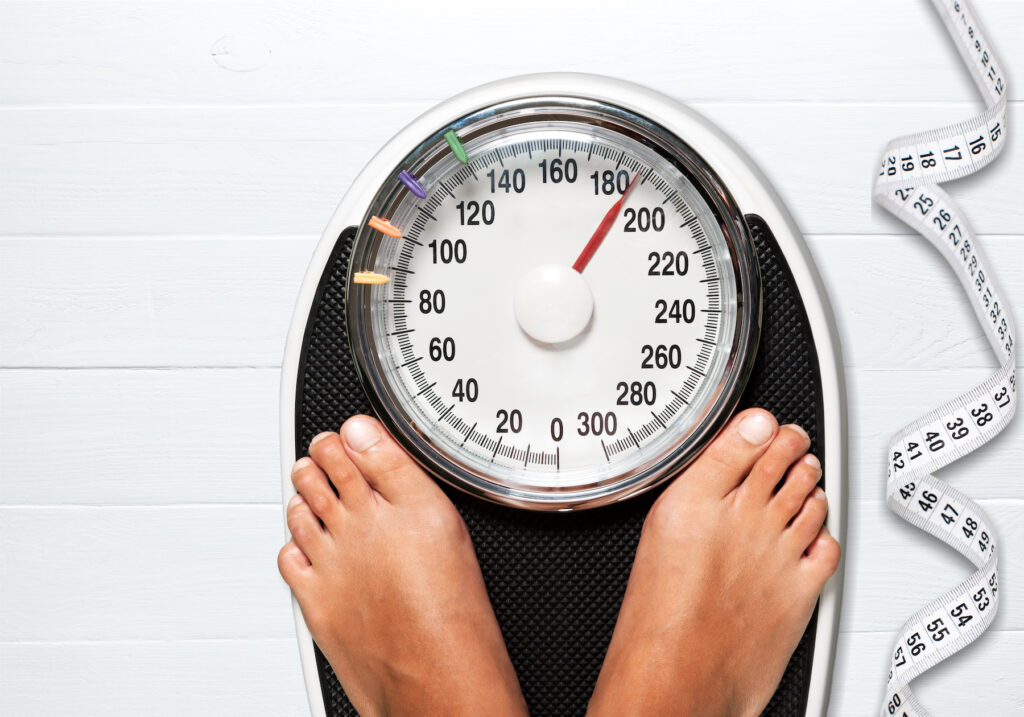
Lower Surgery and Anesthesia Risks
Reduced Surgical Risks
Lower body weight plays a significant role in reducing the risks associated with surgery. Excess weight can lead to complications during any surgical procedure, including liposuction. Studies show that individuals with a lower body mass index (BMI) face fewer issues during operations.
A higher BMI can increase the likelihood of problems like infections, blood clots, and longer recovery times. Therefore, achieving a healthier weight is crucial before undergoing liposuction.
Faster Recovery
Healthier bodies recover more quickly from surgical procedures. When individuals maintain a balanced diet and regular exercise, their bodies become stronger. This strength aids in faster healing after surgery.
Patients with lower body fat often experience less postoperative pain and discomfort. They also have improved mobility soon after the procedure. This quicker recovery allows for a return to daily activities sooner than those who are overweight.
Minimized Complications
Minimizing complications is vital for a safer liposuction experience. Complications can arise from both the surgery itself and anesthesia used during the procedure. Weight loss helps decrease these risks significantly.
For instance, patients with excess weight may experience breathing difficulties under anesthesia. This can lead to serious complications during surgery. By losing weight, patients reduce this risk and enhance their overall safety.
Lower body weight can lead to better outcomes with anesthesia. Anesthesia affects individuals differently based on their health status and weight. Those who are healthier typically respond better to anesthetic drugs.
Importance of Medical Weight Loss
Medical weight loss programs provide structured guidance for individuals seeking to lose weight before surgery. These programs often include personalized diets and exercise plans tailored to individual needs.
Following such programs helps patients achieve their weight loss goals effectively. A medical professional monitors progress, ensuring that the approach is safe and effective.
The support from professionals can also address emotional aspects related to weight loss. Many people find motivation through counseling or group sessions offered in these programs.
Preparing for Liposuction
Medical Evaluations
Medical evaluations are essential before undergoing liposuction. Doctors assess overall health and suitability for the procedure. They review medical history, medications, and any existing conditions. This step helps identify potential risks.
Consultations with a licensed surgeon provide valuable insights. Surgeons explain the procedure, recovery time, and possible complications. Patients should ask questions to clarify doubts. Understanding the process leads to informed decisions.
Setting Expectations
Setting realistic expectations is crucial for a successful outcome. Liposuction is not a weight-loss solution. It aims to remove stubborn fat that resists diet and exercise. Patients should understand that results vary based on individual factors.
Discussing goals with the surgeon helps align expectations. A clear vision of desired results can guide the process. Expecting immediate perfection can lead to disappointment. Patience is key during recovery.
Stable Weight and Health
Maintaining a stable weight is vital before surgery. Surgeons recommend being at or near your ideal weight for at least six months. This stability ensures better results and reduces complications.
Good physical health plays a significant role in recovery. Engaging in regular exercise strengthens the body. Exercise improves circulation and enhances healing post-surgery. A healthy lifestyle also contributes to long-term results.
Patients should consider their overall well-being. Poor health can lead to increased risks during surgery. Prioritizing health ensures a smoother experience.
The Role of Broselow Tape
The Broselow tape may be used in pediatric cases but highlights the importance of accurate measurements in surgery preparation. Accurate data helps surgeons plan effectively. Proper planning reduces risks during procedures, ensuring safety.
Using tools like the Broselow tape emphasizes the need for precision in medical evaluations. This attention to detail supports successful outcomes for patients.
Lifestyle Changes for Liposuction
Healthy Eating
Healthy eating is essential before considering liposuction. Adopting a balanced diet can help reduce body fat and improve overall health. Foods rich in nutrients support the body during recovery. This includes fruits, vegetables, lean proteins, and whole grains.
Portion control also plays a vital role. Eating smaller portions prevents overeating and helps maintain a healthy weight. Tracking food intake can keep individuals accountable. Many find success using apps or journals to monitor their meals.
Regular Exercise
Regular exercise complements dietary changes. Engaging in physical activity boosts metabolism and burns calories. It also builds muscle, which can enhance liposuction results. Aim for at least 150 minutes of moderate aerobic activity each week. This could be brisk walking, cycling, or swimming.
Strength training is equally important. Incorporating weights or resistance bands two days a week helps tone muscles. A combination of cardio and strength training provides the best outcomes. Individuals often notice improved energy levels and mood as well.
Behavioral Changes
Behavioral changes are crucial for maintaining weight loss. Developing a positive mindset supports long-term success. Setting realistic goals helps individuals stay focused and motivated. Small, achievable changes lead to significant results over time.
Mindful eating practices can prevent unhealthy habits. Paying attention to hunger cues reduces emotional eating. It’s essential to understand triggers that lead to overeating. Keeping stress in check through relaxation techniques also contributes to better choices.
Ongoing Support
Ongoing support is necessary after making lifestyle changes. Joining support groups or working with a coach can provide accountability. Regular check-ins with healthcare providers help track progress and address challenges.
Follow-up care after liposuction ensures that results are maintained. This may include nutritional counseling and fitness guidance. Support from friends and family can also reinforce healthy behaviors.
Effective Weight Loss Strategies
Dietary Plans
Healthy weight loss begins with a balanced diet. A good dietary plan focuses on whole foods, like fruits and vegetables. These foods are low in calories but high in nutrients. Reducing processed foods is essential. They often contain added sugars and unhealthy fats. Many general weight loss programs suggest tracking daily calorie intake. This helps identify eating patterns and areas for improvement.
Professional guidance can enhance dietary plans. A nutritionist can create a personalized meal plan. This ensures it meets individual needs and preferences. Many find success by keeping a food diary to monitor their eating habits.
Exercise Routines
Bodyweight exercises play a significant role in sustainable weight loss. Activities such as push-ups, squats, and lunges require no equipment. They can be done anywhere, making them accessible to everyone. Combining strength training with cardiovascular workouts is effective. Cardio exercises, like running or cycling, burn calories quickly.
Consistency in exercise routines is key. Aim for at least 150 minutes of moderate aerobic activity each week. This can lead to significant improvements in overall health and fitness levels. Engaging in group classes or finding a workout buddy can increase motivation.
Medications
In some cases, medications may support weight loss efforts. These prescriptions work by suppressing appetite or increasing feelings of fullness. They are typically recommended for individuals who struggle with obesity and have not found success through lifestyle changes alone.
However, medications should not replace healthy habits. They are most effective when combined with diet and exercise. Consulting with a healthcare provider is crucial before starting any medication for weight loss.
Professional Guidance
Seeking professional guidance is vital when developing a weight loss program. Experts can assess individual health conditions and recommend appropriate strategies. Personalized programs often lead to better outcomes than generic plans.
Regular check-ins with healthcare professionals help track progress. Adjustments can be made based on results and challenges faced along the way.
Consistency and Perseverance
Achieving weight loss goals requires consistency and perseverance. Many people face setbacks during their journey. It’s important to stay committed even when progress feels slow.
Setting realistic goals helps maintain motivation. Celebrate small victories along the way, such as losing a few pounds or sticking to a workout schedule for a month. Remember that lasting change takes time.
Final Remarks
Medical weight loss is a vital step before you jump into liposuction. It sets the foundation for better results and a healthier you. By focusing on weight loss first, you enhance your chances of achieving the body you desire while minimizing risks. You’ll also feel more confident about the changes ahead.
Don’t rush into surgery without preparing your body and mind. Implement effective weight loss strategies and lifestyle changes that support your goals. Your journey doesn’t end with liposuction; it’s just the beginning. Take charge of your health today and explore these crucial steps to ensure a successful transformation. Ready to start? Let’s make those goals happen!
Frequently Asked Questions
What is medical weight loss?
Medical weight loss involves supervised programs designed by healthcare professionals. It focuses on achieving sustainable weight reduction through personalized plans, including diet, exercise, and sometimes medication.
Why is medical weight loss important before liposuction?
Medical weight loss helps patients reach their ideal body weight. This ensures better outcomes, minimizes risks, and enhances the effectiveness of liposuction procedures.
How does medical weight loss improve liposuction results?
Achieving a healthy weight prior to liposuction can lead to smoother contours and more significant fat removal. This maximizes the aesthetic benefits of the procedure.
What health benefits come from medical weight loss?
Medical weight loss can lower the risk of chronic diseases, improve mobility, and enhance overall well-being. It sets a solid foundation for long-term health improvements.
Are there risks associated with liposuction if I don’t lose weight first?
Yes, higher body weights can increase surgery and anesthesia risks. Medical weight loss reduces these risks, leading to safer surgical experiences.
How should I prepare for liposuction after medical weight loss?
Focus on maintaining your new weight, follow pre-operative instructions from your surgeon, and engage in healthy lifestyle changes. This preparation is crucial for optimal recovery and results.
What effective strategies are used in medical weight loss programs?
Common strategies include nutritional counseling, exercise plans, behavioral therapy, and sometimes medications. These are tailored to individual needs to ensure successful and lasting weight loss.
 Directions
 Call Us
 Email Us