
Microcannula Liposuction Benefits: Safety, Effectiveness & Ideal Candidates
Key Takeaways
- Microcannula liposuction employs ultra-fine, flexible cannulas and small microincisions to extract fat with incredible precision that avoids excess tissue damage and provides truly sculptural contours. Use this method for specific regions such as your arms, inner thighs, jawline and petite love-handle zones when you desire discreet contouring.
- The microcannula design preserves surrounding tissues and capillaries, minimizing bruising and bleeding while promoting faster healing. Anticipate less downtime and a quicker resumption of light activity than with traditional larger-cannula techniques.
- Tumescent local anesthesia enhances this safety by reducing bleeding and sidestepping general anesthesia while delivering extended numbness that decreases reliance on opioids for pain control. Make sure your surgeon tracks lidocaine dosages and patient vitals during surgery.
- Microcannula techniques provide patients with good skin elasticity, smoother and more even contours, and better skin retraction, reducing the risk of irregularities and the requirement for further skin excision. Consider it if you really care about that natural result with scant visible scars!
- Good candidates are a healthy weight with firm elastic skin who want light to moderate fat reduction with a short recuperation time. Contraindications include excessive loose skin or medical issues that interfere with healing. Talk to your surgeon about realistic expectations and other procedures if you need a large volume removed or skin tightening.
- Clinically, microcannula liposuction demonstrates great safety and effectiveness relative to traditional methods. Continued instrument and technique innovations enhance precision and outcomes. Select a talented surgeon familiar with microcannulas and verify follow-up care procedures to aid recovery.
The microcannula liposuction benefits are numerous: smaller incisions, less bruising, and quicker recovery compared to traditional methods. It employs fine, flexible tubes to target small fat pockets and sculpt areas with more precision. Most patients experience less pain and a quicker return to activity. Clinical studies demonstrate less tissue trauma and greater contour precision. Read on for average results, recovery time, and what influences them.
Procedural Mechanics
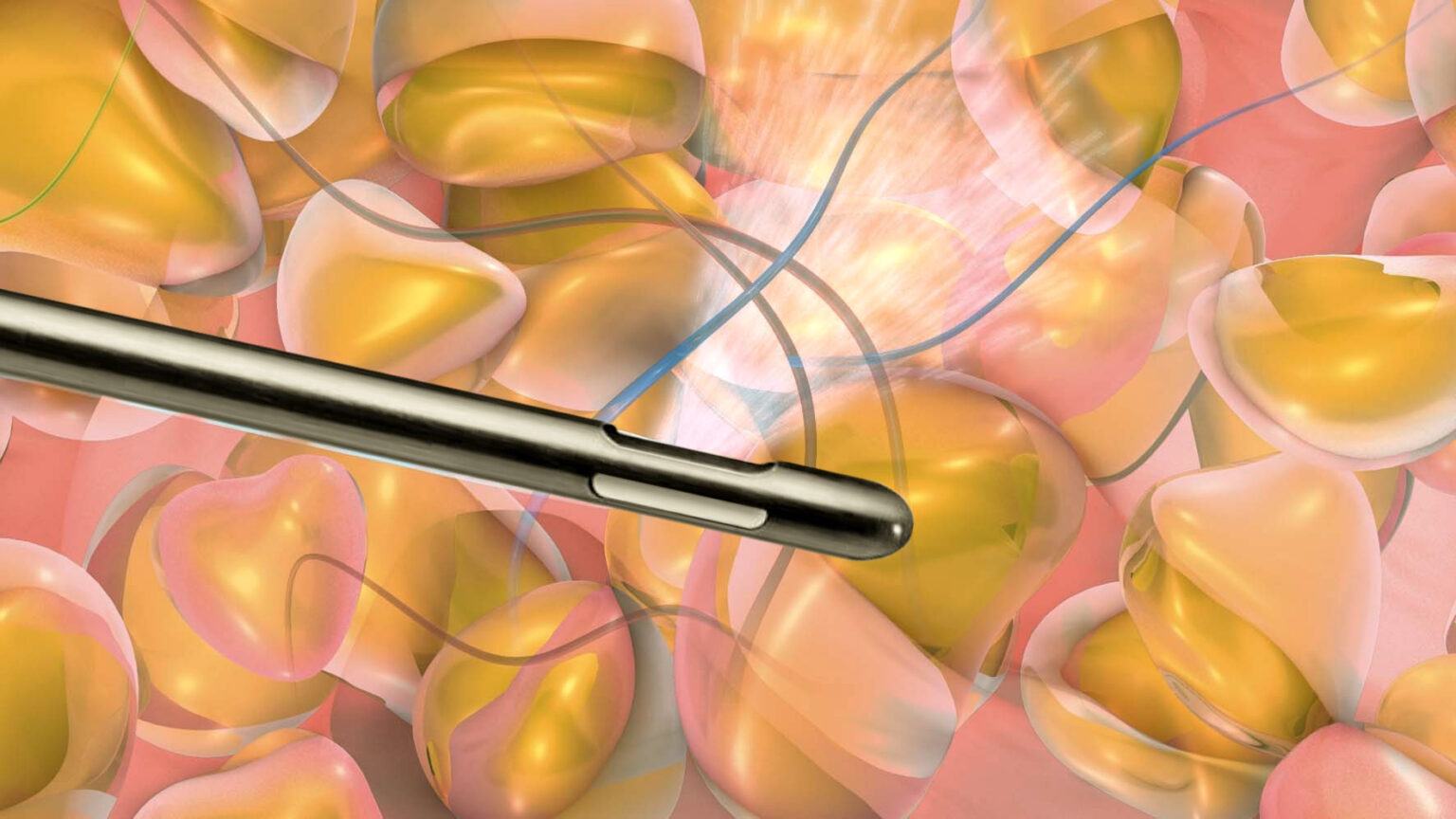
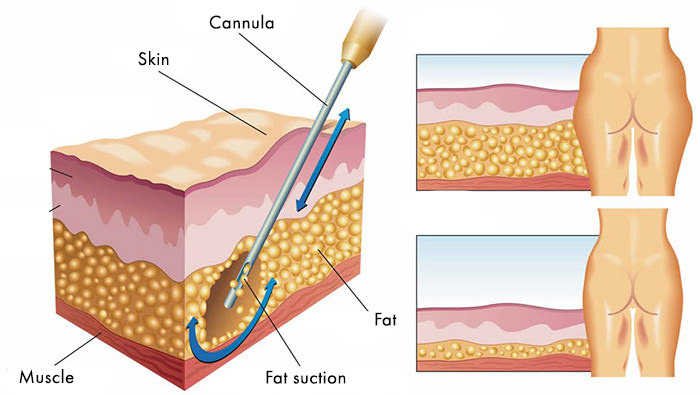
Microcannula liposuction uses very thin, flexible cannulas and micro-incisions to excise fat with high precision while minimizing tissue injury. The procedure utilizes tumescent anesthesia, a pre-determined map of incisions and volumes, and sequential fat extraction to sculpt even, high-definition contours.
Instrument Design
Microcannulas come in smaller diameters than standard cannulas, generally 16-gauge or 14-gauge for the deep plane, and even finer tips for more superficial work. Some have specialized ports, off-center holes or several tiny ones, that alter how suction impacts fat, allowing the doctor to extract narrow strips of tissue rather than big hunks. Flexible shafts enable the cannula to bend just a bit and track normal planes beneath the skin. That flexibility translates to less connective tissue tearing and fewer severed capillaries versus stiff, larger tools. They are available in sets with various lengths and tip shapes, a long, blunt-tipped microcannula for the flank or thigh, and a shorter, more tapered tip for the jowl or medial knee. Surgeons drill microtunnels from separate adits, constructing a meshwork that produces more even contours and less step-offs.
Tissue Preservation
Soft handling is key to tissue conservation with microcannulas. Because the device extracts fat in small ribbons, fat cell survival is enhanced should the fat be grafted. The mini-portals, 0.9–2.5 mm, minimize surface trauma and permit natural drainage through the cannula portals postoperatively. Compression garments significantly reduce swelling. Tumescent anesthesia, which is saline with lidocaine and epinephrine, is used to numb the tissues and constrict the vessels, reducing bleeding and decreasing the risk of bruising. Less capillary damage leads to less bleeding and quicker healing.
Bruising and healing comparison:
| Metric | Microcannula (small portals) | Larger Cannula |
|---|---|---|
| Incision size | 0.9–2.5 mm | 3–6 mm |
| Minor bruising | Low | Moderate–High | | Time to normal activity | 3 to 7 days usual | 7 to 14 days usual | | Contour smoothing | High | Moderate |
The procedural objective is to debulk fat, 10 to 20 percent from an entire treated compartment, evenly and starting in the deep plane with a 16- or 14-gauge microcannula then moving superficially. This step-wise approach provides more predictable shaping and minimizes contour irregularities. Patient plans outline access locations, treatment volumes, and any combined steps such as skin tightening or fat grafting. Satisfaction rates increase with microcannulas; research indicates it is more than 12 percent higher than typical cannulas. About: Procedural Mechanics — natural drainage, careful technique, and compression reduce downtime and minimize pain.
Core Advantages
Microcannula liposuction raises the standard liposuction technique by utilizing significantly smaller tubes and incisions. It pairs tumescence with microcannulas to reduce bleeding, minimize tissue trauma, and increase accuracy. Core advantages are outlined below for a quick survey, followed by more detailed discussion.
- Minimal invasiveness and faster recovery
- Nearly zero blood loss (often under 30–50 mL)
- Less postoperative bruising and swelling
- Lower risk of hematoma and contour irregularities
- Improved contour smoothness and high-definition shaping
- Enhanced skin retraction and reduced need for skin excision
- Tiny, often suture-free incisions with minimal scarring
- Faster return to daily activities (often 1–2 days)
1. Bruising Reduction
Smaller cannulas and microincisions translate into much less blood loss both during and post-procedure, with average blood loss sometimes less than 30 to 50 mL. Tumescence—a mix of dilute local anesthetic and epinephrine—constricts vessels even more, so patients experience near-zero blood loss.
The minimized vascular and soft tissue trauma decreases bruising. Less vessel trauma reduces the risk of hematoma. Patients experience less dark patches, and any that occur dissipate more quickly.
Advantages are faster recovery and reduced post-operative concealment. For conventional arm liposuction, bruising is minimal and mild. With bigger cannulas, bruises are more diffuse, darker and slower to dissipate.
2. Contour Smoothness
Microcannulas access fat in shallower layers than bigger instruments can safely reach, enabling more delicate sculpting and more seamless blending between treated and untreated areas. This makes the method ideal for sensitive areas such as the jawline, knees, or inner thighs.
Since the cannulas are slender, they extract fat uniformly and minimize lumpiness. Precision cannulation allows the surgeon to control depth and volume with small, measured passes.
Patients typically enjoy high-definition sculpting with less maintenance. The flat removal over a surface decreases the likelihood of unevenness compared to larger tools.
3. Skin Retraction
Microcannula liposuction conserves more dermal structures, which allows the skin to retract following fat extraction. This conservation aids in improved elasticity and visible firming, especially in patients with good baseline skin quality.
Mechanisms include less connective tissue trauma and stimulation of the skin’s natural contraction during healing. With less swelling and scarring, the skin was able to conform smoothly over the new contour.
Enhanced skin retraction frequently reduces the requirement for additional skin excision or lifts, sparing more invasive surgery.
4. Rapid Recovery
This mix of little tissue trauma and less swelling accelerates healing. The majority of our patients get back to light daily activities in one to two days and return to work soon after.
Recovery milestones include early ambulation, falling swelling within days, and normal activity within a week for many. Complication rates are lower, and fewer postop visits are generally required.
5. Incision Stealth
Since the microcannula entry points are so small and typically do not need stitches, they heal quickly and leave very little scarring. Typical locations include natural skin folds or occluded areas such as the lower back fold or axilla.
Strategic placement keeps those scars out of sight. The cosmetic advantage is clear. There are minimal or nearly invisible surgical marks for a cleaner result.
Tumescent Anesthesia
Tumescent anesthesia, a local method, involves injecting a diluted mixture of lidocaine, adrenaline (epinephrine), and saline into the fatty layer prior to microcannula liposuction. The solution swells the tissue, minimizes bleeding, and creates prolonged numbness, usually extending for a day. Patients are awake and alert, which reduces systemic risk by eschewing general anesthetic. The amount of saline injected is often two to three times the volume of fat and fluid to be removed, with many practices removing approximately 3 to 5 liters with the tumescent technique. Patients can tolerate even as much as around 3 liters removed in a single procedure without general anesthesia.
Benefits at a glance:
- Reduced intraoperative bleeding due to vasoconstriction from adrenaline.
- Prolonged local pain control from lidocaine eases the first 24 hours post-op.
- Lower systemic risk by avoiding general anesthesia.
- Awake surgery allows real-time feedback from the patient regarding comfort and contour.
- Allows longer, more precise procedures with minimal discomfort.
- Smaller fluid shifts compared with traditional large-volume liposuction.
- Quicker recovery time means most patients return to light work in 1 to 2 days.
Patient Safety
Tumescent local anesthesia diminishes surgical bleeding and infection risk by reducing hematoma and the requirement for large open wounds. Compared with general anesthesia, major anesthetic complications are less common because airway management and systemic sedation are avoided. Protocols include rigorous tracking of lidocaine dose by body weight, maximum amounts of fluid and fat removed, and constant monitoring of vitals. Example measures are recording cumulative lidocaine milligrams per kilogram, observing heart rate and blood pressure every few minutes, and weighing wet suction canisters to estimate fluid balance. Safety relies on skilled surgeons trained in microcannula technique and on advanced cannula systems that reduce trauma and enhance control. All of these factors combine to create less bleeding and more rapid, safer recoveries.
Pain Control
- Checklist: Patient reports rating comfort during recovery, need for narcotics, duration of numbness, activity tolerance, overall satisfaction. They say the patients experience little pain during the procedure and prolonged numbness for approximately 24 hours after the procedure, as the lidocaine is still in the fat. This sometimes diminishes or even removes the opioid post-operative pain meds. Most patients report minimal soreness and mild bruising, with increasing comfort each day. Several have returned to desk work within 24 to 48 hours and exercise shortly thereafter, per surgeon instruction. Relative to conventional liposuction, microcannula and tumescent produce less postoperative pain, with a more even recovery curve, fewer acute pain spikes, and less need for heavy narcotics.
Target Zones
Microcannula liposuction is most effective in ‘target zones’ where targeted, shallow work makes a difference. Typical zones of treatment consist of the arms, inner thighs, stomach, jawline, under-chin, saddlebags, and medial knees. These zones tend to have thin fat layers, fibrous attachments, or be pain sensitive, so they lend themselves well to smaller instruments that allow the surgeon to maneuver close to the skin without severing important support structures.
About: Target Zones Microcannulas allow surgeons to target small, specific areas. Think inner thighs, back of upper arms, mini love handles and that little cheek area near the jawline. For under-chin and medial submental work, an 18-gauge microcannula can be used with or without suction to define a plane just above the platysma. For medial knees and other tender areas, I frequently opt for a 16-gauge microcannula as it provides great flow along with gentler tissue treatment. For larger abdominal zones, female hips and male flanks, surgeons often transition to a 12-gauge Capistrano microcannula to extract more volume while remaining in control.
Fragile or fibrous fat pockets are particularly adept at microcannula methods. The small tips slip between fibrous septa with less trauma, so the skin’s attachments stay mostly intact. That helps maintain skin support and minimize contour irregularities. For instance, in the inner thigh where fibrous bands connect skin to underlying tissue, a microcannula can suction away surface fat but spare these bands, which reduces the likelihood of dimpling and irregularity.
Microcannulas facilitate staged, layered work. A surgeon can first form an accurate lattice of thin channels with the tiniest cannulas, then thread somewhat larger microcannulas along those routes to extract additional fat with reduced friction. This incremental approach provides greater control over thickness and amount. In practice, a clinician may begin more superficially on the jawline with an 18-gauge to sculpt edges, then employ a 16-gauge for light debulking, and a 12-gauge on wider abdominal plains.
Microcannula arm liposuction and fine cannula liposuction surgery are effective for sculpting. Upper-arm work sometimes demands careful, shallow passes to prevent visible irregularities, and microcannulas make that feasible. For medial knees and the small cheek region, the capacity to work superficially translates to more fat being able to be extracted safely, with reduced pain and fewer complications.
Patient Selection
Patient selection is what makes microcannula liposuction produce safe, predictable results. Surgeons should consider medical history, skin quality, fat distribution, and patient expectations prior to suggesting the operation. Microcannulas provide greater control and less tissue trauma, so selection is concentrated on patients who require minimal, accurate sculpting instead of large volume fat removal.
| Criteria for Selection | Contraindications |
|---|---|
| Healthy adult, stable weight (within 10% of target) | Significant loose or excess skin requiring excision |
| Localized fat deposits, minor to moderate volume | Uncontrolled diabetes or vascular disease |
| Good skin elasticity and tone | Active infection at treatment site |
| Non-smoker or willing to stop before and after surgery | Bleeding disorders or anticoagulant use not managed |
| Realistic expectations about improvement, not perfection | Severe obesity (BMI well above healthy range) |
| Commitment to postoperative care and follow-up | Pregnancy or breastfeeding |
| Access to experienced surgeon familiar with microcannulas | Poor general health or immunosuppression |
Ideal Profile
The perfect patient is someone who wants modest fat reduction and loves a little downtime and subtle change. They have firm, elastic skin that will contract after small-volume liposuction. Now, about patient selection. Good candidates are someone with a pinchable bulge on the inner thigh, some small submental fullness, or localized flank fat that won’t go away with diet and exercise.
Nonsmokers fare better because they heal significantly better. Those who smoke should quit weeks before and after surgery. No significant medical illnesses include uncontrolled hypertension and clotting disorders. Patients understand the limits: contour improvement, not weight loss.
Postoperative care commitment counts. Post-op visits, compression garments, and avoiding heavy lifting impact results. Surgeons generally want patients who have been at a stable weight for a few months. This minimizes the danger that subsequent weight fluctuations will erase the effect.
Clinical Limits
Microcannula liposuction is not for big-volume fat removal or patients looking for significant weight loss. For patient selection, it is intended for fine sculpting and treats most effectively small to moderate volume areas. Trying to do large volume fat removal with tiny cannulas just makes your operation longer and more complicated without improving the outcomes.
Regions of significant loose skin or poor tone might require excisional procedures such as body lift, tummy tuck, or surgical skin removal. For large flanks or abdomen with lots of hanging skin or massive weight-loss patients, standard liposuction with excision is usually better.
Surgeon experience matters: complex cases, uneven fat distribution, or prior surgeries may require a more seasoned operator. Over-resection, or taking out too much fat, puts you at risk of contour irregularities, including visible indentations or asymmetry. Knowing these limits helps establish reasonable expectations and minimize problems.
Clinical Perspective
Microcannula liposuction has an expanding clinical track record demonstrating better safety and results versus traditional large-cannula methods. Some series and comparative studies report fewer contour irregularities, less bruising and quicker superficial recovery with microcannulas. Patients are more satisfied, with satisfaction figures rising more than 12% over traditional cannulas. Importantly, it is able to work more superficially and shave off fat in thin layers while still preserving the skin’s connections and blood supply.
Microcannulas allow precise excision of surface fat without cutting the fibrous connections that bind skin to muscle. This maintains tissue scaffolding and decreases the risk of contour deformities or instability. Larger cannulas are frequently steered deeper to circumvent those surface concerns, which restricts the amount of superficial fat that can be extracted. Clinical practice reflects this: surgeons using microcannulas can safely harvest more subcutaneous fat overall, even though the technique is slower.
Technical advances support these clinical benefits. Tumescent vasoconstriction made microcannulas feasible and safe. It shrinks blood loss and provides local anesthesia so that you can do the superficial work at the same time without major bleeding. Today’s microcannulas are available in very specific gauges. A 16-gauge microcannula, for instance, has an internal diameter of approximately 1.2 mm and an outer diameter of approximately 1.6 mm. Measured efficiency of a 14-gauge 10-hole Capistrano microcannula is approximately 28 ml per 100 strokes or 0.28 ml per stroke. This is useful for estimating anticipated harvest and operative time.
There are trade-offs: microcannula procedures require more time to complete a case. The smaller lumen means each stroke removes less tissue, so cases take longer, yet paradoxically can produce more total fat removed, because surgeons can work across more planes safely. These time investments are counterbalanced by enhanced contour control and lower complication rates. A cautionary point reinforces technique choice: using a large-capacity cannula like a 10-gauge Capistrano too superficially risks obliterating the vascular plexus in the apical fat layer and can cause full-thickness dermal necrosis. Microcannulas sidestep that risk when employed properly.
New developments are further improving accuracy and ease of use. Power-assisted microcannulas, multiport designs and early robotic guidance systems are designed to standardize stroke depth and reduce surgeon fatigue. These instruments, coupled with increasing clinical familiarity, are why so many liposuction surgeons currently prefer microcannula techniques for sculpting and multi-level fat extraction.
Conclusion
Microcannula lipo offers distinct advantages for the appropriate patient. It reduces trauma to tissue. It reduces bruising and swelling. It accelerates resumption of all normal activities. It maintains minimal scarring and camouflages delivery sites effectively. Surgeons can sculpt more delicate curves and even out the pockets that blunt tools ignore. Local tumescent anesthesia brings safety and consistent pain management. Best results come from judicious patient selection, exacting technique and reasonable expectations. For the mild to moderate fat pockets with good skin tone, the pain and recovery trade-off tips in favor of less pain and faster recovery. Need a customized strategy or second opinion? Book a consult with a board-certified surgeon to weigh your options and receive a definite timeline.
Frequently Asked Questions
What is microcannula liposuction and how does it differ from traditional lipo?
Microcannula liposuction utilizes very small, thin cannulas (often less than 3 mm) to aspirate fat. It produces less tissue trauma, less bruising and more delicate contouring than the larger cannulas used in traditional liposuction.
Who is a good candidate for microcannula liposuction?
The best candidates are adults who are close to their optimal weight and possess localized fat deposits with good skin elasticity. It is more suitable for patients looking for small-scale, exact contouring instead of massive volume fat extraction.
What are the main benefits of using microcannulas?
Advantages include smaller incisions, minimal bruising and swelling, faster recovery, smoother results, and a lower risk of irregularities. The method facilitates finer contouring in sensitive regions.
Is the procedure performed under general anesthesia?
Most microcannula procedures are performed with tumescent local anesthesia, occasionally in conjunction with light sedation. General anesthesia is rarely required and depends on the extent and patient’s choice.
How long is the recovery and when will I see results?
First recovery is generally 3 to 7 days for daily activities. Swelling can persist for weeks. Visible contour changes emerge within 1 to 4 weeks, with ultimate results by 3 to 6 months as tissues settle.
What are the risks and how common are complications?
Risks include asymmetry, contour irregularities, infection, numbness, and minor bleeding. Complications are less common with microcannulas, but they depend on the surgeon’s skill and proper patient selection.
How do I choose a qualified surgeon for microcannula liposuction?
Select a board-certified plastic surgeon or dermatologist who has proven liposuction experience. Request before and after pictures, rate of complications, anesthesia, and aftercare information.
 Directions
 Call Us
 Email Us