
Nausea and Vomiting After Liposuction Anesthesia: Causes and Relief
Key Takeaways
- Nausea after liposuction can come from a variety of sources including anesthetic drugs, large amounts of tumescent, pain meds, compression garments, and fluid shifts. Anticipate there may be many culprits and prepare accordingly.
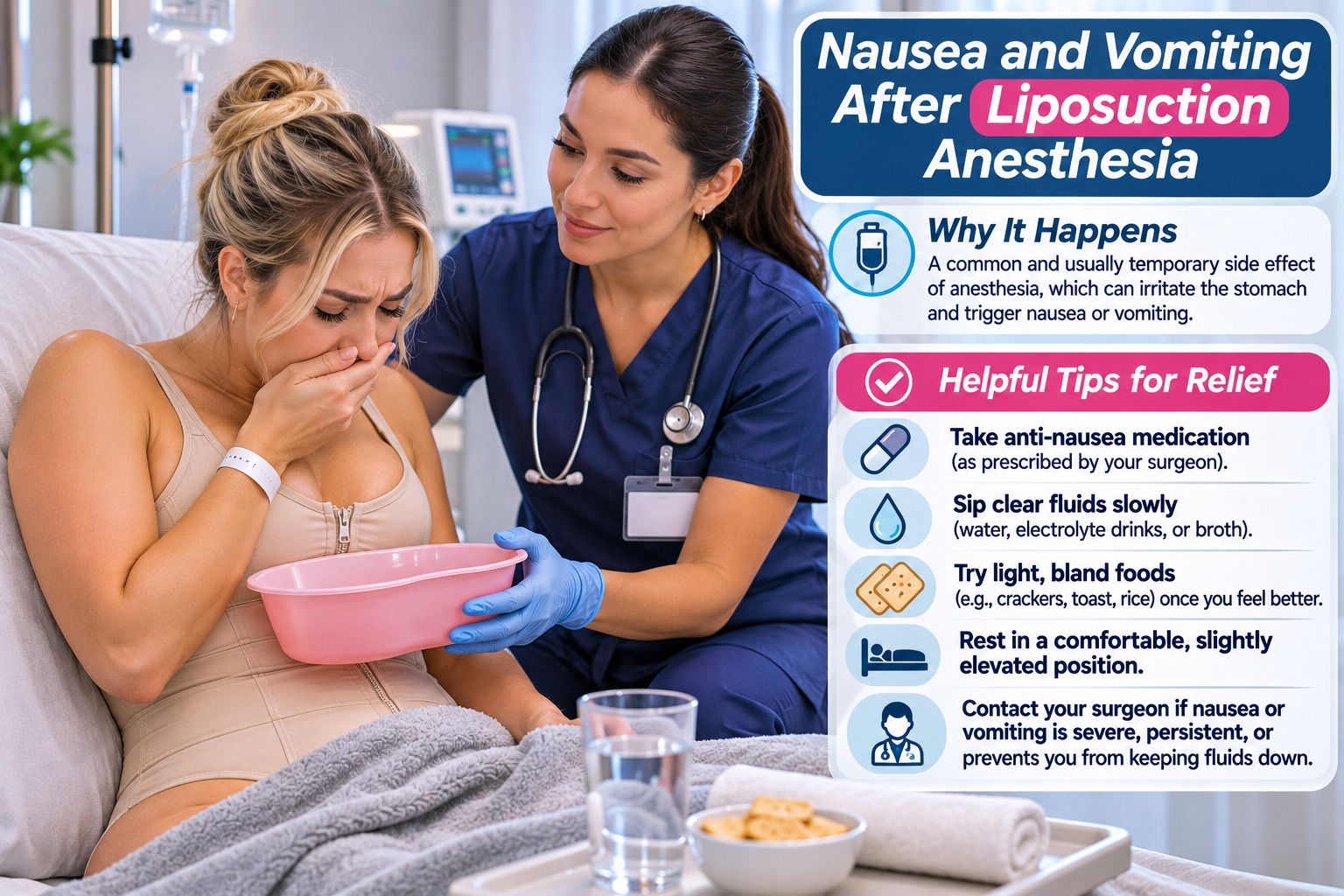
- Take prescribed anti-nausea medications as directed, sip clear liquids consistently, and stick to a bland, small meal regimen to minimize symptoms and aid in recovery.
- Loosen or temporarily remove compression garments if they contribute to abdominal pressure or nausea. Consult with your care team prior to fully removing them.
- Prefer non-opioid pain relief when appropriate and use the lowest effective dose of stronger painkillers to reduce nausea risk while maintaining pain control.
- Monitor symptoms, hydration, and medications to find triggers and provide your provider with clear data during follow-up visits.
- Zip through preoperative preparations by reviewing medications, scoping out hydration and bland-meal options, and drafting a recovery checklist complete with when to seek immediate care for severe pain or symptoms of dehydration.
Liposuction nausea after anesthesia describes the queasy, sick feeling that some patients experience after liposuction as the anesthesia wears off. It can be caused by general or sedative drugs, low blood pressure, or dehydration. Symptoms vary from queasiness to vomiting and can last hours to a day. Basic things such as small sips of clear fluid, rest, and antiemetics go a long way. The meat discusses causes, prevention, and when to get care.
Primary Causes
PONV post-liposuction are caused by a few related factors. PONV occurs in up to 30% of surgical patients and at an even higher rate in patients with a history of PONV or motion sickness. By understanding the drivers, patients and clinicians can plan steps to reduce symptoms.
1. Anesthetic Agents
Different anesthetic agents have different risks of nausea. Inhaled agents and certain volatile anesthetics are more likely to provoke PONV than TIVA, and TIVA is demonstrated to reduce risk. Sensitivity varies: patients with prior PONV or motion sickness, females, and nonsmokers tend to react more. General anesthesia poses a greater risk of nausea than local or regional blocks since more drug is delivered to the central nervous system. Clearance times differ: some drugs fall away in 10 to 15 minutes, while others last hours, and people with liver or kidney problems may clear drugs slowly and feel effects for days, rarely even a week or more. Minimize risk by discussing PONV history with your nurse anesthetist on the morning of surgery.
2. Tumescent Fluid
Liposuction frequently uses significant amounts of tumescent fluid, which is employed to anesthetize tissue and minimize blood loss. Absorption of that fluid into the bloodstream can disrupt fluid balance and irritate the stomach, causing nausea. Factors such as lidocaine and epinephrine can have systemic effects if absorbed in larger quantities. Lidocaine toxicity includes nausea, and epinephrine can cause palpitations and discomfort that exacerbate queasiness. Dehydration, or its counterpart retention, changes the way the gut feels. Quick changes can irritate digestion and induce dizzy, woozy nausea.
3. Compression Garments
Well-fitting post-op garments do a great job contouring results, but they can increase abdominal pressure and cause discomfort. That pressure can slow gastric emptying, which makes either food or acid feel worse and ramps up nausea. Limited activity in tight clothes impedes blood flow and slows the resumption of regular bowel action, which presents to many patients as nausea or bloating. A tight or too-tight garment can accentuate these impacts. Make sure your fit is right and loosen if you get more nauseous.
4. Pain Medications
While opioids are the gold standard for pain, they often cause nausea and vomiting by exerting an effect on the brainstem. Non-narcotic options—NSAIDs, acetaminophen, regional blocks—have less nausea risk. Employ the absolute minimal opioid dose necessary and pair with non-opioid interventions to reduce PONV. The usual suspects after liposuction are oxy, codeine, tramadol, and morphine, all of which can throw your stomach into a spin.
5. Fluid Shifts
Tissue and fluids are extracted by liposuction, generating fluid loss that causes nausea and dehydration. Electrolyte shifts, such as sodium and potassium, post-op contribute to nausea as well. Rehydrate slowly with measured oral fluids or IV as indicated. Overhydration and underhydration can exacerbate symptoms. Seek consistent, controlled fluid replacement.
Symptom Relief
Nausea post-liposuction and anesthesia is not uncommon. It’s generally very manageable with immediate treatment. Early steps ward off exacerbation and relief usually comes within 12 to 48 hours of rest, fluids, and mild food. Here are immediate, actionable steps clear below.
- Take prescribed anti-nausea medication exactly as directed.
- Sip clear fluids frequently. DO NOT have sugary, caffeinated, or carbonated drinks.
- Eat easy to digest bland foods like clear broth, toast, or white rice as soon as you are able.
- Loosen or reposition compression garments if they press on the abdomen.
- Track symptoms: time of onset, triggers, food, meds, and activity.
- Call the surgeon or nurse advice line for persistent or severe vomiting.
- Go to emergency if vomiting, dehydration, or pain are not controlled.
- Maintain a record of your medications and dosages for speedy reference.
Anti-Nausea Medication
Among the most common antiemetics administered post-anesthesia are ondansetron, promethazine, metoclopramide, and dexamethasone. Each works slightly differently: ondansetron blocks serotonin receptors that signal nausea. Promethazine affects histamine and dopamine pathways. Metoclopramide speeds stomach emptying and reduces nausea signals. Corticosteroids like dexamethasone reduce inflammation and may lower nausea risk. To achieve the best effect, take these medications as directed. Prophylactic dosing prior to symptoms can assist higher risk individuals. Maintain an easy-to-reference list of medication names, dosages, and times to prevent missed or doubled doses and provide it to any clinician you reach out to.
Proper Hydration
Drink plenty of clear fluids. Sip them instead of guzzling large quantities at a time. Small, consistent sips of water, electrolyte solution, or clear broth keep the volume up and ease the stomach. Avoid sweet juices, coffee, tea, and soda. Sugar and caffeine can exacerbate nausea and carbonated beverages can add to bloating. Try establishing a baseline schedule such as 50 to 100 mL every 15 to 30 minutes during waking hours, then expand or contract as tolerated. Pale urine, frequent urination, and reduced dizziness are signs of sufficient hydration. If fluids can’t be kept down, call medical care to avoid dehydration and explore options like IV fluids.
Garment Adjustments
Compression pants should be tight but not on your belly. If clothes are making you queasy, test fit and shift them away from the pain. Loosen the collar or waistband a little bit to ease pressure and breathe a little deeper. With a clinician’s OK, temporarily removing the garment can ease severe nausea. Just keep an eye on bleeding, swelling, and skin while it’s off. Observe symptom variation post-adjustments and report at follow-up visits so staff can calibrate your care plan.
Nutritional Recovery
Nutritional Recovery Following Liposuction and Anesthesia
Nausea and vomiting are common after surgery and anesthesia, and the selection of anesthetic and pain-control medications can impact recovery. Adhere to healthcare directives, attend follow-up appointments, and call the nurse advice line or 911 if symptoms become severe. Here are easy food options and tips to facilitate digestion, combat nausea, and aid tissue repair.
- Small, frequent meals every 2 to 3 hours instead of three big meals.
- Clear broths and consommés between meals to maintain fluids
- Plain crackers or toast in small amounts can help settle the stomach.
- Low-fat yogurt or kefir in 60 to 120 gram servings for protein and probiotics.
- Mashed potato and white rice are small amounts for quick carbs.
- Steamed or boiled carrots and zucchini, small servings
- Soft fruit, such as banana or peeled apple slices, should be bite-size.
- EXAMPLE NUTRITIONAL RECOVERY) 30 to 60 grams of plain oatmeal, with water or low-fat milk.
- Herbal tea, particularly chamomile or peppermint, should be sipped slowly while warm.
Bland Diet
- Plain broth with soft noodles: clear beef or chicken broth warmed to 37 to 45 degrees Celsius, small 120 to 240 milliliter portions, easy to sip and rehydrates.
- Toast and crackers: dry toast or salted crackers, start with one to two pieces as something nutritious to recover with after clear liquids.
- Cooked white rice and boiled potatoes: small 50 to 100 gram servings, no butter or heavy sauce. Opt for boiled or steamed.
- Plain porridge and oatmeal: Cook with water or low-fat milk to a soft texture. Add mashed banana for taste once tolerated.
- Plain lean protein: small portions of poached chicken or white fish, 30 to 60 grams, introduced slowly after several bland meals are tolerated.
- Low-fat yogurt or kefir: 60 to 120 gram servings for mild probiotics. Stay away from added sugars and fruit chunks at first.
- Steamed vegetables: carrot, zucchini, and peeled squash in small bites. Offer them unseasoned or lightly salted.
Bring in new foods individually and wait a few hours to see what is tolerated. Slowly increase texture and flavor during week one. Bland diets calm the stomach and irritations. They are not intended to be a lifetime regimen, but to get over the immediate hump of recovery. If nausea continues despite dietary modifications, reach out to the care team. High-risk patients might require a combination of prophylactic strategies or medication adjustments catering to their individual needs.
Natural Ginger
Ginger is research-backed as a natural anti-nausea remedy and is particularly useful post-anesthesia. Sample ginger tea made from 2 to 4 grams of fresh root or 1 tea bag steeped in hot water and sip slowly. Ginger candies or crystallized ginger in small chunks can assist during short-lived nausea. Supplements are fine but check with the surgeon or anesthetist beforehand because some blends don’t mix well with drugs. Watch for any allergic reaction or sensitivity and discontinue use if a rash, elevated heart rate, or digestive upset occurs. Have ginger products available for immediate relief and pair with bland foods when nausea is light. If there is severe or continued vomiting, obtain medical advice.
Clinical Insights
Post-anesthesia nausea after liposuction is common and can range from mild queasiness to persistent vomiting. Over thirty percent of individuals experience post-operative nausea and vomiting, and liposuction patients are no exception. There are many causes, including the type and dose of anesthetic, the use of opioid pain medications, personal sensitivity, and associated factors like dehydration or hypoglycemia. Clinicians rely on this overview to inform prevention, acute treatment, and recovery recommendations.
Clinically, early onset nausea can present within the first 24 hours with the majority of symptoms peaking in the immediate recovery period and resolving within 12 to 48 hours for most patients. Some patients experience nausea a few days post-op, particularly when pain control involves the use of opioids. Clinical insights indicate that patients who experience a combination of antiemetic therapy during anesthesia have less and shorter episodes of nausea. Typically, one or both of the standard antiemetics are administered intravenously during general anesthesia for risk reduction and comfort.
Multimodal symptom management is par for the course. Serotonin antagonists like ondansetron and granisetron prevent serotonin from transmitting impulses that would trigger vomiting. Droperidol and related agents block central nervous system neurotransmitter effects that stimulate nausea. Skin-applied scopolamine patches can last up to 3 days and may provide longer relief than single IV doses, making patches handy when extended control is desired. Nonpharmacologic options include acupressure wrist stimulation, which can reduce nausea for some patients, and once stable, gentle mobilization. In practice, clinicians select a combination of medications and methods according to patient history and surgical variables.
Risk factors that predict more severe or prolonged nausea include female sex, a history of motion sickness or prior postoperative nausea and vomiting, non-smoking status, use of volatile anesthetics, and opioid use for pain control. Longer procedures and higher anesthetic doses raise risk. Identifying these risks preoperatively allows for targeted prevention, such as choosing regional anesthesia when possible, minimizing perioperative opioids, and providing prophylactic antiemetics.
Practical recovery steps are easy and frequently they work. Begin with clear liquids and mild foods, such as clear soups and bland items, when able to eat, and continue these for 12 to 48 hours after symptoms abate. Keep yourself hydrated and adhere to antiemetic or pain protocols. If symptoms persist or worsen, follow up with the surgical team or anesthesiologist for reassessment and adjustment of therapy.
Doctor Consultation
Discussing nausea after liposuction with a doctor helps set expectations and ensures timely care. Before the visit, gather details about medications, eating habits, garment use, and exact timing and pattern of symptoms. Bring a written list of questions and a short log of events since surgery. Attend all scheduled follow-ups. Clinicians use those visits to check healing, adjust medicines, and answer new concerns. If symptoms worsen or do not improve, call the office or nurse advice line right away. For acute emergencies, seek immediate care or call emergency services.
Dehydration Signs
| Common sign | What to look for |
|---|---|
| Dry mouth and lips | Lips feel chapped, saliva reduced |
| Low urine output | Little or dark urine over 6–8 hours |
| Dizziness or lightheadedness | Worse on standing or after sitting up |
| Rapid heart rate | Noticeably fast pulse at rest |
| Confusion or decreased alertness | Trouble focusing or slow responses |
| Sunken eyes or low skin turgor | Skin does not bounce back quickly |
Keep an eye out for dizziness, rapid heartbeat, and confusion as caution signs that require immediate treatment. Keep a daily log of fluid intake and output. Note fluids in milliliters, how often you urinate, and urine color. If dehydration signs develop, provide extra fluids with water, oral rehydration solution, or clear broths. Discontinue any antiemetic without consulting only if instructed. Get checked by a doctor if you cannot keep fluids down or if you experience confusion, fainting, or minimal urine output.

Severe Pain
Differentiate normal post-op discomfort from severe, unmanageable pain that alters breathing, sleep, or ability to move. Document pain intensity using numbers from zero to ten, note what makes it worse or better, and record the time of day and activity at onset. Use a pain scale chart to track changes over days and share this at follow-ups so the team can judge trends and adjust treatment. Severe, worsening, or localized sharp pain may signal complications such as infection, hematoma, or deep tissue injury and needs prompt review.
Jot down questions about pain meds, interaction with other prescriptions, and how clothes should fit and be worn. Inquire about diet modifications if nauseous. Several physicians recommend light foods or clear soups and liquids for 12 to 48 hours after vomiting until symptoms subside. Nurses and advanced practitioners can direct stepwise return to a normal diet and activity. Adhere closely to care instructions and call the clinic for any new or worrisome symptoms.
Prevention Strategies
Preventive measures minimize the possibility of post-liposuction nausea while under anesthesia and make for a smooth recovery. Here are targeted, actionable steps to take before, during, and after the operation so patients and caregivers can reduce risk and manage symptoms quickly.
Preoperative planning and medication review
Go over all your medicines, supplements and recreational drugs with the surgical team well in advance of the operation. Some medications alter anesthesia or increase nausea risk and must therefore be discontinued or modified. Treat prior motion sickness, prior PONV, migraine or high anxiety; these increase risk and inform a tailored approach. For moderate-risk patients, two-drug prophylaxis with dexamethasone and ondansetron is often suggested. For higher risk cases, the team might schedule intravenous dexamethasone or a 5-HT3 antagonist at induction. Studies demonstrate this reduces nausea rates when included as part of a preop regimen. Scopolamine patches, for example, are an option for those who prefer the transdermal method; they adhere behind the ear and can last for up to three days. Combining antiemetics from different drug classes is often best for moderate and high-risk patients, so inquire if a multi-drug plan suits your risk profile.
Dietary adjustments before and after surgery
Adhere to fasting guidelines precisely to minimize aspiration risk without overfasting. Pre-operatively, steer clear of fatty or heavy meals within 24 hours before surgery and stay well hydrated up to the permitted cut-off times. Post-anesthesia, start with sips of clear fluids, then clear soups or mild foods as tolerated, remaining light for 12 to 48 hours after symptoms subside. Think clear broth, plain toast, rice, or applesauce. Prevention strategies: Don’t eat anything spicy, fried, or very sweet until you’re back on an even keel. Slow reintroduction defeats the opportunity to hurl again.
Personalized recovery checklist: hydration, nutrition, garment care
Create a simple checklist to follow at home: scheduled fluid goals in milliliters, gentle meal plan for the first 48 hours, planned times to change or check compression garments, and phone numbers for the clinic. A prevention strategy could be hydration targets that may be 1,500 to 2,000 milliliters per day unless otherwise advised. Pay attention to dressing and garment strategies and when to get assistance for leaks or tightness that may exacerbate pain. Post antiemetic prescriptions and instructions, and mark times for medications and wound checks.
Early mobilization and activity resumption
Start light movement within hours as allowed: sitting up, short walks in the room, and ankle pumps to lower nausea and speed recovery. Over days, ramp up activity, but no heavy lifting for the time frame your surgeon dictates. Getting up early in a gentle way stimulates circulation, minimizes dizziness and flushes anesthesia agents from your system, all of which reduces the likelihood of nausea. As a prevention strategy, try using acupressure on the wrist point or strips as a supportive intervention; some patients love wrist stimulation for symptom relief. Call your surgeon or nurse advice line for any worsening nausea, dehydration, or concerns.
Conclusion
Why do most of us feel sick after liposuction? Symptoms generally subside within a couple of hours to a couple of days. Rest and small sips of clear fluids, bland foods, and light walking help the body clear the drugs and settle the stomach. For additional solace, employ ginger, cool cloths, and deep breathing. Consult your surgeon or anesthetist if nausea persists beyond 48 hours, worsens, or is accompanied by fever, intense pain, or syncope. Inquire about anti-nausea medications, IV fluids, and a pain control regimen before the next one. Contact your care team early for specific action and quick respite.
Frequently Asked Questions
What causes nausea after liposuction anesthesia?
Nausea can arise from general anesthesia, opioid pain medications, low blood pressure or dehydration. Personal reactions to medication and nervousness play a part.
How long does post-liposuction nausea usually last?
Nausea usually resolves in 24 to 72 hours. If it persists beyond a few days or intensifies, reach out to your surgeon or care team.
What can I take to reduce nausea after liposuction?
Non-narcotic pain medications, anti-nausea prescriptions, ginger, and tiny sips of clear fluid may assist. Always listen to your surgeon first before taking anything.
When should I call my doctor about nausea after liposuction?
Call if nausea is severe, vomiting prevents hydration, you exhibit signs of dehydration, fever or increasing pain, or symptoms persist beyond seventy-two hours.
Can my diet speed up recovery from anesthesia-related nausea?
Yes. Begin with bland, easy-to-digest foods and clear liquids. As the nausea subsides, start to eat normal foods again to help reestablish your strength and electrolyte balance.
Are there non-drug ways to manage nausea after surgery?
Yes. Even without medication, rest, controlled breathing, a cool cloth on the forehead, sitting up, and avoiding strong smells can alleviate nausea.
Does anesthesia increase my risk of long-term complications after liposuction?
Short-term nausea is common and not an indicator of long-term issues. Ongoing or serious symptoms could indicate trouble. It is best to get checked out.
 Directions
 Call Us
 Email Us