
Numbness after Liposuction: Causes, Timeline, and How to Relieve It

Key Takeaways
- Numbness after liposuction is typically caused by temporary nerve damage, swelling, anesthesia, and scar tissue. It tends to decrease as nerves heal and swelling goes down.
- Anticipate the worst numbness to be in those first few days, slowly regaining sensation within weeks, with occasional tingling as a good indication of recovery and ongoing improvement for months to a year.
- Minimize numbness by controlling swelling through compression garments, light manual lymphatic massage, and continued low-impact movement to promote circulation and nerve repair.
- Be alert for urgent warning signs such as intense or progressive numbness, sudden motor loss, escalating pain, or infection (redness, warmth, pus).
- The rate of recovery depends on the surgical technique, the size and depth of the treatment area, and your personal biology including age and preexisting nerve conditions. Talk about nerve-sparing options with your surgeon.
- Record daily changes in sensation and provide that log to your care team to track improvement and inform treatments if numbness lingers or intensifies.
Numbness post liposuction is a short-term feeling of tingling caused by the irritation or compression of nerves during surgery. The numbness usually presents as diminished sensation and can return slowly over weeks to months. The treatment area, amount of fat removal, and healing process impact it. Other patients describe a patchy or tingling sensation as the nerves regenerate. We break down causes, typical timelines, how clinicians track recovery, and when to seek care.
Biological Causes
Liposuction eliminates fat by mechanically emulsifying and vacuuming fat cells. That process alters normal tissue planes and can affect small sensory nerves that course just below the skin. Interruption in nerve pathways, compression from post-operative edema, the local anesthetic at the time of the procedure, and subsequent scar tissue development all contribute in unique ways to the numbness patients experience following liposuction.
1. Nerve Disruption
Surgical cannulas traverse fat and connective tissue. They can sever minor nerve branches, stretch them or contuse them. Direct injury is most frequent in locations with numerous superficial nerves, including the abdomen, flanks, inner thighs, and arms. About 90% of patients experience numbing, beginning frequently immediately after the surgery. Nerve damage tends to be transient. Minor injuries recover as axons regenerate at an average speed of 1 to 3 millimeters per day, so sensation returns slowly and in proportion to the distance between the lesion and sensory receptors. While some individuals regain normal sensation within weeks, others may experience altered feeling for several months. When numbness persists beyond six months, that is worrisome for more severe nerve injury and warrants additional evaluation.
2. Localized Edema
Swelling post-liposuction increases pressure in the affected plane and may compress sensory nerves. Edema is a component of the normal healing response and frequently reaches its peak in the first days to weeks following surgery. Compressed nerves transmit signals poorly, creating numbness, tingling, or a heavy sensation. Managing that swelling through compression garments, elevation when possible, and measured activity generally accelerates sensory return. Chronic edema, however, can extend numbness. When swelling persists for months, feeling sometimes lingers and can even alternate day to day between numbness and tingling.
3. Anesthetic Fluid
Tumescent anesthesia is injected for less bleeding and pain. The fluid has a local anesthetic that blocks nerve conduction, so numbing is anticipated right after the procedure. Sensation generally returns as the anesthetic wears off and the drug is metabolized over hours to days, but bigger volumes or longer-acting agents can prolong numbness for a few days. Watch for numbness that lasts beyond the anticipated window. Longer-term anesthesia-type numbness than expected for the agents employed should trigger medical follow-up.
4. Tissue Scarring
Scar tissue and fibrosis develop as the body heals the surgical field. Scar tissue can encase or tether small nerves, modifying signal transmission and creating patches of altered sensation or tightness. Fibrosis can impede complete sensory regeneration and lead to lingering areas of numbness adjacent to scars. Mature scars can still provoke slight chronic numbness, and symptoms like itching, tingling, or skin color change often trace sensory transpositions and can take months to subside.
Recovery Timeline
Numbness after liposuction has a logical timetable related to swelling, nerve damage and slow nerve regeneration. The timeline below breaks the process into phases, illustrates typical durations, and provides practical steps for monitoring sensation as it returns.
Early Phase
The initial days after surgery are the most numb. Anesthesia, immediate swelling and minor nerve interruption from the procedure dull sensation throughout treated regions. Most patients notice some change within the first week, but don’t have full sensation return. Paresthesia is normal and anticipated. It’s useful to pretend that numb areas have no concept of hot, cold or pressure. Gentle care is essential. Avoid hot baths, tight clothing or direct sun on those areas to prevent accidental burns or pressure injuries. Use mild, nonirritating cleansers and examine skin frequently for redness or breakdown, as a patient may not perceive initial signs of injury.
Intermediate Phase
This phase extends over a few weeks as swelling subsides and nerves begin to recover. The biggest swelling tends to last around three weeks post-minimally invasive liposuction, then drops off dramatically and continues in the subsequent weeks. As the swelling subsides, some return of feeling typically kicks in. Many experience pins-and-needles sensations or tingling and itchiness around the two-week mark, a sign of nerves coming back to life from the initial trauma. Nerve sensitivity generally returns from three to six months, but most observe consistent improvements beginning after the first month. Maintain a basic log or photo journal recording regions that feel altered, when tingling develops, and any new sensation. This log aids in displaying advancement and is beneficial to discuss with your surgeon in the event healing appears sluggish.
Final Phase
A few months post-op most sensation returns and the new body lines become more distinct. You can see improvement up to a year, but by six months the nerves are typically well healed and the remaining numbness has subsided. Some patients still experience mild altered sensation or small areas of numbness past the six month mark, but these typically diminish with time as nerve fibers grow back, which is a glacial process taking weeks, if not months. If sensation flatlines or declines, record changes and report to your surgeon. Occasionally nerve testing or targeted therapies can assist. Patience and consistent tracking provide the clearest perspective of recuperation and outcome.
Variable Influences
Numbness post-liposuction is the result of a combination of surgical, anatomical, and individual influences. Here is a brief summary of the key influences, with further discussion below under subheadings.
- surgical technique and instrument type
- size and location of treated area
- depth of fat removal (superficial vs deep)
- number of areas treated in one session
- individual age, health, and genetic factors
- pre-existing nerve or circulatory conditions
- use of compression garments and postoperative massage
- smoking and other lifestyle factors
- variability in day-to-day sensory recovery
Operative Method
Conventional suction-assisted techniques employ larger cannulas and increased manual pressure, resulting in more widespread tissue trauma and increased risk of transient neuropraxia. Newer techniques, such as ultrasound-assisted, power-assisted, and laser-assisted, attempt to minimize the manual trauma and allow surgeons to work more delicately, which often helps preserve small sensory nerves. Tumescent with careful, blunt cannulas and smaller suction openings, as opposed to aggressive repeated passes, tends to be less injurious.
- cannula size and sharpness
- number of passes through the same plane
- use of energy devices (heat-related nerve risk)
- surgeon experience and mapping accuracy
- intraoperative visualization and nerve-sparing approach
Aggressive fat removal, particularly if you’re seeking to achieve very thin contours, ups the risk. Resecting high volumes or operating again and again in proximity to the same location can stretch or sever minuscule nerves, causing long-lasting numbness. A useful comparison table might include techniques (traditional, tumescent, power-assisted, ultrasound, laser), typical nerve-injury risk (low/medium/high), average numbness duration (weeks to months) and common side effects. This helps patients balance choices.
Treatment Zone
Certain regions have denser sensory innervation and are more likely to show numbness: the inner thigh, around the knees, under the chin, and the abdominal skin near the midline. Abdomen numbness typically persists for six to eight weeks. Chin and neck areas tend to resolve in three to four weeks. Bigger or more numerous treated areas raise the risk of diffuse sensory alteration and can extend healing times.
Superficial liposuction attacks networks of tiny cutaneous nerves. Deep fat excision could spare those but endanger deeper nerve branches. Mapping numbness post-surgery, outlining treated areas and tracking the changing sensation daily, allows clinicians and patients to visualize patterns and recovery trends. Sensation can vary: normal one day and tingling the next.
Individual Biology
Age decelerates nerve regrowth. Older patients tend to require more time to recover full sensation. Factors such as general health, diabetes, vascular disease and genetic variation in healing impact the rate of nerve recovery. Existing neuropathies or prior surgeries in the region increase risk for longer or worse numbness.
Tissue elasticity and blood flow differ from person to person. More vascular and more supple tissue facilitate faster nerve regeneration. Personal factors to list include age, smoking status (stop at least two weeks before and after surgery), diabetes, prior surgeries, medication use, nutritional status, and activity level. Regular massage once or twice daily can assist recovery. If numbness is present for more than 6 months, is getting worse, or is accompanied by pain or weakness, see a doctor.
Warning Signs
Numbness and altered sensation are typical following liposuction. This outlines what they should feel, what signs to be concerned about, and an easy way to track changes. Understand what is normal nerve healing and what symptoms require immediate intervention.
Normal Sensations
Numbness, mild tingling, brief burning, and itching are typical after liposuction. These signs originate from nerves realigning after skin and capillaries are shifted. Tingling or pins-and-needles frequently emerges as nerves rouse and typically dissipates over a few months. Itching usually kicks in around 2 weeks post-op when the nerves start to repair. Swelling and bruising are typical. Swelling can last several weeks and bruises often appear early then fade. Fluid can gather under the skin, a seroma, which may feel like a soft pocket and cause temporary numbness in the vicinity. Some patients will develop small patches of skin hyperpigmentation around incisions. Contour irregularities ranging from dimpling to mild asymmetry occur in about 2.35% of cases and can alter the sensation of adjacent nerves. Record each sensory change in a daily log. Include the date, location, type of sensation, and associated activities or treatments to monitor progress and provide your clinician with concrete information.
Red Flags
Severe, worsening pain or numbness that spreads beyond the treated zone is a warning sign and not typical nerve recovery. Sudden loss of strength or inability to move a limb, or numbness that interferes with daily tasks, requires immediate evaluation. Signs of infection near numb areas include increasing redness, warmth, and swelling that worsens rather than improves, fever, or pus draining from an incision. Infections can damage nerves if left untreated. Rapidly expanding numb zones or new sensory loss after initial improvement should not be ignored. Persistent numbness or weakness beyond six months should be checked by a physician to rule out lasting nerve injury or other complications. Seromas may need drainage. Untreated fluid pockets can prolong numbness or cause infection. If you notice contour changes that coincide with new or different numbness, mention both issues during follow-up. Call your surgeon or seek urgent care when red flags appear rather than waiting for the next scheduled visit.
Checklist — monitor these closely:
- Normal: Dull numbness, mild tingling, itching after about two weeks, bruising, and weeks-long swelling.
- Watch for severe pain, spreading or worsening numbness, loss of movement, fever, redness, warmth, pus, and persistent numbness lasting more than six months. Addressing them early makes things better and stops them from becoming chronic.
Management Strategies
Numbness after liposuction is a common and typically temporary side effect. Management should be geared towards minimizing edema, protecting healing tissues, fostering nerve regeneration, and importantly, avoiding any management strategies that could impede healing. Some management strategies include a daily checklist for recovery below, then specific strategies in manual lymphatics, garment use, and targeted movement.
Daily management checklist
- Compression garments are to be worn 24/7, minus showering for the initial two weeks.
- Begin with mild pressure and increase compression as it can be tolerated. Check fit daily.
- Treat areas two to four times a day for a few minutes, for example, raise arms above head.
- Move gently: walk a few minutes every hour during the day.
- Arnica topical on intact skin assists with bruising and swelling. Steer clear of broken skin.
- Hydrate and eat fruit and vegetables to replace minerals such as potassium, calcium, and chloride.
- Apply surgical scar tape for a minimum of 12 hours a day over weeks or months for scar support.
- Monitor numbness, mobility, and new symptoms in a daily journal and inform your clinician of concerns.
Manual Lymphatics
Mild lymphatic massage can reduce swelling and allow sensation a better opportunity to return. Apply light, rhythmic strokes in the direction of the nearest lymph nodes. For the abdomen, that means gentle upward and inward strokes toward the groin. Conduct sessions two to three times daily for five to ten minutes with light pressure, allowing only the skin and superficial tissues to glide.
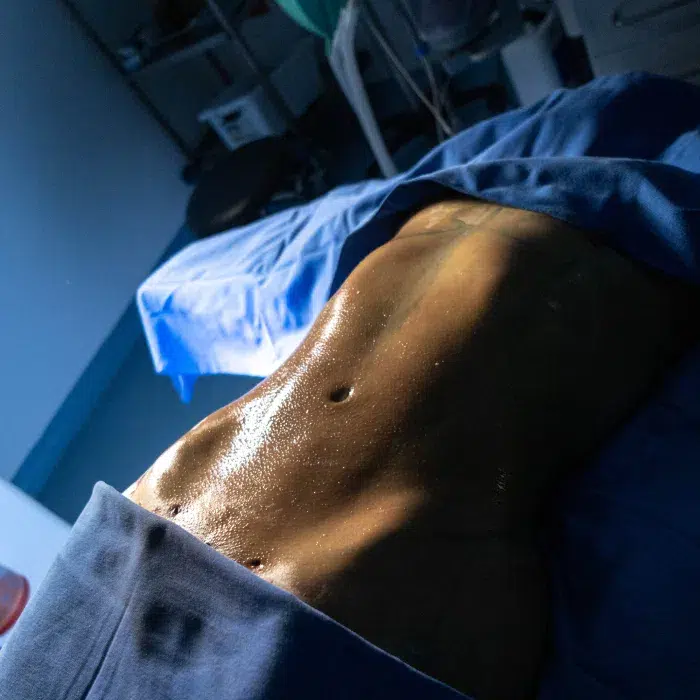
Persistence beats strength. Daily, brief periods aid fluid drain and alleviate nerve pressure. No deep or fast kneading. Vigorous massage can damage healing tissue or cause bruising and is best entrusted to professional therapists or postponed until approved by your surgeon.
Garment Use
Compression garments actively manage swelling and tissue support during settlement. Proper fit is crucial: snug but not so tight that it causes pins and needles or cuts off circulation. Wearing them almost 24/7 during the initial two weeks helps contour tissue and can minimize numbness by preventing fluid accumulation.
Remove clothing only for bathing or when advised by your surgeon. If numbness intensifies or you observe fresh discoloration or intense pain, check the fit again. Too-tight clothes can increase pressure on nerves and skin, so loosen fit or change styles if necessary.
Targeted Movement
Light stretching and low-impact movement increase blood flow and nerve repair. Quick walks every hour minimize risks like seroma and support nerve re-combing. Basic range-of-motion stretches twice a day will keep you from stiffening up and encourage a slow return of sensation.
Once again, stay away from strain-heavy exercises like crunches on a healing abdomen until your provider gives you the go ahead. Log mobility and sensation gains to demonstrate trends and help you safely advance.
Clinical Insights
Numbness after liposuction represents typical, predictable alterations in cutaneous sensation from surgical injury to small nerves and adjacent tissue. Most patients, roughly 90% in clinical series, experience some numbness or tingling in treated areas. These symptoms frequently fluctuate on a daily basis. One region may be completely normal in the morning and tingle by evening. Patterns track treated zones and incision lines, with more significant loss over areas of deeper suction or near large fascial planes.
Sensory recovery takes a slow and variable course because peripheral nerve fibers regenerate at restricted speeds. Regeneration can continue for weeks to months. Most patients observe consistent improvement beginning in the first few weeks as swelling subsides. Clinically, numbness mostly resolves or significantly improves by 3 months and a good amount keeps getting better between 3 and 6 months. A minority endure lingering changes past 6 months, and persistent numbness or any progression, new severe pain, or motor deficits deserve urgent workup for nerve injury or other sequelae.
Clinical Insights
Perioperative care affects outcomes. Compression garments for approximately 3 to 5 weeks decrease edema and can aid sensory recovery by preventing extended stretch and inflammation of tissues. Early, gentle mobilization—walking a few minutes every hour—reduces seroma risks and supports circulation, which helps in nerve healing. Promote daily skin care, light massage once cleared by your plastic surgeon, and stay away from cigarettes, which compromise microvascular flow and delay regeneration.
Thanks to surgical innovations, nerve injury is less of a concern. Smaller cannulae, blunt tips, multi-layered infiltration with tumescent fluid, and ultrasound-guided techniques enable surgeons to operate more accurately and remain in proper tissue planes. Power-assisted and vibration technologies can decrease manual force and minimize shear on delicate nerves. Surgeon experience and respect for anatomy continue to be paramount. Steering clear of aggressive liposuction in close proximity to known superficial nerve routes minimizes permanent damage.
Patient education should establish reasonable expectations. Numbness and tingling are normal and temporary. Sensations will come and go, and consistent progress is typical. Provide timeframes: expect weeks to months for most recovery, with possible ongoing gains up to 6 months. Tips on red flags include deteriorating symptoms, intense pain, or loss of function, and when to get evaluated. Offer practical steps: wear recommended compression, keep mobile, follow wound care, and attend scheduled follow-ups to document recovery and intervene early if problems arise.
Conclusion
Numbness after liposuction tends to subside on its own. Nerves take time to recover. Small areas of eschar or tiny patches of numbness can persist for weeks to months. Deeper or wider numb areas may require six months or longer. Factors like the amount of fat extracted, the method, and your health influence the rate.
Basic care reduces complications and aids healing. Maintain clean wounds, adhere to bandage and activity instructions, and apply mild rubbing or prescribed nerve-safe lotions when instructed. Report spreading numb spots, intense pain, or discoloration immediately.
For obvious next steps, schedule a follow-up with your surgeon. Inquire about specific tests, treatment options, and practical timelines.
Frequently Asked Questions
What causes numbness after liposuction?
That numbness is typically nerve irritation or transient nerve injury from the surgery. Tissue swelling and local anesthesia may desensitize. Most reasons are not serious.
How long does numbness typically last?
Most patients regain normal feeling within three to twelve months. Small areas may take longer. Persistent numbness beyond a year is less common and needs evaluation.
Which areas are most likely to feel numb?
Numbness frequently arises near incision points and addressed areas like the stomach, flanks, thighs, and arms. Thinner skin with more nerve endings shows more.
When should I contact my surgeon about numbness?
Reach out to your surgeon if numbness is worsening or spreading, accompanied by severe pain or signs of infection, or persists beyond expected recovery of about 6 to 12 months. These may indicate complications.
Can therapy or meds help reduce numbness?
Yes. Physical therapy, gentle massage, nerve-gliding exercises, and topical or oral medications prescribed by your doctor can assist. Early rehab usually accelerates recovery.
Do surgical techniques affect numbness risk?
Yes. Less invasive techniques, gentle tissue management, and skilled surgeons minimize the risk. Inquire about surgeon experience and technique during consultation.
Will numbness return to normal on its own?
Usually yes. Nerve fibers gradually regrow and feeling comes back over time. Follow-up care and exercises that are suggested to you improve your chance of a complete recovery.
 Directions
 Call Us
 Email Us