
Peptide Protocols for Preventing and Treating Fibrosis After Liposuction
Key Takeaways
- Fibrosis post-liposuction, which is caused by excessive collagen following surgical injury and can present as hard lumps, skin irregularities, and limited mobility. Watch for early indicators and communicate any changes to your care team.
- Certain peptides can modulate fibroblast activity, control inflammation, and help balance collagen remodeling, making them a useful option when introduced early in the healing window.
- Use peptides within a comprehensive recovery scheme that incorporates manual lymphatic drainage, daily compression garments, protein and anti-inflammatory rich nutrition, and plenty of hydration for optimal results.
- Select delivery mode and dosage according to fibrosis severity and tissue depth, employing topical, injectable, or oral routes as recommended by a healthcare professional. Modify regimens to suit personal response.
- Evaluate patient suitability prior to peptide administration by screening for infections, autoimmune disorders, allergies, or a genetic tendency to develop abnormal scars. Seek professional oversight for safe, tailored care.
- Balance advantages with dangers as uncontrolled or improper peptide usage can lead to side effects. Record treatment, monitor healing statistics, and consult experts to adjust treatment accordingly.
Fibrosis prevention post liposuction peptides are small fragments of amino acids that are applied or injected to liposuction sites to minimize fibrous scar tissue and optimize recovery.
Various clinical and preclinical studies indicate some peptides reduce inflammation, encourage collagen remodeling, and promote tissue repair.
Dosing, timing, and delivery method affect outcomes, with topical and injectable forms studied most.
Patient factors and surgical technique are important.
The main section covers the evidence, practical protocols, and safety considerations for clinical applications.
Understanding Fibrosis
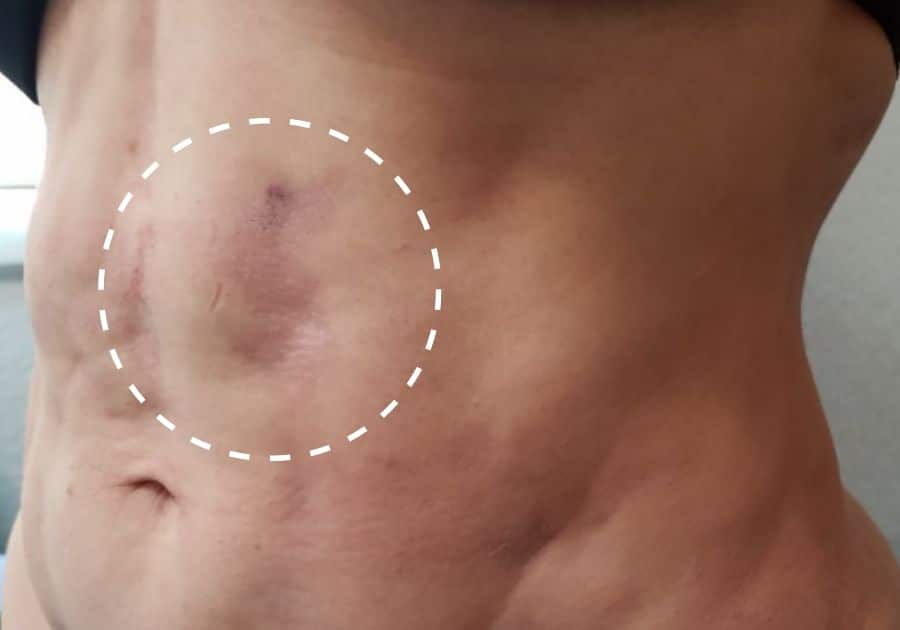
Post lipo fibrosis is the overproduction of fibrous tissue following liposuction, resulting in hard lumps, tightness, and irregularities in the skin. It’s this response that occurs when normal healing tips over into excessive scar tissue formation. Fibrosis can alter the appearance and mobility of skin, generate pain, and dull cosmetic outcomes.
Early recognition, typically when swelling subsides but firmness persists sometime within roughly 2 to 6 weeks post-surgery, allows patients and clinicians to intervene earlier and optimize outcomes.
The Cause
The tissue injury resulting from liposuction is the primary catalyst for the fibrotic healing response. Mechanical trauma to fat and connective tissue disturbs normal architecture and initiates a cascade of inflammation. Immune cells rush in, release signal after signal, and instruct local fibroblasts to produce collagen.
When that signal is strong or long-lived, fibroblasts overproduce collagen fibers and create dense scar tissue. Tough surgical method and shabby post-op treatment increase danger. Overly aggressive aspiration leaves large untreated dead spaces and skips early lymphatic support, for example.
Factors that contribute include:
- poor lymphatic drainage and delayed fluid clearance
- fat necrosis from tissue damage
- repeated surgeries in the same area
- infection or hematoma formation
- inadequate compression or early strenuous activity
The Process
Wound healing progresses in inflammation, proliferation, and remodeling. Fibrosis arises when collagen production during proliferation exceeds normal remodeling. Fibroblasts deposit new collagen in sheets and bundles.
That tissue can occasionally compact into hard nodules or fibrotic bands you can palpate under the skin. Ongoing inflammation, whether from trapped fluid, infection, or disrupted lymph circulation, maintains fibroblast activity and impedes remodeling.
Lymphatic stagnation extends swelling and inflammation, which can exacerbate the fibrotic accumulation. Organized fibrosis then produces lasting changes: firmer, less flexible skin and uneven contours that may not soften without intervention.
The Risk
Risk factors are genetic predisposition to scarring, pre-existing surgical scars and poor surgical technique. Surgeries that affect larger areas of tissue, like abdominal liposuction with tummy tucks, tend to come with more fibrosis risk since more tissue is sliced and shifted.
Bad lymphatic drainage or non-compliance with compression garments increases the risk of fibrosis. Early lymphatic drainage, preferably within the first week, can minimize inflammation, soften tissue and encourage smoother results.
Those with a keloid history or other abnormal wound responses are further predisposed to severe fibrosis. It generally requires multiple treatments spaced out over weeks and many experience significant softening by the four to six week mark, but some may require months.
If lumps remain after six to eight weeks or the area is painful, firm, or discolored, see a provider for assistance.
Peptides Explained
In simplest terms, peptides are short chains of amino acids that serve as cellular messengers and regulators. They govern numerous mechanisms associated with tissue repair and regeneration such as cell signaling, matrix turnover, and immune responses. In clinical practice, peptides are used across fields from metabolic and endocrine disorders to oncology and antimicrobials.
More than 60 peptide drugs are approved in major markets with over 150 active in clinical development. In cosmetic medicine, they are embraced to assist recovery post-liposuction, often used with injectables, microneedling, lasers, and aftercare. Innovations like nanocarrier delivery and AI-powered sequence design are enhancing peptide stability, absorption, and targeting accuracy.
1. Cellular Action
Peptides bind to cell-surface receptors and modify intracellular signaling, which in turn changes fibroblast behavior, including gene expression for collagen subtypes. Some sequences upregulate collagen I and III synthesis, assisting in the replacement of damaged fibers with new, organized matrix. Others switch off profibrotic signals and TGF-β pathways to prevent rampant scar formation.
This double duty, both activating required synthesis and tempering hyperactive repair, promotes balanced healing. Peptides influence keratinocytes, endothelial cells, and immune cells that collectively mold the wound microenvironment. It’s that wider impact that aids skin regeneration with reduced contraction and smaller scars.
Some peptides enhance hyaluronic acid production and antioxidant defenses, which aid cell migration and mitigate oxidative stress during repair. These factors increase the quality of the new tissue and make it less stiff in the long term.
2. Collagen Regulation
Peptides balance collagen deposition by regulating enzymes such as matrix metalloproteinases and tissue inhibitors of matrix metalloproteinases, so excess collagen is degraded while required fibrils are maintained. This stops the dense, hardened collagen networks from creating nodules and palpable fibrosis post-liposuction.
When remodeling occurs in an organized manner, collagen fibers stay pliable and straight, resulting in softer contours and even skin texture. Peptide-powered remodeling reduces the danger of tethering and irregular tissue reattachment that necessitates revision surgeries.
Clinically, we see fewer fibrosis nodules and softer scar tissue when peptides are incorporated into the post-op regimen, particularly when paired with mechanical and energy-based treatments.
3. Inflammation Control
Other peptides possess direct anti-inflammatory properties, decreasing both edema and the chronic subclinical inflammation that contributes to fibroblast activation. Limiting inflammation early limits the cascade that leads to excessive matrix deposition.
Less inflammation equals less pain and quicker return to activity, enhancing patient comfort and compliance with post-op treatment. This action supported other peptides that soothe lesions and promote a smoother recovery.
4. Key Compounds
Popular choices are copper peptides like GHK-Cu, collagenase-stimulating peptides, and newer sequences like E4, which reversed fibrosis in humans and mice through a common antifibrotic mechanism. Different compounds vary. Some boost collagen and hyaluronic acid. Others break down excess fibers or modulate pigmentation and microbiome health.
Biostimulatory fillers with peptides and new nanocarrier systems prolong activity and customize delivery. A handy overview of peptide types, mechanisms, and targeted benefits is useful for clinicians to select depending on scar form and treatment aims.
Peptide Application
Peptides are the new hot tool in regenerative aesthetics and can be incorporated into an aggressive liposuction recovery plan to both reduce fibrosis risk and improve tissue quality. Deployed in addition to regular post-op care, peptides seek to control inflammation, support tissue repair, and impact collagen turnover. Their role is supportive rather than standalone.
Combining peptides with mechanical and manual therapies produces the best outcomes.
Ideal Timing
Start peptide therapy during the initial healing phase, typically within days to the first two weeks post-surgery, to help prevent excessive collagen buildup and fibrosis band formation. By targeting inflammatory mediators and fibroblast activity early, we can halt the cascade that leads to hard lumps and tethering.
If therapy is initiated late, clinicians may find themselves resorting to more aggressive adjuncts like steroid injections, enzymatic treatments, or targeted energy-based modalities in order to break up established scar.
Monitor healing milestones — wound closure, pain, reduced swelling, and return of normal skin temperature — to determine the best window for initiation and whether care should be escalated.
Proper Dosage
Stick to published dosing for each peptide to balance benefit and safety. A topical like GHK-Cu requires a different protocol than systemics such as BPC-157 or collagen peptide supplements. Overdosing can interfere with healthy healing or create unintended inflammatory swings.
Modify dose based on surgical need, depth of tissue injury, and the patient’s healing profile measured by markers like C-reactive protein (CRP) and local skin temperature. Certain people experience benefits in days; others require a few weeks.
Important considerations for proper dosage:
- Identify peptide type and route before choosing dose.
- Begin at a conservative dose, then adjust based on clinical response.
- Use lab or clinical markers such as CRP, redness, and pain to adjust.
- Short courses (4–12 weeks) are common. Reassess at 6 weeks for early gains.
- Combine systemic and local dosing only under medical supervision.
- For collagen peptides, five to fifteen grams daily shows benefit for skin and muscle recovery.
- Watch for drug interactions and contraindications in medical history.
Delivery Methods
Topical creams (e.g., GHK-Cu) act at the dermal and superficial connective tissue level and are easy to apply, good for skin healing and collagen synthesis. Injectables (BPC-157, TB-500) penetrate peptides deeper into subcutaneous planes and have the ability to target local areas of swelling or fibrotic nodules, frequently demonstrating a speedier impact on edema and range of motion.
Oral supplements like collagen peptides aid systemic recovery and skin elasticity but are slower and more broad in impact. Absorption rate and tissue targeting differ: injectables give focused, deeper reach; topicals act locally on skin; oral forms have systemic distribution.
Mixing routes—topical for skin, injectable for deep, and oral for systemic—can provide extra benefits when customized to fibrotic severity and penetration needed. Track response and tweak the mix over time.
A Holistic Strategy
A well defined strategy that integrates therapies, wound care, and lifestyle support provides the best opportunity to minimize fibrosis following liposuction. Early management targets minimizing edema and preventing tight scar bands. Later work focuses on tissue remodeling.
The strategy emphasizes peptides in addition to manual lymphatic drainage, compression, nutrition, and staged interventions that shift as healing progresses from inflammation to remodeling.
Manual Drainage
Manual lymphatic drainage (MLD) accelerates lymph flow and facilitates the removal of excess fluid. Begin within week 1 when safe, as early mobilization of fluid can restrict the ‘raw material’ that feeds scar formation and decrease the risk of adhesions. Enhanced lymph flow reduces local concentrations of inflammatory mediators and cellular debris, thereby decreasing signaling towards the formation of fibrotic nodules.
Plan weekly sessions during weeks 1 to 6, then taper to maintenance as tissue softens. Frequency could be every 2 to 3 days initially, then weekly as healing advances. MLD can be customized for lumpy or tethered regions with gentle, pointed strokes that release trapped fluid and enhance skin relief.
Home self-massage, taught by a therapist, can complement clinic work and make patients feel empowered in between visits.
Compression Use
Compression garments help encourage even reattachment of the skin to the tissue beneath it and restrict dead space where fluid can accumulate. The key is consistent wear in the first 6 to 8 weeks, which does the most to mitigate swelling and the danger of uneven subdermal contours and fibrotic nodules.
Clothing should be close, but not too tight, cutting off circulation. It should ideally be measured in centimeters and follow your surgeon’s advice on size and class of compression.
Typical regimen is almost full-time wear during weeks 1–2 (taking off for wash-up), then only during the day during weeks 3–6, and still at night through month three if necessary. Compression helps contour the stomach during recovery.
For those with heavier lifting or exercise requirements, reinforced apparel can mitigate shear forces that strain healing tissues.
Nutritional Support
Nutrition powers restoration. A protein-rich diet provides the amino acids necessary to produce collagen, while vitamin C is imperative for cross-linking new collagen. Zinc assists with cell division and immune response, while omega-3 fatty acids help minimize chronic inflammation.
Recommend whole-food sources: lean poultry, fish, legumes, citrus, leafy greens, nuts, and seeds. Water supports nutrient delivery and retains skin elasticity. Consume at least half your body weight in ounces daily, adjusting for climate.
Consider short-term supplements when diet is not enough, such as vitamin C 500 to 1000 mg, zinc 8 to 15 mg, and omega-3s 1 to 2 g, with clinical guidance. Anti-inflammatory foods like turmeric, berries, and oily fish can help reduce chronic inflammation and foster easier remodeling during months 3 to 18.
The Biohacking Perspective
From a biohacking perspective, it turns recovery after liposuction into an active data-driven pursuit rather than a passive waiting game. It utilizes precision interventions to reduce fibrosis, accelerate tissue remodeling, and enhance skin texture. Custom peptide stacks, habit hacks, and objective tracking are the essence.
Small experiments, careful records, and iterative changes help refine what works for each person.
Peptide Stacking
Combining peptides can cover different parts of the healing cascade. For example, GHK-Cu supports skin renewal and collagen modulation. Pairing it with peptides that reduce inflammation can stimulate repair and limit excess scar tissue.
Stacks are designed so one peptide calms inflammation early while another guides collagen layout later. Sequence matters: start with anti-inflammatory or pro-angiogenic peptides immediately post-op, then introduce collagen-stimulating compounds like GHK-Cu as the wound enters remodeling.
Many biohackers add 5 to 15 grams of collagen daily alongside peptides to supply amino acids for repair. Documenting protocol details, such as dosages, timing, injection versus topical use, and subjective effects, helps repeat successful mixes.
Try one change at a time and wait two to four weeks to judge its effect. This reduces confounding variables and makes it easier to see what actually helped.
Genetic Predisposition
Genes shape scar risk and healing speed. A family history of keloids, fibroids, or odd wound responses suggests higher fibrosis risk and prompts closer planning. Genetic information can steer choices.
Those prone to excessive scarring may favor stronger early anti-fibrotic peptides and closer monitoring. Assessing history is simple. Ask relatives about scar outcomes and note any past abnormal healing.
Personalized stacks should consider age, health history, lifestyle, and genetic clues. Track reactions carefully during initial weeks and adjust based on symptoms, pain levels, or unexpected tissue changes.
This tailored route reduces guesswork and aligns therapy to individual biology.
Future Innovations
New peptides and smarter delivery methods are on their way. Peptides are targeted to bind to fibrotic pathways or sustained-release patches provide consistent doses to the tissue.
Regenerative medicine advances, such as biostimulatory fillers and cell-based approaches will probably complement peptides to enhance skin quality following fat removal.
Gene-targeted therapies and “smart” peptides that alter action based on local signals are being studied and could one day permit precise control of collagen deposition. Keep your ears open, keep your eye on new trials, and be prepared to sample the proven as they arrive.
Risks and Considerations
Peptides before and after liposuction: balancing benefits with associated risks. Peptides can help regulate inflammation and collagen deposition, but they don’t make fibrosis a sure thing. Product, timing, dosing, and professional oversight all matter.
Think about the patient history, stage of the wound, and other concurrent measures such as lymphatic drainage and compression garments before you decide whether to use peptides.
Potential Side Effects
- Local irritation and delayed wound healing: Redness, itching, blistering, or necrosis at application or injection sites can occur, especially with improper dosing or contaminated products. Immediate discontinuation or interruption of therapy and wound care is usually required.
- Infection risk: Any breach in skin integrity raises infection risk. Injections or topical use on badly healed areas increase this risk. Watch for fever or spreading redness.
- Systemic effects: Some peptides, if absorbed in large amounts, may cause fatigue, headache, altered sleep, or changes in blood pressure and glucose control. Systemic absorption risk depends on the molecule and the delivery route.
- Allergic and hypersensitivity reactions: Urticaria, angioedema, or anaphylaxis are uncommon but possible. Emergency medical care is needed for difficulty breathing or quick swelling.
- Aberrant tissue response: Excess or misdirected collagen deposition can worsen firmness or contour irregularities. Risks and Considerations: Certain peptides, if mistimed, could potentially shift healing toward fibrosis.
- Pigment changes and scarring: Abnormal skin discoloration or hypertrophic scars may appear. Report new darkening, persistent swelling, or increasing pain at treated sites immediately.
Side effect risk varies by peptide type, dose, and delivery method. Topical peptides generally have less systemic risk compared to intradermal injections. Keep an eye out for unusual skin changes and treat symptoms of exacerbations right away.
Patient Suitability
Not every patient is a good candidate for liposuction peptide therapy. Active infections, autoimmune disorders or known hypersensitivity to peptide components are contraindications.
Patients that smoke or who are poorly hydrated heal slower and less predictably. Recommend that they stop smoking and drink water consistently. Screen for diabetes, vascular disease or medications that alter healing because these affect collagen expression and scar formation.
Tailor plans to the stage of healing: Fibrosis often begins three to four days post-op and may progress over two to four weeks as collagen is laid down. Early lymphatic drainage in the first week and regular compression decrease fibrosis risk.
Stay clear of high-impact exercise and pressure on treated areas during this window. For stubborn fibrosis, target with injections or minor revisions. Total remodeling can take 18 months and the final result may be a year out.
Professional Guidance
Clinician oversight for evaluation and tracking is essential. A surgeon or cosmetic dermatologist can grade fibrosis risk, modulate peptide regimens and coordinate lymphatic drainage and garment use.
Working together across surgery and dermatology enhances safety and outcome. Experienced clinicians identify hidden tissue shifts earlier and are able to change treatments or intensify care as necessary.
Conclusion
Peptides are the answer to reducing the risk of fibrosis post-liposuction by reducing inflammation, increasing repair, and directing collagen. Short peptides with proven data, crystal-clear dosing and timing, paired with cold therapy, gentle moves, and good sleep. Be wary of side effects, verify quality, and consult a physician experienced in both aesthetic care and peptides.
An easy routine is optimal. Begin therapy promptly post surgery, adhere to sterile application, and monitor skin feel, tightness, and range of motion. For instance, use a topical pentapeptide twice daily for four weeks, introduce light massage after week two, and take daily walks to keep fluid moving.
Experiment with a single alteration. Share results with your care team and correct the course based on actual signs.
Frequently Asked Questions
What are peptides and how might they help prevent fibrosis after liposuction?
Peptides are tiny chains of amino acids that communicate with cells. Certain peptides have properties that could help minimize inflammation and promote optimal tissue healing, which can decrease the formation of scar tissue (fibrosis) following liposuction. The research is early and largely from laboratory or animal studies.
Which peptides are commonly discussed for fibrosis prevention?
Frequently referenced peptides are BPC-157, thymosin beta-4, and specific collagen-stimulating peptides. They’re researched for anti-inflammatory and wound-healing potential. However, rigorous clinical trials in post-liposuction patients are sparse.
How should peptides be applied after liposuction?
Application varies: some peptides are given via topical creams, some by local injection, and others orally. Protocols vary by peptide and surgeon preference. As always, listen to your board-certified surgeon or clinician.
Are peptides safe to use after liposuction?
Safety varies with the peptide, dose, route and individual. Some peptides have excellent safety profiles, but others do not have long-term data. Ask your surgeon about risks, interactions and wound-healing status prior to usage.
When should peptide therapy be started after liposuction?
Timing depends on peptide and clinical protocol. Some clinicians consider early post-op use to modulate inflammation. Others wait until wounds are sealed. Always check timing with your operating surgeon or you could risk complications.
Can peptides replace standard post-op care for preventing fibrosis?
No. Peptides are a supplement, not a substitute. Standard care, including compression garments, wound care, scar care, and follow-up, is still imperative for best healing and fibrosis prevention.
What level of evidence supports peptides for fibrosis prevention after liposuction?
There’s very little evidence. Most of the data are from lab work, animal models, or small human trials. Larger, randomized clinical trials are necessary to determine efficacy and safety in post-liposuction fibrosis prevention.
 Directions
 Call Us
 Email Us