
Precision Liposuction Techniques: Technology, Suitability, and Recovery Insights

Key Takeaways
- Precision liposuction eviscerates fat with surgical accuracy and minimal collateral damage to adjacent tissues, delivering dramatically smoother contours and shorter recoveries than traditional liposuction. Use detailed anatomical mapping and imaging to plan treatment areas prior to operating.
- Energy-assisted emulsification (ultrasound, laser, or vibration) enhances fat breakdown and precision with less tissue injury. Select and customize device settings according to tissue density and location. Track tissue response to prevent overheating.
- A consistent five-step workflow improves outcomes: anatomical mapping, tumescent infiltration, energy emulsification, targeted aspiration, and tissue retraction. Proceed step by step and record results to maintain symmetry and consistency.
- Patient selection is key to success. We favor healthy people with stable weight and good skin tone and exclude those with blood problems or poor circulation. Use a checklist on medical history, skin quality, and realistic expectations before treatment.
- Anticipate typical short-term consequences like swelling and bruising and manage convalescence with compression, light activity, and incisional observation. Tell patients final contour enhancements develop over one to three months and that the occasional touch-up is sometimes necessary.
- Match cutting-edge tools to the treatment area and patient needs, considering the advantages and disadvantages of ultrasound systems, power resonance cannulas, and laser platforms. Train operators on device-specific protocols to optimize precision, safety, and patient comfort.
Precision liposuction technique employs small instruments and targeted approaches to sculpt regions such as the abdomen, flanks, and chin. Benefits include finer contouring, less swelling, and faster recovery than older methods. Candidates are adults with stable weight and realistic goals evaluated by a clinician. The body goes through explaining procedure steps, risks, recovery, and how to select a surgeon.
Core Concepts
Precision liposuction targets specific fat deposits for efficient removal with reduced damage to nearby tissues. It purifies contouring by extracting tiny, targeted fat deposits instead of general excavation. State-of-the-art tools and imaging optimize placement and depth control. Patients pursuing a sculpted, natural outcome and faster recovery opt for this method.
Basic Definition
Precision liposuction is a minimally invasive fat removal procedure utilizing specialized thin cannulas and sometimes microcannulas to work in tight planes. These devices allow the surgeon to extract fat from targeted pockets, like submandibular fat under the chin or small flank rolls, without injuring nearby tissues. Many combine these tools with imaging or navigation support, such as ultrasound guidance or real-time visual cues, to verify cannula placement and prevent over-resection. At its heart, it’s about natural-looking body contours, not headline-grabbing volume loss, and this can frequently translate into sculpting and smoothing as opposed to sheer reduction. Patients typically encounter a temporary spike in acute inflammatory markers post-procedure, but research indicates no increased risk of chronic inflammation or renal disease from that response.
Traditional Differences
Conventional liposuction still utilizes larger cannulas and ‘back and forth’ fatigue of manual fat disruption, often causing more soft-tissue trauma. Precision techniques minimize tissue trauma, therefore bruising and swelling are usually less severe. Because the treatment is less aggressive, recovery times are quicker and most patients are back to their routines in days. Fine-tuned methods are more appropriate for hard-to-reach or smaller regions—periorbital hollows, medial thighs, and scar margins—where excess treatment would be conspicuous. That’s not to say high-volume fat transfer, like large gluteal grafts, isn’t riskier with infections and seroma, and rare but serious complications like fat embolism, which in severe cases has a mortality rate of approximately 10 to 15 percent, remain a worry in advanced procedures.
Underlying Science
Precision liposuction utilizes energy assisted principles to disrupt adipocytes in a controlled manner. Technologies like focused ultrasound, low-level laser or even mechanical vibration emulsify fat, making aspiration easier and more selective. Tumescent solutions are injected to puff and isolate fat from connective tissue, minimize bleeding and generate a safer plane for cannula manipulation. Since CoolSculpting eliminates adipocytes, treated areas of the body are less able to store fat in the long term, which for certain patients can result in better insulin sensitivity and reduced chronic inflammation. Scientific advances since Dr. Yves-Gérard Illouz’s innovations in the ’80s have made it safer and more predictable, but it’s no excuse for weight gain if you don’t maintain your lifestyle.
Essential Workflow
Precision liposuction is a phasic, technique-based procedure. Every step— infiltration, emulsification, removal, and tightening—counts for safety and result. The steps below provide a concise, stepwise guide from preoperative planning to final tissue retraction and are supplemented with examples and practical tips for reproducible outcomes.
1. Anatomical Mapping
- With the patient standing and lying down, mark treatment areas to demonstrate how fat moves. Observe subcutaneous thickness along natural landmarks such as the iliac crest, mid-abdomen, and anterior thigh.
- Utilize ultrasound or manual palpation to distinguish superficial from deep fat and to locate vessels or abnormal fibrous regions. Ultrasound can indicate layer depth if anatomy is ambiguous.
- For example, map out cannula entry points, safe vectors, and conservative versus aggressive work. This map directs cannula placement and movement to prevent over-resection.
- Capture staging notes and photos for continuity between staging, team members, and return visits. This aids progress monitoring and reproducible results.
2. Tumescent Infiltration
- Inject tumescent solution using local anesthetic and dilute epinephrine to numb tissue and reduce blood loss.
- Wait until tissues are evenly swollen. This pause allows the solution to work and breaks up fat for simple elimination.
- Tumescent fluid separates fat cells and decreases necessary suction power, minimizing trauma. For instance, it employs 0.05 to 0.1 mg per liter epinephrine concentrations and weight-based lidocaine dosing.
- Follow total fluid volume and systemic local anesthetic dose load to prevent toxicity and fluid overload. Paper mount volcanoes for safekeeping.
3. Energy Emulsification
- Apply ultrasound, laser, or mechanical vibration to liquefy fat prior to suction. High-definition methods incorporate ultrasonic energy to chisel along muscle striations.
- Customize energy according to tissue thickness and location. Use less energy on areas with thin skin and more energy where fibrous fat is more resistant to destruction.
- Observe tissue temperature and response to avoid burns. Stop and recalculate if tissues blacken or get toasty.
- Try to emulsify evenly over the denoted areas for sleek contours and to prevent islanding.
4. Targeted Aspiration
- Introduce a fine cannula following the mapped vectors to suction out emulsified fat.
- Adjust suction pressure low to moderate to minimize trauma and hematoma risk.
- Work in hasdlayers. Skinny fat transformation dermarolling.
- Continuously check treated areas, compare side by side, and discontinue when preset contours have been achieved.
5. Tissue Retraction
- Energize collagen and facilitate skin tightening using energy devices or induced trauma.
- When indicated, use radiofrequency or laser adjuncts to enhance contraction.
- Measure elasticity pre- and post- to set expectations. Not all patients pull back equally.
- Record incision contour and firmness improvements and recommend compression garments, hydration, protein consumption, and walking to enhance healing and optimize results.
Advanced Tools
Precision liposuction’s advanced tools now combine imaging, energy delivery, and mechanized assistance to increase consistency, safety, and aesthetic control. These tools facilitate tumescent methods, live mapping, and depth limits that minimize bleeding, bruising, and contour irregularities while accelerating recovery.
- Main categories of advanced devices: * Real-time ultrasound guidance and ultrasonic energy platforms.
- Power-assisted resonance or vibrating cannulas.
- Laser-assisted lipolysis systems.
- HD mapping and Lipo 360 depth limit tools.
- Automated regenerative fat harvesting and transfer.
| Tool type | Benefits | Limitations |
|---|---|---|
| Ultrasound systems | Selective fat disruption; real-time feedback; precise sculpting | Requires training; costlier; potential thermal risk if misused |
| Power resonance | Less operator fatigue; efficient aspiration; consistent breaks in fat | May be less effective in dense fibrous areas; needs correct settings |
| Laser platforms | Melts fat; stimulates collagen; skin tightening | Risk of overheating; variable effect by wavelength and skin type |
| Lipo 360/depth indicators | Even circumferential results; fewer irregularities | Depend on correct calibration; limited by anatomy variability |
Ultrasound Systems
Ultrasound systems send targeted waves to disrupt fat cell membranes while preserving nerves and vessels. Frequency varies with tissue density, being lower for deep, coarser fat and higher to refine superficial layers. Real-time imaging reveals cavitation and tissue reaction, prompting the surgeon to pause or adjust energy to steer clear of over-treatment. In high-definition work, ultrasound maps the muscle lines so sculpting tracks anatomy, aiding in the formation of stable contours and improved symmetry.
Power Resonance
Power resonance employs vibrating cannulas to mechanically agitate fat in order to help loosen it for suction. The oscillation allows the surgeon to move with less effort, which decreases fatigue and maintains steady motion during long cases. Settings vary: lower resonance for delicate superficial zones and higher for thick deposits like the flanks. This tool accelerates work and assists in keeping consistent extraction, reducing the risk of dimples or troughs. It pairs beautifully with tumescent fluid to control blood loss and bruising.
Laser Platforms
Laser platforms heat to melt fat and induce dermal collagen contraction. Operators select wavelength and power according to skin tone, fat thickness, and depth of target, with certain wavelengths penetrating deeper and causing less epidermal heating. Continuous tissue-temperature monitoring precludes burns. Several systems shut off or pulse if thresholds near approaching risk. Laser melt frequently mixes with aspiration for more complete removal and smoother contours and can assist fat harvest for regenerative transfer where graft quality counts.
Candidate Selection
Candidate selection defines who will most likely benefit from precision liposuction and who should be steered toward alternative options. Begin with a brief clinical assessment that covers medical history, physical exam, expectations, and psychosocial readiness. Use objective measures where possible: stable weight for six to twelve months, BMI within a safe range for the planned volume, lab tests as indicated, and a focused skin elasticity assessment. Create explicit checklists to standardize decisions and document informed consent.
Ideal Profiles
- Age adult with pragmatic objectives and a solid grasp of risk and recovery.
- Steady body weight for six to twelve months before surgery.
- Close to their desired or stable weight with localized fat that is resistant to diet and exercise.
- Good general health, stable chronic conditions, and cleared by primary care as needed.
- Non-smoker or willing to stop smoking and reduce alcohol intake for four weeks before and after surgery.
- Candidates must have good skin elasticity and minimal laxity in an area to be treated.
- Positive outlook and adherence to postoperative care instructions.
- Contraindications include active infection, uncontrolled diabetes, significant cardiovascular disease, bleeding disorders, poor circulation, pregnancy, or recent thromboembolic events.
- Not suitable: Patients with unrealistic expectations, body dysmorphic disorder, or those seeking large volume extraction without understanding increased risks.
A 38-year-old patient with stable weight, localized submental fullness, firm skin and no major medical issues typically yields predictable, refined contours after precision liposuction. A long-standing obese patient with loose skin will need combined procedures or different management.
Anatomical Limits
Precision liposuction is tailored to smaller, more defined areas where contour fine-tuning is key. Typical target sites are the chin or submental area, upper arms, anterior and lateral abdomen, flanks, medial and lateral thighs, and isolated axillary or back rolls. These zones do well when fat is superficial and the skin has rebound.
Contraindications include high-volume liposuction and compact, fibrotic accumulations such as post-inflammatory or lipedematous fat. High-volume protocols, usually more than 5,000 mL removed, have increased systemic risk, generally necessitate inpatient monitoring and demand more rigorous candidate selection. Don’t tackle zones that have a very high risk of nerve or vascular injury without advanced imaging or surgeon experience, such as deep medial thigh planes and close proximity to major neurovascular bundles.
Chart safe zones by anatomical landmarks for every patient. Do a marked pre-op plan with the patient standing to see how the skin folds behave. Document areas of caution: prior scars, thin dermis, or varicose veins. If skin laxity is moderate to severe, counsel on adjunctive skin-tightening or excisional options to avoid poor contour or the need for revision.
Clinical Realities
Precision liposuction marries newer energy-assisted tools with meticulous planning to sculpt targeted areas while minimizing tissue trauma. Prior to any incisions, the treatment zones are outlined with the patient upright to capture fat deposits and natural lines. Procedure time depends on the size and number of areas, occasionally close to one hour and occasionally several. We typically order lab work in advance and patients are asked to hold blood thinners and select supplements that increase bleeding risk.
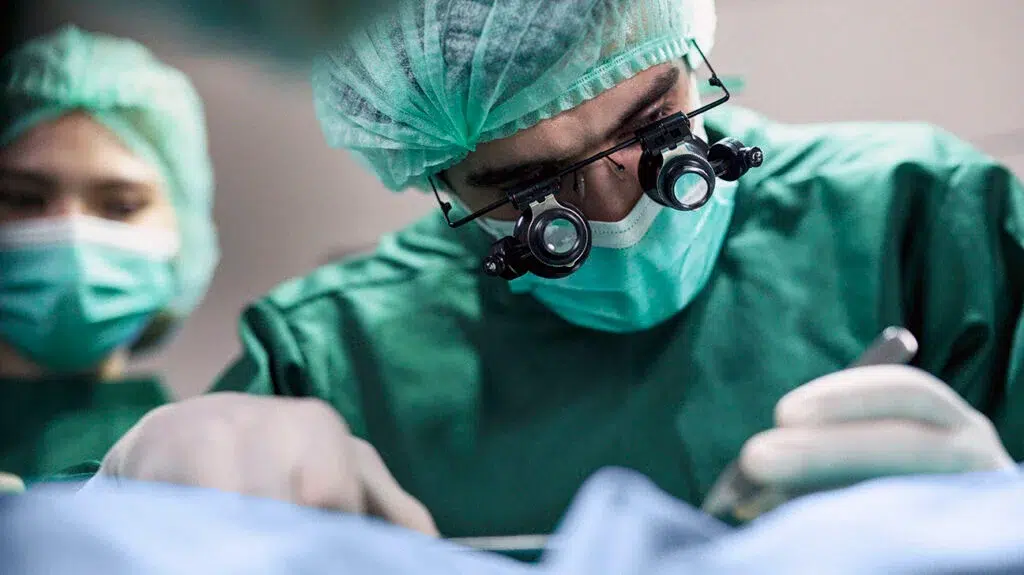
Patients have to deal with bruising, swelling, and pain for days to weeks following treatment. We anticipate noticeable improvement within a few weeks, but the majority of swelling can take up to six weeks to dissipate, with total contour changes occurring between three to six months. Early recovery allows light activity in a few days, but for strenuous exercise and heavy lifting, we tend to stay away for up to six weeks to protect healing tissues and avoid fluid shifts that can worsen swelling.
Swelling and bruising are your typical short-term frustrations. Compression garments combined with light massage and short walks assist fluid to clear and reduce stiffness. Minor asymmetry may show as swelling resolves unevenly, which often balances out by 3 months. If there is still some asymmetry, a touch-up procedure may be recommended when healing is completed. Touch-ups are just smart planning, not bad technique, particularly when managing multiple pinhead-sized or stubborn spots.
Newer methodologies, such as laser or ultrasound-assisted liposuction, provide more controlled fat removal and some skin contraction compared to traditional suction. These tools can minimize contouring time and might even accelerate recovery for certain patients. Energy devices are not without their own risks, like thermal injury if misapplied, so provider adeptness and device selection both count for results and complication rates.
Monitoring complications and patient satisfaction helps with continuous refinement. Typical complications are extended swelling, seroma, infection, contour irregularity, and sensation changes. Serious complications are rare yet can occur. Practices tend to audit results, noting infection rates, revision rates, and patient ratings of both aesthetics and function. This information helps inform patient selection, pre-op counseling, and technique adjustments.
Practical steps for patients: follow pre-op medication guidance, arrange help for the first 48 to 72 hours, plan gradual return to work and exercise, and keep follow-up visits for early problem detection. Specific, realistic expectations about recovery and the potential need for touch-ups result in more satisfaction and safer care.
Patient Recovery
Patient recovery after precision liposuction is predictable. The beginning of this period involves attention to wound care, compression, and activity restrictions. Later milestones address your contour maturing, weight maintenance, and follow-ups. The table below summarizes typical stages and timelines.
| Phase | Timeline | Typical features |
|---|---|---|
| Immediate | 0–7 days | Peak swelling and bruising; pain managed with meds; begin short walks every 2–3 hours |
| Early | 1–2 weeks | Intense recovery; compression 23 hours/day; many return to desk work by end of week two |
| Intermediate | 3–6 weeks | Swelling subsides; resume most regular activities; risk of seroma decreases |
| Late | 2–6 months | Continued contour refinement; visible improvements by 1–3 months; final results by 3–6 months |
Early Phase
Expect mild to moderate swelling, bruising, and soreness in the first week, with peak swelling often occurring during those days. Pain is usually controlled with short courses of oral analgesics. Ice may help localized discomfort but avoid direct prolonged cold on incisions. Wear compression garments about 23 hours per day to reduce swelling and support new contours. For many procedures, this is critical to shape and healing.
Start gentle movement on day one: short walks every 2 to 3 hours help blood flow and cut the risk of clots. Add distance and speed cautiously. No heavy lifting or strenuous cardio for 2 weeks. Monitor incision sites carefully. Normal healing is evidenced by mild redness, small scabs, and consistent decrease in pain. If you observe signs of complication such as swelling, increasing redness, or pus, draining fluid with foul odor, fever, or rapidly expanding swelling, please contact the clinic immediately.
Fluid pockets (seromas) can develop beneath the skin. Small seromas can be observed or drained in clinic. If you’re a non-smoker, you’ll recover sooner. Proper nutrition and hydration reduce inflammation and accelerate bruising healing.
Long-Term Milestones
As residual swelling subsides, you’ll begin to see contour improvements as early as 1 to 3 months. Final results can take up to six months, depending on how much was treated and your individual healing process. Keep your weight steady to maintain results. Substantial weight gain can mask or even reverse contour modifications. Schedule follow-up visits at typical intervals: 1 to 2 weeks, 6 weeks, and 3 to 6 months, or as your surgeon advises.
Save patient satisfaction and identify opportunities for small improvements. Several patients already feel 100 percent recovered by eight weeks, and the majority can return to their normal lifestyle between four and six weeks. Wear support garments as instructed and notify for persistent lumps, numbness, or asymmetry.
Conclusion
Precision liposuction cuts fat with clear aims: shape the body, keep tissues safe, and speed up recovery. It is most effective in patients with good skin tone and stable health. Surgeons select instruments and steps that correspond to each region, such as finer cannulas for the face and larger ones for the trunk. Meticulous attention in the clinic and uncomplicated aftercare reduce complications and maintain consistent results. Actual cases heal quicker and have more refined contours when teams organize well and patients adhere to the simple at-home guidelines — rest, light activity, and compression for the prescribed duration. For more detail on technique, device choice, or recovery plans, read the sections above or contact a specialist to receive customized advice.
Frequently Asked Questions
What is precision liposuction and how does it differ from traditional liposuction?
Precision liposuction employs smaller cannulas and advanced imaging and targeted techniques to sculpt specific areas. It’s all about contour and symmetry, not about removing bulk fat. Results tend to be smoother and more predictable than traditional methods.
Who is an ideal candidate for precision liposuction?
Best for those close to their ideal weight, with good skin tone and reasonable expectations. It is ideal for those looking for contouring in specific areas, not high-volume fat reduction.
What are the main benefits of precision liposuction?
Advantages are defined body contours, reduced tissue trauma, quicker recuperation, and more consistent outcomes. It can frequently minimize apparent contour irregularities and enhance symmetry.
What technologies support precision liposuction?
Surgeons typically employ microcannulas, ultrasound or laser-assisted devices, and 3D imaging and mapping tools. These enhance precision and security during the surgery.
What is the typical recovery timeline?
Most patients resume light activity in just a few days. Swelling and bruising ease over a period of weeks with final results evident by three to six months. Compression garments expedite recovery and enhance contouring.
What are the main risks and how are they minimized?
Complications include contour irregularities, asymmetry, infection, and numbness. Expert surgeons, meticulous mapping, and cautious fat extraction minimize side effects. Adhere to post-operative care instructions.
How should patients choose a surgeon for precision liposuction?
Select a board-certified plastic surgeon with experience in precision techniques. Check before and after photos, inquire about instruments and work flow, and make sure there is clear communication about risks and anticipated results.
 Directions
 Call Us
 Email Us