
Radiofrequency-Assisted Liposuction Aftercare: What to Expect and When Results Appear
Key Takeaways
- Radiofrequency after liposuction soothes skin tightening and contouring by penetrating subcutaneous tissue, inciting collagen production and melting stubborn remaining fat for smoother and longer lasting results.
- Select the RF approach depending on objectives and invasiveness. Internal probes provide deeper contraction, external devices deliver noninvasive tightening, and microneedling RF is for superficial texture and scarring.
- Good candidates have mild to moderate skin laxity, stable weight, and realistic expectations. Clinicians should evaluate skin elasticity, age, and volume removed to determine need and timing.
- Optimize protocols by customizing energy, session frequency, and start time to tissue thickness and healing phase. Employ staged treatments and maintenance sessions for optimal long-term results.
- RF supports recovery by decreasing edema and encouraging neovascularization for expedited healing, as well as decreasing fibrosis potential. All of these contribute to enhanced contour smoothness and reduced recovery time milestones.
- For actionable steps, review modality choices with your physician, verify candidacy with a preop skin bounce test, adhere to an RF schedule post-op, and schedule follow-up treatments and supports like compression and lymphatic massage.
Radiofrequency after liposuction means using radiofrequency energy to tighten skin and reduce swelling after liposuction. It frequently assists contour, collagen, and recovery when applied with the right timing and skill. Clinical protocols differ by device, treatment depth, and skin laxity among patients. Talking with an experienced clinician helps clear up the details of achievable outcomes, number of sessions, downtime, and more before selecting a radiofrequency post-liposuction plan.
Core Mechanisms
RF after liposuction utilizes targeted heat to impact the subcutaneous layer and skin envelope. RF energy travels between two electrodes, forming an energy field that heats the intervening tissue. That heat both melts small amounts of fat and induces structural change in the soft-tissue matrix. Measurable skin retraction is often cited in the 30 to 40 percent range with appropriate applications.
Collagen Remodeling
RF heats the dermal and subdermal layers to temperatures that induce immediate collagen fiber contraction and pseudo-tardive new collagen synthesis. The ideal surface target for matrix contracture is around 38 to 42 degrees Celsius, although internal probes can register as high as 55 to 70 degrees Celsius in focal areas. These elevated internal temperatures aid in denaturing old collagen and activating fibroblasts to deposit new, more ordered fibers.
Collagen remodeling enhances firmness and elasticity over weeks to months. Early tightening is attributed to fiber shrinkage, while late enhancement is due to neocollagenesis and slow maturation of collagen bundles.
Shrinking of existing fibres decreases slack and gentle tangent folds, eliminating fine lines and light sag. That effect coupled with fresh collagen creates a firmer skin plane that more tightly conforms to the underlying shape.
Visible improvements attributed to enhanced collagen after RF:
- Increased skin tightness and reduced laxity
- Smoother skin surface with fewer fine lines
- Improved dermal thickness and resilience
- Better long-term maintenance of contour after fat removal
Neovascularization
Thermal exposure from RF activates an inflammatory-healing cascade that encourages neovascularization. New capillary growth improves local blood flow and oxygen delivery to treated areas.
Enhanced vascularity accelerates tissue repair and assists in clearing inflammatory byproducts, leading to speedy clinical recovery post-liposuction. Improved circulation promotes fibroblast activity and assists collagen generation and remodeling.
Increased circulation assists in bringing nutrients and eliminating waste from the dermis and fat layers. This nutrient-waste exchange reduces the risk of chronic edema and promotes healthier skin metabolism.
In general, more neovascularization reduces the visible recovery time and promotes skin quality during healing.
Adipose Contouring
RF-assisted lipolysis addresses stubborn fat pockets by applying thermal energy to adipose tissue, softening fat and facilitating aspiration with microcannulas. The heat coagulates small blood vessels, minimizing bleeding during and after the procedure.
This further sculpts body contours and creates more seamless blending between treated and non-treated areas. Microcannulas and controlled thermal energy lead to less lumpiness and contour irregularities than aggressive mechanical suction alone.
Common treatment areas for adipose contouring:
- Abdomen and flanks
- Inner and outer thighs
- Submental area (under the chin)
- Upper arms and back rolls
When done by seasoned clinicians with appropriate technique, RF-assisted fat removal produces reliable, beautiful contour changes with a reduced complication rate.
Primary Modalities
RF and ultrasound cavitation are primary modalities for post-liposuction skin tightening and cellulite treatment. Below, we contrast the four main RF modalities and contextualize them clinically with actionable recommendations on timing, intensity, and patient selection.
1. Internal Probes
Internal probes utilize dedicated cannulae that insert RF energy directly into subcutaneous tissue. Energy is delivered below the dermis where it heats deep fibrous septa and the fat layer to stimulate collagen contraction and new collagen formation over the course of weeks.
This results in powerful soft tissue contraction and clinically significant skin tightening, frequently more than external approaches. It is most effective when loose skin is moderate to severe in nature and where focal retraction is required, such as the abdomen, flanks, or medial thighs.
Internal RF is often paired with liposuction at the same sitting. Surgeons can excise fat and then apply RF to the defatted plane to boost instant tightening and suppress post-op skin laxity. The procedure is less invasive than open surgery, provides focused accuracy, and usually only adds a few tiny portals to the liposuction cuts.
Even if a few patients tell you they feel sensitive inside after liposuction, you may have to either reduce energy or wait to treat them. Clinicians usually wait a minimum of 56 days post-op to avoid exacerbating inflammation or causing additional injury.
2. External Devices
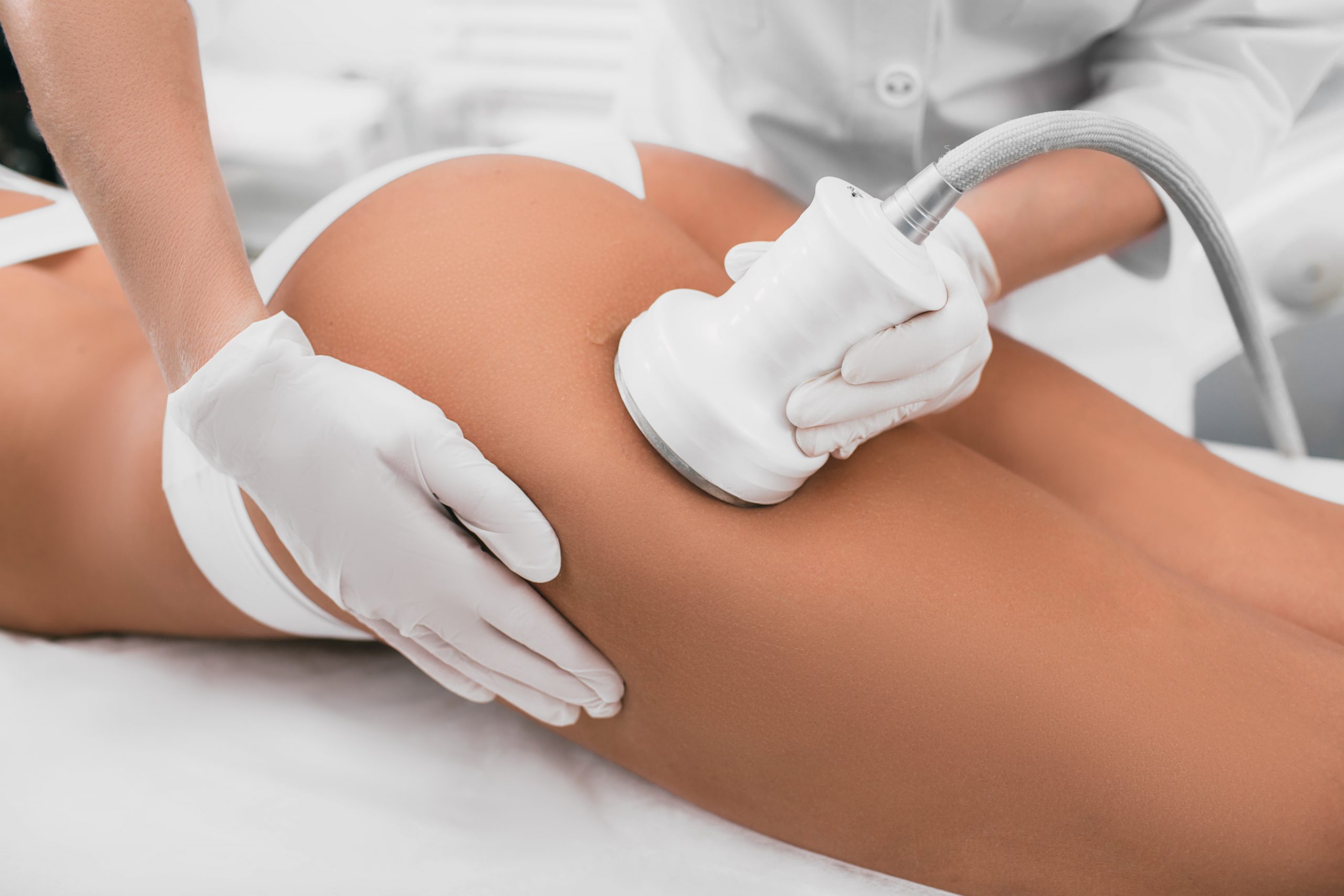
External RF devices transmit energy via the skin surface. Sessions are noninvasive and since they can cover larger areas in one treatment, they are great for wider swaths such as the lateral thighs, buttocks and arms.
Advantages are a comfy recovery and being ideal for noninvasive care seekers or delicate locations. About the primary modalities, External RF enhances skin texture and mild laxity as it is better at smoothing and tightening superficial layers than achieving deep retraction.
Relative to internal probes, external RF is less invasive but typically yields more modest contraction. For deep or focal tightening post-liposuction, internal modalities typically provide more aggressive outcomes. High-power external RF outperforms low-intensity devices, which tend to deliver very little change and often do not end up being worth the expense or time.
3. Microneedling Systems
RF microneedling marries mechanical micro-injury with RF energy to amplify collagen induction. Ultra-thin needles administer precise micro-injuries as they deliver heat at targeted depths to maximize repair and tighten the upper dermis.
This procedure handles surface issues, such as acne pock marks, fine lines, and skin textural issues, effectively. These controlled micro-injuries prompt collagen and elastin production for weeks to months. Enhancements include texture smoothing, pore size reduction, scar appearance improvement, and mild tightening.
Liposuction and microneedling should follow the same timeline. Hold off around 56 days unless cleared, particularly if there is residual internal sensitivity.
4. Combined Therapies
RF and ultrasound, laser, or light create synergistic effects. Ultrasound cavitation destroys fat, and RF tightens skin. Protocols could sequence liposuction, delayed high-power RF, then adjunctive ultrasound as required.
Hybrid approaches are more flexible and often provide more holistic body sculpting results than monotherapies. Here’s a quick comparison.
| Modality | Invasiveness | Typical Results | Recovery |
|---|---|---|---|
| Internal probes | Low‑moderate | Strong deep contraction | Short surgical recovery |
| External RF | Noninvasive | Surface tightening, mild lift | Minimal downtime |
| RF microneedling | Minimally invasive | Texture, scars, superficial firming | Few days redness |
| Combined therapies | Varies | Best for multi‑layer concerns | Depends on components |
Clinical Candidates
Clinical candidates for RF post-liposuction are generally patients who desire enhanced contour enhancement with some skin laxity and a less invasive approach than excisional surgery. Ideal profiles vary by skin type, age, and goals. Patients with Fitzpatrick skin types I to V can be treated, provided there are no active infections or healing disorders. Candidates typically desire mild to moderate tightening, not extreme skin excision. Many come after previous liposuction or schedule combination procedures and appreciate briefer recovery, local anesthesia or mild sedation, and less risk compared to general anesthesia. Good candidate selection increases safety, satisfaction, and durability of contour.
Skin Elasticity
Pre-existing skin elasticity strongly predicts RF tightening outcome. Skin that springs back quickly after pinch test tends to contract better after RF. Those with very poor recoil do less well. Patients with mild to moderate laxity are prime candidates for RF-assisted tightening rather than excision, especially on the abdomen, thighs, arms, and neck. RF works by heating the dermis and subdermal tissues to stimulate new collagen and remodel existing fibers, partially compensating for limited natural elasticity. Assessment checklist to evaluate skin elasticity:
- Pinch test: Describe recoil time and depth of pinch. Record sites: abdomen, inner thigh, arm.
- Skin photo documentation: standardized photos at rest and with movement.
- Skin thickness assessment: palpation and, when available, ultrasound measurement.
- History: Prior weight loss, pregnancies, smoking, and steroid use affect skin quality.
- Scarring and prior procedures: note areas of fibrosis that limit uniform heating.
Patient Age
Age impacts collagen turnover, vascularity, and healing response, which ultimately contribute to forming RF results. Younger patients in their 20s and 30s commonly employ RF on a preventive basis following small-volume liposuction to prevent sag. Their increased cellular activity facilitates faster collagen formation. Middle-age patients in their 40s and 50s often experience significant tightening, particularly when early aging is in process. Older patients can still benefit from improvement but may require multiple treatments or combination therapies. Expected results by age group:
| Age group | Typical response | Notes |
|---|---|---|
| 20–35 | Good prevention; quicker healing | Best for small volumes |
| 36–50 | Moderate-to-strong tightening | Often ideal candidates |
| 51+ | Variable improvement | May need repeat or adjunctive surgery |
Volume Removed
The volume of aspirate is related to skin retraction requirement. The bigger the volume, the greater the risk for loose skin. High-volume liposuction, which involves a large aspirate in a single region, can sometimes benefit from adjunctive RF to smooth contours and mitigate irregularities. Tiny microcannulas and RF assistance reduce lump risk. RF heats and firms leftover tissue to smooth surface contour after significant fat removal. Protocol guidelines are as follows: for low-volume excisions, pair with a single RF session; for moderate volumes, consider staged RF at four to eight weeks; for high volumes, plan combined intraoperative RF along with postoperative touch-ups and strict compression garment use to support retraction.
Protocol Optimization
Post-lipo RF needs a specialized protocol that matches each patient’s surgical specifics and skin biology. Customization starts with evaluating incision sites, remaining fat thickness, skin laxity, scar quality, and patient endurance. These dictate decisions on equipment type, energy administration, treatment timing and supplementary therapies. A protocol log or table that includes the device used, settings, session date and observed outcomes will help you optimize care and provide a way to clinically compare variations.
Treatment Timing
Best introduction is usually once initial inflammatory phase has reduced, around 2-6 weeks post-op depending on surgeon clearance and wound healing. Too early risks excess fluid accumulation, disrupted fibrin matrices, or heat damage to vulnerable tissues. Too late can miss the opportunity to influence early collagen deposition and scar remodeling. By conducting low-energy sessions before incremental increases, staged RF encourages remodeling with less discomfort but still facilitates progressive collagen induction. Example timeline: week 1–2 focus on lymphatic massage and wound checks; week 2–4 begin gentle, low-fluence RF if incisions are healed; weeks 6–12 step up energy and add device modalities; maintenance sessions at 6–12 month intervals.
Energy Parameters
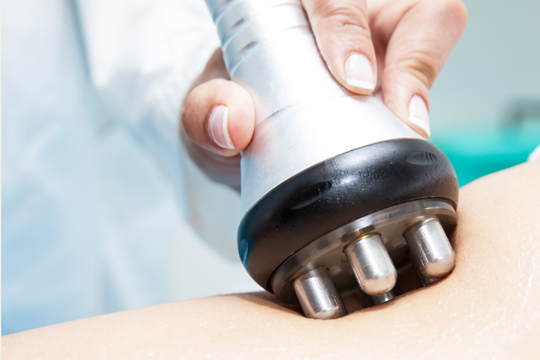
Match intensity and duration to tissue thickness and sensitivity. Thicker subcutaneous tissue can tolerate more power and longer dwell times. Thin or scarred skin requires lower settings and shorter passes. Appropriately optimized energy settings minimize the risk of burns, excess pain, or delayed healing and maximize tightening efficiency by stimulating collagen while preserving microvascular structures. Common clinical ranges include superficial facial and neck work at lower power with shorter pulse, such as lower watts and shorter dwell, and trunk and thighs at moderate to higher power with longer passes. Protocol optimization involves combining devices; monopolar for depth and bipolar for dermal tightening can enhance results and reduce overall recovery by addressing multiple tissue levels. Keep device-specific parameters in a table so you can compare across body areas and techniques.
Session Frequency
Typical course: Three to six sessions spaced two to four weeks apart yields noticeable tightening and contour refinement for many patients. Spacing lets tissue cool and collagen remodel between treatments, while too-frequent sessions blunt biologic response and increase risk of complications. Maintain every six to twelve months to help preserve results, especially in conjunction with lifestyle, hormonal optimization, or peptide therapy to support metabolic set points and skin quality. Daily lymphatic massage during the first one to two weeks assists fluid clearance and supports RF. Sample schedule: sessions at weeks four, eight, and twelve, plus maintenance at months nine to twelve. As part of our protocol optimization, we combine RF with other treatments to reduce total sessions needed and extend benefits such as scar softening, stretch mark reduction, and improved fine lines.
Recovery Outcomes
Radiofrequency (RF) post-liposuction is designed to accelerate and enhance the recovery process by controlling swelling, facilitating skin tightening, and assisting tissue remodeling. Skin is highly inflamed and sensitive for about eight weeks after liposuction, so RF or ultrasound should generally begin after week eight. By day 56, roughly 90% of patients have skin ready for proper RF treatment. If you start too early, you could cause more inflammation or damage. Here are specific outcome areas and concrete actions.
Edema Reduction
The RF energy heats tissue and increases local blood flow, which supports lymphatic drainage and gets interstitial fluid clearing faster than passive healing alone. This active effect typically manifests as decreased swelling within days to weeks following initiation of the first safe RF sessions, which began at or after week eight.
Lower inflammation accelerates recovery to normal activity for a lot of patients. For instance, patients who pair daily lymphatic massage in the initial 7 to 14 days with subsequent RF sessions tend to experience less matted puffiness that lingers and find their clothing fits return to normal size faster.
Support methods to enhance edema control:
- Daily manual lymphatic massage early on, then as needed.
- Compression garments as per surgeon instruction, often continuously for a number of weeks.
- Brief HBOT courses for targeted cases to assist tissue oxygenation and repair.
As the fluid clears, the contour definition becomes more apparent. Areas that were previously soft or obscured by edema demonstrate more defined margins once swelling subsides.
Fibrosis Prevention
RF can decrease the risk of fibrosis by inducing organized collagen remodeling rather than disorganized scar deposition. Controlled heat stimulation stimulates fibroblasts to lay down more uniform collagen, which can prevent hard nodules and tethered bands.
RF breaks down dysfunctional collagen by thermally heating and partially denaturing haphazard fibers, which the body replaces with new, more aligned collagen. This happens over weeks. Patients can actually feel the progressive softening as collagen turnover accelerates.
Watch for signs of fibrosis: persistent hardening, localized nodules, skin dimpling, and restricted mobility. Early RF started at the correct time can reduce these symptoms. Suggested aftercare protocol: begin RF no earlier than week eight, combine with gentle massage, monitor for persistent sensitivity, and consider targeted sessions over areas showing early firmness.
Contour Regularity
RF is great for smoothing small surface irregularities and minimizing skin dimpling by tightening the dermis and smoothing out subcutaneous tissue. It is especially useful in zones that commonly show unevenness after liposuction: abdomen, flanks, inner thighs, and arms.
Checklist to monitor contour improvements:
- Baseline photos by week 8, then 4, 8, and 12 weeks post RF initiation.
- Palpation for nodules or firmness at each visit.
- Patient-reported sensitivity and range of motion.
- Visual assessment for dimpling reduction and skin smoothness.
Skin sensitivity may linger, months to years later. Record symptoms and postpone additional RF if pain continues at week 8.
Clinical Perspective
RF post-liposuction has garnered clinical interest as an adjunct to optimize contour and skin quality. Recent trials and observational evidence support its use for improved outcomes in areas where skin laxity or uneven retraction is a concern. Radiofrequency-assisted liposuction (RFAL) is one energy-assisted body-contouring option that utilizes a targeted thermal effect in concert with fat removal to induce collagen tightening and enhanced surface smoothness. A controlled study found a statistically significant difference in contouring scores at six months between RF-assisted and comparator groups, with scores of 3.0 ± 0.9 versus 2.5 ± 1.0, and a P value of 0.045, suggesting a measurable benefit in contour quality beyond liposuction alone.
Several clinical case reports document patient-focused benefits. In one clinical trial, a device combining multipolar radiofrequency and PEMF was tested in post-liposuction patients for efficacy and safety. Subjects were highly satisfied early, with a mean score of 3.24 (0.03) out of 4 at one month. Blinded photographic reviews in the other found that three independent reviewers scored treated-side improvement as 1.17 ± 0.07 over baseline, confirming objective, visible changes to standard images. These numbers echo consistent clinical experience observations that RF can improve skin retraction and evenness at the surface, particularly in moderate laxity.
Surgeon preference for RF-assisted techniques continues to grow given its compact safety profile and predictable results. RF devices can enable controlled heating of dermal and subdermal tissues with temperature monitoring, thereby minimizing the risk of overtreatment. It’s this control that makes RF so appealing when treating areas with thin skin or where avoiding excess trauma matters. Compared to conventional liposuction alone, clinicians report that RF adjuncts frequently result in higher patient satisfaction, less creping, and fewer contour irregularities. Recovery experience may improve too. Some centers report less early bruising and swelling, and many patients resume light activity sooner than with more invasive tightening methods.
Real-world stuff like treatment scheduling and post-op care. RF skin tightening is generally performed as a few treatments separated by weeks when used noninvasively or as intraoperative adjuncts during liposuction for immediate effect. Post-op compression garments are still key. Liposuction patients do well with compression to help skin retraction and contour settling. For clinic reference, table device type, study design, follow-up time, objective scores, patient satisfaction, and adverse events to compare RFAL and combined RF/PEMF trials and case series for fast decision making.
Conclusion
Radiofrequency brings an obvious skin tightening option to post-liposuction. Research indicates that heating can tone skin, stimulate collagen, and reduce laxity non-invasively. Excellent results are achieved by pairing matched devices, the correct energy settings, and timed sessions after swelling. Patients with mild to moderate laxity and good skin quality benefit the most. Anticipate progressive results over eight to twelve weeks and less risk than revision surgery. Discuss achievable objectives, display pre and post-treatment pictures, and monitor advancement using photographs and easy volumetric measurements. For clinicians, record settings, report results, and monitor for burns or uneven heating. Need to know device-specific protocols or set up a patient plan?
Frequently Asked Questions
What is radiofrequency after liposuction and how does it work?
Radiofrequency (RF) applies targeted heat to firm skin and spur collagen after liposuction. It tightens tissue and stimulates fresh collagen, enhancing contour and minimizing laxity without any further invasive procedure.
Who is the best candidate for post-liposuction RF treatment?
The best candidates are adults who have mild to moderate skin laxity after liposuction, are in good health, and have realistic expectations. It is not as effective for extreme sagging that might need surgical revision.
When should RF treatment be started after liposuction?
Radiofrequency is typically initiated between 4 and 12 weeks post-surgery, after swelling and early wound healing have stabilized. Your surgeon will verify timing based on wound healing and personal recovery.
How many RF sessions are typically needed and how often?
The majority of protocols call for three to six sessions two to four weeks apart. The precise number varies according to skin quality, treatment area, and device. Your clinician will adjust the plan to your objectives.
What outcomes can I expect and how long do they last?
Treated areas tend to look and feel more toned and tight and result in healthier skin texture. Results can last years with weight stability, sun protection, and smart living.
Are there risks or common side effects of RF after liposuction?
Side effects are mild redness and swelling and temporary numbness. Uncommon risks include burns or discoloration with incorrect technique. Select a qualified provider to reduce risks.
How do clinicians optimize RF protocols for best results?
Doctors customize energy levels, treatment depth, session timing, and adjuvants, such as compression, to fit patient anatomy and healing. Experience-driven customization enhances safety and results.
 Directions
 Call Us
 Email Us