
Retatrutide Contraindications and Safety: What You Need to Know
Key Takeaways
- Retatrutide is not recommended in patients with a history of thyroid cancer, pancreatitis, known hypersensitivity to the drug, or during pregnancy due to substantial safety risks.
- Appropriate screening for thyroid or pancreatic conditions, pregnancy, and allergies is important prior to initiating retatrutide therapy to minimize health risks.
- Patients taking retatrutide should undergo regular cardiovascular, kidney, and gastrointestinal monitoring for safe and effective treatment.
- Retatrutide’s triple agonism could provide distinctive metabolic advantages, yet its safety and effectiveness must be considered alongside other weight loss drugs.
- Taking a thorough medication history, particularly oral medications and diabetes drugs, is crucial to avoid interactions and to moderate blood sugar levels carefully.
- Healthcare providers should conduct thorough patient evaluations, risk assessments, and regular follow-ups to optimize outcomes and address any long-term concerns with retatrutide therapy.
Retatrutide contraindications are health reasons or conditions that you shouldn’t take retatrutide. Individuals with a history of medullary thyroid cancer, multiple endocrine neoplasia syndrome type 2, or a severe allergy to retatrutide ingredients should steer clear of it.
Certain chronic illnesses and drug interactions can be important. Health checks and talking with a doctor are important for safe use. The rest of the post will elaborate on these points and provide additional information.
Absolute Contraindications
Absolute contraindications are conditions or factors that render the use of retatrutide unsafe for some individuals. These are not soft barriers. Retatrutide should not be used if any exist. Knowing these things allows patients and physicians to make more informed, safer decisions.
1. Thyroid History
Personal or family history of MTC is a strict no to retatrutide. The medication may raise the likelihood of this uncommon cancer that impacts the hormone-producing cells of the thyroid. For anyone with a personal or family history of MTC, retatrutide isn’t applicable.
Multiple endocrine neoplasia syndrome type 2 (MEN 2) is an absolute contraindication. This genetic disorder is known to cause tumors in the thyroid and other glands. Individuals with MEN 2 themselves or in the family cannot take retatrutide given the high risk of tumor growth.
Screening for these thyroid issues prior to initiating treatment is essential. Even if it’s suspected, it’s good to talk with a provider. Anyone with a thyroid disorder must have a detailed conversation with their physician, as retatrutide could exacerbate their issues or create new ones.
2. Pancreatitis Risk
Retatrutide is contraindicated in patients with a current or prior pancreatitis history. Pancreatitis, or inflammation of the pancreas, can be exacerbated by some medications. There’s a risk that retatrutide could trigger or exacerbate this condition.
Physicians need to be on the lookout for indications of pancreatitis in patients on retatrutide. This includes monitoring for symptoms such as intense abdominal pain, nausea, or vomiting. If a patient has a history of pancreas issues, it’s preferable to choose an alternative course of treatment.
If you have a family history of pancreatic illness, more care is warranted and continued monitoring may be necessary.
3. Known Hypersensitivity
If you’re allergic to retatrutide or any of its components, you shouldn’t use the drug. Life-threatening allergic responses including anaphylaxis may rarely occur in hypersensitive individuals. These can be fatal and require urgent medical intervention.
Any allergic reactions to similar medications need to be recorded. Any past history of reacting badly to related medications makes retatrutide unsafe. This phase protects from further injury.
4. Pregnancy Status
Retatrutide is not safe during pregnancy. It can cause fetal harm. Women who could become pregnant should be on adequate contraception while taking retatrutide.
Pregnancy testing is frequently recommended prior to initiation of therapy to ensure the drug is not administered to someone who is pregnant. No safety data is sufficient for retatrutide in pregnancy or lactation.
That’s why physicians aren’t going to prescribe it to pregnant or nursing moms. Patients should discuss other choices with their physician if they’re pregnant or intend to become pregnant.
Relative Warnings
Retatrutide’s weight management advantages carry unique hazards that require close scrutiny. These warnings are significant for individuals with specific health conditions or those on other medications. Some vigilance and early action can help you steer clear of serious trouble.
Cardiovascular Health
- Raised heart rate is about 5 to 10 beats per minute, peaking at week 24.
- Blood pressure changes, sometimes causing hypertension.
- Possible changes to lipid levels, including cholesterol and triglycerides.
- More dangerous for people with existing heart disease or stroke.
- Importance of regular heart checks and lifestyle support.
Patients on retatrutide should have blood pressure and heart rate monitored regularly. This is particularly crucial for individuals with established heart disease or risk factors. Even a slight increase in heart rate could be dangerous for older adults or individuals with arrhythmias.
Cholesterol and triglyceride shifts occur, so blood work ought to be included. Lifestyle changes such as eating a balanced diet, exercising daily, and quitting smoking reduce heart risks. These are most effective when combined with retatrutide.
Patients with a personal or family history of multiple endocrine neoplasia syndrome type 2 or medullary thyroid carcinoma should avoid retatrutide, as it is contraindicated due to tumor risks.
Kidney Function
Relative warnings indicate that retatrutide dosing may need to be altered if renal function is impaired. Patients with kidney disease can get more of the drug in their system, making side effects more potent. Routine blood and urine tests can detect kidney issues in the initial stages.
Mild kidney problems may just require dose adjustments. Major damage typically prohibits retatrutide use altogether. Patients with chronic kidney disease should be monitored more aggressively, as the risk of drug accumulation is increased.
For any indication of declining renal function, clinicians may seek alternative weight management measures, including different medications or non-pharmacological alternatives. This is great for those with kidney disease and diabetes, as both need stable management.
Gastrointestinal Issues
- Nausea
- Vomiting
- Diarrhea
- Constipation
- Bloating or stomach pain
Digestive side effects during retatrutide treatment are common. Some people experience mild symptoms, while some need to discontinue the drug. Nausea and constipation are most common and typically subside after the initial few weeks.
If you have Crohn’s disease, ulcerative colitis, or bowel blockages, symptoms may worsen. Patients should be aware that underlying gut ailments, such as gastroparesis, can be exacerbated with retatrutide.
Dietary adjustments like smaller meals or avoiding fatty foods can mitigate side effects. Relative warnings indicate that if symptoms fail to improve, a healthcare provider should be involved immediately.
Mechanism’s Impact
Retatrutide acts by copying the effects of three hormones: GLP-1, GIP, and glucagon. It’s this triple agonism that differentiates it from other weight loss drugs that target only one or two of these pathways. By striking these three targets, retatrutide can control appetite, blood sugar, and fat burn simultaneously.
These actions drive its potency and side effect profile, so it’s crucial to examine how the mechanism influences the risks and benefits for various individuals.
Triple Agonism
Triple agonism means retatrutide binds to and activates three different hormone receptors: GLP-1, GIP, and glucagon (GCG). All other weight loss drugs, such as semaglutide, target only GLP-1 alone or a combination of GLP-1 and GIP.
By targeting all three, retatrutide can provide more holistic regulation of appetite, glucose, and metabolism. This multi-receptor activity supercharges weight loss. In clinical trials, it reports weight loss of up to 24.2% after 48 weeks, greater than most single or dual agonist drugs.
It reduces liver fat—one study noticed an 86% reduction after 48 weeks. These effects are more than just weight loss. By enhancing insulin sensitivity, as evidenced by reductions in fasting insulin, C-peptide, and HOMA2-IR, retatrutide promotes improved metabolic health.
Dual agonists do aid weight and sugar, but triple agonists such as retatrutide provide wider metabolic advantage and more potent fat burn.
Glucagon’s Role
Glucagon increases blood sugar levels by causing the liver to release glucose. It accelerates fat breakdown and calorie expenditure. In retatrutide therapy, turning on the glucagon receptor results in more fat burning even at rest.
This provides a potential explanation for retatrutide’s greater weight loss. Glucagon’s impact on hunger is mixed. It suppresses appetite somewhat. Its real contribution in retatrutide is increasing energy expenditure.
This implies blood sugar needs to be monitored, particularly for diabetics. The glucagon-insulin balance is the key. Glucagon can increase sugar too much, but retatrutide’s GLP-1 and GIP activities help control it.
Efficacy vs. Safety
| Drug | Mechanism | Avg Weight Loss (%) | Major Safety Notes |
|---|---|---|---|
| Retatrutide | GLP-1/GIP/GCG | up to 24.2 | ↑ heart rate, INR changes, GI upset |
| Semaglutide | GLP-1 | Approximately 15 | GI upset, pancreatitis risk |
| Tirzepatide | GLP-1/GIP | Approximately 21 | GI upset, less data on heart rate |
Balancing effectiveness with security is key. Retatrutide’s robust results aren’t without risk, such as an increase in resting heart rate, roughly 5 to 10 beats per minute, that peaks mid-treatment and then subsides.
It may alter the efficacy of warfarin, increasing the risk of clotting. There’s limited long-term safety data, so it should be monitored going forward. Patient factors count, including age, history, and other medications.
Other users might respond better to dual agonists if heart or liver risks are involved.
Potential Interactions
Retatrutide’s signature triple agonist action on GLP-1, GIP, and GCG receptors provides advantages for weight loss and metabolic health. It necessitates a thorough examination of potential interactions. Evaluating all medications prior to initiating retatrutide is important, given its influence on glucose control and GI activity.
Others, including individuals with a history of thyroid cancer, specific GI diseases, or who are pregnant or nursing, shouldn’t take this medication.
| Drug Class | Possible Interactions | Clinical Effect |
|---|---|---|
| Oral antidiabetics | Additive glucose lowering | Hypoglycemia risk |
| Insulin | Additive glucose lowering | Severe hypoglycemia possible |
| Gastrointestinal drugs | Altered absorption | Reduced efficacy or side effects |
| Thyroid agents | Contraindicated in thyroid cancer | Increased risk |
| Antiemetics | May mask GI symptoms | Delayed recognition of side effects |
Oral Medications
Retatrutide can alter the absorption of oral medications. It decelerates the gut transit of nutrients and medicines. If you’re on pills for blood pressure, cholesterol, or birth control, they might not work as they should.
It’s always good to check with a healthcare provider before taking both together. Timing is everything. Retatrutide is administered as an injection, and it has the ability to decelerate gastric motility.
Taking critical pills at least an hour prior to injecting retatrutide will assist. This is particularly important for medications with a slim therapeutic window, such as warfarin or digoxin.
A few drugs deserve greater notice. For instance, oral diabetes, birth control, and thyroid pills may require dose adjustments. If you are on these, your provider should monitor for signs that the drugs are not working properly.
Watch out for symptoms. If someone gets dizzy or weak or if their health shifts, it could indicate that their pills don’t work the same way. Blood tests and check-ins help detect issues early.
Diabetic Drugs
Taking retatrutide with other diabetes drugs may cause your blood sugar to fall too low. This is more probable if you take insulin or sulfonylureas. Retatrutide’s action can complement the effects of these drugs.
Retatrutide can potentially help certain individuals achieve improved blood sugar management. However, the fear of hypoglycemia increases. Symptoms include sweating, trembling, rapid heartbeat, and confusion.
Insulin doses may have to go down at retatrutide initiation. Doctors typically reduce the insulin dose to reduce the risk of hypoglycemia.
Monitor blood sugar frequently, particularly when initiating retatrutide. If levels drop too low, inform a provider immediately. Tweaks keep diabetes management safe and stable.
A Clinical Perspective
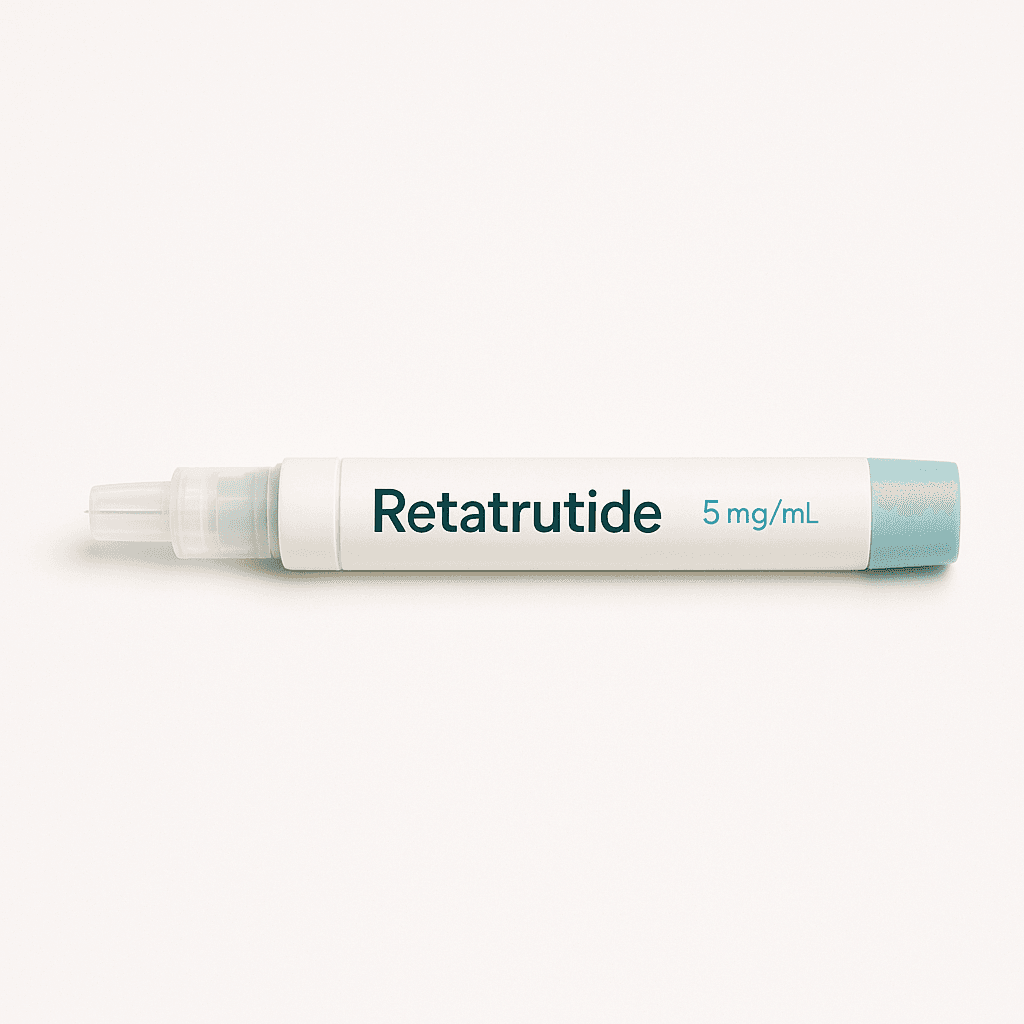
Retatrutide (LY3437943) is a once-weekly injectable drug engineered for individuals who require support managing weight and blood sugar. It functions by targeting three hormone receptors: GLP-1, GIP, and glucagon receptors to transform the body’s metabolism of sugar and fat. In clinical trials, this can translate into an average weight loss of 24% over 48 weeks.
Key factors influencing patient selection for retatrutide include:
- Age (18–80 years)
- Obesity class and BMI
- Current health conditions (comorbidities)
- Past or present thyroid cancer or related syndromes
- Pregnancy or lactation status
- Sensitivity to ingredients in the medication
Patient Selection
Choose your retatrutide patients wisely. It begins with age, weight, and health history. BMI is a big piece of the equation. It allows docs to get a good sense of who will benefit most.
Individuals with a BMI greater than 30 kilograms per square meter, or with a BMI greater than 27 kilograms per square meter and an additional co-morbidity such as type 2 diabetes, may be eligible. It is not for those under 18 or over 80.
Comorbidities are very important. If you have medullary thyroid cancer or multiple endocrine neoplasia syndrome type 2 or are hypersensitive to the drug, you can’t take it. Pregnancy and breast-feeding are solid no’s for retatrutide.
Physicians check for previous allergies or adverse reactions to related drugs. A complete health check ensures retatrutide is safe and likely to be effective. This involves medication, labs, and previous illness review.
Thoughtful decision-making assists in maximizing safety and the likelihood of positive outcomes.
Risk Stratification
Risk stratification refers to categorizing individuals based on their potential complications from retatrutide. Physicians combine medical history, current conditions, and lab results to classify patients as low, moderate, or high risk.
Individuals at elevated risk for thyroid cancer or with a history of life-threatening allergic reactions are ineligible for this medication. One-size-fits-all plans don’t work.

Physicians establish objectives and observe for typical adverse effects, such as nausea, which tends to be more severe during the initial weeks or titration. Routine check-ins facilitate early detection of problems and allow providers to intervene if necessary.
Others may require more gradual dose increases to trim the risk of side effects. Others may require additional assistance if they experience severe nausea or stomach problems. Regular checkpoints keep therapy focused.
Long-Term Outlook
It’s important to note that retatrutide can deliver sustained weight loss and improved glycemic control. Most experience significant transformations in fat stores and body shape within a year.
With continued lifestyle assistance, they usually stick. Side effects such as nausea or stomach upset can re-emerge with dose changes but typically dissipate. Long-term safety continues to be researched, so staying in touch with your doctor is key.
It’s those folks who adhere to sensible eating and exercise regimens that do best. Healthcare team support helps you stay on course and catch late-onset issues.
Monitoring Strategies
Retatrutide beginners require simple and transparent monitoring strategies. Keeping an eye on the safety and effectiveness of the medication reduces risks, identifies issues early, and maintains health objectives. Most people start with a low dose of 1 to 2 mg per week and increase as their body adjusts.
This makes it important to monitor for side effects, as stomach problems such as nausea, vomiting, diarrhea, or constipation emerge early, typically in the initial weeks or following a dose increase. Studies find these intestinal issues usually improve within 3 to 6 weeks, but if they last more than a month, the dose should be adjusted or treatment discontinued.
Regular follow-ups count. Health care teams keep an eye out for issues, query about side effects, and gauge broader advancement. For high-risk individuals—such as those with unstable angina, recent MI, severe thyroid disease, type 1 diabetes, or poor kidney/pancreas function—retatrutide isn’t safe.
If left unmonitored, these risks can cause grave damage. A consistent follow-up schedule, typically every few weeks in the beginning, allows teams to identify and address challenges before they escalate.
Lab tests play a heavy role in monitoring retatrutide’s safety and efficacy. These tests look at metabolic health, such as blood sugar and cholesterol. Retatrutide can occasionally lead to pancreatitis, gallbladder issues, or liver alterations, so lab monitors for indications of these issues.
In clinical trials, approximately 0.4% of individuals reported having pancreatitis and 1.1% had gallbladder problems. Liver enzyme jumps were uncommon at 1% and long-term liver health markers remained stable. Still, it’s wise to watch for indications of trouble, such as abdominal pain, jaundice, or dark urine, and to perform laboratory testing as necessary.
It benefits having folks monitor their own health at home. Tracking weight, blood pressure, pulse, and any gut side effects ensures changes are detected early. For instance, if someone observes a rapid or abnormal heartbeat, this should be reported immediately, because some medications in this class, like tirzepatide, have demonstrated a slight potential for increased heart rates or arrhythmias.
When patients and their care teams collaborate, they can identify patterns and react in the moment, rendering treatment safer and more effective.
Conclusion
Retatrutide provides new hope to tons of individuals. It’s not for everyone. Regular health screenings and honest conversations with your care team can help identify risks early. There are some folks who should avoid this drug, like those with specific thyroid or pancreas disorders. Others may have to monitor side effects or drug cocktails. Weight or blood sugar variations indicate one should check in regularly. Real stories from the clinic prove that candid conversation and strong follow-up really matter. To be on the safe side, consult your provider regarding your personal risks and mention any previous medical conditions or medications. Stay tuned for new updates and bring your questions to your next checkup.
Frequently Asked Questions
What are the absolute contraindications for retatrutide?
Retatrutide is contraindicated in individuals who have a personal or family history of medullary thyroid carcinoma or multiple endocrine neoplasia syndrome type 2. Always check with your healthcare provider before beginning any new drug.
Are there any relative warnings for retatrutide use?
Yes, caution should be exercised for individuals who have kidney or liver disease, pancreatitis, or severe gastrointestinal issues. A doctor’s advice is needed prior.
How does retatrutide’s mechanism impact its safety?
Retatrutide exerts its effects by targeting hormones involved in blood sugar regulation and appetite control. This can lead to side effects such as nausea or hypoglycemia, particularly in conjunction with specific other drugs.
Can retatrutide interact with other medications?
Yes, retatrutide can interact with diabetes medications, raising the risk of hypoglycemia. Let your doctor know about all the medicines and supplements you use.
What should clinicians monitor during retatrutide treatment?
Clinicians need to keep an eye on blood sugar levels, kidney and liver function, and indicators of pancreatitis. Regular follow-up ensures safety and effectiveness.
Is retatrutide safe for pregnant or breastfeeding individuals?
It’s not safe to take retatrutide if pregnant or breastfeeding. It should not be taken unless instructed by a physician.
What are the common side effects of retatrutide?
Typical adverse reactions are nausea, vomiting, diarrhea, and diminished appetite. Most side effects are mild and subside with time. Visit a physician if they persist.
 Directions
 Call Us
 Email Us