
Smoking and Liposuction: Risks, Precautions, and Candidacy Criteria

Key Takeaways
- Smoking and nicotine decrease blood flow and oxygen at surgical sites, which increases the risk of tissue necrosis, delayed healing, and worse aesthetic outcomes after liposuction. Quit smoking far in advance of surgery for better results.
- Even light, occasional, or secondhand smoke exposure can impact healing and raise the risk of infection and scarring. Reduce all smoke exposure pre- and post-procedure.
- Heavier and long-term smokers have higher rates of major complications including necrosis, infections, blood clots, and longer recovery. They may be advised to postpone surgery until prolonged cessation is attained.
- Most plastic surgeons require you to quit smoking and may suggest nicotine replacement therapy. The typical recommendation is a minimum of 4 to 6 weeks smoke-free before and after liposuction, with longer cessation for heavy smokers preferred.
- Observe for surgical complications that occur more frequently in smokers, such as wound infection, seromas, abnormal scarring, and symptoms of blood clots. Pursue urgent medical attention if symptoms develop.
- To mitigate risk, adhere to an explicit preoperative quit plan, avoid secondhand smoke, and collaborate with your surgeon on timelines and cessation support to enhance healing and outcomes.
They’re more dangerous if you mix smoking and liposuction. Smoking decreases blood circulation and impairs healing, increasing your risk of wound complications and infection following liposuction. Research ties nicotine and carbon monoxide to poor tissue oxygenation and increased complication rates. Surgeons commonly recommend that patients quit smoking weeks prior to and after surgery to mitigate risks. The bulk covers timing, quitting benefits, and pragmatic ways to handle nicotine around surgery.
Biological Impacts
Smoking and nicotine establish a biological foundation that sabotages the effectiveness of liposuction and related body-contouring procedures. The subsections below detail the primary mechanisms: vasoconstriction, hypoxia, and immune suppression, and how each increases the likelihood of complications, delayed healing, and additional surgery.
Vasoconstriction
Nicotine constricts blood vessels, which reduces the supply of blood delivering oxygen and nutrients to tissues during and after liposuction. Lower perfusion also means the mini fat lobules and skin edges at the surgical site receive less assistance for healing. With restricted blood flow, tissue death and fat necrosis become significantly more probable. In certain cosmetic surgeries, smokers encounter as much as a 12 times increase in necrosis. Poor circulation also delays wound closure, and incisions can separate or heal badly, raising the risk of prominent, uneven scarring.
Vasoconstriction affects both traditional suction-assisted liposuction and energy-based modalities like laser-assisted liposuction. Even laser or ultrasound methods depend on tissue perfusion to wash away damaged cells and facilitate remodeling. When vessels remain constricted, the efficacy of these technologies is diminished. Clinically, this can translate into prolonged drainage times, extended bruising, and increased likelihood of revision surgery to address contour irregularity or scar deformity.
Hypoxia
Smoking decreases arterial oxygen content and increases carboxyhemoglobin levels, creating a local and systemic hypoxic environment. Oxygen is critical for collagen synthesis, angiogenesis, and the cellular processes of wound repair, and diminished oxygen compromises all of these pathways. Hypoxia increases the risk of skin-flap necrosis and wound breakdown following body-contouring procedures. Healing delays result in permanent, widened scars.
Patients having combined procedures, such as liposuction with a tummy tuck or breast lifts, are at even greater risk since bigger flaps and more aggressive dissection need strong oxygen supply to heal safely. Oxygen deprivation can further generate surgical site infections and even tissue loss, such as partial nipple loss in breast surgery and debridement or additional reconstruction.
Immune Suppression
Further, tobacco smoke stymies the function of neutrophils, macrophages, and lymphocytes, compromising the body’s ability to combat any microbes that may enter during surgery. This immune suppression raises wound infection rates, delays healing, and increases incision separation rates. Smokers exhibit increased prevalence of chronic wound issues that necessitate continuous topical management or extended antibiotics.
Weakened immunity combined with poor blood flow and hypoxia compounds risk. Infections take hold more easily and resolve slower. These issues increase the risk of corrective or dangerous revision surgeries following the primary liposuction operation. Cannabis smoke exhibits comparable detrimental effects on lung function and tissue repair, again increasing perioperative risk.
Surgical Risks
Smokers are at greater surgical risk with liposuction. Smokers have impaired wound healing and more intra- and postoperative complications. Tobacco and nicotine impact blood flow, oxygen delivery, and immune response, which increases the risk of complications like tissue necrosis, infection, clotting, suboptimal scars, and edema. Quitting four to six weeks before surgery reduces these risks. Even quitting two to four weeks in advance has an impact. Smoking increases general surgical complications by approximately 50% and induces tissue hypoxia that raises the delayed healing risk around 2.94 times.
1. Tissue Necrosis
Tissue necrosis is the death of skin or fat cells from insufficient blood circulation post-liposuction or other cosmetic surgery. Smokers are at increased risk of necrosis at surgical flaps, especially if the operation involves extensive undermining or movement of skin. Others show as much as a twelve-fold increase in necrosis rates for smokers in some procedures, such as being three times more likely to have nipple necrosis post breast reduction. Necrosis could lead to further surgery, debridement, or even grafts to re-establish healthy coverage. This can lead to visible deformity with permanent scarring and much longer recovery.
2. Infection
Smoking increases post-operative infection risk by both suppressing local immune response and reducing tissue oxygenation, which predisposes to infection. Infections can lead to wound dehiscence, delayed healing, and increased wound care. The risk is greatest for large-area liposuction, abdominoplasty, and combo procedures like liposuction with breast work. Be vigilant for any redness, swelling, increasing pain, heat, and any discharge. These are signs of infection and should be treated immediately. Cannabis smoke inhibits lung function and tissue repair in tobacco-like ways.
3. Blood Clots
Smoking and nicotine increase the risk of developing DVT during and after surgery. Clots can migrate to the lungs and cause pulmonary embolism, a potentially fatal event, in this population with decreased lung reserve. High-risk patients may require blood thinners or other anticoagulants, which make postoperative care more complex and increase the risk of bleeding. Watch for leg swelling, calf pain, and sudden onset shortness of breath, and get urgent care for any of these symptoms.
4. Scarring
Smokers scar worse, creating thickened scar tissue, hypertrophic scars, and keloids, all resulting from poor healing. Bad scars can damage cosmetic outcomes and may require steroid injections or revision surgery. If you compare scar outcomes in smokers versus non-smokers, it’s pretty glaringly clear that smokers have more suboptimal scars.
5. Fluid Retention
Smoking can interfere with lymphatic flow and cause fluid build-up and extended swelling post liposuction. Excess fluid might need drains, reoperation, or manual lymphatic drainage. Continued edema slows healing, increases pain, and can contribute to wound breakdown or infection. Nicotine abstinence for at least four to six weeks post-op helps the tissue repair at its best.
Dosage Effects
Dose and frequency of smoking alter the biological milieu pertinent to liposuction. With higher dosage, you get more nicotine, carbon monoxide, and other toxins that constrict vessels, reduce oxygen delivery, and suppress immune and fibroblast activity. Not even short exposure affects blood flow. These subsections explain how heavy use, light use, and passive inhalation differ in clinical risk and what you can do to improve the outcomes.
Heavy Consumption
It’s a heavy cigarette or vape user; it significantly increases major surgical risks. Long-term, high-dose smokers demonstrate a greater incidence of tissue necrosis, wound infection, and poor wound strength as repeated vasoconstriction and chronic inflammation decrease skin and fat perfusion. Surgeons routinely tell heavy smokers that they’re not good candidates until they quit. A patient who’s off tobacco for eight weeks before surgery will typically have fewer wound complications and less swelling than a patient who gets off the stuff four days before. Heavy users tend to require longer preoperative abstinence, typically a minimum of four to six weeks, and more rigorous perioperative instructions, such as nicotine testing and counseling. Heavy smoking lengthens recovery. Tissue reorganization can be impaired for up to six months after surgery, so risks persist even after cessation.
Light Use
Even low-level or occasional smoking compromises circulation and delays healing post-liposuction. Just one puff can interfere with oxygen delivery and cause vessel constriction, so there is no safe dose. Light users have increased risks of minor scarring, delayed recovery, and less predictable contouring outcomes than non-smokers. Cessation of at least 4 to 6 weeks before and after surgery eliminates many of these risks, as postoperative nicotine abstinence promotes tissue repair. Patients who discontinue eight weeks out exhibit clinically fewer wound complications than patients who stop within days before surgery. Here’s a risk-by-use-level comparison.
- Light, short-term users experience higher minor wound issues, a slight delay in healing, and occasional small infections. They benefit noticeably from four to six weeks of abstinence.
- Moderate, intermittent users have an increased risk across wound healing metrics and a modest rise in infection and delayed resolution of swelling. They require stronger monitoring.
- Heavy, long-term users experience a marked rise in tissue necrosis, major infection, wound breakdown, and possible disqualification until cessation. They require longer periods of abstinence and perhaps tiered treatment.
Passive Inhalation
Secondhand smoke can reduce tissue oxygenation and healing. Dosage Effects If you live with smokers or are otherwise regularly exposed, it increases complication risk even if you don’t smoke. Secondhand smoke impairs healing. Even passive smoking diminishes microcirculation and immune response sufficiently to impact scar formation and infection following liposuction. Dosage Effects Minimizing exposure before and after surgery, such as sleeping in smoke-free environments, asking household members to quit or smoke outside, and using air filtration, helps lower risk. Permanent cessation enhances tissue perfusion and immune function over weeks to months, reducing both short- and long-term operative risks.
Cessation Timelines
Quitting smoking weeks prior to liposuction is vital to reduce risks in and post surgery. Tobacco and nicotine both reduce blood flow, impair oxygen delivery and blunt immune response. Those effects increase the risk of wound healing complications, infection and necrosis. Stopping early allows the body time to restore circulation and repair systems prior to the surgical insult.
Preoperative timeline and targets
Stop at least 4 to 6 weeks prior to the operation. This is the absolute minimum most teams employ to reduce thrombotic and healing complications. Research and WHO guidance demonstrate that complications decline when smoking ceases approximately 4 weeks or more prior to surgery. Surgeons tend to recommend 8 to 12 weeks when they can. Quitting that early is ideal because it gives more time for blood and oxygen delivery to rebound. Practical example: If your liposuction is scheduled for 1 June, plan to quit by 1 to 15 April for a 6 to 8 week window, or by early March for an optimal 12-week window.
Then employ nicotine replacement (patches, gum, lozenges) so you can stay nicotine free without the damaging smoke. Patches provide consistent low doses. Gum and lozenges counter short cravings. Nothing like pairing a patch with gum for breakthrough urges to keep you smoke-free, but not wanting nicotine from a cigarette or vape. Discuss with your surgeon or PCP about dosage and timing so replacements don’t disrupt anesthesia scheduling.
Day-of-surgery and immediate recovery
Stop smoking on the day of surgery. Even short term smoke exposure in the 24 to 48 hours pre-operatively increases secretions, constricts airways and raises cardiac stress. Let the surgery team know if you’re a nicotine product user. Even nicotine itself can impact vessels. If cravings are great, switch to nicotine replacements rather than cigarette use when possible.
Postoperative milestones and longer-term benefits
Not smoking for at least 4 to 6 weeks following surgery allows nicotine to clear, which promotes tissue repair and reduces the risk of wound breakdown. Some surgeons suggest 6 weeks or more on both sides, pre and post, to err on the side of caution. Better outcomes show up when patients quit three months beforehand and three months afterward, along with fewer wound complications and fewer re-operations. Permanent cessation yields the best results. Blood flow to skin and fat improves within weeks, while immune function strengthens over months, reducing both short-term and long-term surgical risk.
Follow a clear plan: set a quit date, use replacement therapies, tell your care team, and arrange support. These actions increase the probability of an uneventful process and a speedy recovery.
Recovery Disparities
Smokers experience distinct recovery disparities following liposuction in comparison to non-smokers. Skin and fat layer blood flow is diminished in tobacco and nicotine product users. That reduced circulation results in wound healing at a slower pace, increased risk of infection, and insufficient oxygen to compromised tissue. For most patients, this manifests as prolonged edema, late healing of incisions, and increased risk of tissue necrosis at the targeted location.
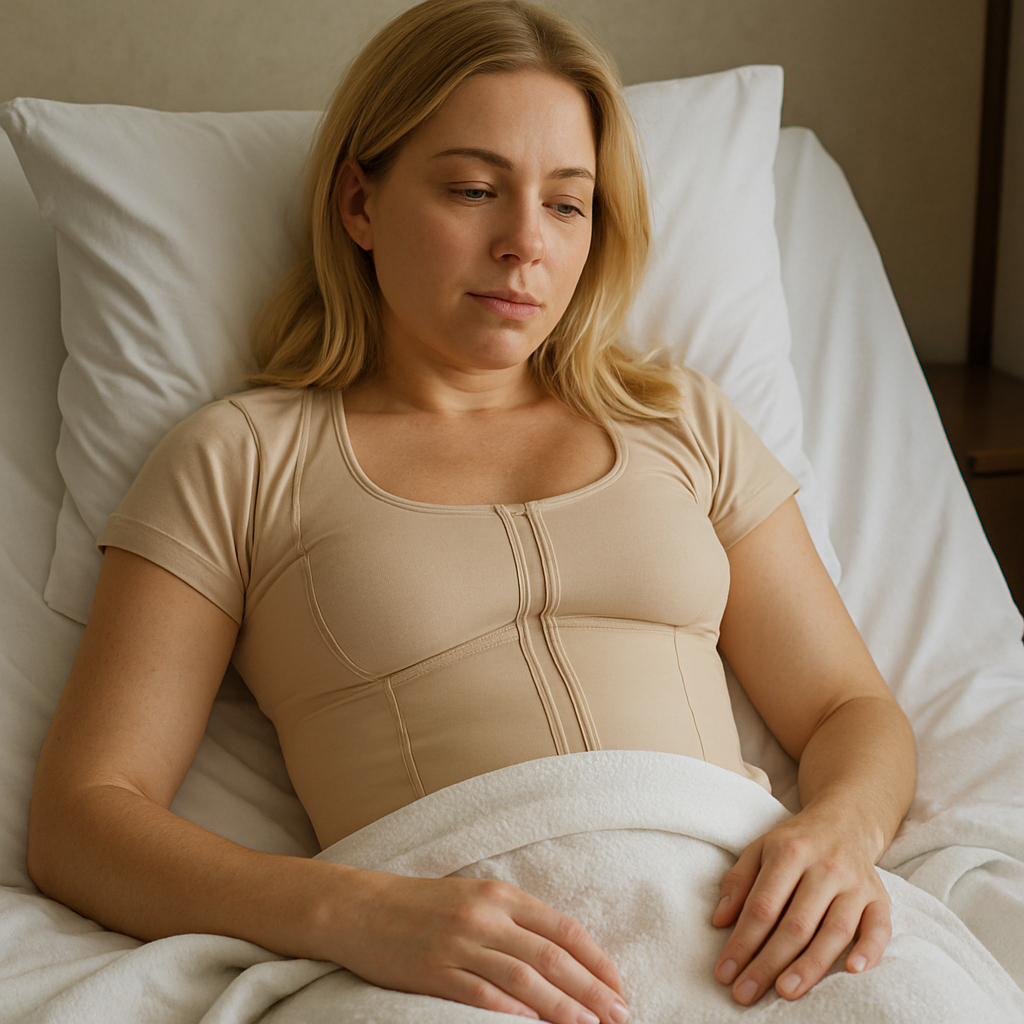
Smokers tend to take longer to recover. On average, research indicates smokers are roughly 30% more likely to possess wound issues and can have total healing timelines extended by weeks. Other data highlights that general surgical complication risk can increase by as much as 50% in smokers. Necrosis—the death of fat or skin tissue—is significantly more prevalent. Some studies find smokers are up to 12 times more likely to experience necrosis than non-smokers. This leads to noticeable contour issues, color shift, scarring, and often additional surgeries.
Non-smokers tend to recover to stable aesthetic outcomes faster and with fewer complications. Incisions recover more rapidly, swelling subsides more quickly, and the risk of infection or dehiscence is lower. Non-smokers have fewer revision operations, so the final shaping and skin quality is more predictable. Nicotine avoidance prior to and after liposuction enables the body to mount a normal healing response and reduce complication rates.
Quitting smoking four to six weeks before surgery and staying smoke-free for at least the same period after surgery cuts risk substantially. Stopping nicotine constricts fewer blood vessels, improves oxygen delivery, and strengthens immune response. Even second-hand smoke can slow healing and affect skin tone, so patients should avoid exposure in the pre- and postoperative period. Vaping is not a safe substitute; nicotine from e-cigarettes narrows vessels and can impair repair, so switching to vaping does not remove the added risk.
Practical steps: Document smoking history with your surgeon, plan to quit at least six weeks before surgery, use approved cessation supports, and avoid smoke exposure during recovery. If things take a turn, prompt treatment, including wound care, antibiotics, and occasionally surgical debridement, mitigates damage. Here is a concise summary comparison of average recoveries and complication rates.
| Outcome | Smokers | Non-smokers |
|---|---|---|
| Wound complication risk | ~30% higher | Baseline |
| Overall surgical complications | up to 50% higher | Baseline |
| Necrosis risk | up to 12x higher | Rare |
| Typical extended healing time | +weeks | Standard weeks |
| Revision surgery rate | Higher | Lower |
Surgeon Perspectives
For surgeons, smoking is an obvious, modifiable risk that impacts both intraoperative and postoperative events. Most plastic surgeons regard smoking as a major risk for complications. Nicotine and carbon monoxide decrease blood flow, hinder oxygen delivery, and delay wound healing. Consequently, a few surgeons won’t operate on active smokers electively to sidestep increased risk of infection, delayed wound healing, and tissue necrosis.
Distinguished surgeons, such as Dr. Kevin Rose and Dr. R. Brannon Claytor, impose rigid protocols for smokers. These protocols often mandate full abstinence pre and post surgery during recovery. One universal directive is to quit smoking four weeks prior to surgery. A few practices request patients to discontinue even sooner. Surgeons mention both physiological and medicolegal issues as they establish these limits.
Surgeon practice patterns by procedure type and perceived risk. According to a survey of board-certified plastic surgeons, 90% continue to perform elective plastic surgery on smokers, but 88% restrict procedures to ones that do not entail skin flaps or skin separation. Procedures like nose reshaping, breast augmentation, and liposuction are more frequently provided to smokers as they typically do not involve huge skin flaps. About 60% of surgeons say they usually or always opt for less invasive techniques for smokers to decrease wound tension and surface disruption. About half limit the type of procedure they will do on smokers, tailoring the plan to lower risk.
Surgeons routinely modify technique and perioperative care when operating on smokers. Options are smaller incisions, limited undermining, staged procedures, and more conservative liposuction volumes. There is more use of drains, closer post-op observation, and prophylactic antibiotics, which are all common. These measures help to minimize issues, but they don’t remove the increased danger. One study reported complication rates of 24% in patients who continued smoking compared to 14% in those who didn’t.
Communication is a factor in results. Here’s a nudge behavior tip: When you discuss surgical risk with your patients, many surgeons say this talk helps patients quit or cut back. They reported that about 70% of patients say that these risk discussions had an impact on their smoking. Surgeons might need cotinine or other biochemical tests to verify the quit before operating. As surgeons’ recommended stop protocols are safer and yield better results.
Conclusion
Smoking increases obvious, quantifiable risks for liposuction. Nicotine and other smoke toxins reduce blood flow, delay healing, and increase infection risk. Research connects heavier use to more wound complications and longer recoveries. Surgeons see more revision work and tougher post-op care for patients who continue smoking close to surgery.
Quit smoking at least a month before surgery and remain tobacco-free for weeks afterwards. Shorter intervals pose greater risk. Quit aids and medical support assist most people. If quitting seems difficult, select a modest, consistent target and utilize local support or a clinician for strategies and drugs.
Let these facts inform your surgery planning. Discuss timelines and quit options with your surgeon prior to booking.
Frequently Asked Questions
Will smoking increase my risk of complications after liposuction?
Yes. Because smoking constricts blood vessels and diminishes blood and oxygen delivery, it significantly increases the potential for poor wound healing, infection, skin necrosis, and prolonged recovery following liposuction.
How long should I stop smoking before liposuction?
Most surgeons advise quitting at least 4 weeks prior to surgery. Longer cessation of 8 weeks further decreases complication risk and improves healing.
How long should I remain smoke-free after liposuction?
Avoid smoking for at least 4 weeks post surgery. Remaining smoke-free for 8 to 12 weeks helps tissue repair and minimizes the risk of long-term complications.
Does the amount I smoke affect surgical risk?
Yes. Heavier, long-term smoking is even riskier. Even light smoking impairs oxygen delivery and raises the risk of wound and healing complications.
Can nicotine replacement (patches, gum) be used around liposuction?
Nicotine products still impact blood vessels. Talk alternatives with your surgeon. Many recommend avoiding all nicotine for the perioperative period.
Do smokers heal more slowly after liposuction?
Yes. Smoking affects tissue oxygenation and immune response, which not only slows healing but increases scarring and could even potentially extend recovery time.
Will my surgeon refuse to perform liposuction if I smoke?
Some surgeons even mandate documented cessation before surgery. Depending on policy, many will postpone or deny surgery until you quit for safety and outcome reasons.
 Directions
 Call Us
 Email Us