
Stage 2 Lipedema: Symptoms, Treatment Options & Long-Term Outlook
Key Takeaways
- Stage 2 lipedema presents with firmer, nodular fat and increased skin indentations, accompanied by moderate pain and easy bruising that do not subside with elevation. Early awareness drives early treatment.
- Clinical exam and history help differentiate stage 2 from obesity or lymphedema by symmetrical lower-limb fat deposits, palpable nodules and disproportionate pain, guiding personalized management.
- Conservative care like properly fitted compression, manual lymphatic drainage, anti-inflammatory nutrition, and low-impact exercise should be combined and regularly adjusted to reduce symptoms and slow progression.
- Lymphatic-sparing liposuction is a surgical option for patients who are refractory to conservative measures and have functional impairment. It has potential benefits for contour and long-term symptom relief.
- Credit secondary complications such as persistent non-pitting swelling, cellulitis, and joint problems. Monitor limb circumference, skin changes, bruising patterns, and warning signs that require immediate medical attention.
- Take a multidisciplinary, long-term approach with periodic reassessments, patient education, and psychosocial support to preserve mobility, quality of life, and treatment compliance.
Lipedema stage 2 symptoms and treatment refer to the specific signs and care for the middle phase of lipedema. This stage is characterized by larger, uneven fat deposits, firm nodules under the skin, and easy bruising, which often results in pain and reduced mobility. Treatment combines conservative measures including compression, light exercise, and nutritional support along with options like liposuction for stubborn tissue. Below we cover symptom management, treatment options, and recovery expectations.
Stage Progression
Lipedema Stages of Progression Staging allows clinicians to monitor the progression of the disease, inform treatment decisions, and establish practical functional and quality of life expectations. Progression is variable. Some people stay stable for years. Others move from one stage to the next after hormonal events such as puberty, pregnancy, or menopause.
Stage One
Stage One exhibits fine, soft subcutaneous fat with an overall smooth skin surface. Legs and occasionally arms have a symmetric fat increase, but the skin appears normal and there are no hard nodules. Pain at this stage is typically minimal or non-existent. Bruising can be sporadic and the majority of individuals maintain normal range of motion and daily function.
Early diagnosis is important because the symptoms can be quiet and often overlooked. If recognized during this stage, conservative interventions such as compression, light activity, weight loss when indicated, and manual lymphatic therapies can reduce symptoms and potentially slow progression. Many languish in stage one for years, particularly under the right stewardship.
Stage Two
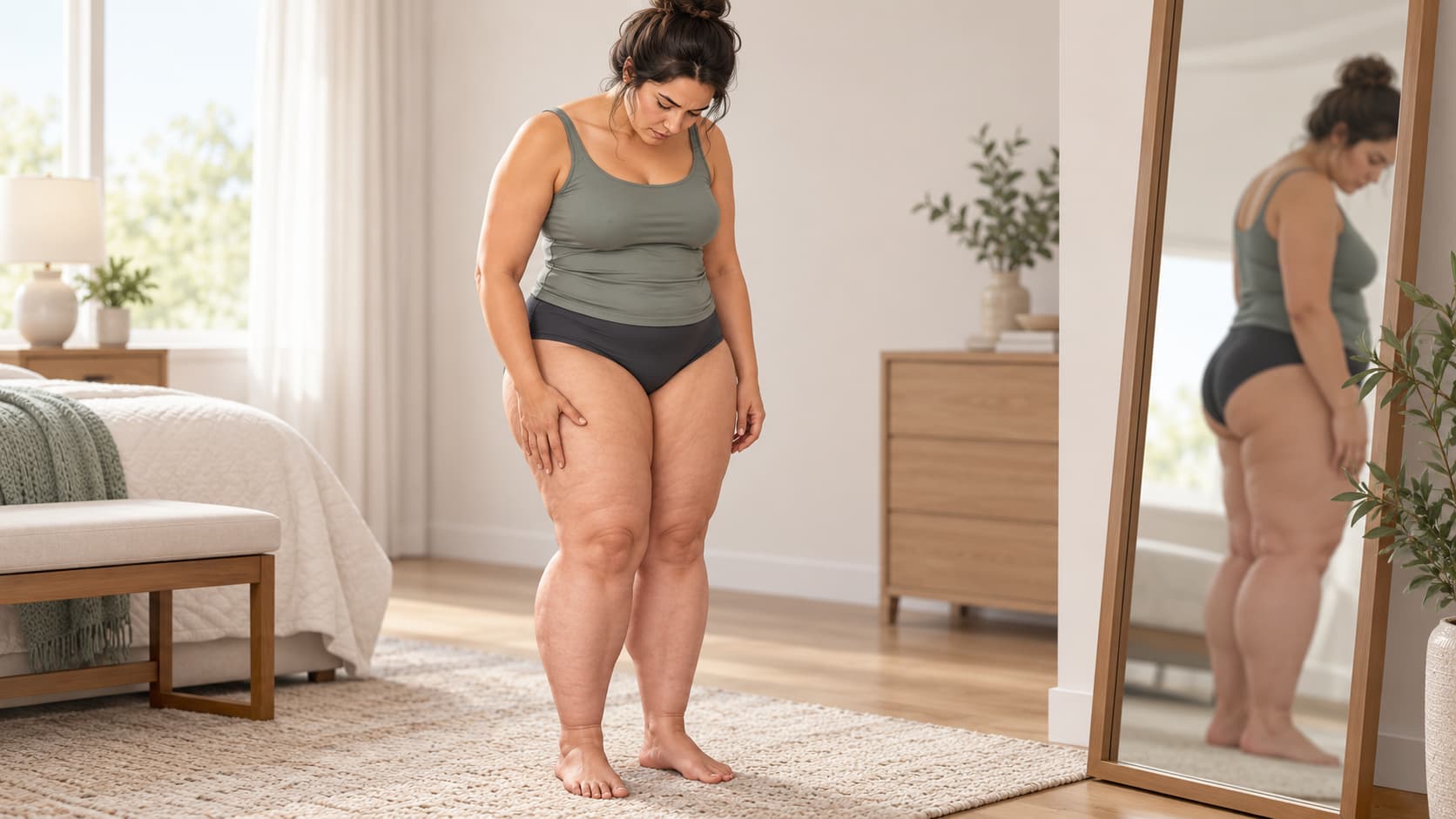
Stage Two is characterized by firmer, nodular fat and uneven skin. Small lobules develop beneath the skin and are palpably distinct from surrounding tissue. Pain and tenderness intensify. Most experience easy bruising, aching after standing, and a feeling of tightness. Swelling becomes more constant and does not completely subside with leg elevation.
Thighs and calves are most frequently involved, followed by upper arms. Feet and hands are typically spared, resulting in a characteristic cuffed appearance at the wrist or ankle. Hormonal transitions frequently merge with accelerated advancement to stage two and secondary issues like compromised lymph flow or infections may start. Treatment becomes more urgent at this stage as some tissue changes begin to become less reversible. Conservative care remains first-line: compression garments fitted in metric sizes, targeted physiotherapy, skin care, and pain management. In some cases, lipedema-specific liposuction is able to eliminate nodular fat and restore function and ease of movement, albeit the timing and method are important to minimizing lymphatic trauma.
Some linger in stage two for years with minimal growth. Others advance more quickly. Scheduled follow-up catches complications and allows you to tweak the plan.
Stage Three
Stage Three is characterized by large, lobular fat masses and significant skin changes such as folds and indentations. Tissue becomes fibrotic in areas and heavy, creating significant restrictions on movement and activities of daily living. There is a risk of secondary lymphedema, given chronic lymphatic overload and recurrent inflammation.
Chronic pain, recurrent swelling, and psychosocial implications. Treatment often mixes conservative care, state-of-the-art decongestive therapies and surgical alternatives when appropriate to recover function and relieve discomfort.
Clinical Indicators
Stage 2 lipedema has distinct clinical symptoms that direct diagnosis and treatment. Physical exam and patient history are central. Clinicians look for increased, symmetric fat in the hips, buttocks, and legs, a nodular, uneven subcutaneous texture, persistent skin indentations, and pain or tenderness that does not match simple obesity. Imaging and history-taking, including onset at times of hormonal change such as puberty, pregnancy, or menopause, support the clinical picture and help to rule out lymphedema or generalized obesity.
Tissue Nodules
Palpable lumps or nodules in the subcutaneous fat are a hallmark of stage 2. These nodules are palpably firm, sometimes like little beads or ropy strands just under the skin, and they often lie within distended fat lobules. This nodular texture creates an irregular limb contour and accounts for the “cottage-cheese” or dimpled surface observed on inspection.
Nodules wax and wane with the stage of disease. In stage 1, they are soft and diffuse. In stage 2, they are larger, more distinct, and may coalesce. Later, fibrotic changes harden nodules and reduce their mobility. Skin may tether to the overlying nodules.
| Stage | Nodule feel | Distribution | Mobility |
|---|---|---|---|
| Stage 1 | Soft, fine | Diffuse | Mobile |
| Stage 2 | Firm, distinct | Lobular, clearer | Less mobile |
| Stage 3 | Hard, fibrotic | Large masses, deforming | Fixed |
A table such as the one above allows clinicians and patients to follow changes in palpation findings and how those changes influence decisions such as conservative therapy versus surgery.
Skin Indentations
Skin dimpling and indentations are caused by fat lobules expanding and fibrotic septa pulling the skin inward. Indentations become more obvious as one progresses from stage 1 to stage 2, as nodularity intensifies and fibrosis initiates.
These dimples tend to persist after pressure is relieved, in contrast to the pitting of edema. Decreased skin elasticity ensues and increases the risk of secondary skin breakdown and infection in certain instances.
Skin changes impact mobility because tight, inelastic skin restricts your joint range and can exacerbate pain during movement.
Chronic Discomfort
Stage 2 clinical indicators include chronic pain, heaviness, and diffuse aching. Pain that is more severe with standing, walking, or other weight-bearing activity is out of proportion to the amount of visible swelling. Exhaustion and impaired locomotion ensue, impacting your office and workout routine.
Pain can change the way we feel and sleep, making us more prone to anxiety or depression. Pain management through a combination of manual lymph drainage, compression, tailored exercise, and sometimes surgery is guided by clinical indicators and patient history.
Easy Bruising
Added capillary fragility results in easy, unexplained bruising, especially around the thighs and hips. Bruising occurs with minor or no obvious trauma and follows the fat deposits.
This sign connects to vascular and lymphatic spread and can be exacerbated by anticoagulation. Maintain a bruising log. Tracking patterns differentiates lipedema from other causes of easy bruising.
Treatment Options
Stage 2 lipedema demands proactive treatment to alleviate symptoms, forestall advancement, and increase daily function. Here are conservative and surgical options typically utilized at this point. Combination therapy tends to be most effective and helps to maintain tissue before stage 3 changes become permanent.
1. Compression Therapy
Compression garments and devices aid in swelling management and lymphatic support. Well-fitting garments decrease pain, heaviness, and fluid accumulation. Fit should always be measured by a trained fitter and refitted as limb size changes. Pneumatic compression provides timed, programmable pressure for severe or refractory edema and can be used at home for maintenance. Recommended compression types vary by limb size and stage: low-profile daily wear for mild swelling, higher-pressure flat-knit garments for fibrotic tissue, and custom-made pieces for atypical shapes. Keep a list of options: off-the-shelf knee-high and thigh-high stockings (15–30 mmHg), graduated flat-knit garments (custom), and intermittent pneumatic pumps for home use.
2. Manual Drainage
MLD is a mainstay of conservative care and is ideally conducted by licensed therapists. MLD employs gentle, rhythmic strokes to stimulate lymph flow, minimize swelling, and relieve discomfort. Ongoing sessions help to prevent secondary lymphedema and decelerate fibrosis. Combine MLD with complete decongestive therapy (CDT), which includes compression, skin care, and exercise. Learning self-massage can supplement each day with benefit. Professional sessions are often most efficient for stage 2 lipedema due to tissue changes and technique sensitivity.
3. Lymphatic Sparing Liposuction
Lymphatic-sparing liposuction is an option when conservative care fails or pain and loss of mobility are substantial. The method attacks fat and spares lymphatic vessels, reducing the chances of secondary lymphedema. Candidates tend to demonstrate proven failure of conservative treatment, a definitive diagnosis of stage 2, and lifestyle impact. In addition to providing a more sculpted appearance to the affected limbs, patients often experience increased mobility and relief of symptoms for years after surgery.
4. Anti-Inflammatory Nutrition
An anti-inflammatory diet can alleviate pain and swelling and promote weight loss. Focus on whole foods, lean proteins, omega-3 fats, vegetables, and cut out processed sugars and refined carbs. Nutrition curbs fat tissue and can even slow symptom progression when combined with physical activity. Sample day: oats with berries and nuts, grilled fish with quinoa and steamed greens, and a vegetable-rich soup or salad.
5. Low-Impact Exercise
Low-impact activities such as swimming, cycling, and walking keep you mobile and toned while promoting lymph flow. Exercise decreases stiffness and maintains weight, a key factor in combined diet-exercise regimens. Steer clear of high-impact or heavy-load activities that irritate joints or tissue. Depending on your mobility and fitness, you should tailor your routines. Begin gently, increasing duration before intensity.
Strategic Perspectives
Lipedema is a long-term disease characterized by disproportionate fat accumulation mainly in the lower extremities, and a well-defined strategy keeps symptoms under control and progression at bay. Early steps should set goals: reduce pain, limit swelling, preserve mobility, and support mental well-being. A strategic plan starts with a precise diagnosis, staging, and baseline measurements of function and quality of life so that future changes are easy to monitor.
A multidisciplinary approach combines medical, nutritional, and physical therapy experts. Medical input spans diagnosis, pain management, and advice on when surgery, for example, liposuction for lipedema, is appropriate. Nutritionists concentrate on anti-inflammatory eating, weight-stable plans, and micronutrient sufficiency. They facilitate, not promise, fat loss specific to lipedema. Physical therapists instruct patients in low-impact cardio, strength work to support joints, and daily movement habits that minimize fluid pooling. Compression therapists and lymphedema-trained clinicians show you how to apply compression garments correctly and perform manual lymph drainage when necessary. By integrating these roles, it prevents piecemeal care and better aligns interventions to stage and symptoms.
Continuous evaluation and plan modification are important because lipedema is progressive for many. Routine check in every 3 to 12 months, depending on severity, lets teams observe any changes after hormonal events such as puberty, pregnancy, or menopause, which can exacerbate symptoms for certain individuals. Use simple, repeatable measures: circumference at set points in centimeters, pain scales, mobility tests, and validated quality-of-life surveys. When a treatment provides a marginal advantage, whether it is clothing, workout, or medicine, vary intensity, timing, or try alternative strategies. Surgical interventions should be readdressed after conservative options are maximized and risks discussed.
Patient education supports all care. Teach clear, actionable signs to watch for: sudden increases in limb size, easy bruising, disproportionate fat, and pain with light touch. Explain realistic expectations: treatments reduce pain and improve function but do not cure the condition. Write care plans, garment guides, and quick self-massage videos. Shared decision making aids patients in considering trade-offs, such as recovery time after tumescent liposuction versus continued conservative care.
Strategy 4: Track outcomes and quality-of-life measures to refine management. Gather data on pain (0–10), mobility (i.e., 6MW), garment wear time (hrs/day), and life impact from the patient. Leverage these trends to inform resource allocation and demonstrate value to payers when seeking coverage. Tackle emotional and social consequences with counseling or peer support to maintain plans that are realistic and sustainable.
Secondary Complications
Stage 2 lipedema is at much greater risk of secondary complications as tissue becomes nodular, skin stretches, and lymphatic load rises. These alterations can cause mechanical and inflammatory issues that impact pain, function, and infection risk. Early identification and intervention prevent progression to deeper tissue fibrosis and stage 3 changes.
- Secondary lymphedema (lipolymphedema)
- Cellulitis and other skin infections
- Joint problems (knees, hips, ankles)
- Persistent pain and fatigue
- Mobility loss and reduced independence
- Psychological effects: anxiety, depression, lowered self-esteem
Secondary Lymphedema
Secondary complications about secondary lymphedema in lipedema are swelling that occurs when lymph drainage can’t keep up with increased fluid and fat deposition or when lymph vessels are damaged. It frequently manifests as hard, non-pitting edema in which the skin, when pressed, does not maintain an indent and the limb has a firm or doughy feel as opposed to a soft feel. Skin may thicken, display a cobblestone texture, or form skin folds that trap moisture and bacteria.
Warning signs that need prompt care:
- Rapid increase in limb size or firmness
- Non-pitting swelling that does not improve with elevation
- Recurrent skin infections or areas of redness and warmth
- New skin thickening, nodules, or micro-wounds
- Sudden increase in pain or heaviness in the limb
Check limb circumference at the same point and observe changes in skin color, texture, and sensation. Pictures and a basic tape-measure log can demonstrate progress. Early detection permits conservative methods such as compression garments, manual lymphatic drainage, weight control, and exercise to forestall established lymphedema and the more complicated lipolymphedema.
Joint Impairment
Secondary Complications: Excess weight and connective tissue alterations add stress to joints resulting in aches, stiffness, and reduced range of motion. In the second stage, knees, hips, and ankles are most commonly impacted as they bear body weight and control gait. Uneven fat distribution skews biomechanics and increases wear.
Joint issues restrict walking or stair-climbing and everyday chores. Loss of mobility feeds a cycle of deconditioning, additional weight gain, and increased joint stress, which can speed advancement to stage 3 with fibrotic tissue that is more difficult to manage.
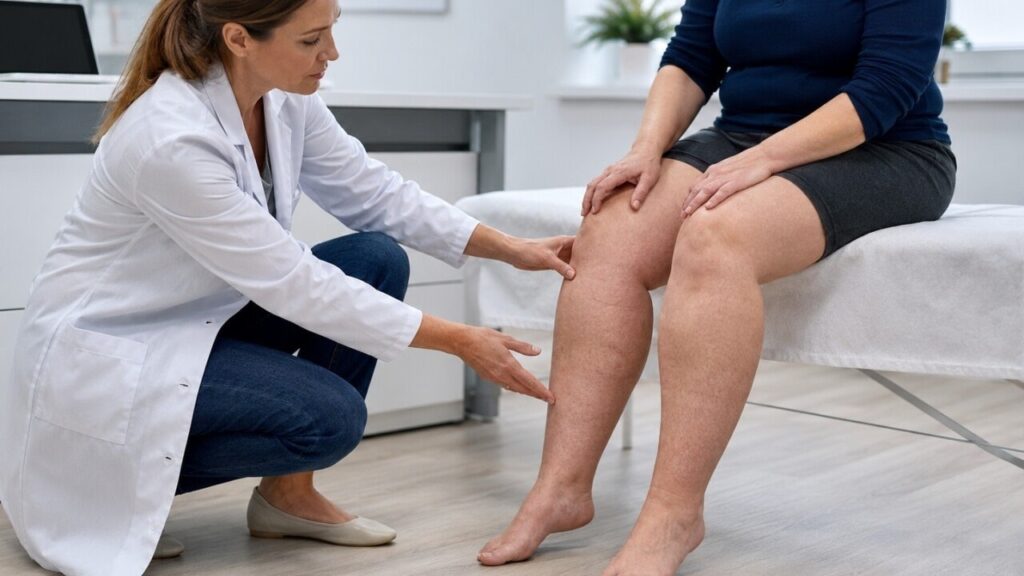
Add in low-impact activities such as swimming, cycling, and guided resistance work to safeguard joints while developing strength. Employ assistive measures like knee braces, orthotic insoles, canes, crutches, and walkers when pain or instability make situations less safe. Work with your physiotherapist for customized plans and pain management strategies such as topical or oral treatments, pairing these with compression and lymphatic care to target both joint and lymphatic sources of symptoms.
Long-Term Management
Long-term management of lipedema acknowledges that this is a chronic, progressive condition which requires continued attention rather than a magic bullet. The goal is to decelerate advancement, relieve pain, maintain joint flexibility and safeguard skin. Early and steady action makes a practical difference: stage 2 changes can be slowed with regular care, but tissue changes and some fat buildup usually remain to an extent even with treatment.
Periodic follow-up is crucial. Plan regular re-evaluations with a multi-disciplinary team, including vascular or lymphatic specialists, physical therapists, nutritionists, and if necessary, endocrinologists and psychologists. Reassessments allow clinicians to monitor limb volume, skin condition, pain, and function, and then modify compression levels, exercise plans, or consider procedural options such as targeted liposuction when applicable. Since advancement is so different from one individual to the next, these visits allow care to remain customized to evolving needs instead of rigid schedules.
Daily skin and wound care is pragmatic and high-impact. Sensitive skin care, thorough drying particularly in skin folds, and application of fragrance-free, nonirritating moisturizers daily minimize chances of breakdown and infection. Minor cracks or recurrent cellulitis must be aggressively managed. Simple examples include patting skin dry after bathing and applying a fragrance-free emollient. Treat any red, warm patches promptly with a clinician’s guidance. These steps preserve skin integrity for decades.
Still at the heart are compression and manual therapies. Clinician-directed, well-fitted compression garments alleviate fluid accumulation and provide tissue support. Pressures and garment styles should be regularly evaluated. Professional manual lymphatic drainage, performed by trained therapists, can reduce swelling and pain and works best in conjunction with compression and exercise. Self-massage at home complements clinic visits and maintains gains between appointments.
Exercise and functional training emphasize maintaining mobility and strength. Low-impact activities, such as walking, swimming, cycling, and guided resistance work, promote good circulation and joint health without creating excessive stress on tissues. Customize plans to pain and fitness levels. Incorporate balance and range-of-motion exercises to minimize falls and stiffness.
Tackle hormonal and metabolic issues when appropriate. Hormonal shifts can impact symptom trajectory. Loop in endocrinology when menstrual, perimenopausal, or other hormonal changes arise. Weight management strategies should be realistic. While diet and exercise may not remove lipedema fat, they improve overall health, reduce load on joints, and can affect inflammation.
Brains and support groups are important. The chronic symptoms impact mood and activity. Access to counseling, peer groups, and patient education encourages compliance and inspiration. Practical supports, such as local support groups, online communities, and specialist nurses, boost long-term outcomes by keeping patients engaged and informed.
Conclusion
Stage 2 lipedema brings clear signs: larger, nodular fat, easy bruising, and skin that feels uneven. Tests and exams assist in excluding other reasons and direct treatment. A combination of therapies works best. Manual lymph drainage and compression assist in reducing swelling. Targeted exercise and calorie-smart plans help function and mood. Surgery can reduce excess fat for those who require it. Be on the lookout for joint pain, infections, and weight fluctuations. Follow changes with photos and easy metrics. Strive for sustainable advancement, not rapid solutions. Employ a team who listens and customizes your care to your life. Consult with an expert to plot a strategy that suits your desires and objectives. Schedule a consultation or second opinion today.
Frequently Asked Questions
What are the main symptoms of stage 2 lipedema?
Stage 2 is characterized by larger, uneven fat deposits with nodules and a “pebbled” skin texture. Legs and hips appear disproportionate. Pain and easy bruising are frequent. Movement can begin to feel restricted.
How is stage 2 lipedema diagnosed?
Diagnosis is clinical, based on history and physical examination. Physicians seek symmetrical lower-extremity fat, tenderness, and nodules. Imaging using ultrasound or MRI can help confirm diagnosis. A specialist in lymphology or vascular medicine enhances precision.
What non-surgical treatments help stage 2 lipedema?
Conservative care consists of compression garments, manual lymphatic drainage, controlled exercise, and an anti-inflammatory diet. These minimize pain, swelling, and stagnation of progression, but they do not eliminate lipedema fat.
When should someone consider liposuction for stage 2 lipedema?
Try liposuction when conservative care can no longer alleviate pain, mobility issues, or emotional distress. Specialized tumescent or water-assisted liposuction by an experienced surgeon reduces abnormal fat and restores function.
Can stage 2 lipedema progress to lymphedema?
Yes. If left untreated or in its advanced stages, lipedema can compromise lymph flow and cause secondary lymphedema, known as lipolymphedema. Early management and compression reduce this risk.
What lifestyle changes help manage stage 2 lipedema long-term?
Continue with compression, consistent low-impact exercise, weight-supportive nutrition and skin care. Regular self-care diminishes symptoms, enhances mobility and complements other therapies.
How do I find a qualified specialist for lipedema care?
Search for vascular medicine, lymphology, or plastic surgery clinicians with lipedema experience. See professional society listings, patient reviews, and inquire about specific liposuction techniques and conservative therapy training.
 Directions
 Call Us
 Email Us